퓨기론 최고의 MTB 라이딩 경로
4.3
(239)
1,191
자전거 타는 사람
145
라이딩
퓨기론에 있는 멋진 산악자전거 라이딩 경로를 따라 어디로 가 볼까요? 퓨기론에 있는 MTB 경로 컬렉션 중에서 가장 멋진 장소를 아래에서 살펴보세요.
마지막 업데이트: 9월 28, 2026
3.7
(3)
7
자전거 타는 사람
18.0km
01:36
380m
380m
보통 산악 자전거 타기. 좋은 체력 필요. 실력과 관계없이 누구나 갈 수 있음.
5.0
(4)
26
자전거 타는 사람
35.8km
03:19
740m
740m
보통 산악 자전거 타기. 좋은 체력 필요. 실력과 관계없이 누구나 갈 수 있음.

5.0
(1)
11
자전거 타는 사람
16.3km
01:22
290m
290m
초급용 산악자전거 라이딩. 모든 체력 수준에 적합. 실력과 관계없이 누구나 갈 수 있음.
5.0
(2)
4
자전거 타는 사람
49.7km
03:21
430m
430m
보통 산악 자전거 타기. 좋은 체력 필요. 실력과 관계없이 누구나 갈 수 있음.
5.0
(1)
1
자전거 타는 사람
29.3km
01:48
290m
290m
초급용 산악자전거 라이딩. 모든 체력 수준에 적합. 실력과 관계없이 누구나 갈 수 있음.
더 다양한 경로와 다른 탐험가들의 추천을 살펴보세요.
이미 komoot 계정이 있나요?
투어 추천은 다른 사람들이 komoot에서 완료한 수천 개의 활동을 바탕으로 구성되어 있습니다.
오늘 무료 계정으로 시작하세요
다음 모험이 기다리고 있어요.

커뮤니티 팁

단 750m
0
0

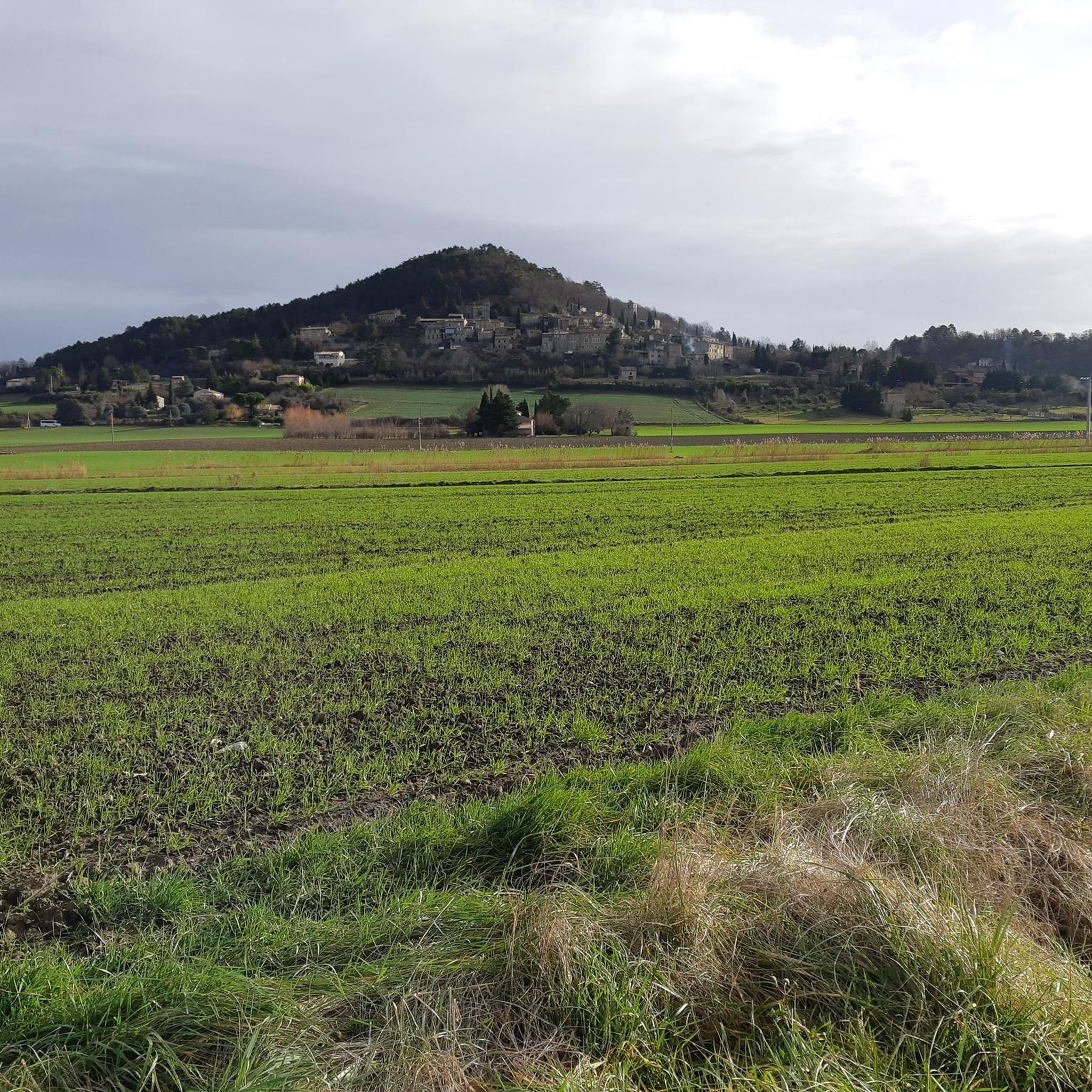
바위에 깎아지른 듯한 옛 봉건 마을이 복원되어 있으며, 지역의 역사 속으로 뛰어들 수 있도록 방문할 수 있습니다. 평야의 매우 아름다운 전망을 자랑합니다.
0
0

A journey through time to a site that is not yet touristy.
0
0

Cozy terrace and inexpensive drinks and plat du jour
0
0


The workforce in the factories on the Jabron did not only come from the region. After the genocide in Armenia, female refugees came to the region as workers. Many Italian women also settled here. They came mainly from northern Italy and were looking for work on the other side of the Alps. In La-Bégude-de-Mazenc they lived in their own district near the factories, which was named after them. But a comprehensive community life was usually not possible - so they often remained strangers in a foreign country.
7
0
This place is on the way and is listed here, but has no connection to fabric/silk.
6
0
Today, a few houses still have a large room with two fireplaces - a "magnanerie". In these efficiently heated rooms, the silkworms hatched, were raised and fed with mulberry leaves. They were kept in boxes, which made rearing particularly efficient. When the caterpillars had pupated and produced the sought-after thread, they were killed in boiling water and removed from their cocoons. The residents of the houses then unwound the long threads and delivered them to the spinning mills. However, intensive breeding endangered the health of the caterpillars: they became more susceptible to disease. This led to the decline of the entire industry in the region around 1860.
7
0
퓨기론 주변에서 가장 인기 있는 명소


더 살펴보기
다른 지역의 최고의 MTB 트레일를 살펴보세요.
