13의 에넨쿠르 르섹가지 명소 & 주요 장소
에넨쿠르 르섹에는 둘러볼 만한 장소가 많답니다. 하이킹 또는 사이클링을 좋아한다면 에넨쿠르 르섹에 숨겨진 13
가지 보석을 만날 수 있을 거예요. 이 지역의 주요 명소를 살펴보면서 다음 모험을 계획해보세요.
마지막 업데이트: 9월 12, 2026

생트 제르베-생트 프로테 성당
하이라이트 • 종교적 장소
번역자 Google •
팁에 의해

이런 장소를 발견하려면 지금 가입하세요
최고의 싱글 트랙, 봉우리 및 다양한 흥미로운 야외 장소에 대한 추천을 받아보세요.
고인돌 데 트루아 피에르
하이라이트 • 역사적 장소
번역자 Google •
팁에 의해


샤우몽앙벡생의 생장바티스트 교회
하이라이트 • 종교적 장소
번역자 Google •
팁에 의해

무료로 가입하여 에넨쿠르 르섹 주변의 더 많은 명소를 발견하세요.
이미 komoot 계정이 있나요?
오늘 무료 계정으로 시작하세요
다음 모험이 기다리고 있어요.
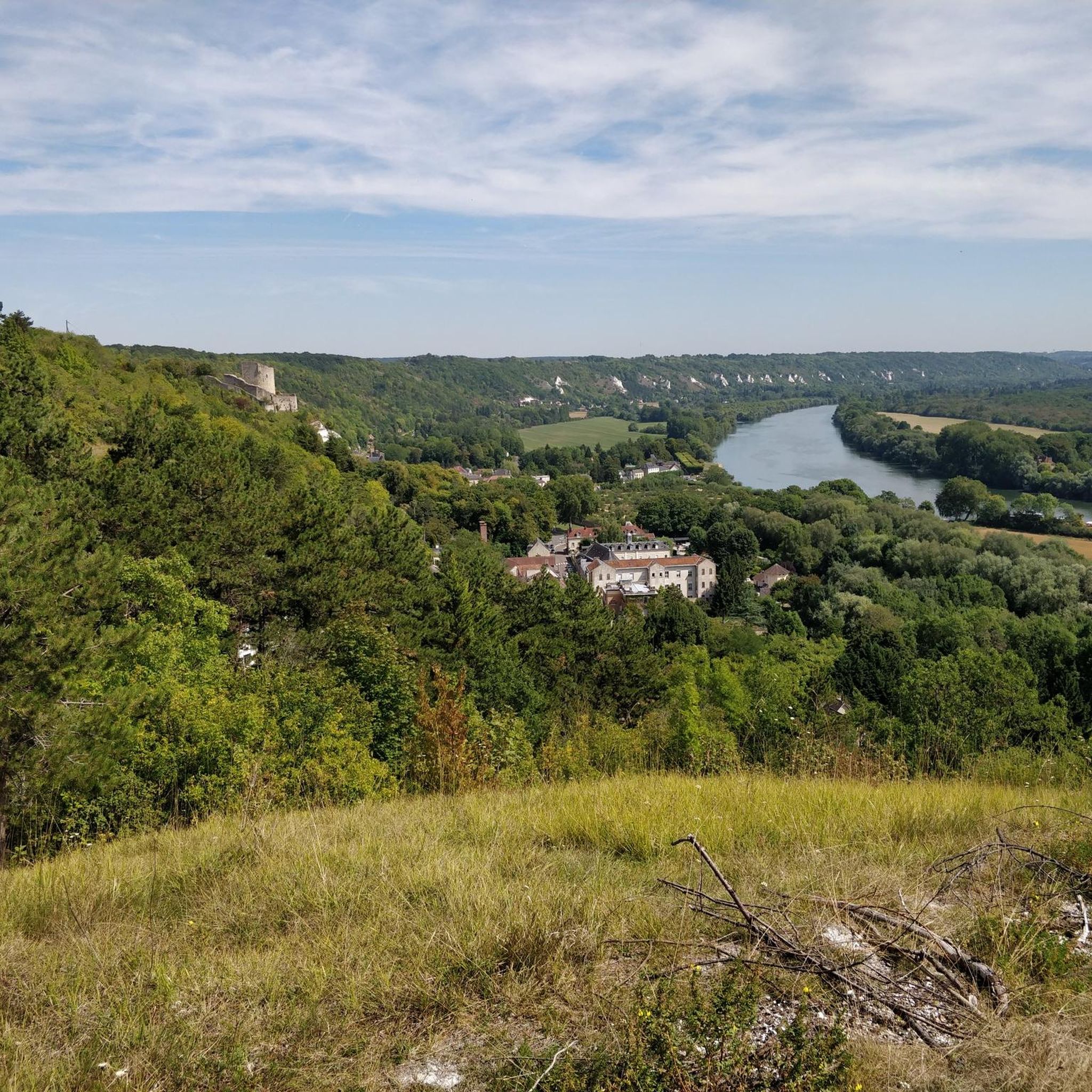





커뮤니티 팁

성채의 정확한 건축 날짜는 알려져 있지 않습니다. 그러나 1694년 교구 등록부에는 « 성채의 소유주인 클로드 세자르 드 콤브스의 아내인 마담 드 콤브스 드 리스의 하녀의 존재 »가 언급되어 있습니다. 이 기념물은 두 개의 날개로 둘러싸인 중앙 건물로 구성되어 있습니다. 건축물은 벽돌과 일부 몰딩 처리된 돌로 구성되어 있습니다. 입구 계단은 두 개의 테라코타 사자 조각상으로 지켜지고 있습니다. 1798년 성채에서 태어난 니콜라 샤를 미용은 작가 앙리 미용 드 몽테를랑의 증조부였습니다.
0
0

A military fortress with a defensive purpose, built in 1097, during the reign of William the Conqueror's second son, Gisors Castle marks a major page in the medieval history of Normandy. This fortification was intended to protect the Norman possessions of the King of England against the ambitions of the King of France. A true border place and eastern lock of Normandy, it was part of a vast campaign of fortifications in the Epte Valley, the natural boundary between the two kingdoms.
0
0
We know of Saints Gervais and Protais that they were Christian martyrs in the 2nd century in Milan. At the time, the Roman Empire forced all its subjects to worship the emperor, which was unacceptable to Christians. If they refused, they were crucified or sent to the arena to be devoured by lions between gladiatorial fights. Thus, Saint Ambrose, bishop of Milan, found them, in 386, buried side by side. This great bishop affirmed that they had been martyrs by fidelity to their baptism. He even added "They are of a prodigious size, such as one was in ancient times." Their cult reached Gaul where a large number of churches were dedicated to them.
1
0

The parish church of Saint-Gervais Saint-Protais was consecrated in 1119 by Pope Calixtus 11. This Romanesque church saw its nave ravaged by fire in 1123. It was rebuilt in 1160. Thanks to funding from Queen Blanche of Castile, the people of Gisors built a Gothic choir, consecrated in 1249. It was built according to the Chartres model, common at the time in Ile-de-France, with a three-level elevation: large arcades, triforium and high windows pierced with oculi. Thanks to funding from charitable brotherhoods and trade corporations, the church underwent multiple transformations from the end of the 15th century with the addition of radiating chapels and an ambulatory at choir level. Entrusted to the Grappins, a family of architects from Vexin, the work continued in the 15th century with the reconstruction of the nave and the chapels of the side aisles in flamboyant Gothic style, then of the façade decorated with Renaissance motifs.
0
0

The Trois Pierres dolmen is an ancient megalithic monument dating from the late Neolithic period (3400-2000 BC). It served as a collective burial ground for the inhabitants of the Seine-Oise-Marne culture. It consists of a short vestibule and a narrow room, separated by a vertical slab pierced by a circular hole, called the "soul hole," through which the bodies passed. The dolmen is surrounded by a peaceful and bucolic landscape, where you can also admire the menhir of the Bois de la Garenne, another prehistoric stone, located about 200 meters away.
2
0

Old fortified castle, built between the end of the 11th and the 12th century, today in ruins.
0
0
The Dolmen of the Three Stones is an ancient megalithic monument dating from the end of the Neolithic period (3400-2000 BC). It served as a collective burial place for the inhabitants of the Seine-Oise-Marne culture. It consists of a short vestibule and a narrow room, separated by a vertical slab pierced with a circular hole, called the "soul hole", through which the bodies were passed. The dolmen is surrounded by a peaceful and bucolic landscape, where you can also admire the Menhir du Bois de la Garenne, another prehistoric stone, located about 200 meters away.
3
0

The Château de Gisors is a castle located in the Eure department. The castle was a key fortress of the Dukes of Normandy in the 11th and 12th centuries. Its purpose was to defend the Anglo-Norman territory of the Vexin from the claims of the King of France.
0
0


더 살펴보기
찾고 있는 하이라이트를 아직 못 찾으셨나요? 다른 지역의 주요 명소 가이드를 확인해보세요:
