아우프하우젠 최고의 라이딩 경로
4.5
(210)
3,945
자전거 타는 사람
298
라이딩
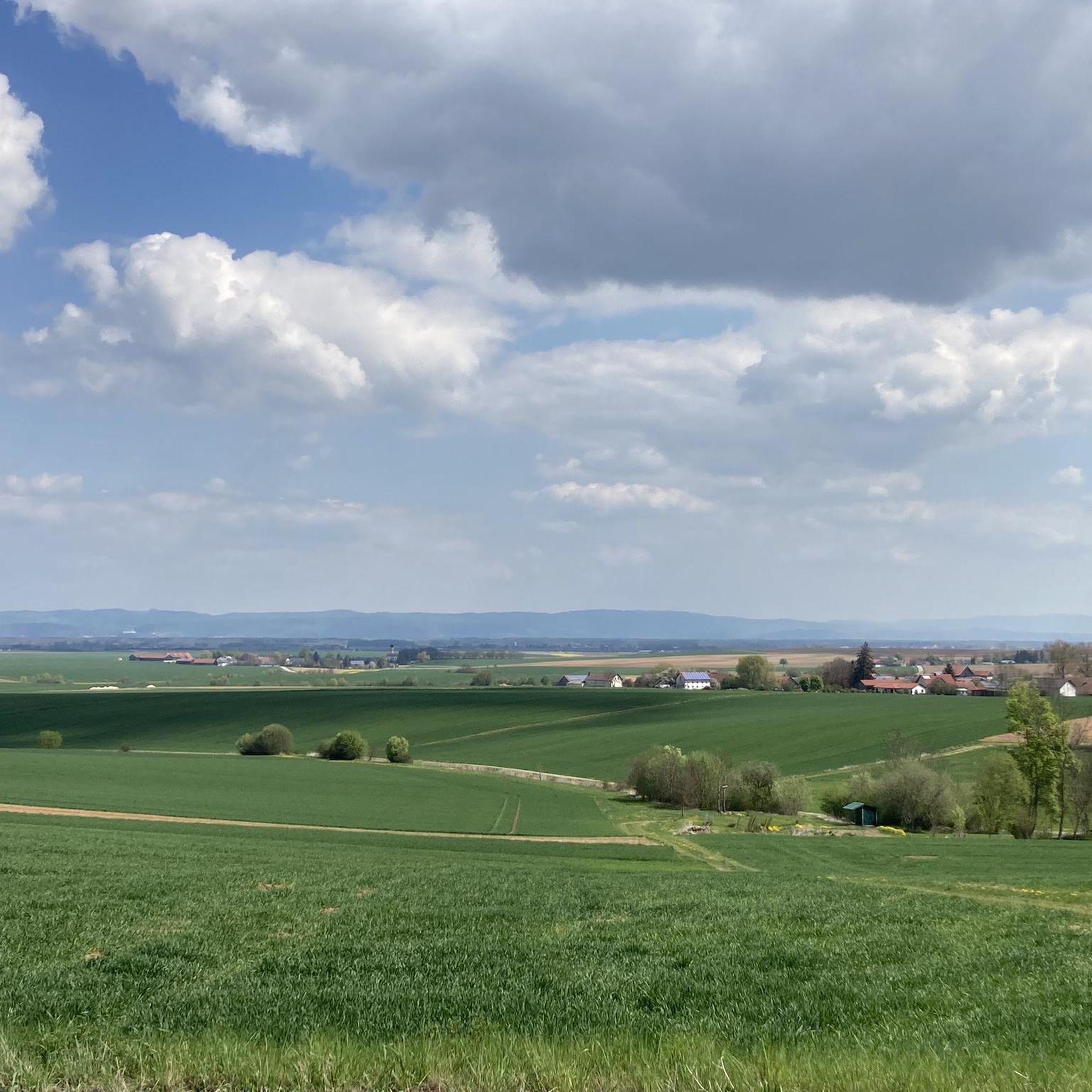
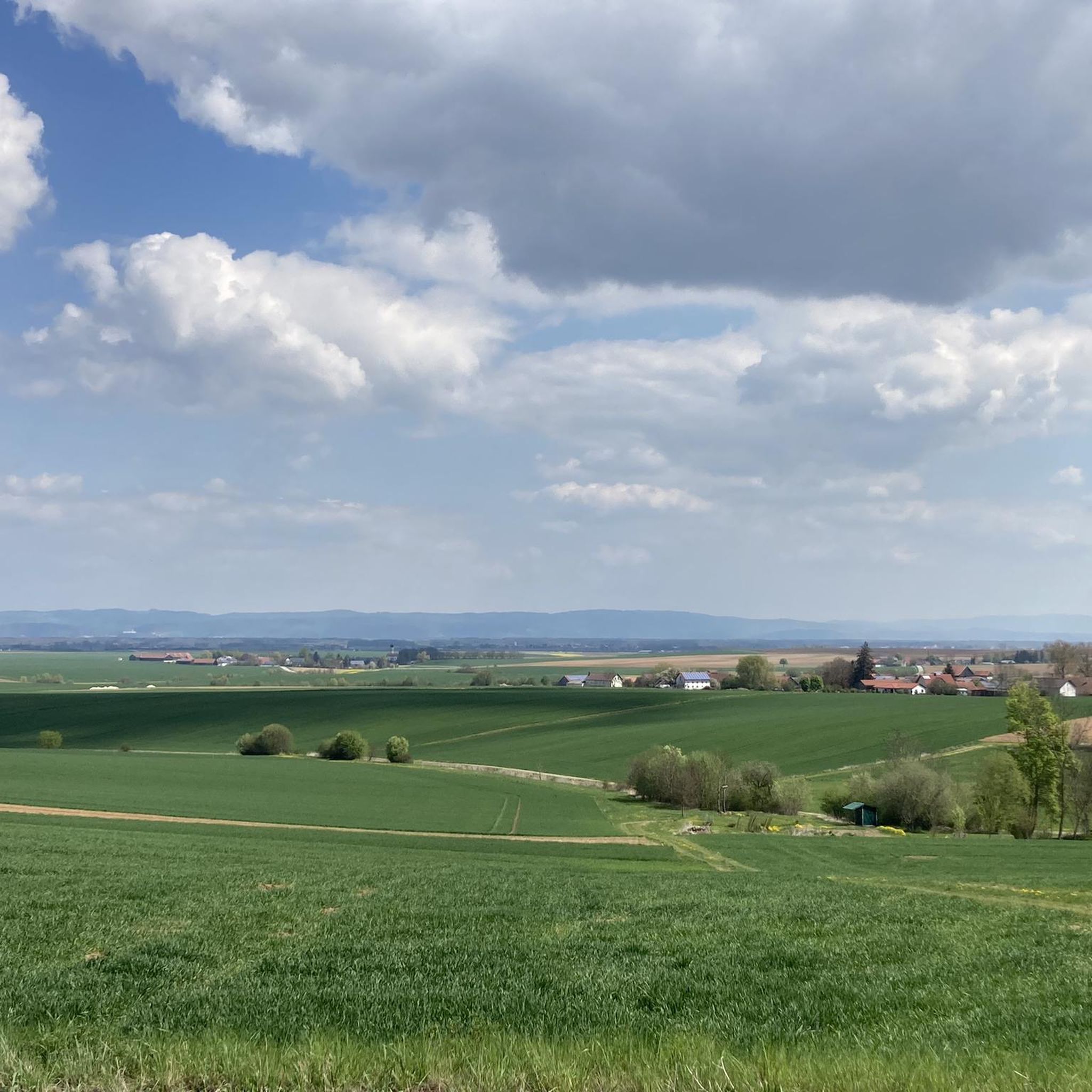
사이클링은 Aufhausen 주변에서 굽이치는 언덕, 울창한 숲, 그림 같은 강 계곡이 특징인 다양한 지형을 제공하며, 바이에른 숲 기슭에 자리 잡고 있습니다. 레겐스부르크와 슈트라우빙 사이에 위치한 이 지역은 로드 사이클리스트에게 다양한 지형을 제공합니다. 잘 포장된 도로와 상당한 고도 변화가 있는 일부 경로가 혼합되어 있어 다양한 체력 수준에 적합합니다.
Aufhausen 주변 최고의 로드 사이클링 코스
- 가장 인기 있는 로드 사이클링 코스는 레겐스부르크 대성당 전망 – 하겔슈타트에서 출발하는 발할라 루프로, 92.2마일(148.3km) 길이의 코스로 6시간 20분이 소요되며 파노라마 전망을 제공합니다.
- 현지 로드 사이클리스트들…
마지막 업데이트: 11월 18, 2026
28
자전거 타는 사람
40.8km
01:42
260m
260m
초급용 로드 라이딩. 지면 대부분이 잘 포장되어 있고 라이딩하기 쉬움.
13
자전거 타는 사람
36.3km
01:38
200m
200m
초급용 로드 라이딩. 지면 대부분이 잘 포장되어 있고 라이딩하기 쉬움.

10
자전거 타는 사람
22.5km
01:06
160m
160m
보통 도로 자전거 타기. 투어 중 라이딩하기 어려운 비포장 구간이 있을 수 있음.
4.7
(3)
3
자전거 타는 사람
30.1km
01:16
230m
230m
초급용 로드 라이딩. 지면 대부분이 잘 포장되어 있고 라이딩하기 쉬움.
4
자전거 타는 사람
27.2km
01:14
260m
260m
초급용 로드 라이딩. 지면 대부분이 잘 포장되어 있고 라이딩하기 쉬움.
더 다양한 경로와 다른 탐험가들의 추천을 살펴보세요.
이미 komoot 계정이 있나요?
투어 추천은 다른 사람들이 komoot에서 완료한 수천 개의 활동을 바탕으로 구성되어 있습니다.
오늘 무료 계정으로 시작하세요
다음 모험이 기다리고 있어요.


커뮤니티 팁


Attention: The road is closed and not accessible by road bike. The asphalt surface is being replaced. 06.07.25
0
0


Alteglofsheim Castle The name comes from the Eglofsheim family. Since the 10th century there has been a moated castle here with an associated manor. The castle was rebuilt and expanded several times over the centuries. From 1480 to 1573 the Barons of Parsberg owned the castle and manor. In 1659 Johann Georg Baron von Königsfeld bought the Alteglofsheim estate. In 1685 he became an Imperial Count. In his will in 1694 he left the estate to his grandson Hans Georg Graf von Königsfeld. He was the Minister of State and Conference of Elector Karl Albrecht and First Minister during his time as Emperor. From 1728 to 1734 he had the castle significantly expanded and refurbished. His successor Count Christian Johann August von Königsfeld, Elector's ambassador in Vienna, added the north wing of the castle with the magnificent dining room in 1780. In 1810 the Königsfelder family died out. The Barons of Cetto followed as owners, and in 1835 Prince Maximilian Karl von Thurn und Taxis acquired the castle. The Princes of Thurn und Taxis sold it to a priest in 1939, and it later went to his housekeeper. The war and post-war period led to the castle being used for other purposes, and it fell into increasing disrepair. In 1973 the Free State of Bavaria acquired it and made it available to the University of Regensburg in 1980. In 1989 the castle was designated as the location for the third Bavarian Music Academy. Construction work began in 1992. The Music Academy began operations here in June 1999. After extensive renovations and refurbishments the castle was handed over to its new purpose in September 2000. The late Gothic core of the complex with the 35-meter-high keep in the west dates from the beginning of the 14th century. It towers over the high gable of a building with two round flanking towers from the early 17th century. Around 1680, a wing with a two-aisled chapel in the basement was leaning against it in the south. Around 1730, it was extended to the west after the south-north wing had been started at a right angle to it. Elaborate ceiling frescoes by the Asam brothers and elegant stucco ceilings created by Johann Baptist Zimmermann adorn the castle. Tours of the castle are only possible for groups by prior arrangement. Source: Excerpts from www.wikipedia.de
2
0
Köfering Castle The first moated castle on the Pfatter was probably built in the 12th century. The Köfering family was first mentioned in the middle of the 12th century. Around 1300, the castle was owned by Eckprecht von Haidau, who gave it to the Bishopric of Regensburg in 1307 in order to receive it as a fief from the bishop. Other owners of the castle were Otto Zenger, Albrecht von Abensberg, Heinrich Nothaft von Mangolding and Scheuer. In 1427, Dietrich von Stauf took over the castle in Köfering by exchange. On December 26, 1491, the Köfering fortress was besieged and destroyed by the Bavarian Duke Albrecht IV with 1,000 soldiers during the Löwler League uprising, in which the castle owner Hieronymus von Stauf took part. The Counts of Lerchenfeld have owned the moated castle since 1569. The castle was damaged in the Thirty Years' War and rebuilt in its current form from 1680 to 1720. Renovation began in 1980/81. The moated castle is an irregular, baroque, three-storey three-wing complex with mansard hipped roofs, an entrance projection with portal, ground floor arcades and a staircase with a mansard hipped roof. The White Hall with inlaid parquet and the chapel are worth seeing. The castle complex consists of a central projection, to which only a north wing is connected. To the west there is another wing with protruding corner projections, and to the south the one-storey former stable building is attached. A three-arched stone bridge leads over the walled moat, which is still preserved, and is the only access to the castle. Source: Excerpts from www.wikipedia.de
3
0
Mallersdorf Monastery The monastery dedicated to St. John the Evangelist was founded in 1107 by Heinrich von Kirchberg, a ministerial of the Imperial Abbey of Niedermünster in Regensburg. In 1109, Bishop Hartwig consecrated the St. John Chapel, which had already been consecrated by Bishop Wolfgang, as Mallersdorf's first monastery church. In 1136, Abbot Eppo dissolved the double monastery (as a community of men and women) that had probably existed in Mallersdorf up to that point, and the women's convent moved to neighboring Eitting. Romanesque church buildings in the 12th century, a religious heyday in the 13th century, and the Kastler Reformation in the 15th century shaped the later Middle Ages. The abbey was on the verge of dissolution in the middle of the 16th century. The monastery's position was consolidated when the monks from the Ebersberg Benedictine Abbey, which had been abolished by Pope Clement VIII in 1595, moved there. Under Abbot Anton Schelshorn (1665–1695), the central training center of the Bavarian Benedictine Congregation was established in Mallersdorf. In the 18th century, the monastery experienced another cultural, scientific and religious heyday. This was expressed in the redesign of the monastery church, which culminated in the construction of the artistically outstanding high altar by the Munich sculptor Ignaz Günther. The Latin school run by monks in the monastery on the Johannisberg enjoyed an excellent reputation. In 1803, the monastery was dissolved as part of the secularization in Bavaria. The goods were auctioned off, and from 1807 onwards the monastery buildings were used as offices for the district authorities and as official residences. Since 1869, sisters from the order of the Poor Franciscan Sisters of the Holy Family have lived in the monastery. Today they run a monastery brewery there, which brews around 60 hectoliters of beer per week. The monastery also runs the "Specialist Academy for Social Pedagogy of the Poor Franciscan Sisters of Mallersdorf". There is also the Nardini Secondary School, named after the founder of the community. In August 2014, it was reported that Sister Doris Engelhard, a nun at the abbey and certified master brewer, is the last beer-brewing nun in Europe. She has been brewing beer in the abbey for over 40 years. Brewing in the abbey was revived in 1881. On brewing days, she is exempt from morning prayers and begins work in the abbey's brewery at 3:30 a.m. Source: www.wikipedia.de
2
0


아우프하우젠 주변에서 가장 인기 있는 명소


더 살펴보기
다른 지역의 최고의 로드 사이클링 경로를 살펴보세요.
