セルパ周辺のアトラクション&必見スポット - トップ20
セルパには必見のスポットがたくさんあります。ハイキング愛好家やサイクリング愛好家の方は、ぜひセルパを探索してこのエリアにある20
の隠れたスポットを訪れてみてください。このエリアの必見スポットを確認し、次の冒険に出かける計画を立てましょう。
最終更新日: 10月 24, 2026
プーロ・ド・ロボの滝
ハイライト • 滝
翻訳者 Google •
役立つ情報 は

セルパ城
ハイライト • 城
翻訳者 Google •
役立つ情報 は
今すぐサインアップして、こんな場所を発見しよう
最高のシングルトラック、ピーク、その他のエキサイティングなアウトドアスポットのおすすめを受け取ろう。
セルパ
ハイライト • 記念碑
The Serpa Aqueduct is an unusual work of Portuguese engineering due to its private nature. It was built at the end of the 17th century to serve …
翻訳者 Google •
役立つ情報 は

カステロ・デ・モウラ
ハイライト • 城
翻訳者 Google •
役立つ情報 は
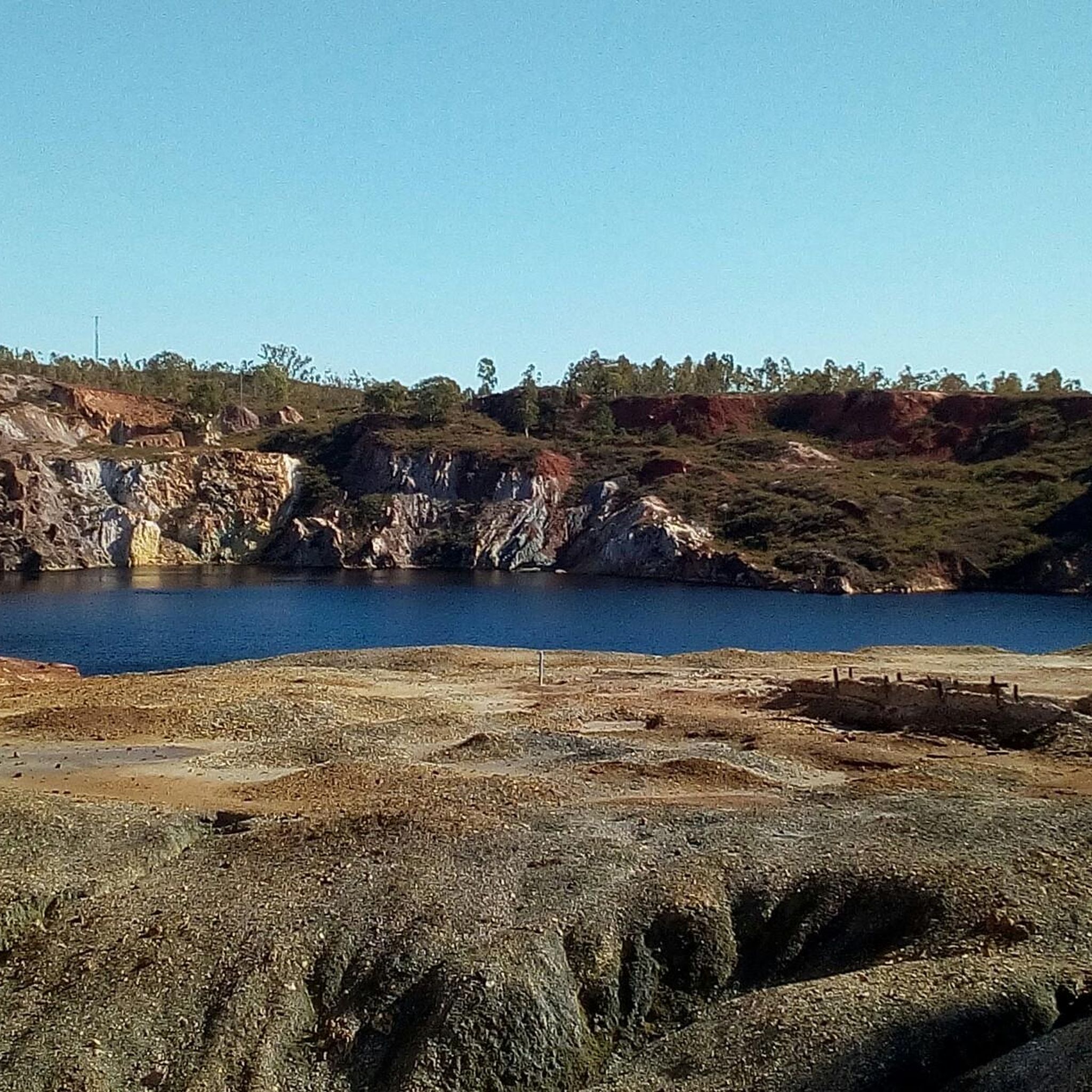
アチャダ・ド・ガモ銅山遺跡
ハイライト (セグメント) • 記念碑
役立つ情報 は

無料でサインアップして、さらに多くの観光スポットを発見しましょう セルパでの。
すでにアカウントをお持ちですか?
無料アカウントで今日から始めよう
次の冒険が待っています。
コミュニティからのヒント

アルエンテージョ地方の国境の町セルパは、ポルトガル防衛の要であった中世の城壁に囲まれ、驚くべき体験と感覚を提供します。最初の「味」(有名なチーズだけではありません)の後、セルパをもっと知りたくなるでしょう。遺産、風景、人々、そして地元の文化が一体となっています。
12
0


Moura Castle is a very old fortress, composed of round and square towers, and is the first fortress known to Moura. The Convent of Our Lady of the Assumption was built here, which incorporated the Church of Santiago, the former Moorish mosque, and became the mother church.
3
0
The castle houses the Municipal Museum of Archaeology. The castle walls are accessible. The elevator was out of service at the end of May 2025.
6
9

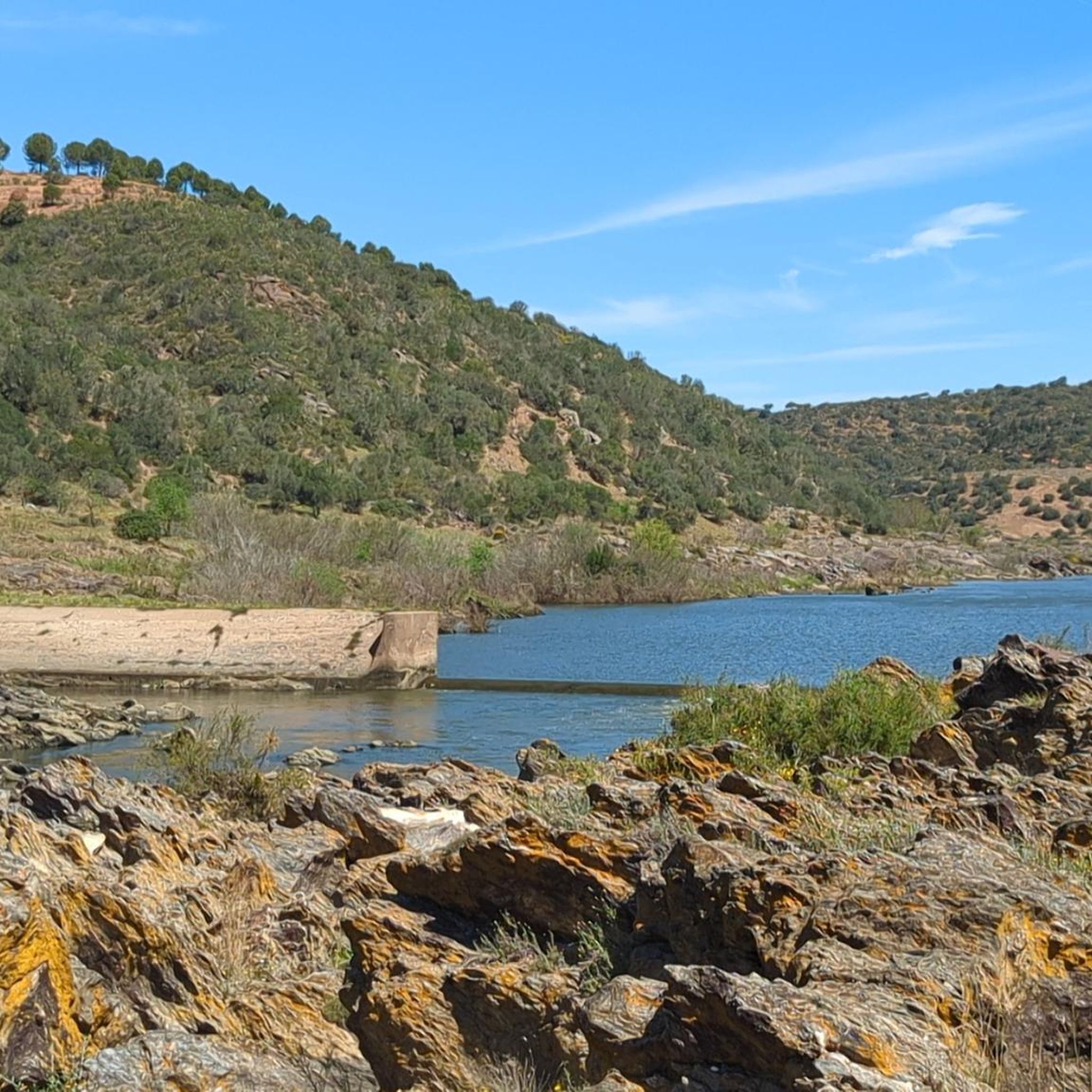
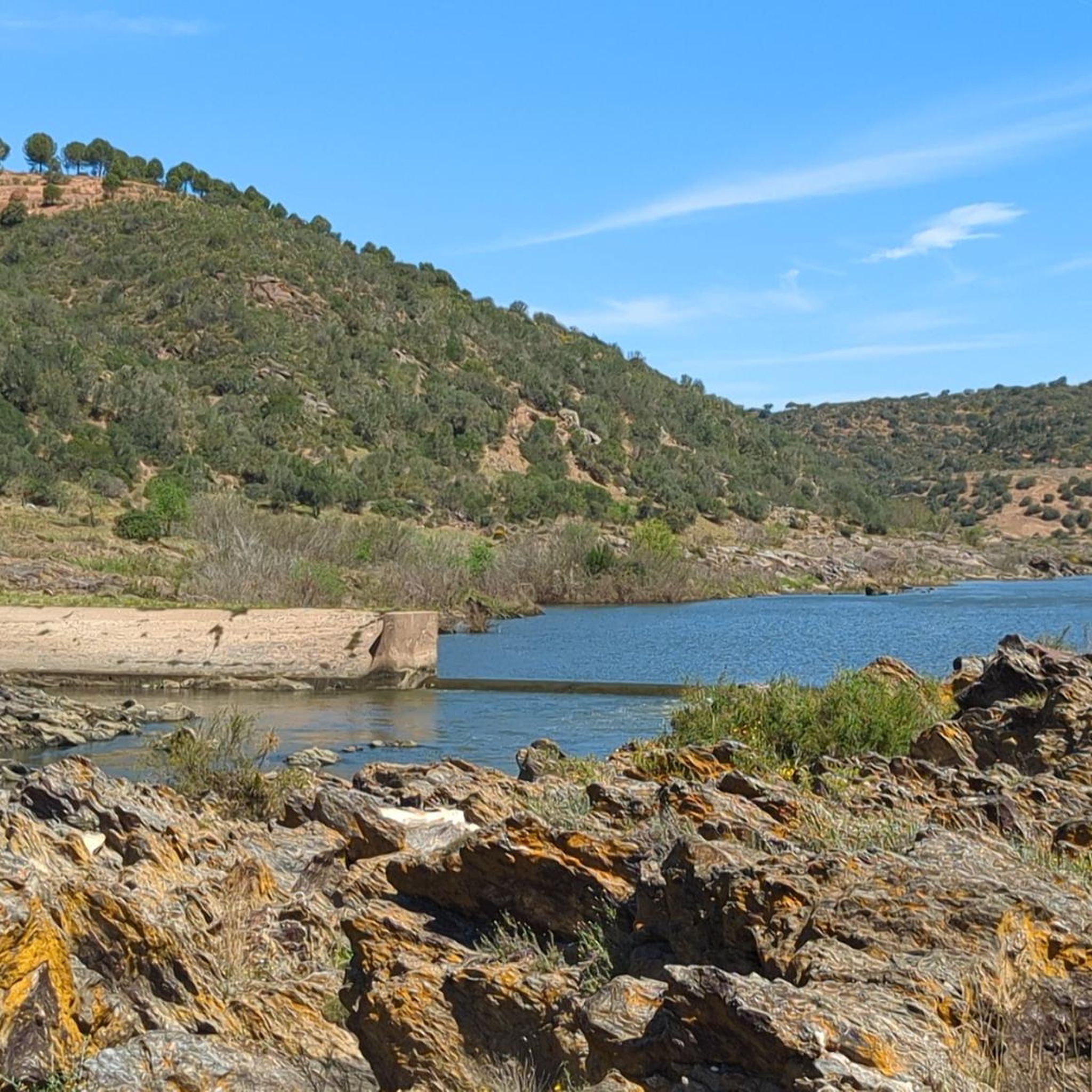
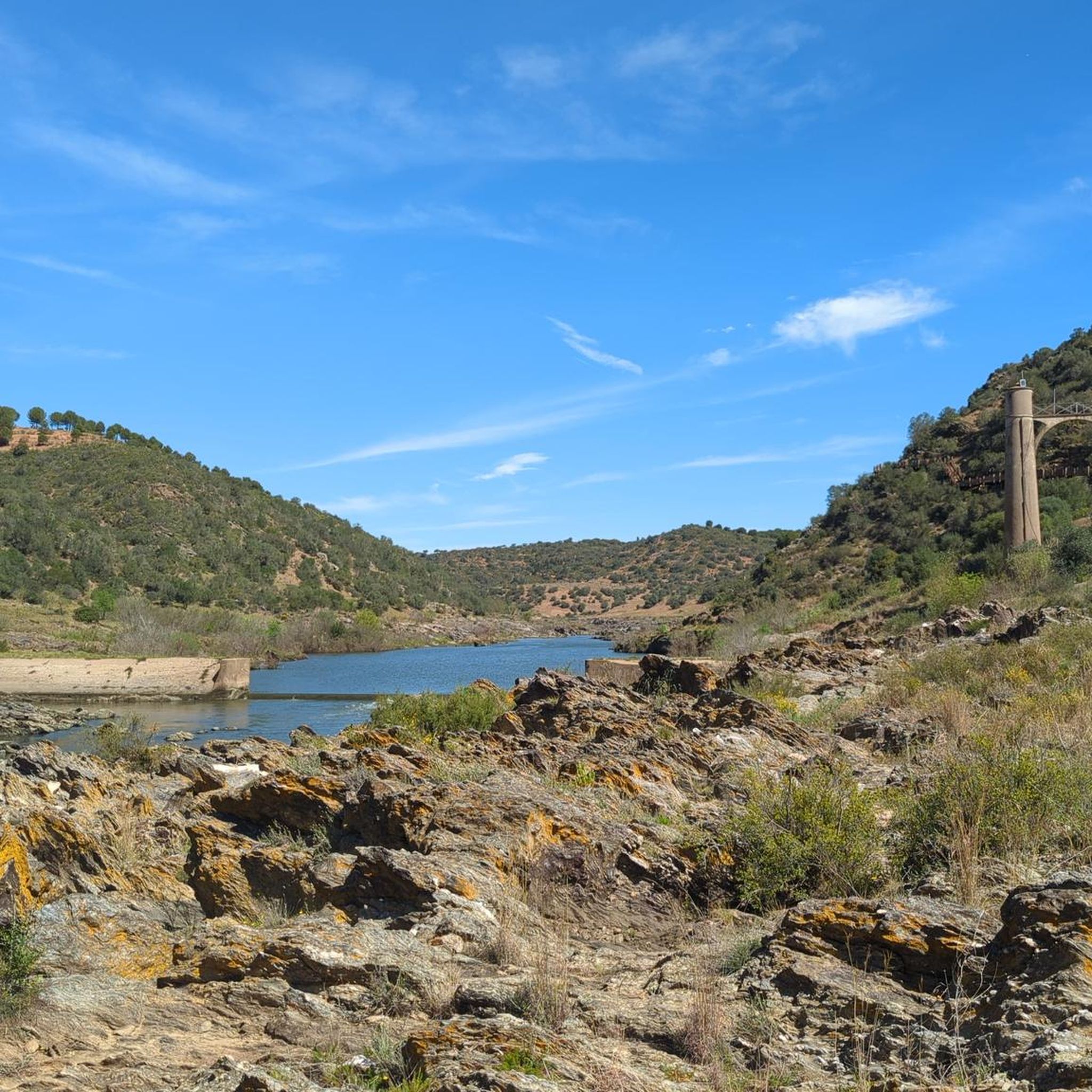
You can access Pulo do Lobo from either side of the river: from Aldeia da Amendoeira, on the Mértola-Beja road (left bank), or from Serpa, in the village of Vale de Poços, where you'll find signs indicating exactly where to turn right (right bank). Both paths are well signposted, and both have several viewpoints. The best view of the waterfall, however, is undoubtedly from the viewpoint on the right bank. Further ahead, you'll see Pego dos Sáveis, the spot where the water suddenly calms down again, forming a tranquil lake.
4
0

Rising above Moura's old town on a limestone plateaux are the ruins of a once grand castle. The medieval Castelo de Moura was built by King Dom Dinis in the 13th century on the site of an earlier Moorish citadel. There is evidence that the site is even older than this suggesting there was originally an Iron Age hill fort here. The medieval castle was a mixture of old and new including the remains of the Moorish castle and a new watchtower, the remains of which can be seen today. One of the original Moorish towers remained; the Salúquia tower, named after princess Salúquia, the daughter of the Muslim governor Abu Hassan. It is said that when the christians reconquered the town she threw herself from the top of this tower. Over subsequent years the castle was further expanded and fortified. During the 16th century the convent of Nossa Senhora da Assunção was incorporated into the castle grounds, being built on the site of the earlier Moorish mosque. It is said that the convent was home to the tombs of Pedro and Álvaro Rodrigues who were responsible for the reconquest of Moura from the Moors. The castle was almost destroyed during the Spanish War of Succession under the command of the Duke of Osuna in 1707. Further damage was caused by the 1755 earthquake leaving the Moura Castle in ruins. Today the castle is home to landscaped gardens, a military museum and an archaeological museum. It is also a great viewpoint for the town and surrounding countryside including the nearby Alqueva dam.
10
0
Reigning over the town, Serpa’s castle is a charming ruin after being sacked by the Spanish and lying abandoned since the 1600s. But that takes nothing away from the monument, as its battlements are still intact and you can scramble up to survey the town and the Alentejo countryside. There has been some kind of fortress up here since at least the Romans, but this castle’s timeline begins with the Moors in the 700s. During the Reconquista in the 12th and 13th centuries the it was besieged by both Christian and Moorish forces before Afonso III finally conquered the Algarve to the south. Get a good look at the fabric of the walls, as you might discover some recycled Roman funerary stones with inscriptions still legible.
20
0
セルパでのの人気観光スポット

komootモバイルアプリでインスピレーションを得よう


さらに探索
まだ探しているハイライトが見つかりませんか?他の地域のトップアトラクションのガイドを見てみましょう:
