フェレイラ・ド・アレンテージョ周辺のアトラクション&必見スポット - トップ20
フェレイラ・ド・アレンテージョには必見のスポットがたくさんあります。ハイキング愛好家やサイクリング愛好家の方は、ぜひフェレイラ・ド・アレンテージョを探索してこのエリアにある20
の隠れたスポットを訪れてみてください。このエリアの必見スポットを確認し、次の冒険に出かける計画を立てましょう。
最終更新日: 10月 17, 2026
オディヴェラスダム
ハイライト • 記念碑
翻訳者 Google •
役立つ情報 は

アルヴィト城とポサーダ
ハイライト • 城
(出典:Wikipedia)
アルビトゥ城は現在ポサーダです。
翻訳を表示中
役立つ情報 は

今すぐサインアップして、こんな場所を発見しよう
最高のシングルトラック、ピーク、その他のエキサイティングなアウトドアスポットのおすすめを受け取ろう。
Ribeira de Odivelas
ハイライト • 川
翻訳者 Google •
役立つ情報 は

アルヴィトの音楽堂
ハイライト • 記念碑
The lower part currently houses public and accessible toilets.👍🇵🇹
翻訳者 Google •
役立つ情報 は

サン・セバスティアン礼拝堂
ハイライト • 宗教的な場所
17世紀初頭のフレスコ画のキャンペーンがあり、内部全体を覆っていました。現在残っているものは、この地域特有のフレスコ画の描き方、特に音楽を奏でる天使のテーマの繰り返しを明らかにしています。
(出典: e-cultura.pt)
翻訳を表示中
役立つ情報 は
無料でサインアップして、さらに多くの観光スポットを発見しましょう フェレイラ・ド・アレンテージョでの。
すでにアカウントをお持ちですか?
無料アカウントで今日から始めよう
次の冒険が待っています。
コミュニティからのヒント

Ermida de São Sebastião(セバスティアン礼拝堂)は、ポルトガルのアレンテージョ地方、アルヴィトの南東の端に位置しています。15世紀末から16世紀初頭にかけて建設されたと推定され、ペスト除けの守護聖人として崇められていた聖セバスティアヌスに捧げられました。白く塗られたこの礼拝堂は、キリスト教とムーア人の建築様式を融合させた、後期ゴシック様式のムデハル建築の注目すべき例です。力強く円錐形をした控え壁、胸壁のような屋根の縁、そしてゴシック様式の尖頭アーチ型の入り口が特徴です。17世紀初頭のフレスコ画が残されており、楽器を演奏する天使の姿などが描かれている点は特に貴重です。
1
0

アルビトゥ城(Castelo de Alvito)は、ポルトガルのアレンテージョ地方にある歴史的な要塞化された邸宅で、1993年からはポルトガル・プサダス(Pousadas de Portugal)の有名なネットワークに属する高級ホテル、プサダ・カステロ・アルビトゥ(Pousada Castelo Alvito)が併設されています。
3
0

アルビトゥ城は、ポルトガルのアレンテージョ地方のアルビトゥの町にある軍事記念碑であり、ポサーダ(宿泊施設)です。要塞と裕福な邸宅の両方の機能を兼ね備えた要塞化された宮殿の例と考えられています。また、ゴシック様式、マヌエル様式、イスラム様式の要素を組み合わせたスタイルも際立っています。 (出典:Wikipedia) アルビトゥ城は現在ポサーダです。
16
0
16世紀初頭に建てられた隠れ家で、ゴシック・ムデハル様式に分類できる建築様式が特徴です。これはゴシック様式のアレンテージョ地方特有のものです。村の端に位置し、守護聖人である聖セバスチャンを通して、ペストの蔓延から村を守っていました。 17世紀初頭のフレスコ画のキャンペーンがあり、内部全体を覆っていました。現在残っているものは、この地域特有のフレスコ画の描き方、特に音楽を奏でる天使のテーマの繰り返しを明らかにしています。 (出典: www.e-cultura.pt)
18
0


The chapel of S. Sebastião is one of the monuments in Alvito that is part of the Fresco Route (see information about the Fresco Route), due to the beauty and heritage importance of the fresco paintings that can be seen inside. Located in the Rossio area, the chapel was probably built before 1535, although its authorship is unknown. It is a Manueline style building, with Mudejar influences (similar to the chapel of S. Brás, in Évora). The plan is simple, consisting of a single nave and a main chapel. The vaults of both the nave and the main chapel are painted in fresco, with figures of musical angels and are believed to have been designed by José de Escobar (a resident of Évora).
11
0
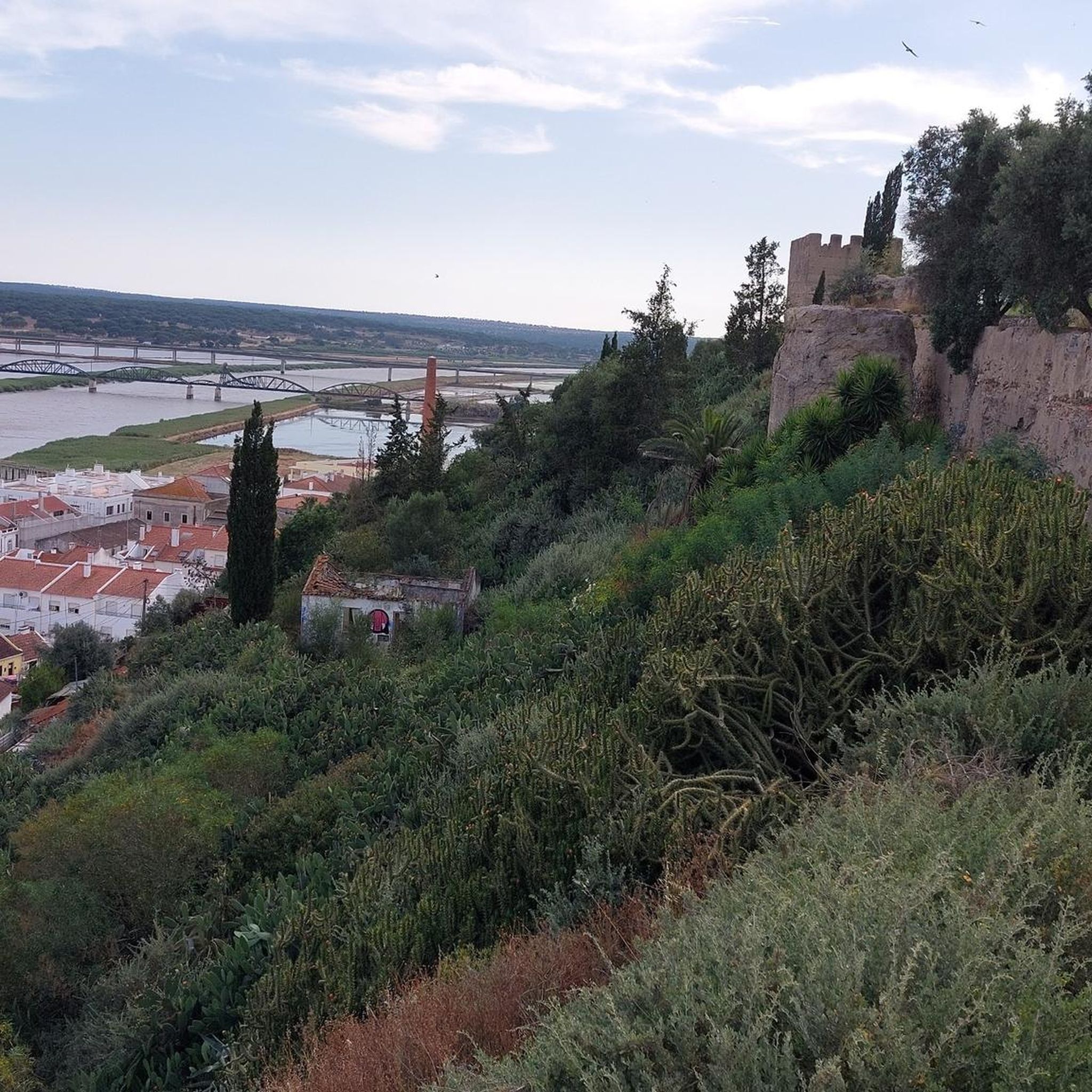
Situated at a high point in the midst of the Alentejo plains, and offering extensive views over the distant horizons, the graceful town of Alvito has grown around its palatial castle, where the Pousada de Alvito is now housed. The white houses give Alvito the distinct and unmistakable appearance of an Alentejo town, many of them having doors framed by Manueline-style arches, revealing their seventeenth-century origin. The settlement of this town dates back to the early days of the Portuguese monarchy. The town was granted its first charter by the king D. Dinis in 1327, later confirmed by D. Manuel in 1516. The Alvito Castle, whose construction began in 1494, is undoubtedly one of the most curious buildings of its kind in Portugal. Visiting it helps to evoke memories of the town´s historical past. The long Moorish presence in this region left its distinctive marks in the Mudejar architecture clearly visible in various monuments (which laymen can easily recognise through the small cupolas and white-painted conical pinnacles). The parish church of Nossa Senhora da Assunção, dating back to the early sixteenth century, has certain exterior decorative features that clearly identify it as an example of Mudejar architecture. A modest Renaissance doorway leads to the interior, its walls covered in azulejo panels whose beautiful patterns are a harmonious blend of blue and yellow. In the upper choir, there is a large seventeenth-century altarpiece of carved and gilded wood. The same Mudejar influence is also to be noted in the small fortified chapel of São Sebastião, crowned by an array of chamfered merlons. Inside, painted on the vaulted Gothic ceiling are frescos depicting musical angels. Attention is also drawn to the town hall with its picturesque clock tower, a typical feature of Alentejo architecture. Two almost adjoining churches, the Igreja da Misericórdia and the Igreja da Senhora das Candeias (the latter housing a museum of Sacred Art), are equally interesting buildings of some architectural merit, as is the small chapel of Santa Luzia on the outskirts of the town, which was originally a Muslim oratory.
10
0
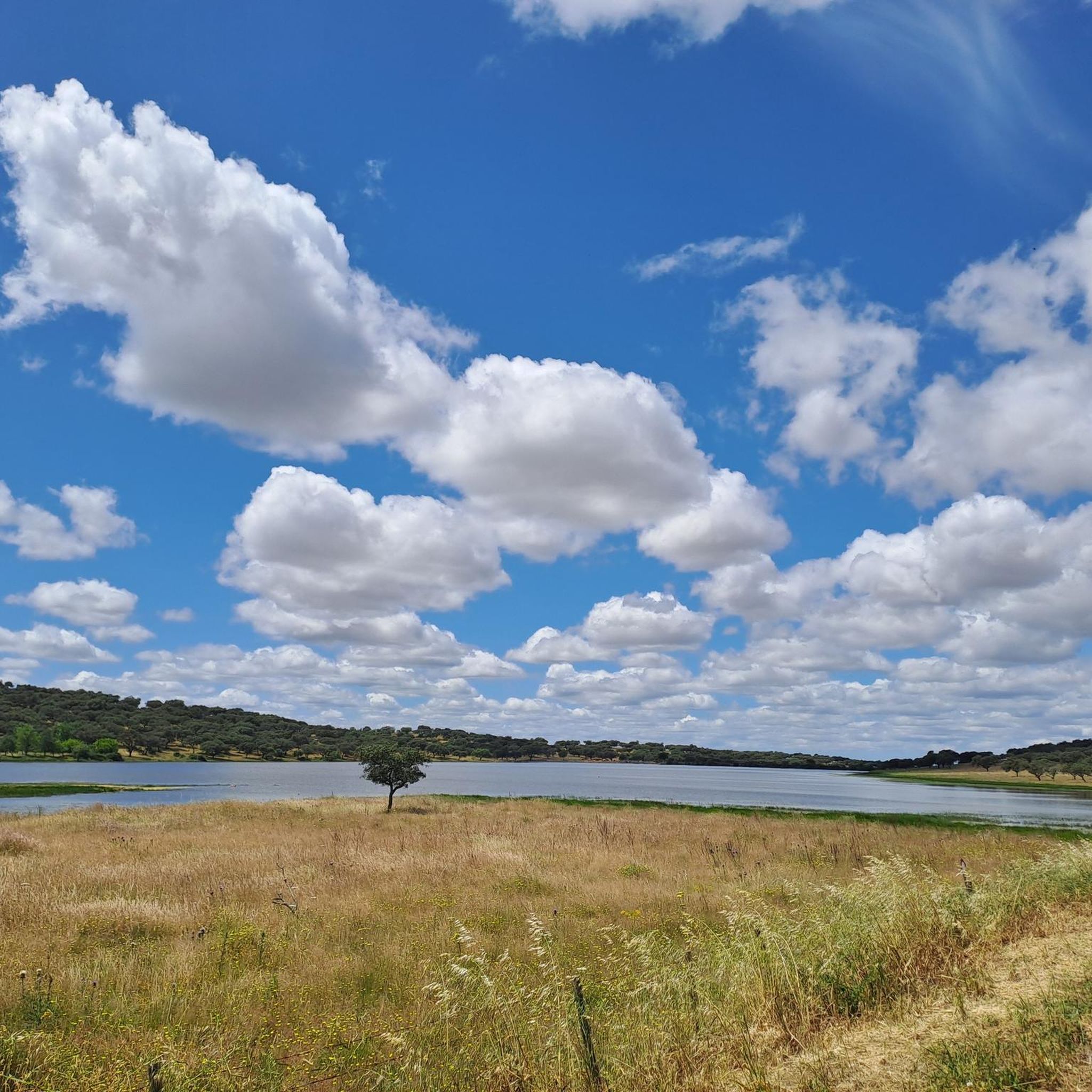
Built on the bed of the Odivelas river and located near the village of the same name, the Odivelas dam is one of the largest dams in the Baixo Alentejo. Approximately 5 km long, 3 km wide, and with a flooded area of approximately 970 ha, the Odivelas reservoir is an important gathering point for a variety of aquatic birds. Here you can fish for bass, practice water sports or simply relax and enjoy a light meal in the picnic area in the leisure area.
7
1
フェレイラ・ド・アレンテージョでのの人気観光スポット

komootモバイルアプリでインスピレーションを得よう


さらに探索
まだ探しているハイライトが見つかりませんか?他の地域のトップアトラクションのガイドを見てみましょう:
