セルパのおすすめツーリングルート
4.0
(4)
43
ライダー
8
ライド
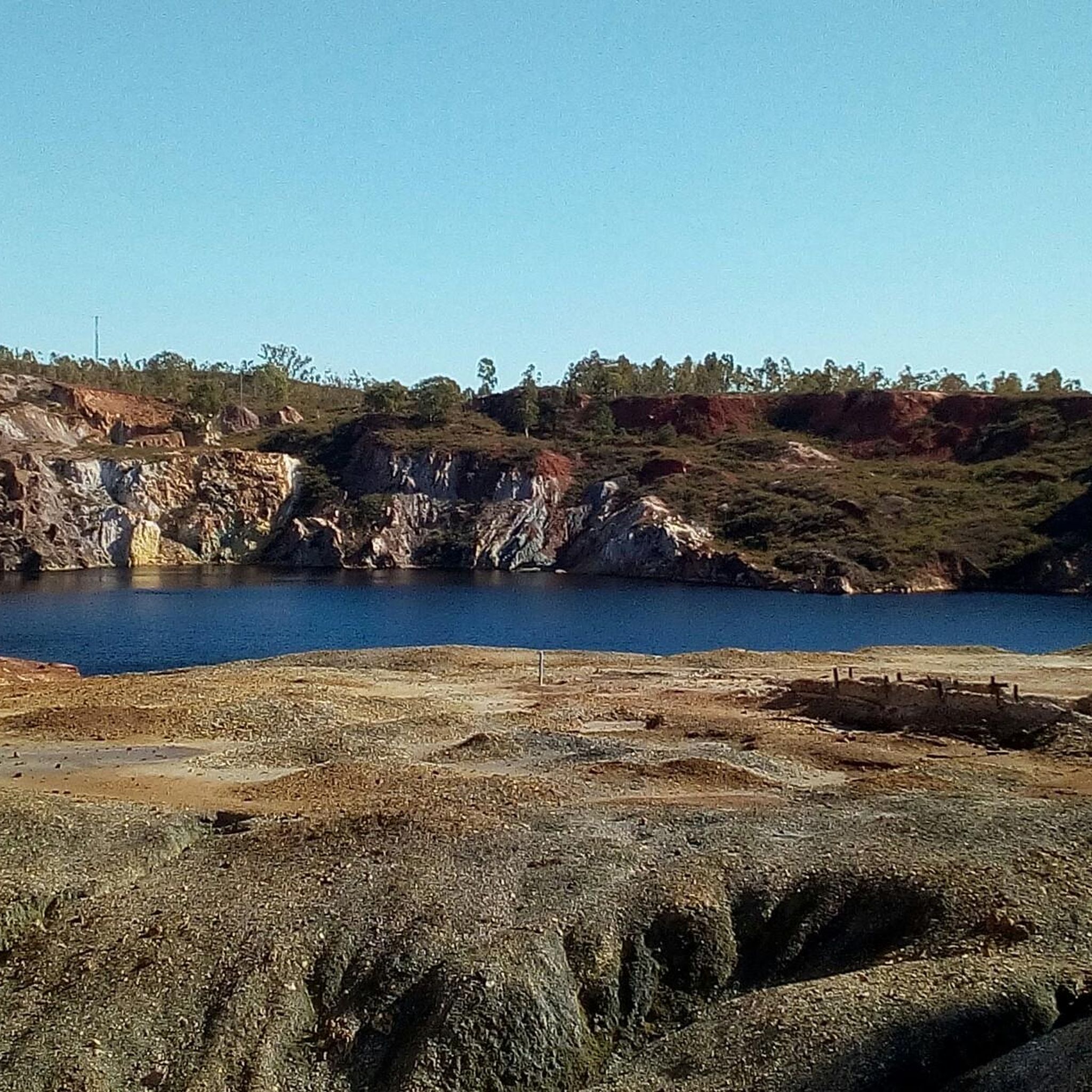
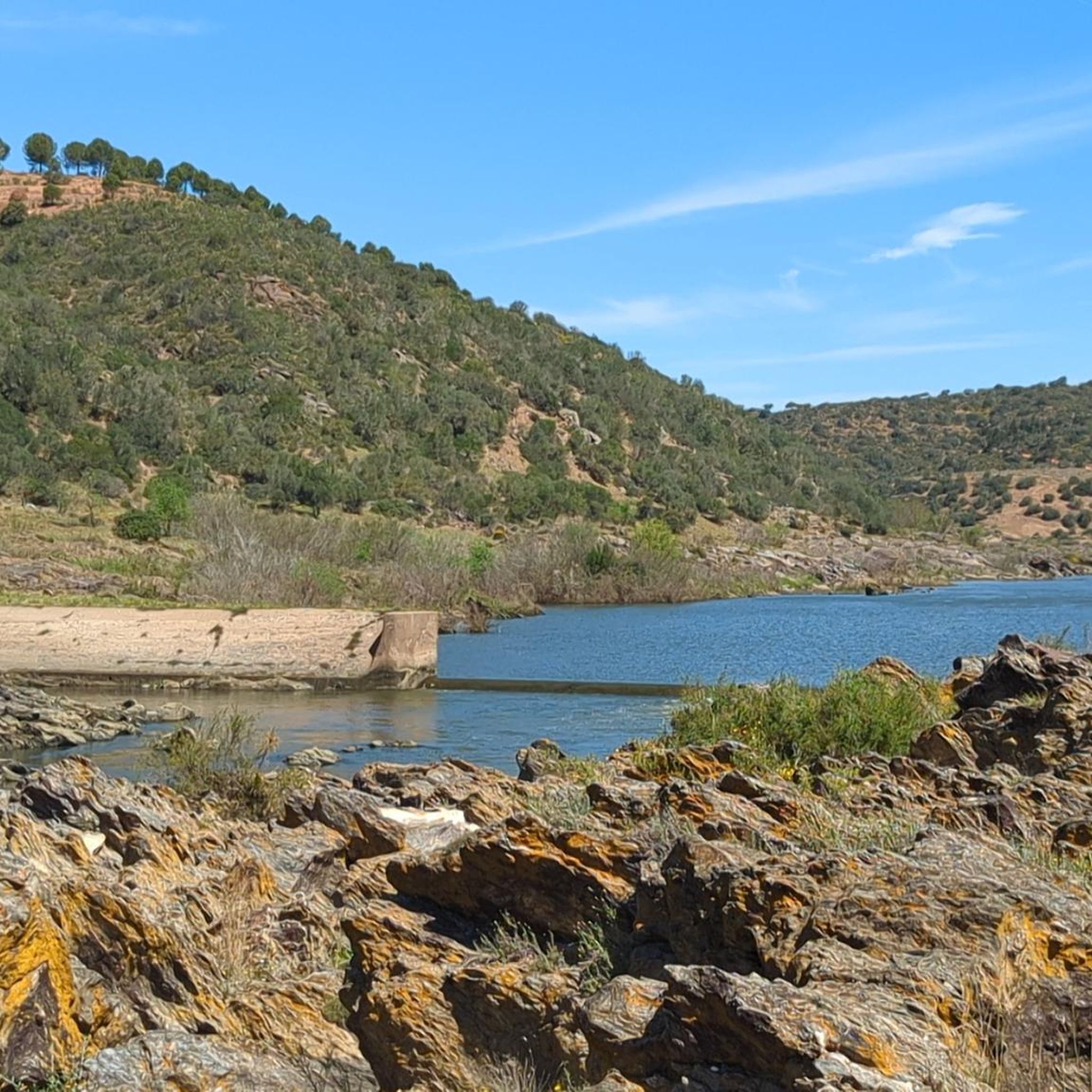
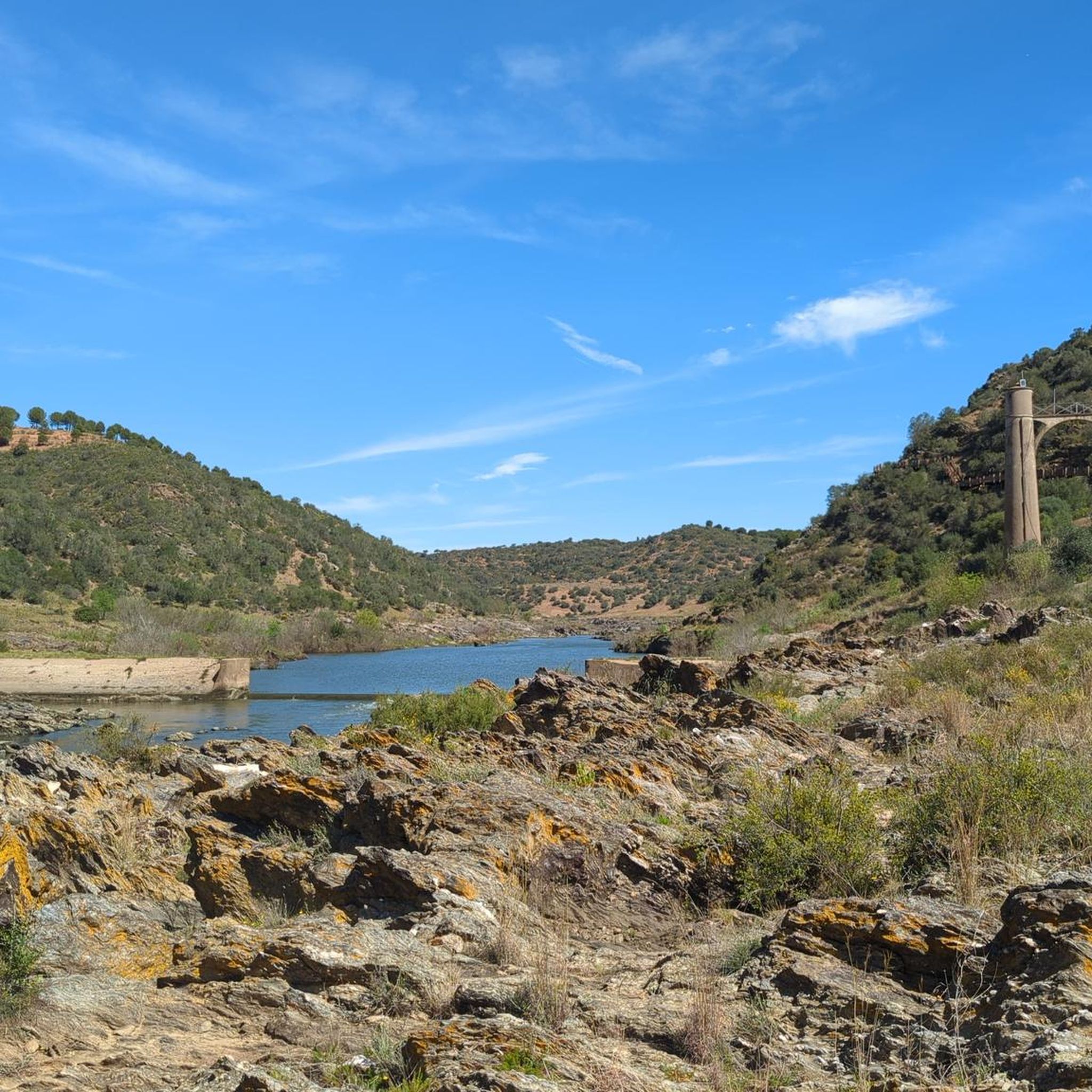
サイクリングルートはセルパ周辺の平坦な丘陵地帯と農耕地帯を巡り、変化に富んだ地形を提供します。この地域には、小さな町や田園地帯を結ぶ起伏のある道があり、適度な標高差があります。グアディアナ川渓谷自然公園がこの地域に組み込まれており、農耕地、ブドウ畑、オリーブ畑、伝統的なモンタドを巡るルートがあります。
セルパ周辺の最高のサイクリングルート
- 最も人気のあるサイクリングルートは、Serpa MTB Trail P2です。このルートは19.9マイル(32.0 km)で、所要時間は2時間20分です。このルートは、農耕地や自然のランドマークを巡る適度な標高差が特徴です。
- 地元のサイクリストに人気のもう一つのルートは、Circular Route 1 Serpaです。これは8.5マイル(13.7 km)の簡単なルートです。このルートは、地元の風景をリラックスして楽しむのに適した比較的平坦なプロフィールを提供します。
- 地元のサイクリストに愛されているのが、Serpa loop from Serpaです。この32.4 km(20.1マイル)のルートは、ブドウ畑やオリーブ畑を含む変化に富んだ地形を通り抜け、所要時間は約2時間22分です。
- セルパ周辺のサイクリングは、なだらかな丘陵地帯、農耕地の景観、起伏のある地形が特徴です。このネットワークは、簡単な道からより挑戦的なルートまで、さまざまなレベルのサイクリストに対応するオプションを提供しています。
- セルパのルートは、komootコミュニティから高く評価されており、4件以上のレビューで平均4.0つ星を獲得しています。30人以上のサイクリストがkomootを利用して、セルパの多様な地形を探索しています。
最終更新日: 8月 31, 2026
7
ライダー
32.0km
02:21
370m
370m
This moderate 19.9-mile touring cycling route in Guadiana Valley Natural Park takes you through agricultural fields and past the Azenha da O
1
ライダー
13.7km
01:02
110m
110m
初級者向けバイクライド. あらゆるフィットネスレベルに適しています。 全般的に舗装された状態です。あらゆるスキルレベルに適しています。

4
ライダー
12.7km
00:49
120m
120m
初級者向けバイクライド. あらゆるフィットネスレベルに適しています。 全般的に舗装された状態です。あらゆるスキルレベルに適しています。
3
ライダー
60.9km
05:08
560m
560m
難しい自転車ライド. 標準以上のフィットネスレベルが必要です。 全般的に舗装された状態です。あらゆるスキルレベルに適しています。
2
ライダー
26.7km
01:37
230m
230m
中程度の自転車ライド. ある程度のフィットネスレベルが必要です。 全般的に舗装された状態です。あらゆるスキルレベルに適しています。
さらに多くのルートや他のユーザーのおすすめ情報を確認できます。
すでにアカウントをお持ちですか?
おすすめのツアーは他のkomootユーザーが実際に経験した何千ものアクティビティに基づいています。
無料アカウントで今日から始めよう
次の冒険が待っています。
コミュニティからのヒント


Pretty town near the Portugal-Spain border at the foot of the Ficalho hill that gives the town its name. It can be reached from Rosal de al Frontera (SP) by a picturesque road through the hill that crosses the border.
0
0

In the Guadiana Valley Natural Park, the main protagonist is, of course, the river that gives it its name. The fourth largest in the Iberian Peninsula, the Guadiana rises in Spain, crosses the south of Portugal from east to west to Badajoz and then flows down towards the Atlantic. Within the park, the river displays all its wild beauty: winding, serene and surrounded by breathtaking landscapes.
4
0

This church, built in the 18th century, stands out for its Baroque architecture and impressive bell tower. Inside, you'll find carved wooden altarpieces and frescoes that create an atmosphere of peace and contemplation. In addition to its religious significance, the church is also a center for community and cultural activities. Various religious events and festivals are held here, such as processions and solemn masses in honor of San Isidro Labrador.
2
0

Vila Verde Ficalho has history. It is a village located in the easternmost part of the municipality of Serpa, bordering the Spanish town of Rosal de la Frontera and belonging to the territory known as the Left Bank of the Guadiana. Our people have ancient traditions and historical records that extol them. All the landscape, historical and cultural settings make this border village very special, both for its inhabitants and visitors. Its area measures approximately 10,402,3909 hectares, and the town is flanked by the Ficalho mountain range, which is approximately 518 metres high. Throughout our region, you can see mountains, valleys, hills, dotted with trees, wells and springs. All the archaeological heritage found here reveals bits and pieces of the passage of various peoples through our land, from the Paleolithic era, when man was still a gatherer, to the Neolithic era (3500 BC), to the Visigoths, the Romans (where the city of Finis possibly existed), and the Arab people who left us several customs. The exact date of the founding of our town as a historical place is unknown; hypothetically, it was in the 1940s, in the 13th century, at the end of the reign of D. Sancho II and the beginning of the reign of D. Afonso III. Our people are mainly dedicated to agriculture, although artisanal agriculture is still being seen, new technologies are beginning to be used. There has been a significant decrease in commercial activity, many establishments have been closing and we no longer see, as we once did, clusters of Spanish people. It is worth noting that tourism is likely to increase in this area; in recent months, some have appeared in our town. tourists who have shown a fondness for this small village with an aging population.
2
0
In 1281, when Serpa and all the lands on the Left Bank of the Guadiana were still under Castilian rule, Alfonso X established the demarcation of the municipality, so that it could be better populated, and granted it its first charter, that of Seville. After a century of military and diplomatic adventures, with the Christian Reconquest of the Alentejo, Serpa received a new charter from King Dinis in 1295.
3
0

Magnificent historical center. The Serpa Aqueduct is an unusual work of Portuguese engineering due to its private nature. It was built at the end of the 17th century to serve the Solar dos Condes de Ficalho, located on one of the sections of the Serpa city walls. The most interesting part of the structure is located next to the Beja Gate, where the aqueduct is supported by arches built on the wall. At the end of the aqueduct, there is a Moorish waterwheel, leaning against the wall and serving as a buttress for the aqueduct itself. (Source: roteirodoalqueva.com)
10
0

Today's town was created in 1232 as part of the new settlements after the Reconquista under King D. Sancho II. The community is characterized by agriculture, particularly by the striking olive groves. It has always been known for its olive oil, wine and honey. Ficalho's coat of arms shows a honey bee and olive tree branches.
3
1
セルパでのの人気観光スポット

komootモバイルアプリでインスピレーションを得よう


さらに探索
他の地域の最高のサイクリングルートを見てみましょう。
