モイタのおすすめウォーキング&ハイキングルート
4.6
(601)
5,307
ハイカー
53
ハイキング
モイタ周辺でのハイキングは、景色を満喫するのに最適な手段のひとつですが、適切なハイキングルートを見つけることは簡単ではありません。 モイタ周辺の人気ハイキング&ウォーキングコースを参考にすれば、行きたいルートをすぐに見つけられます。
最終更新日: 7月 22, 2026
4.8
(10)
44
ハイカー
10.2km
02:50
170m
170m
中程度のハイキング. ある程度のフィットネスレベルが必要です。 進みやすいルートです。あらゆるスキルレベルに適しています。
16
ハイカー
4.03km
01:01
0m
0m
初級者向けハイキング. あらゆるフィットネスレベルに適しています。 進みやすいルートです。あらゆるスキルレベルに適しています。

無料新規登録
4.7
(11)
10
ハイカー
9.43km
02:27
60m
60m
中程度のハイキング. ある程度のフィットネスレベルが必要です。 進みやすいルートです。あらゆるスキルレベルに適しています。
4.8
(4)
12
ハイカー
6.38km
01:46
110m
110m
初級者向けハイキング. あらゆるフィットネスレベルに適しています。 進みやすいルートです。あらゆるスキルレベルに適しています。
11
ハイカー
3.08km
00:47
10m
10m
初級者向けハイキング. あらゆるフィットネスレベルに適しています。 進みやすいルートです。あらゆるスキルレベルに適しています。
さらに多くのルートや他のユーザーのおすすめ情報を確認できます。
無料新規登録
すでにアカウントをお持ちですか?
おすすめのツアーは他のkomootユーザーが実際に経験した何千ものアクティビティに基づいています。
無料アカウントで今日から始めよう
次の冒険が待っています。
ログインまたは登録
コミュニティからのヒント

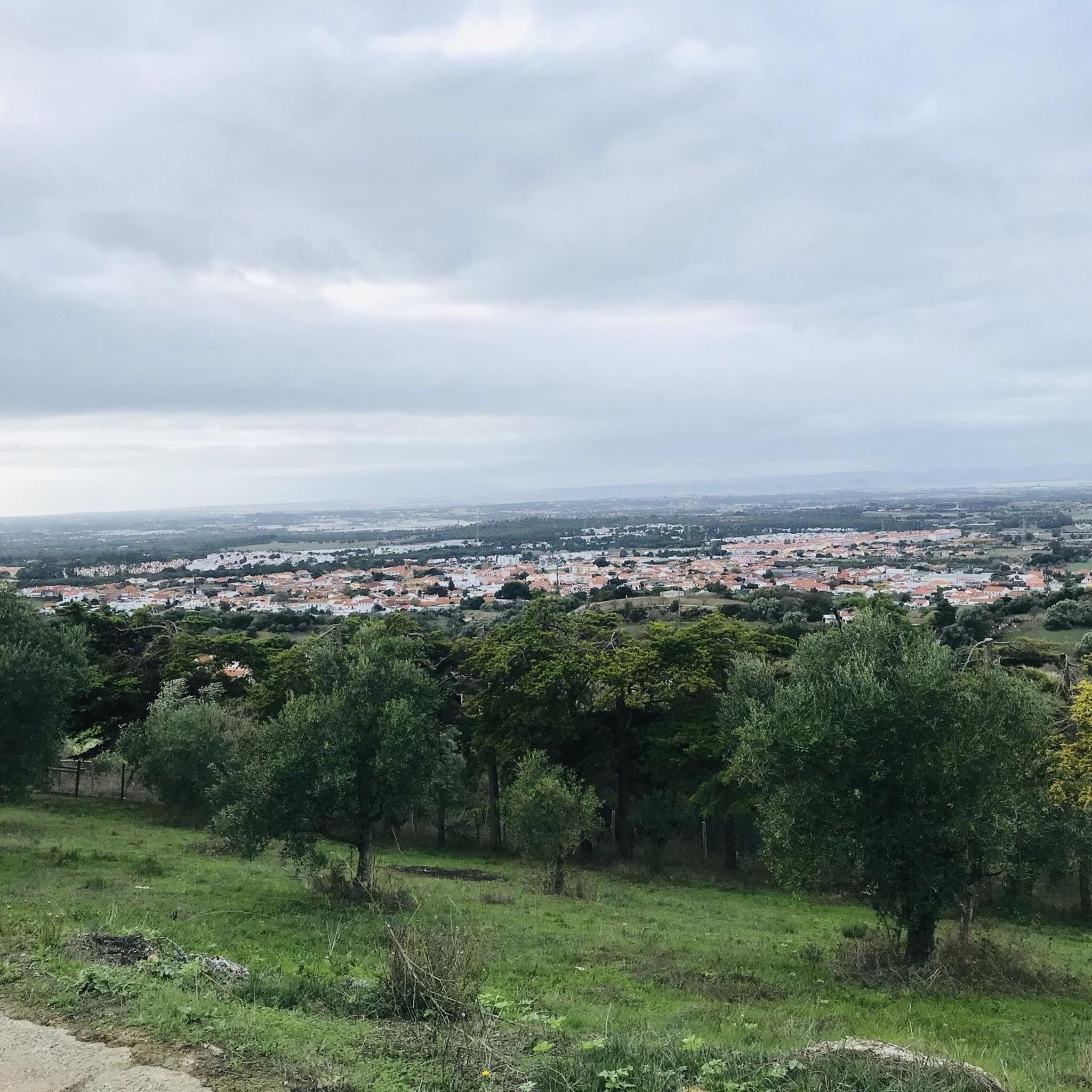
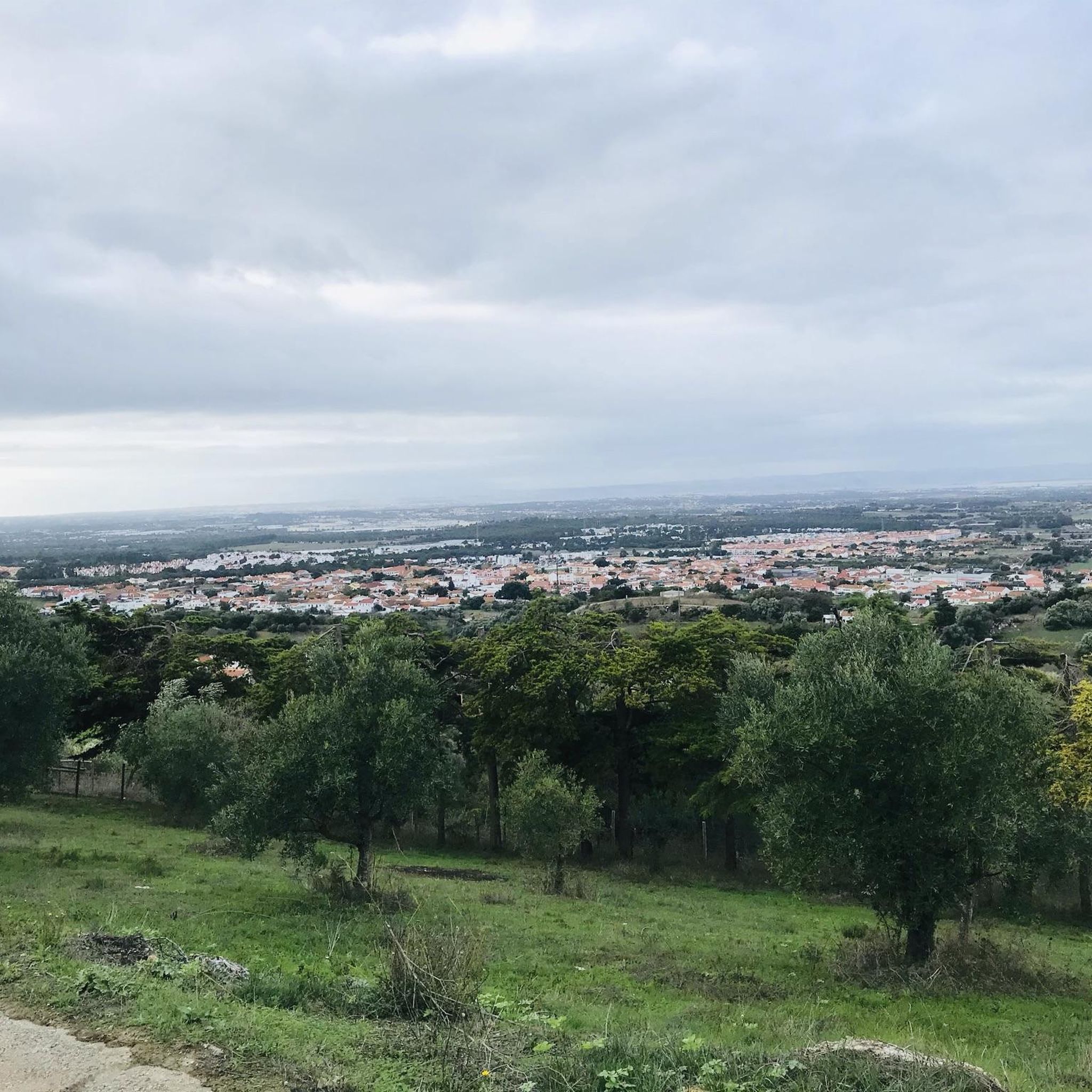
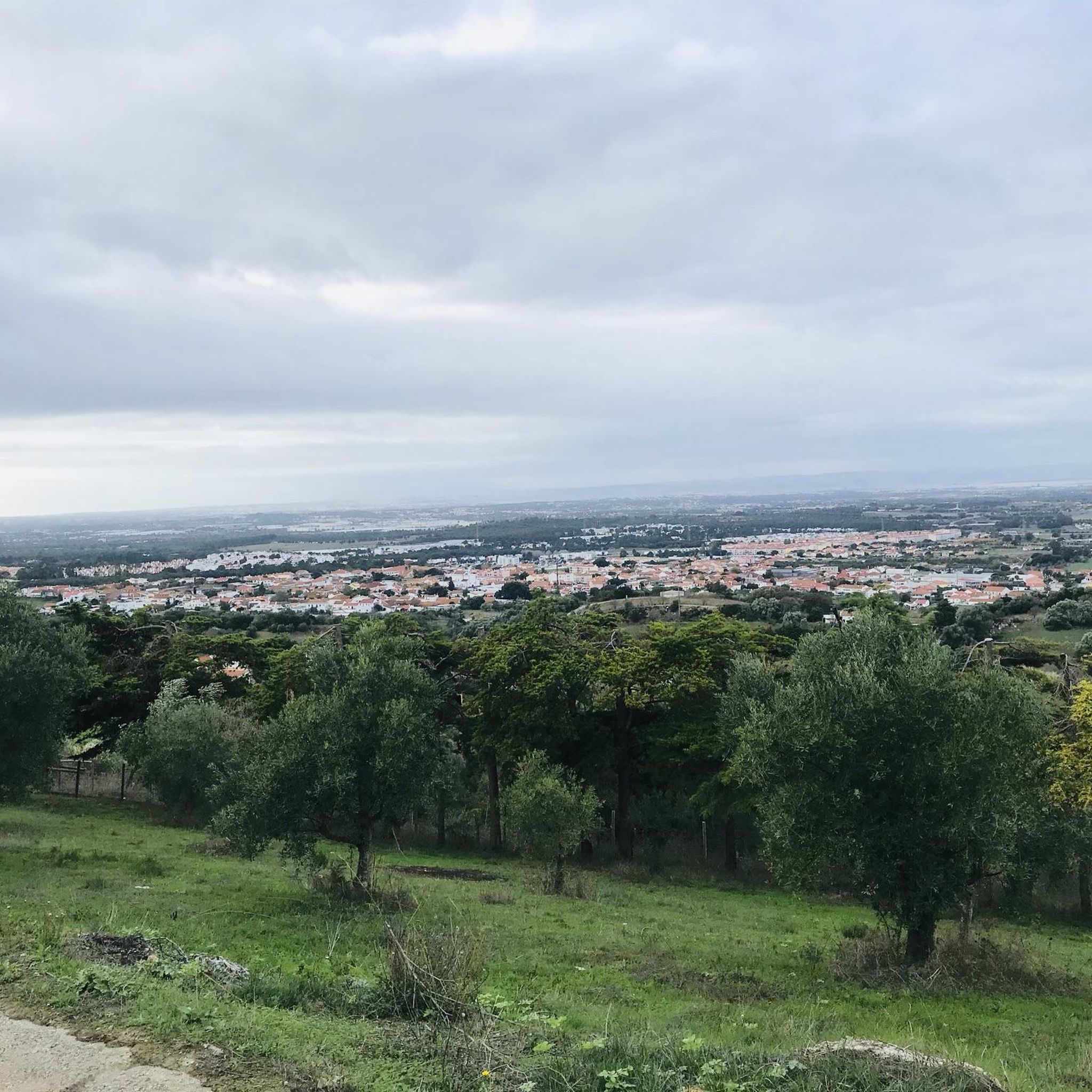
Seixalでは、必ずしも観光客がいるとは限りません。旅行ガイドでは、3つのフェリーの選択肢のうち、アルマダへのルートのみを常に推奨しています。それに応じて、この場所は眠たげな様子を見せています。それでも立ち寄る価値はあります。ここではすべてがずっと静かです。遊歩道沿いの海岸線と、郊外の小さな路地を散策するのは価値があります。町の小さな森からの眺めは息をのむほどです。昼食時に開いているレストランを探す必要があります。船上のレストラン Lisboa a Vista では、水面に軽く揺られながら、しっかりとした料理が楽しめます。町の公園は、コルク工場に属していたコルク樫のプランテーションの跡地から生まれました。いくつかの古いコルク樫や他の古い木々が、くつろぎを誘います。Seixalの反対側では、フラミンゴを観察できると言われています。賑やかなリスボンとは大きな対照をなしています。
0
0
アルマダを見渡す湾を見下ろす100年前の船にある素敵なレストラン。食事中は少し揺れます。美味しい料理 - 中価格帯。
0
0

These were the "mills" of old, moved by the wind, heavy granite millstones, transformed wheat seeds into flour from which delicious bread was made, which "satisfied" the hunger of those who had little to eat.
1
0


The Portuguese oak can be considered an intermediate species between the oaks of the north of the country and those of the south, that is, between the black oak and the oak, and the cork oak and holm oak. This tree grows slowly and inhabits habitats that are generally limiting for most other trees. Like the holm oak, the acorns of this oak are also used in the feed of the wild pig.
5
0
The rural Islamic site of Alto da Queimada, which we identified as a hilltop, was subjected to archaeological intervention between 1996 and 2005. The village shows signs of previous occupation, from the Roman and pre-Islamic periods, with continuity of settlement being recognised, attributable to the great fertility of the region and the good location and defence conditions. The peasant population that, in the Islamic period, structured and inhabited the hilltop from the Emiral period until the beginning of the 11th century, maintained undeniable fiscal and cultural links to the castle of Palmela. The hilltop is defined in a west-east direction, with rectangular houses, with rough stonework associated with walls obtained from the local rock and roofs made of perishable materials. Spaces with functions linked to daily agricultural and pastoral life are defined, namely storage areas, but also others of a religious nature. The signs of a predominantly agricultural economy are evident in the collection of instruments and various utensils, but other activities are also documented, such as fishing, justified by the proximity of the Sado Estuary.
3
0
The Arrábida region holds valuable treasures and a variety of information about the geological evolution of the territory and its occupation since the Neolithic period. It is possible to discover and interpret all these signs in a simple and educational way along the Serra do Louro and Quinta do Anjo mountain range, where you can see beds of fossilized oysters and corals and a large number of archaeological remains in the form of engravings, settlements, hill forts and tombs excavated in the rock. It is also a privileged location for the global observation of all the orography related to the formation of the Serra da Arrábida. The geodetic marker marks the highest point of the Serra do Louro. At an altitude of 224 m, you can see, to the south, the Serra de São Luís (398 m), the Serra dos Gaiteiros (229 m) and the Vale dos Barris. In this location, you can also see a bed of fossilized oysters. The oldest lands in Arrábida date back to around 200 million years ago, at the beginning of the Jurassic, with the oyster beds being one of the testimonies of other geological times.
5
0
モイタでのの人気観光スポット

komootモバイルアプリでインスピレーションを得よう


さらに探索
他の地域の最高のハイキングを見てみましょう。
