リオマイオア周辺のアトラクション&必見スポット - トップ20
リオマイオアには必見のスポットがたくさんあります。ハイキング愛好家やサイクリング愛好家の方は、ぜひリオマイオアを探索してこのエリアにある20
の隠れたスポットを訪れてみてください。このエリアの必見スポットを確認し、次の冒険に出かける計画を立てましょう。
最終更新日: 8月 31, 2026
ピナ・マニケ宮殿
ハイライト • 記念碑
翻訳者 Google •
役立つ情報 は

アルコ・ダ・メモリア
ハイライト • 記念碑
On the historical aspect, it was built by the Cistercian monks, it measures 4 meters high …
翻訳者 Google •
役立つ情報 は

今すぐサインアップして、こんな場所を発見しよう
最高のシングルトラック、ピーク、その他のエキサイティングなアウトドアスポットのおすすめを受け取ろう。
無料新規登録
リオ・マイオール塩田
ハイライト • 記念碑
翻訳者 Google •
役立つ情報 は

サンタレン大聖堂
ハイライト • 宗教的な場所
翻訳者 Google •
役立つ情報 は

Paúl de Manique do Intendente.
ハイライト • 湖
翻訳者 Google •
役立つ情報 は
無料でサインアップして、さらに多くの観光スポットを発見しましょう リオマイオアでの。
無料新規登録
すでにアカウントをお持ちですか?
無料アカウントで今日から始めよう
次の冒険が待っています。
ログインまたは登録
コミュニティからのヒント

Salt is extracted from compartments – pits – made of cement or stone, of varying sizes and shallow depths, to which salt water is taken from a well through irrigation channels. Currently, the water is raised by means of a motor and distributed according to a system that is jointly accepted and respected (not always) by all the owners. The sewers, threshing floors and wooden houses for storing salt complete the set of what is called the Salt Mines of Rio Maior. According to technicians, a large and deep rock salt mine, crossed by an underground current that feeds a well, makes the water extracted from it salty, seven times saltier than that of the sea. The salt is obtained from its exposure to the sun and wind and the consequent evaporation of the water, deposited at the bottom of the pits, which is then placed in pyramid-shaped piles to dry until it is collected. The process is rudimentary and similar to that used in the salt mines on the seashore. The only difference is the picturesque valley that surrounds them, the well, the unique style of the sailors (as the men who work in the salt mines are known), the wooden houses and the country air that can be breathed.
3
0
The palace was built by the superintendent Diogo Inácio de Pina Manique (1733-1805), who held several positions during the time of the Marquis of Pombal. His connection to the town, which came to be called Manique do Intendente and was initially called Alcoentrinho, and which belonged to the Order of Christ, dates back to the time of his uncle, who established a manor in favor of his nephew in 1773. Thus began a very ambitious project, which envisaged the creation of a town with a rationalist architectural design and which included, in addition to the palace (whose construction remained unfinished), the Town Hall, the pillory, the Palace of Justice and the church. This plan did not go ahead due to Pina Manique's removal from the position of superintendent and his premature death.
4
0
On the southwest hillside of Cabeço Gordo, almost coinciding with the administrative boundaries between Porto de Mos municipalities and Alcobaça, the Memory Arc it was built, probably in the late sixteenth and early seventeenth century and was restored in 1830, by King Miguel, as shown in one of its inscriptions. The bow, perfectly round, has only two inscriptions, one in Latin almost imperceptible, due to stone erosion, registered in 1758 and composed by Friar Bernardo de Brito, in the beginning of the seventeenth century at the behest of Alcobaça Monastery Abbot. According to tradition, that History denies, the monument was built by the monks of the Cistercian Order, for marking the land donated by the Portuguese first King Afonso Henriques. However, its construction only intended to give material evidences of the vow of D. Afonso Henriques, invented by Alcobaça chroniclers.
1
0

This spot offers a magnificent panorama of the coast and a 360 degree view. On the historical aspect, it was built by the Cistercian monks, it measures 4 meters high and 3.62 meters wide. The arch has no decoration, only two inscriptions: the first, the oldest written in Latin, testifies to its creation. The second inscription refers to the reconstruction of the monument, carried out by D. Michael in 1830.
1
0

The city has a certain charm, but it has faded for many years... As if the city had its heyday in the 1980s. Unfortunately, many shops are empty and the houses are falling into disrepair. Here and there, restoration and new construction is taking place, after all, it has remained Portuguese since 1147 AD. What is still very well preserved is the market hall with its typical ceramic tiles.
10
2

Worth seeing cathedral on the main square of the city of Santarem. Headquarters of the diocese of Santarém. The gilded wood carvings in the side altars are beautiful.
2
9
“Paul Natura”, Manique do Intendente https://www.youtube.com/watch?v=9nKhlLvOrJw
3
0
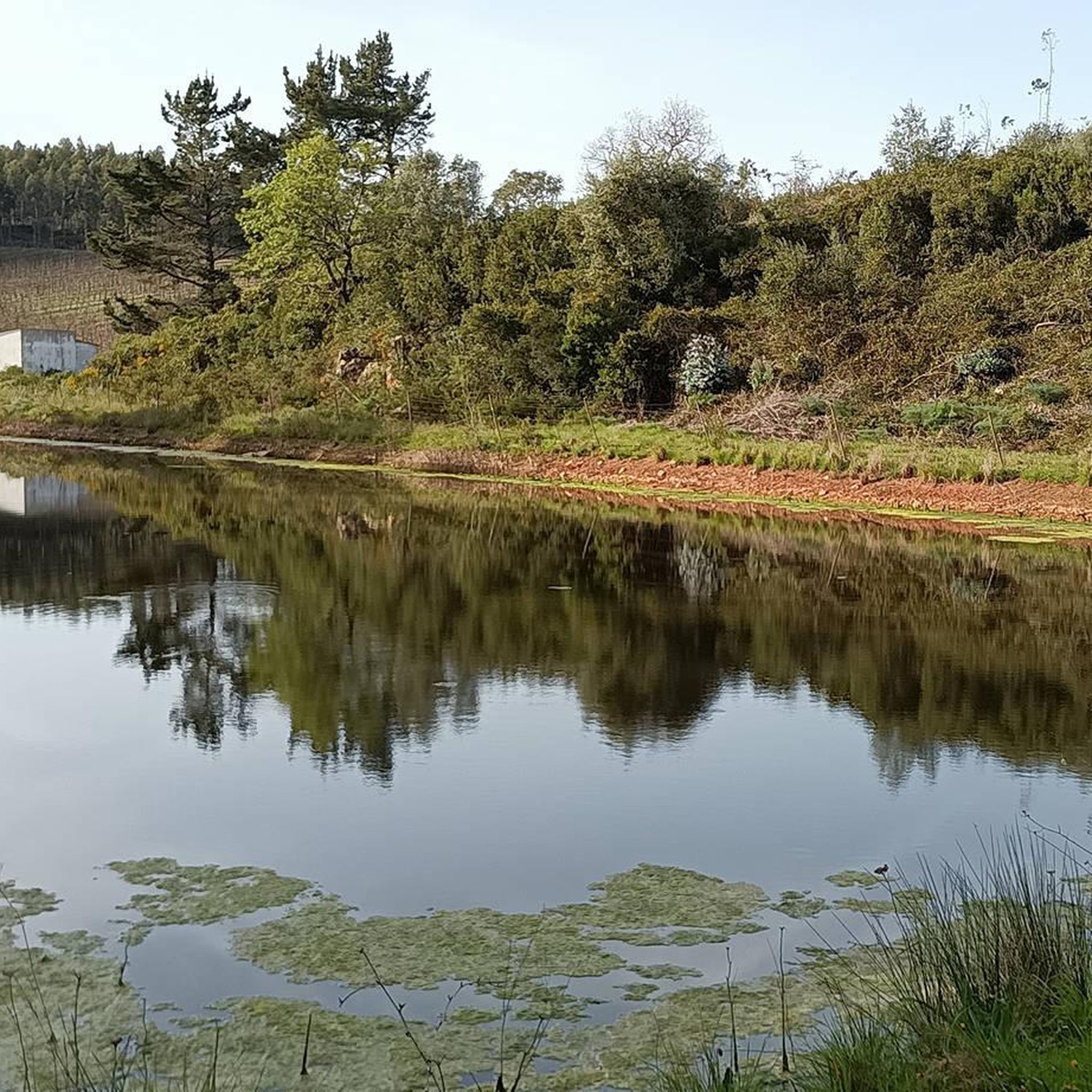
Paúl de Manique do Intendente is an area of around 97,000 square meters that constitutes a very rich natural heritage of great importance in terms of biodiversity, namely in terms of avifauna, already recognized at national level. It is an ecosystem composed of more than 180 species, where you can find 5 "simply unique" species such as the striped tortoise, the common caiman, the otter, the black stork and the reed. The municipality has been focusing on promoting this space, having recently advanced with the installation of an infrastructure for the observation of the fauna and flora of Pául, which aims to promote knowledge, protection and preservation of this unique and so rich ecosystem for the Municipality of Azambuja and for the entire region.
5
0
リオマイオアでのの人気観光スポット

komootモバイルアプリでインスピレーションを得よう


さらに探索
まだ探しているハイライトが見つかりませんか?他の地域のトップアトラクションのガイドを見てみましょう:
