ピルバウムのおすすめランニングルート
4.1
(27)
371
ランナー
55
ランニング
Pyrbaum周辺でのジョギングは、ファーバーヴァルトのような広大な森林やシュトラースミュール周辺のエリアなど、多様な景観を提供しており、景色の良い日陰のランニングに数多くの機会をもたらします。この地域はシュヴァルツァッハ川とラバー川が特徴で、そのほとりに沿って絵のように美しいルートを提供しています。近くにあるロートゼー湖には7.5マイル(12 km)のトレイルがあり、水辺の景色を楽しみながらの長距離ランニングに最適です。この変化に富んだ地形には、比較的平坦な道とかなりの高低差があるルートの両方が含まれており、さまざまな体力レベルに対応しています。
Pyrbaum周辺の最高のジョギングルート
- 最も人気のあるジョギングルートは、ゼーリゲンポルテン発のRooty Singletrack Trailループで、所要時間1時間15分、距離7.3マイル(11.8 km)です。この適度な難易度のルートは、森林地帯を抜ける自然の路面と変化に富んだ高低差の組み合わせを提供します。
- 地元ランナーに人気のもう一つのルートは、ペルバウム発のRooty Singletrack Trail – カーゴ城ループで、適度な難易度の7.0マイル(11.3 km)のルートです。このルートは広大な森林を抜け、カーゴ城の景色を眺めながら進むことが多いです。
- 地元ランナーに人気のもう一つのルートは、ゼーリゲンポルテン発のゼーリゲンポルテン修道院 – ゼーリゲンポルテン修道院教会ループで、所要時間約1時間13分、距離7.3マイル(11.8 km)の、変化に富んだ地形を抜けるトレイルです。
- Pyrbaum周辺でのジョギングは、広大な森林、景色の良い川、そして魅力的なロートゼー湖によって特徴づけられます。このネットワークは、簡単な道からより挑戦的なルートまで、さまざまなレベルのオプションを提供します。
- Pyrbaumのルートは、24件以上のレビューから平均4.0つ星の評価を得ており、komootコミュニティから高く評価されています。400人以上のランナーがkomootを利用して、Pyrbaumの多様な地形を探索しました。
最終更新日: 10月 8, 2026
3.0
(1)
27
ランナー
11.7km
01:14
40m
40m
中程度のジョギング. ある程度のフィットネスレベルが必要です。 全般的に舗装された状態です。あらゆるスキルレベルに適しています。
24
ランナー
11.0km
01:09
50m
50m
中程度のジョギング. ある程度のフィットネスレベルが必要です。 全般的に舗装された状態です。あらゆるスキルレベルに適しています。

5.0
(1)
20
ランナー
8.22km
00:51
40m
40m
中程度のジョギング. ある程度のフィットネスレベルが必要です。 全般的に舗装された状態です。あらゆるスキルレベルに適しています。
25
ランナー
14.0km
01:27
60m
60m
中程度のジョギング. ある程度のフィットネスレベルが必要です。 全般的に舗装された状態です。あらゆるスキルレベルに適しています。
18
ランナー
11.5km
01:12
50m
50m
中程度のジョギング. ある程度のフィットネスレベルが必要です。 全般的に舗装された状態です。あらゆるスキルレベルに適しています。
さらに多くのルートや他のユーザーのおすすめ情報を確認できます。
すでにアカウントをお持ちですか?
おすすめのツアーは他のkomootユーザーが実際に経験した何千ものアクティビティに基づいています。
無料アカウントで今日から始めよう
次の冒険が待っています。

コミュニティからのヒント

美しいシングルトレイル、ほとんどの横たわる木は迂回できます。WW 4と表示されています。
0
0

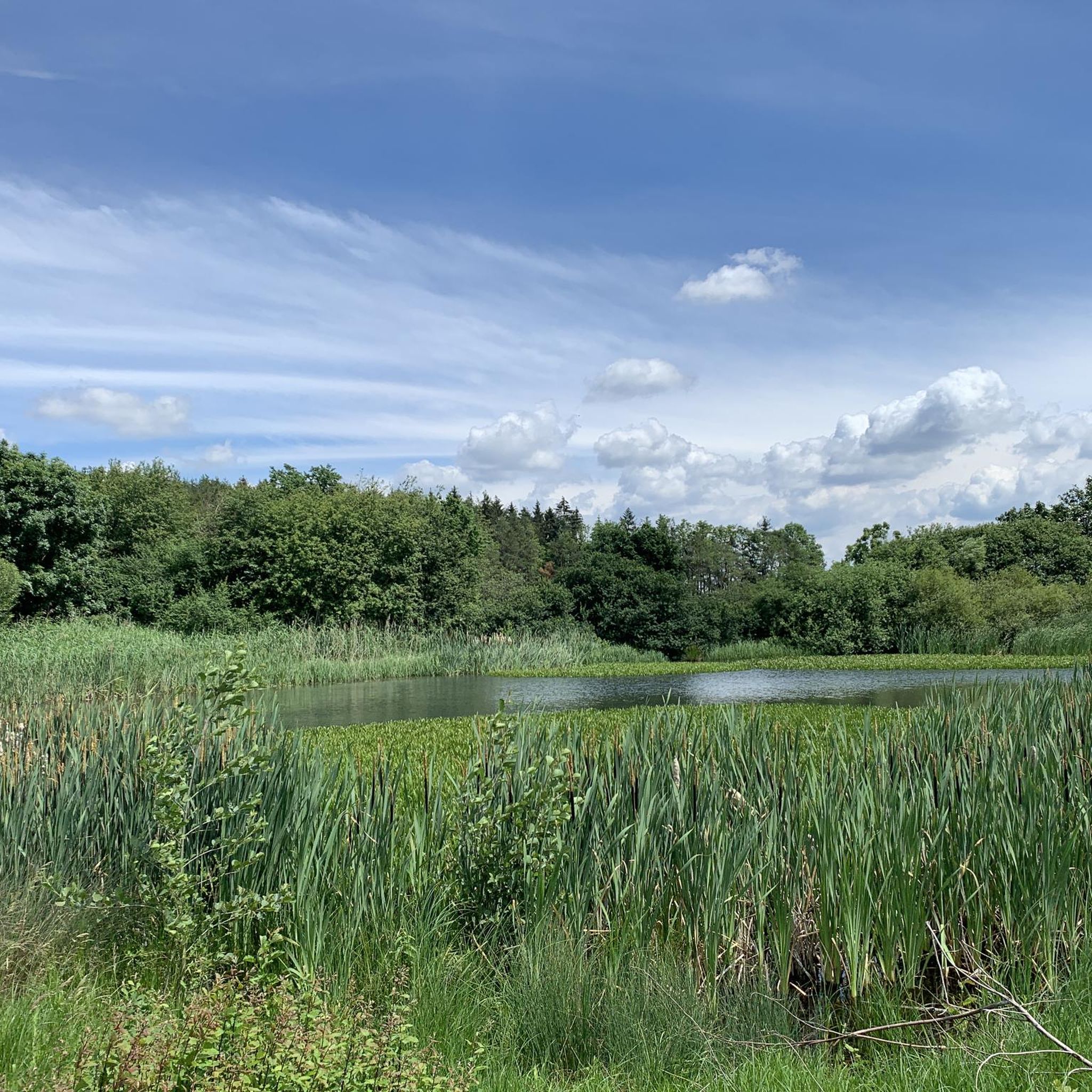
森の中の美しい自転車歩行者道。ここにはMöninger Bergが見えるMahlweiherがあります
0
0

Seligenporten Monastery The monastery, dedicated to the Blessed Virgin Mary, was founded in 1242 by Gottfried the Elder of Sulzbürg and his wife Adelheid of Hohenfels as a nunnery. In 1247, the monastery, then called "Felix Porta" ("fortunate/blessed gate"), was incorporated into the Cistercian Order through the mediation of the Archbishop of Mainz, and this was confirmed in 1249 by Bishop Heinrich of Eichstätt. In 1299, King Albrecht granted the monastery lower jurisdiction. The monastery was endowed by donations from the citizens of Sulzbürg and later from Wolfstein, as well as from the local nobility, and also served as the burial place for the Wolfstein family. Over the course of its more than 300 years, the Cistercian nunnery had further founders and patrons. Around 1500, the monastery's holdings comprised 350 properties with 650 subjects in over 20 villages, who were liable for taxes. It held the patronage rights for seven parishes and two chaplaincies. In the second half of the 15th century, the Electors of the Palatinate began to bring the Upper Palatinate monasteries under their rule. These monasteries, all heavily indebted and in dire financial straits, were powerless to resist. In 1550, Anna von Kuedorf, the last abbess of the Cistercian convent of Seligenporten, was forced to accept the Protestant church order of the Palatine Elector Ottheinrich. With her death in 1576, Seligenporten, the last abbey in the Palatinate, finally passed into the possession of the sovereign. After the annexation of the Upper Palatinate by Elector Maximilian of Bavaria, it was recatholicized, and the monastery was re-established in 1625. In 1671, the monastery was transferred to the Salesian convent in Amberg. In the course of secularization in 1803, the buildings and properties passed into private hands. Today, the former monastery church is the parish church of Seligenporten. Most of the buildings were demolished. The remaining monastery buildings were taken over in 1930/31 by the expelled Cistercians of Sittich Abbey, belonging to the Mehrerau Congregation. The community of monks, now established in Seligenporten, numbered 16 members in 1963, but was dissolved again in 1967. The former abbey church was restored between 1976 and 1979. In 2003, the former brewhouse of the old monastery brewery was renovated, and a new microbrewery was established. Source: Excerpts from www.wikipedia.de
4
0
Monastery Church of the Assumption of Mary The monastery church was originally dedicated to the Visitation of Mary and is now dedicated to the Assumption of Mary. The nave is stylistically dated to the late 13th century. The chancel likely dates from the first half of the 14th century. The elongated, plastered hall church with a slightly recessed chancel, measuring 54 meters in length, features stepped buttresses at the chancel. A gabled tower with a pointed spire on the west side is open at the bottom. The church is a single-nave structure with a large nuns' gallery and, below it, the burial vault (so-called crypt) for the founding families of Sulzbürg and Wolfstein. The design is simple, with high, bare walls and no paintings or sculptures to minimize distractions from prayer. By the mid-14th century, the church's clear tripartite division was complete: the nuns' church in the west, the lay church in the center, and the priests' church in the east. The nuns' primary duties consisted of choral prayer and work. It can therefore be assumed that the church and the monastic living quarters were the first buildings completed. Until the Reformation, almost all deceased members of the founding family were buried here, and the nuns prayed daily for their souls. Several gravestones from this period still exist. The nuns' choir stalls on the gallery have been preserved and are therefore unique in all of Europe. The Baroque altars that adorn the church were acquired around 1720 after all the paintings and altars were burned during the Reformation. The high altar was crafted by a carpenter named Ulrich Schäfer from Neumarkt; the sculptor of the figures is unknown. The altarpiece, "The Visitation of Mary," is by the Landshut painter Wolf Simon Groß. In the right side altarpiece, dating from the late 17th century, the Three Wise Men pay homage to the Christ Child, above which is a statue of the Archangel Michael with a flaming sword and scales. In the left side altar stands a statue of the Virgin Mary with the Christ Child at the center, flanked by the apostles Peter and Paul. Above, a guardian angel holds his hand over a child. On the north wall of the nave is a dynamic, life-size group of figures dating from 1762, depicting the crucifix with John Nepomuk, accompanied by a putto and an angel. Source: Excerpts from www.wikipedia.de / https://www.pfarrei-seligenporten.de
4
0
The cycle path leads directly past Kargo Castle. There is a circular path around the fence around the castle.
1
0

As far as I know it was called Allersberger Boggala.
3
0

Train station on the former Burgthann - Allersberg railway line
1
0

komootモバイルアプリでインスピレーションを得よう


さらに探索
他の地域の最高のランニングトレイル & ルートを見てみましょう。
