ゾイケンドルフのおすすめランニングルート
4.0
(9)
434
ランナー
42
ランニング
ゾイケンドルフでランニングを楽しめば、このエリアをより深く知ることができます。ランニングに適した美しいルートが見つかるように、komootがゾイケンドルフでのルートのコレクション全体を評価して選び抜いた、人気ランニングトレイルをご紹介します。ルートをクリックして詳細を表示し、他のユーザーがアップロードした役立つ情報や写真を閲覧しましょう。
最終更新日: 10月 14, 2026
3.0
(1)
75
ランナー
5.60km
00:35
20m
20m
中程度のジョギング. ある程度のフィットネスレベルが必要です。 全般的に舗装された状態です。あらゆるスキルレベルに適しています。
5.0
(2)
37
ランナー
8.82km
00:56
70m
70m
中程度のジョギング. ある程度のフィットネスレベルが必要です。 全般的に舗装された状態です。あらゆるスキルレベルに適しています。

19
ランナー
10.9km
01:09
50m
50m
中程度のジョギング. ある程度のフィットネスレベルが必要です。 全般的に舗装された状態です。あらゆるスキルレベルに適しています。
19
ランナー
8.95km
00:56
50m
50m
中程度のジョギング. ある程度のフィットネスレベルが必要です。 全般的に舗装された状態です。あらゆるスキルレベルに適しています。
15
ランナー
16.9km
01:47
110m
110m
難しいジョギング. 標準以上のフィットネスレベルが必要です。 全般的に舗装された状態です。あらゆるスキルレベルに適しています。
さらに多くのルートや他のユーザーのおすすめ情報を確認できます。
すでにアカウントをお持ちですか?
おすすめのツアーは他のkomootユーザーが実際に経験した何千ものアクティビティに基づいています。
無料アカウントで今日から始めよう
次の冒険が待っています。
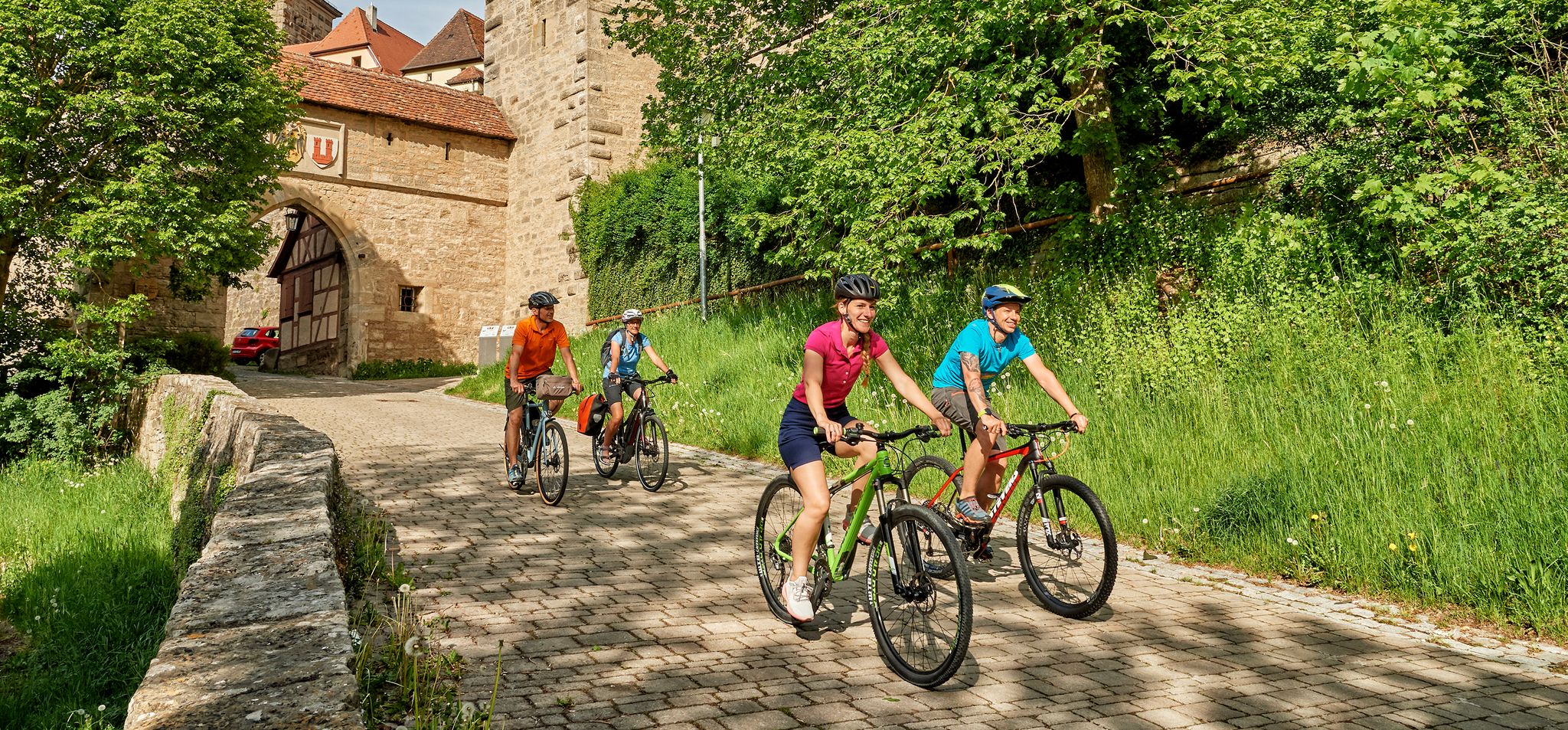
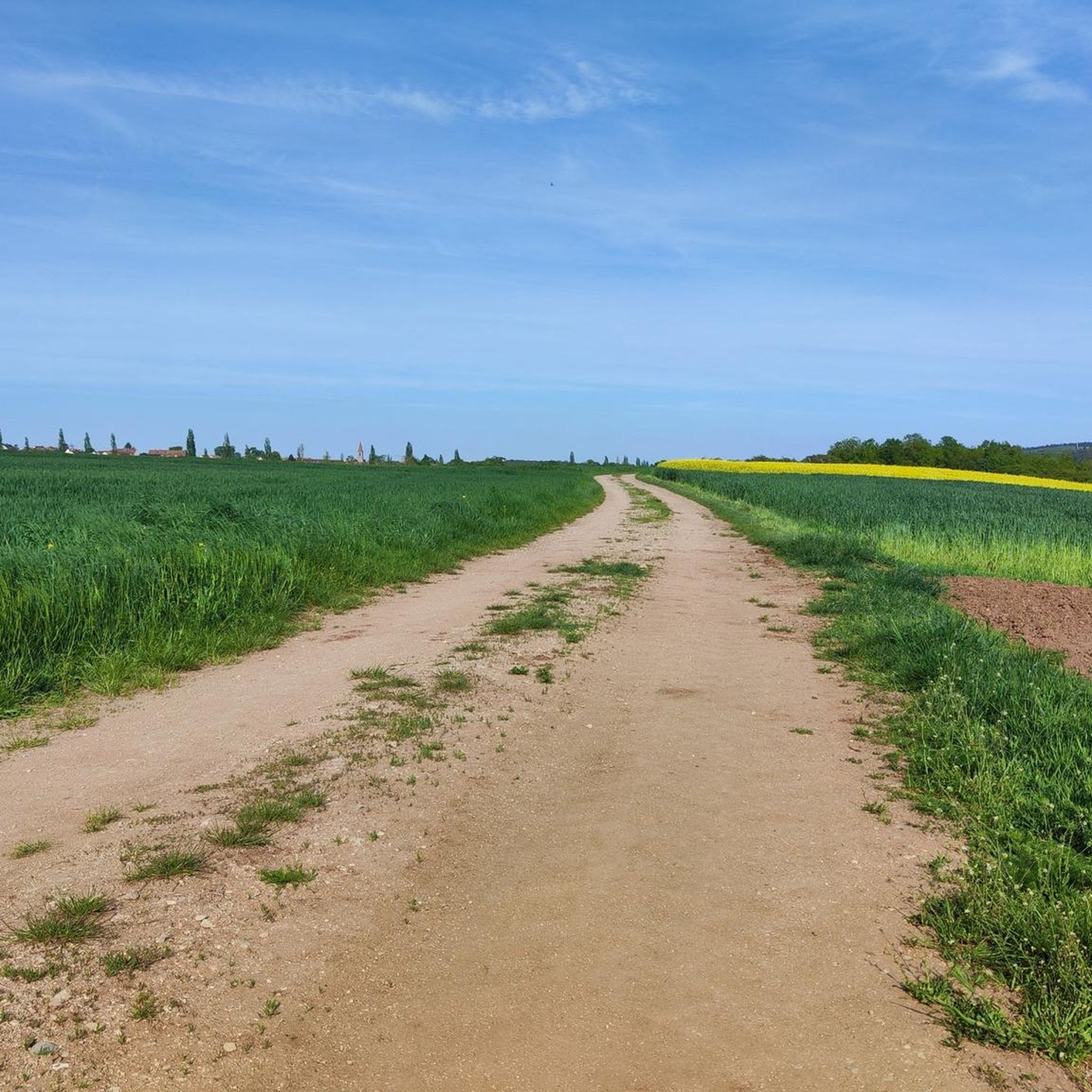
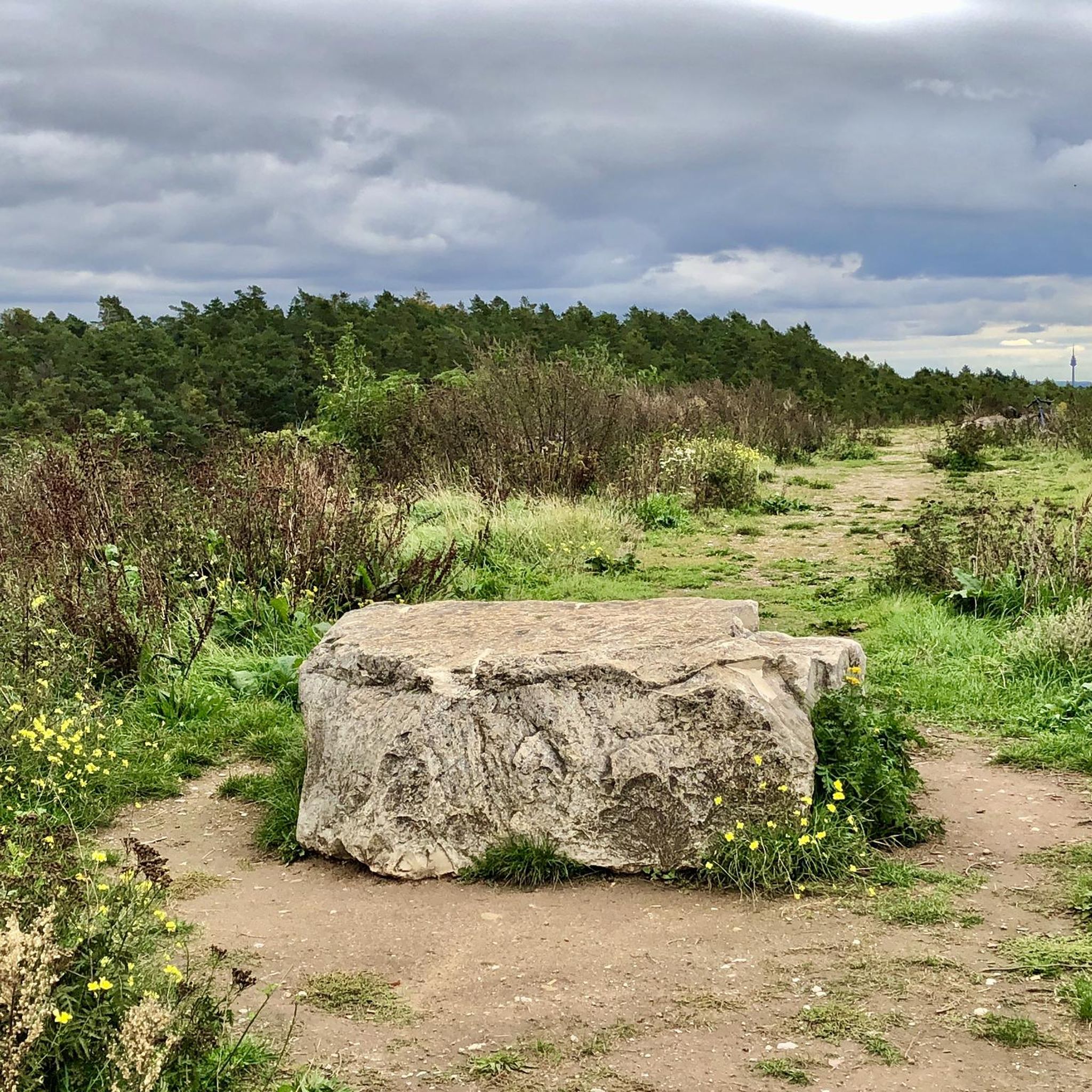
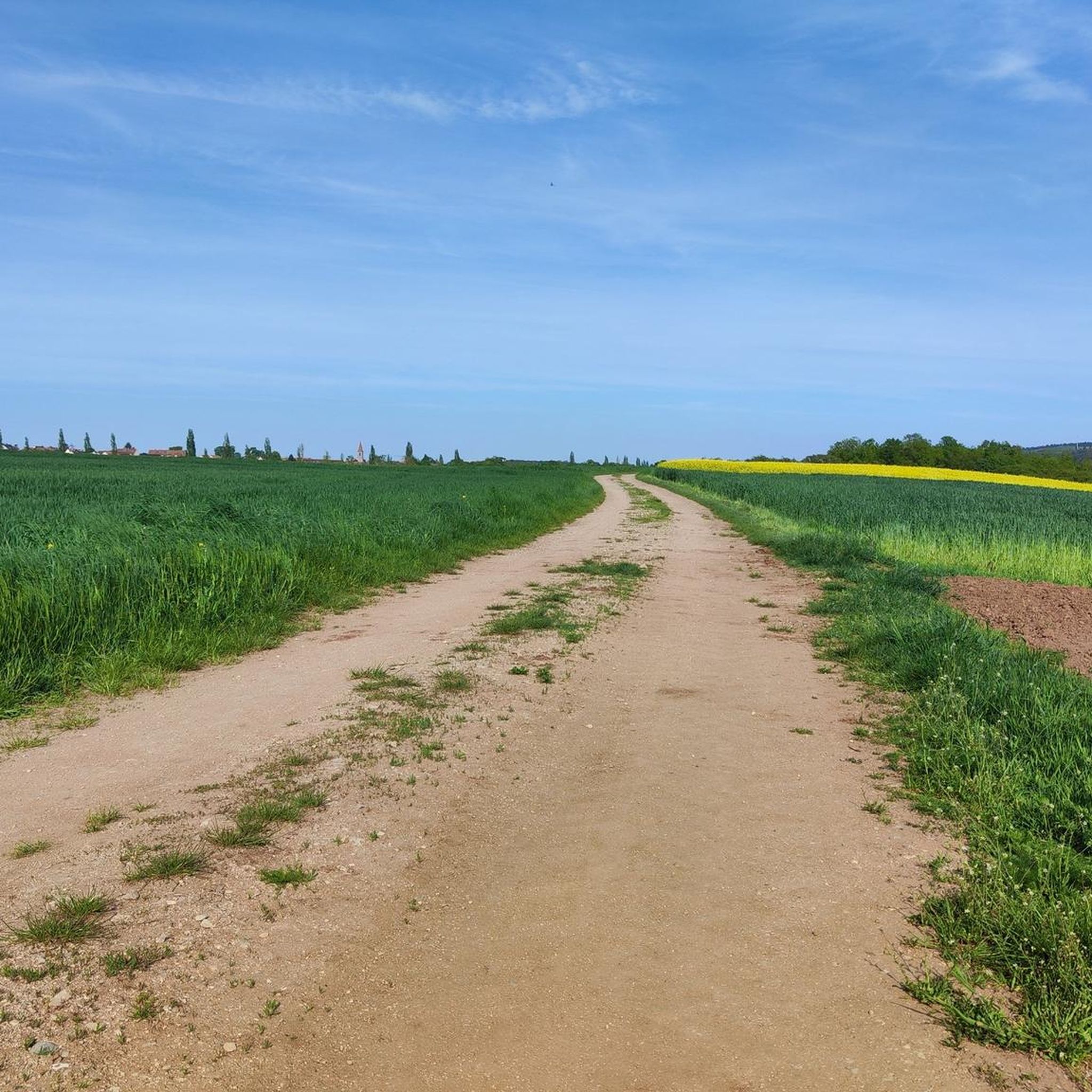

コミュニティからのヒント

The Zirndorf municipal forest is a large wooded area south of Fürth and Zirndorf and is one of the most popular recreational areas in the region. Numerous walking and cycling paths crisscross the area.
1
0

Original kindergarten located directly in nature
0
0

The Rennweg goes from Egersdorf to Oberfürberg (3Km) completely through the forest
1
0


In Kreppendorf it is worth taking a break on the beautiful village square with bus shelter, milk house and playground with a bench under a large tree.
0
0

Milk collection points (locally in southern Germany also Milchhäusl or Milchhäusle) used to be collection points for farmers in a certain area, to which they delivered their milk. From there it was collected and transported to bulk buyers. Most of the milk collection points were built in the 1930s. Before that, the milk was mostly collected by horse and cart from the individual milk-supplying farms. After the milk collection points were set up, mostly at a central location in the village, the milk was delivered there by the individual farmers. The buildings were used to collect and cool the milk until it was transported onward. The delivery conditions also made the milk collection points a social meeting place in many places.[1] The importance of milk collection points steadily decreased in the second half of the 20th century as a result of structural change and ever decreasing milk production. Depending on the region, the buildings in Germany and Switzerland became so unprofitable in the 1970s to 1990s that their operation was gradually discontinued.[2] The remaining buildings, mostly easily recognizable to this day by their typical ramp with stairs, often stood empty after their function as a milk collection point, until they were either demolished or converted. Today they often contain youth clubs, cultural meeting places or small bars. Source: Wikipedia
3
0
A really impressive bridge that goes over the street - you don't see that often
1
0

The railway bridge on the Nuremberg – Würzburg line over the Main-Danube Canal was built between September 1968 and July 1970 directly to the north of the old line that was in operation. The crossing canal bed had not yet been established at this time. The two adjacent steel lattice girder constructions are each approx. 100 m long. The construction costs amounted to 3.41 million DM. Shortly after it went into operation, complaints from residents about the noise, which could be heard right into “their own home”, increased. The bridge was therefore also called "Thunder Bridge". After 18 months, the engineers had managed to reduce the noise to a tolerable level. I seem to remember that the inside of the steel structure was filled with insulating material, but I couldn't find any information on this.
0
0
ゾイケンドルフでのの人気観光スポット

komootモバイルアプリでインスピレーションを得よう


さらに探索
他の地域の最高のランニングトレイル & ルートを見てみましょう。
