ヴェルダプビオのおすすめツーリングルート
4.8
(69)
1,059
ライダー
23
ライド
ヴェルダプビオ周辺でのおすすめのサイクリングルートを参考にして、このエリアを最大限に楽しみましょう。ここでご紹介するのは、ヴェルダプビオ周辺の人気バイクライドです。ぜひ、自分に合ったルートを見つけてください。
最終更新日: 10月 9, 2026
4.8
(12)
179
ライダー
84.1km
06:23
2,120m
2,120m
難しい自転車ライド. 標準以上のフィットネスレベルが必要です。 全般的に舗装された状態です。あらゆるスキルレベルに適しています。
5.0
(6)
72
ライダー
40.9km
03:05
1,020m
1,020m
難しい自転車ライド. 標準以上のフィットネスレベルが必要です。 全般的に舗装された状態です。あらゆるスキルレベルに適しています。

4.5
(2)
37
ライダー
24.1km
01:30
250m
250m
中程度の自転車ライド. ある程度のフィットネスレベルが必要です。 全般的に舗装された状態です。あらゆるスキルレベルに適しています。
22
ライダー
18.1km
01:35
670m
670m
難しい自転車ライド. 標準以上のフィットネスレベルが必要です。 全般的に舗装された状態です。あらゆるスキルレベルに適しています。
19
ライダー
27.0km
01:45
320m
320m
中程度の自転車ライド. ある程度のフィットネスレベルが必要です。 全般的に舗装された状態です。あらゆるスキルレベルに適しています。
さらに多くのルートや他のユーザーのおすすめ情報を確認できます。
すでにアカウントをお持ちですか?
おすすめのツアーは他のkomootユーザーが実際に経験した何千ものアクティビティに基づいています。
無料アカウントで今日から始めよう
次の冒険が待っています。
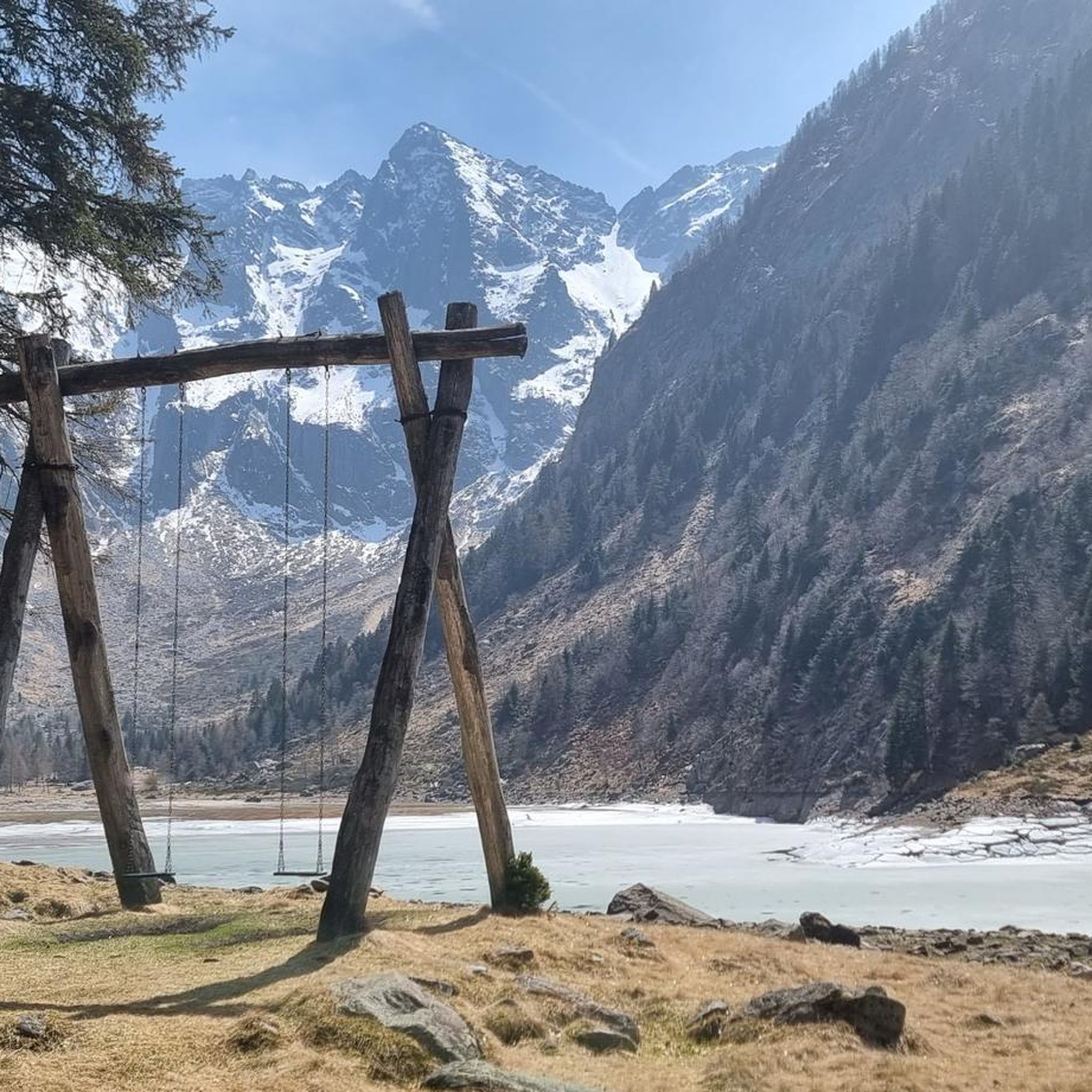
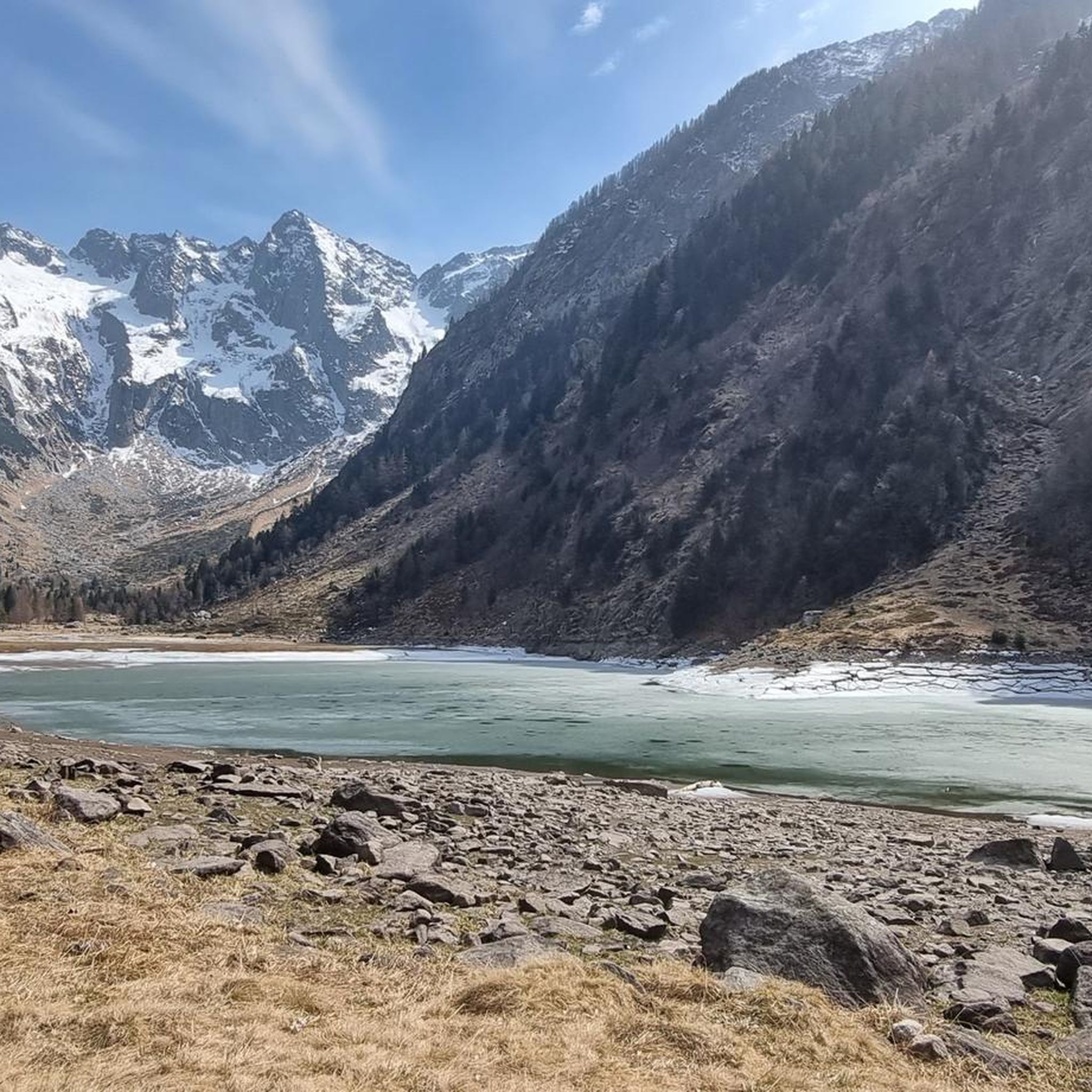
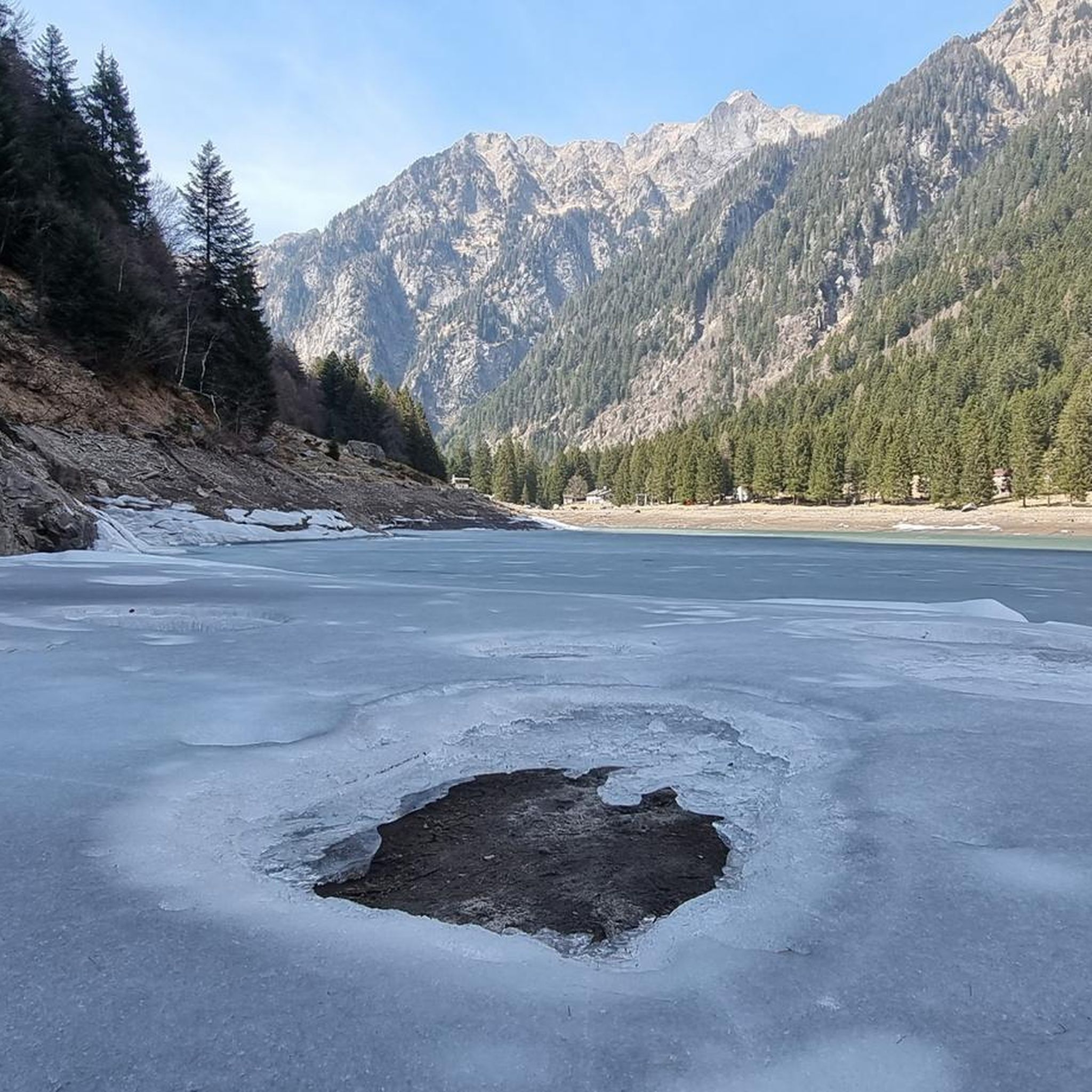


コミュニティからのヒント

素晴らしい自然と、峠道からは見えない多くの景色
0
0

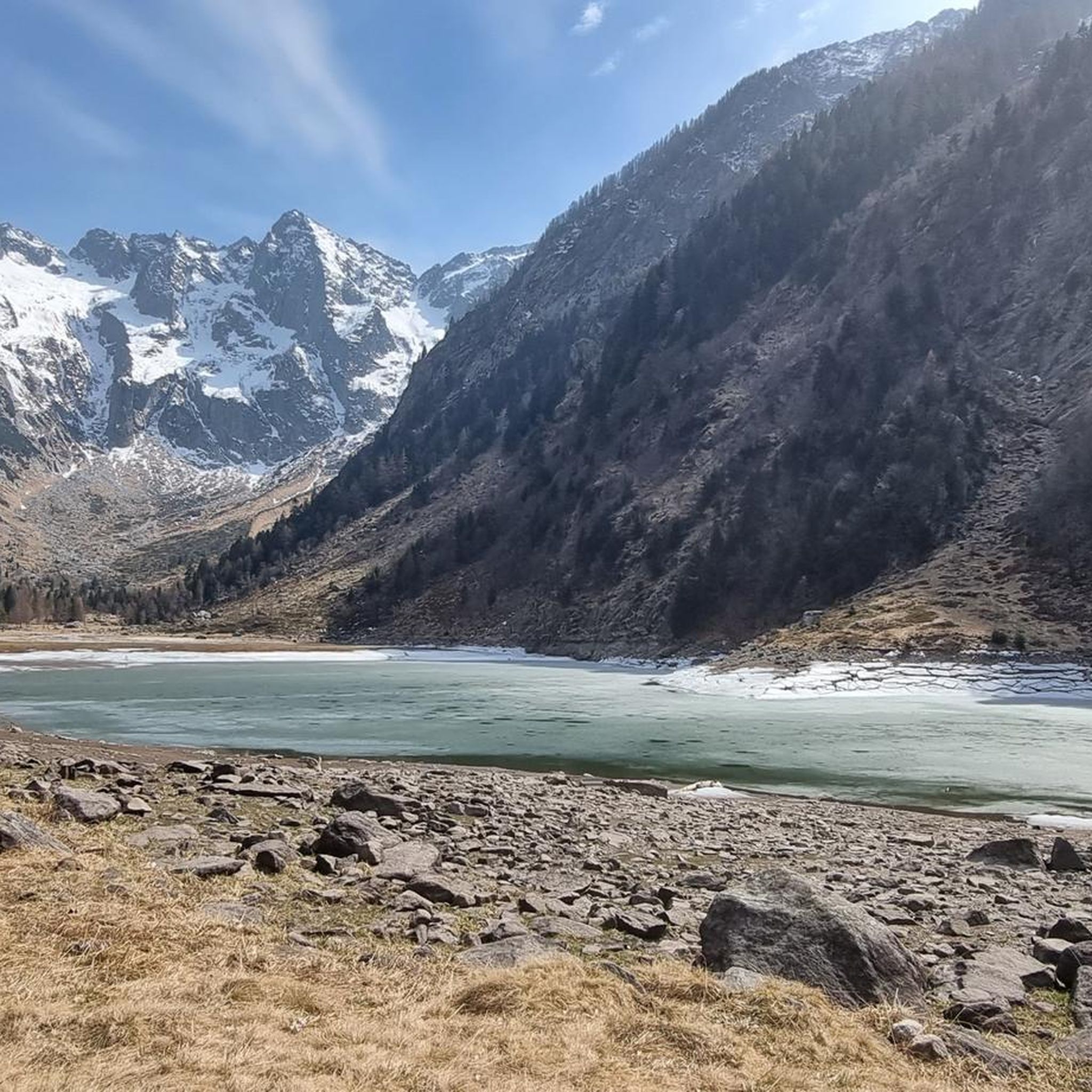
サン・ベルナルディーノ峠は、ミゾールクスとラインヴァルトを結び、標高2,066メートルに位置しています。峠の頂上にはレストランとバス停があり、アクセスが容易です。 小さな湖と広大なエリアがある開けた高山の風景は、休憩に適しています。
0
0

Stage 7: San Bernardino – Bellinzona An exhilarating descent through the Mesolcina Valley. Eagerly absorbing the mild southern climate. In Mesocco, cyclists enjoy the largest ruin in Switzerland and, at the end of the tour, in Bellinzona, the defiant towers and walls of the tre castelli. Refreshed, they follow the rushing Moësa River out of the lively resort town of San Bernardino. The 46-kilometer-long tributary of the Ticino rises at the San Bernardino Pass and gives its name to the Mesolcina Valley (Misox). Although Italian is spoken in the valley, as in the Poschiavo and Bregaglia valleys, it has always maintained close ties to Graubünden. In the smaller villages, where many of the houses are covered with stone slabs, time seems to have stood still. You hardly stop on your bike during the rapid descent towards the south. Surrounded by rocky cliffs, you roar along a well-maintained road with countless skid marks. The highway, which practically hangs from the mountain, seems a bit surreal. Later, a varied side road leads down to Mesocco. Magnificent views of the valley are revealed. Below the village, perched on a rocky outcrop, are the ruins of the Castello di Mesocco, the 11th-century ancestral castle of the Count of Misox. It is considered one of the most important in Graubünden and the largest in Switzerland. Roveredo is the main town in the lower Misox Valley. And what could be nicer here than a break in a cool grotto, enjoying a typical lunch menu and a glass of local wine? The village also boasts several beautiful 17th-century houses, such as the one designed by local architect and builder Enrico Zuccalli. A secluded stretch follows near Lumino, just after crossing the highway and the river. A forest path leads along the Moësa River over hill and dale. Passing an inviting forest garden grotto and some secluded swimming spots, you reach Arbedo-Castione. Here, the Moësa flows into the Ticino River. Text / Source: Schweizmobil.ch https://schweizmobil.ch/de/veloland/route-6/etappe-7
14
0
Mesocco Castle San Bernardino Castle Mesolcina Calanca The ruins of Mesocco Castle stand on top of an imposing rocky hill that rises steeply from the valley floor. This imposing fortress stands in the center of the valley, forcing the Moesa River into a wide bend in a narrow, impassable gorge, leaving only a narrow passage to the west. Mesocco Castle is protected on three sides by steep cliffs. Only to the northeast, on the upstream side of the valley, does the slope slope more gently. Climbing up the old access road to the castle from the north side, you first reach the Church of St. Maria del Castello and are already on the castle grounds, which were once surrounded by a defensive wall. The impressive ruins consist mainly of the remains of defensive works built in the last decades of the 15th century, i.e., during the final phase of the castle's life. Among them are numerous ruins from earlier eras, so that the castle's current appearance reveals its eventful history, which has its roots in the early Middle Ages. Graubünden Ferien, Alexanderstrasse 24, 7001 Chur https://www.graubuenden.ch/de/ausflugsziele/castello-di-mesocco
14
0

After a short climb you reach the entrance
1
0
Torre di Santa Maria The medieval residential tower was built in the 13th/14th century by the Counts of Sax. Overlooking the valley floor of the Misox, it was part of a territorial control system. The pentagonal tower is inspired by architectural models from central France. Text / Source: Raetia Association, grisun & romanisch https://www.visit-moesano.ch/de/chiesa-parrocchiale-santa-maria-assunta
14
0
The village of Santa Maria, with its parish church mentioned as early as 1219, was the religious and political capital of the Calanca Valley. The church's current appearance dates back to the early seventeenth century, a time when Capuchin monks settled in the adjacent hospice. The church of Santa Maria Assunta is a Romanesque religious building. Text / Source: Raetia Association, grisun & romanisch https://www.visit-moesano.ch/de/chiesa-parrocchiale-santa-maria-assunta
14
0
Torre di Santa Maria The medieval residential tower was built in the 13th/14th century by the Counts of Sax. Overlooking the valley floor of the Misox, it was part of a territorial control system. The pentagonal tower is inspired by architectural models from central France. Text / Source: Raetia Association, grisun & romanisch https://www.visit-moesano.ch/de/chiesa-parrocchiale-santa-maria-assunta
14
0

komootモバイルアプリでインスピレーションを得よう


さらに探索
他の地域の最高のサイクリングルートを見てみましょう。
