ドーバーズドルファー湖周辺のアトラクション&必見スポット - トップ12
ドーバーズドルファー湖には必見のスポットがたくさんあります。ハイキング愛好家やサイクリング愛好家の方は、ぜひドーバーズドルファー湖を探索してこのエリアにある12
の隠れたスポットを訪れてみてください。このエリアの必見スポットを確認し、次の冒険に出かける計画を立てましょう。
最終更新日: 10月 9, 2026
ドーベルスドルファー湖畔レクリエーションエリア
ハイライト • 湖
翻訳者 Google •
役立つ情報 は

ドーバースドルファー湖
ハイライト • 湖
翻訳者 Google •
役立つ情報 は
今すぐサインアップして、こんな場所を発見しよう
最高のシングルトラック、ピーク、その他のエキサイティングなアウトドアスポットのおすすめを受け取ろう。
ドーバースドルフの水浴場にあるユーティリティボックスの壁画
ハイライト • 記念碑
翻訳者 Google •
役立つ情報 は

フィッシングクラブ・シュレセン
ハイライト • 湖
翻訳者 Google •
役立つ情報 は
TökendorfとDobersdorfの間のトレイル
ハイライト (セグメント) • トレイル
翻訳者 Google •
役立つ情報 は

無料でサインアップして、さらに多くの観光スポットを発見しましょう ドーバーズドルファー湖での。
すでにアカウントをお持ちですか?
無料アカウントで今日から始めよう
次の冒険が待っています。
コミュニティからのヒント

Spring is the time for predatory fishermen. Pike hunt in the reedbeds and shore areas, along the steep edges. They are best caught in shallow waters with spinners or spoons, and at somewhat deeper depths with wobblers or dead bait. Perch swim in sometimes large schools, usually along the rocky ledges and perch mounds, and can be caught with both artificial bait and bait. Zander are most active during this time of year, hunting in the early evening hours both in the shallow, rocky shore areas and at greater depths. In summer, the predators become increasingly sluggish and move almost exclusively to deeper areas. This is the time for coarse fish, carp, and eel anglers. Roach, rudd, bream, and silver bream, and occasionally tench, can be caught off the reed edges with floats and worms or maggots. The bream sometimes reach a considerable size here. Carp now mainly frequent the shallow bays. Catching them, however, isn't easy. The most effective method here is certainly fishing with a float and natural bait. Some success has also been achieved with corn. The best time for eel is probably late summer. Using worms or bait, it's important to find the right depth and the right night.
3
0
The natural area features numerous protected areas in almost all protection categories. Only a small number of areas are designated as true nature reserves, including the Alter und Neuer See bird sanctuary south of Sulzheim-Mönchstockheim. Another larger area is the Dürrfelder and Sulzheimer Wald fauna-flora habitat, which is also one of the largest forest areas within the Steigerwald foothills. The area is also part of the Schweinfurt Basin and Northern Steigerwald Foothills bird sanctuary.
19
1
The lake is leased by the Schleswig-Holstein State Sports Fishing Association. Apart from two small shore fishing spots in Tökendorf, fishing is only permitted from rowing boats.
15
1
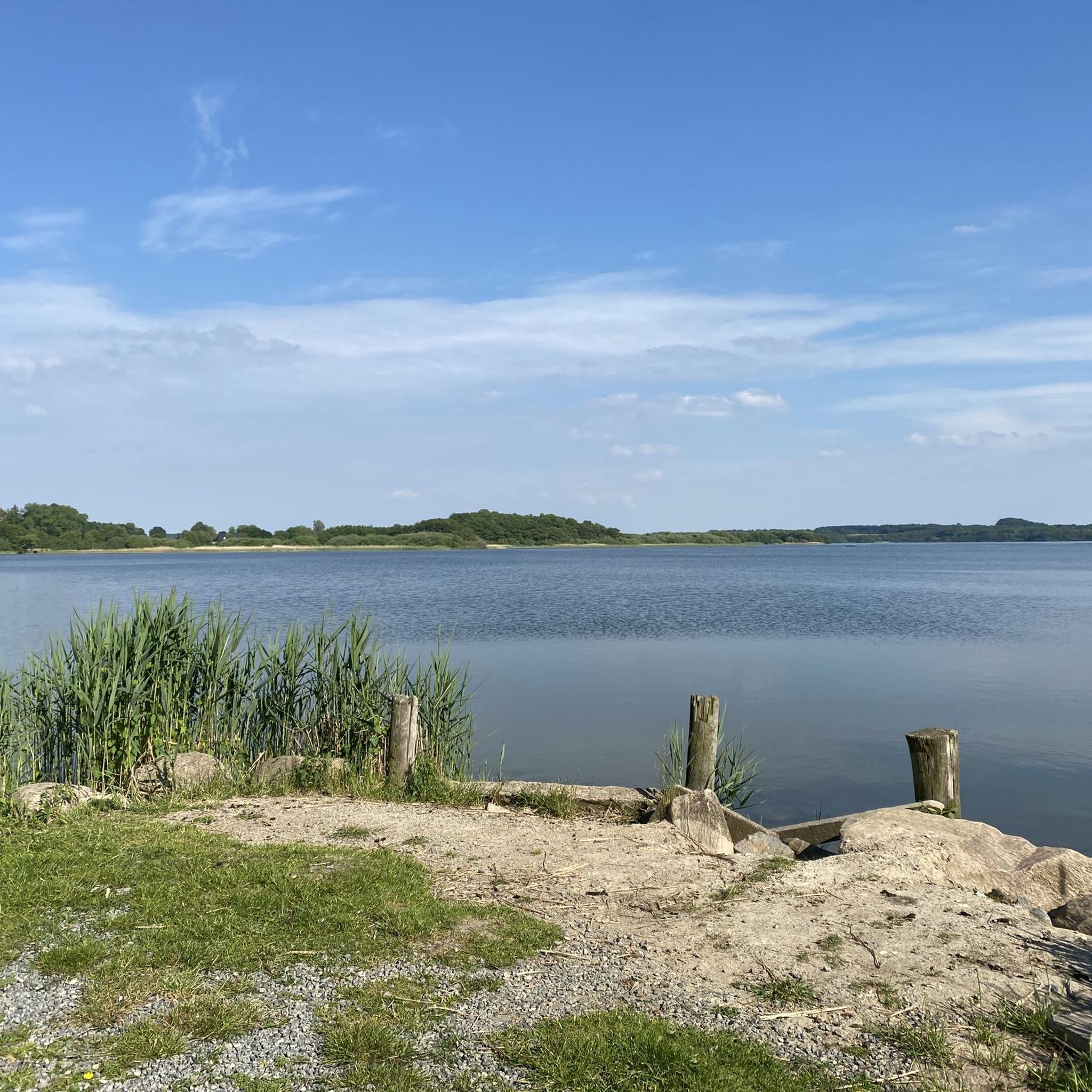
There is an official bathing area on the lake in Schlesen and Tökendorf, but problems with blue-green algae and cercariae regularly occur there.
16
1
Water sports Edit The use of the lake for water sports is severely restricted by the owner. Surfing and canoeing are strictly prohibited. Sailing is permitted only by residents with written permission and for a fee, which no one currently uses. Otherwise, the lake may only be used for fishing with rowboats licensed by the State Fishing Association.
15
1
According to fishing results from 1992 and 1993, the lake appears to have only a low fish density. According to the investigation, this is probably due to a lack of food for the young fish, caused by low zooplankton densities. In terms of biomass, the lake has stocks of the following species in descending order of fishery importance: bream, roach, perch, pike-perch, pike, carp and eel. There is also evidence of rudd, silver bream, gudgeon, ruffe, burbot, tench, crucian carp and mudminnow. There is no known recapture of the large whitefish that were introduced as stock a few years ago, which would indicate a possible stock.
15
1
The lake's shores, some of which are protected, are breeding grounds for many bird species. Regular breeding birds include white-tailed eagles, bitterns, marsh harriers, goldeneyes, red-crested pochards, teals, tufted ducks, mallards, coots[3], mute swans, Egyptian geese, greylag goose, Canada goose, great reed warblers, marsh warblers, sedge warblers, reed warblers, great crested grebes, herring gulls, black-headed gulls, and cuckoos. The lake is also an important moulting site for tufted ducks. A natural spectacle regularly observed in autumn is flocks of starlings, sometimes numbering in the tens of thousands, which, after spectacular flight maneuvers, seek roosting grounds in the lake's reed belt. Another natural spectacle, this time in winter, is the incursion of sometimes thousands of cormorants, especially during periods of marginal ice formation on the nearby Baltic coast.
15
1
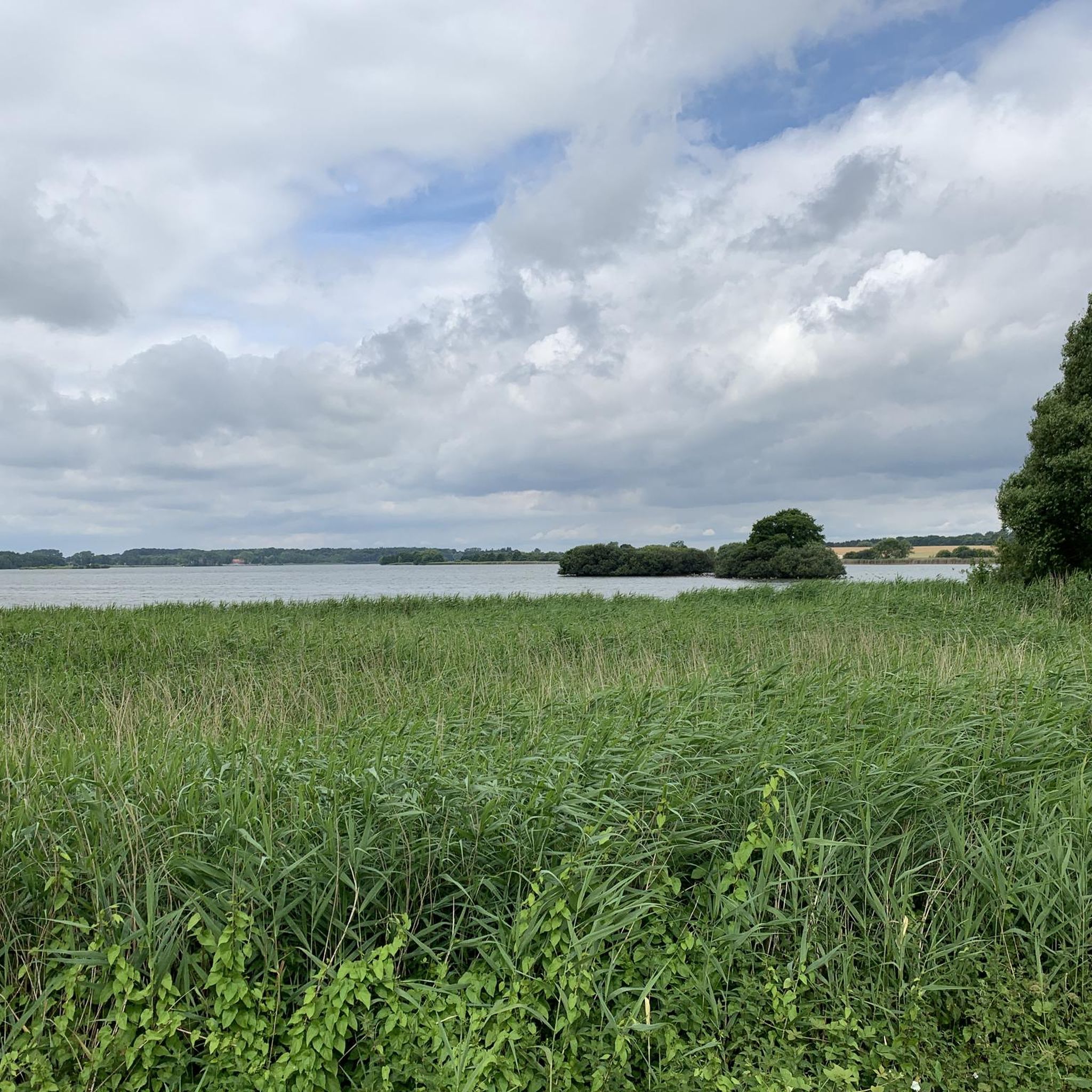
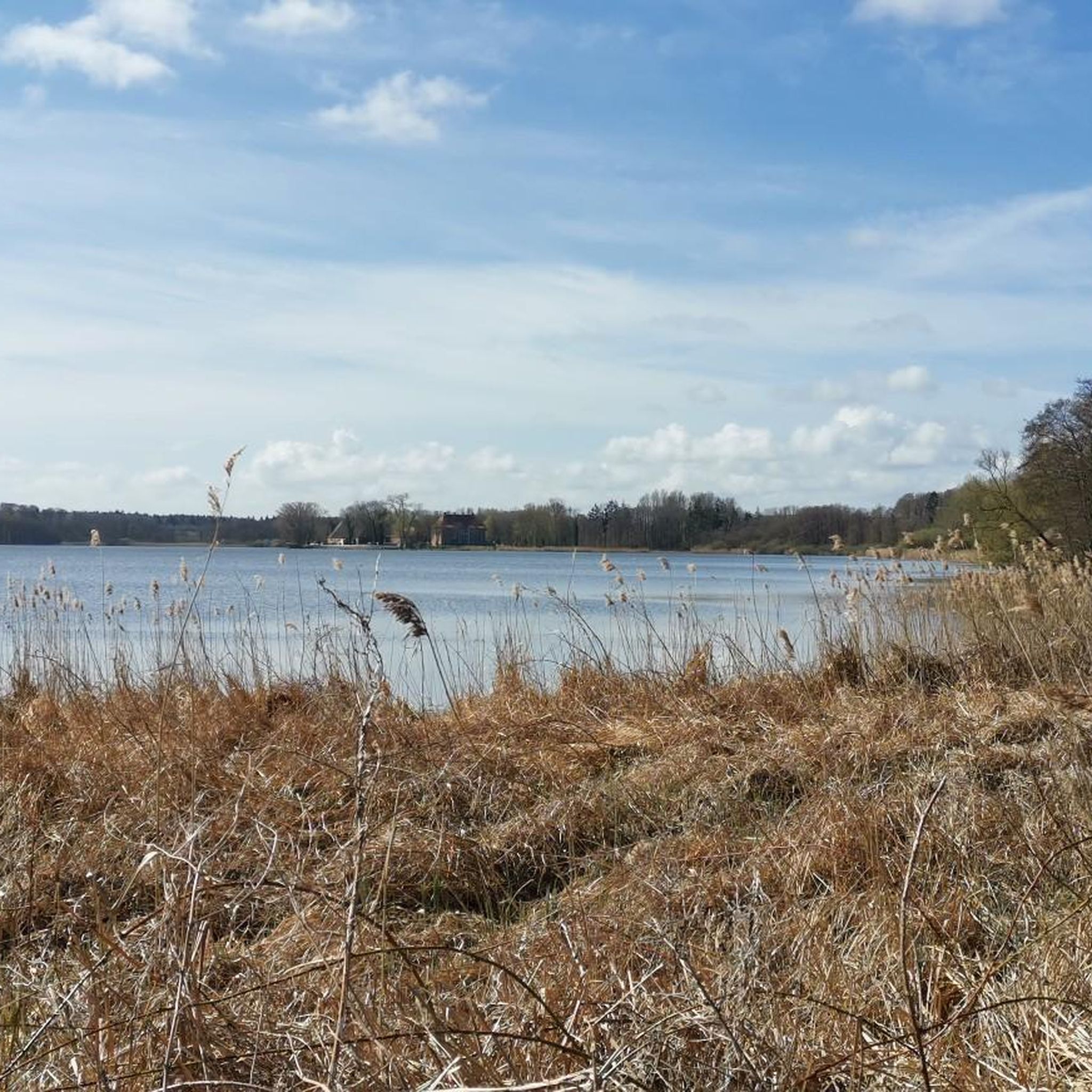
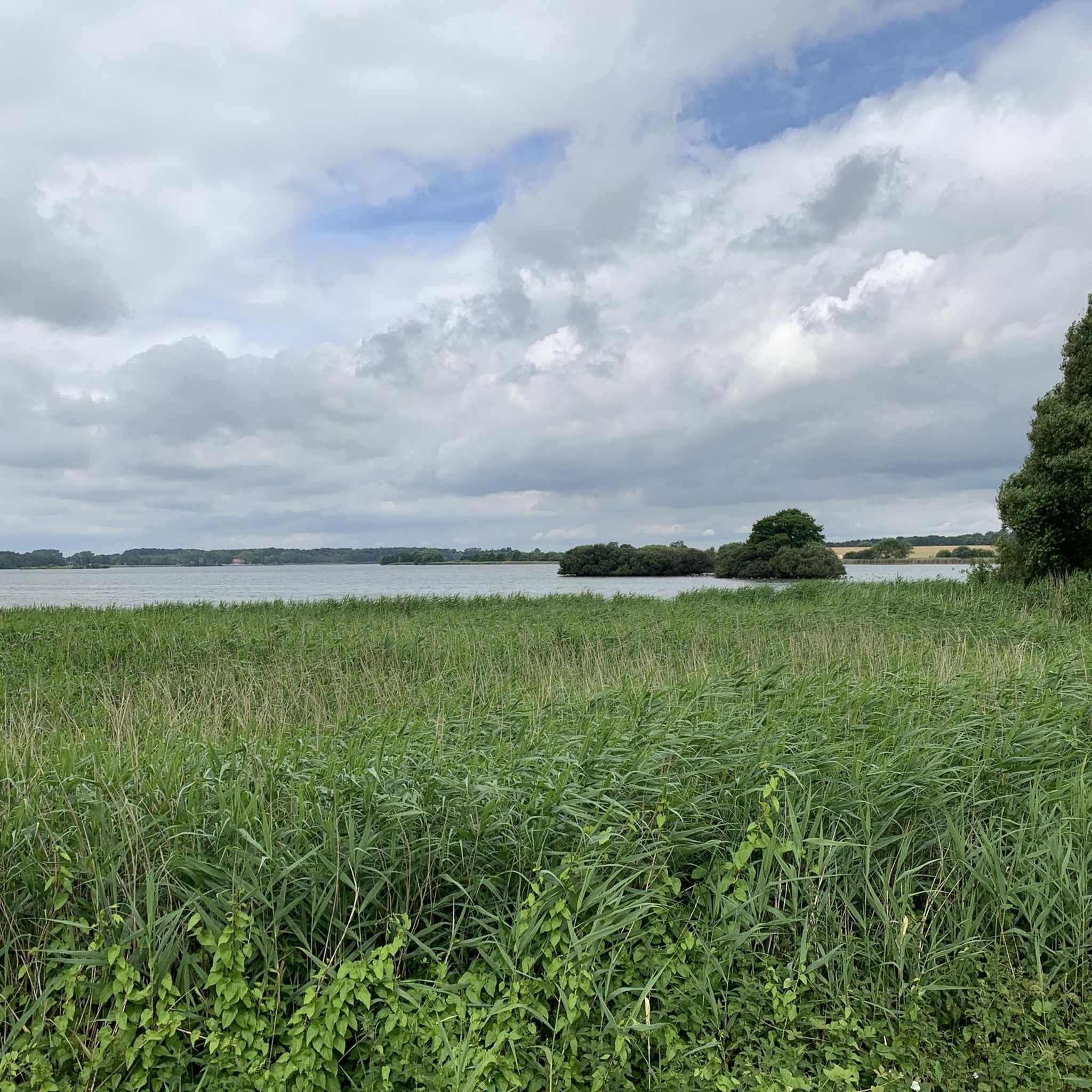
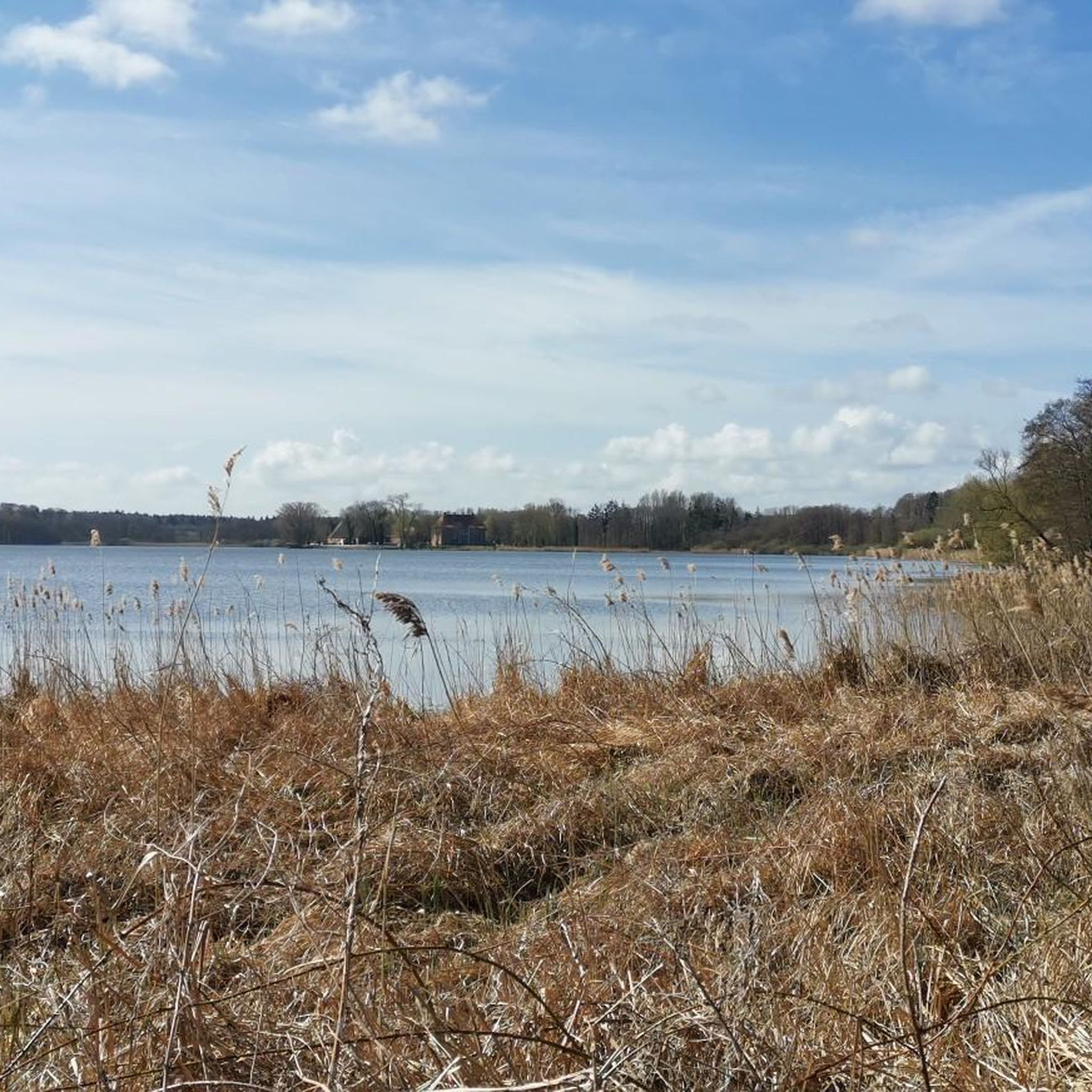
There is a reed belt in the shore regions. The dominant species there is the common reed. The widest reed beds are on the western side of the lake, while on the southern side there is a silting area dominated by floating-leaf plants of various species. A study in 1991 identified 18 reed species and 14 submerged species. The lake was classified as eutrophic in a scientific study. The water is therefore cloudy and mostly colored by various algae.
18
1
ドーバーズドルファー湖でのの人気ルート
ドーバーズドルファー湖でのの人気観光スポット

komootモバイルアプリでインスピレーションを得よう


さらに探索
まだ探しているハイライトが見つかりませんか?他の地域のトップアトラクションのガイドを見てみましょう:
