ロットエガロンヌ周辺のおすすめシティハイキング&ウォーキング
4.4
(2791)
12,966
ハイカー
20
ハイキング
都市ハイキングコースのあるロット=エ=ガロンヌ県では、川、運河、歴史的な町々が特徴的な景観を巡ります。この地域にはロット川とガロンヌ川があり、しばしば運河・デ・ドゥ・メールのような緑道が伴い、ほとんど平坦でアクセスしやすい道を提供しています。ハイカーは、多様な都市の景観を提供する、魅力的な中世のバスティッド(要塞化された町)やなだらかな丘陵地帯を探索できます。これらの水路、歴史的建造物、そしてアクセスしやすい地形の組み合わせは、ロット=エ=ガロンヌ県を多様な都市ウォーキング体験に適したものにしています。
ロット=エ=ガロンヌ県のおすすめ都市ハイキングコース
- 最も人気のある都市ハイキングコースは、アジャン発の Pont de Courpian – Agen Aqueduct ループで、距離は5.5マイル(8.9 km)、所要時間は2時間18分です。このルートは、アジャンの水道橋を含む都市環境を巡ります。
- 地元のハイカーに人気のもう一つのコースは、アジャン発の Agen river port – Agen ループで、適度な難易度の6.0マイル(9.6 km)のコースです。このトレイルはガロンヌ川沿いに続き、街のウォーターフロントの景色を楽しめます。
- 地元のハイカーに愛されているのは、ヴィルヌーヴ=シュル=ロット発の Saint Catherine's Church – Pont des Cieutats ループで、距離は3.6マイル(5.9 km)、所要時間は約1時間31分です。このトレイルは、ヴィルヌーヴ=シュル=ロットの歴史的な町を通り抜けます。
- ロット=エ=ガロンヌ県でのハイキングは、川の谷、歴史的なバスティッドの町、そして運河・デ・ドゥ・メールによって特徴づけられます。このネットワークは、簡単な散歩から適度な難易度の都市探索まで、様々なレベルのオプションを提供しています。
- ロット=エ=ガロンヌ県のルートは、komootコミュニティから高く評価されており、1300件以上のレビューから平均4.4つ星の評価を得ています。7000人以上のハイカーがkomootを利用して、ロット=エ=ガロンヌ県の多様な地形を探索しています。
最終更新日: 11月 11, 2026
4.8
(4)
43
ハイカー
8.71km
02:15
50m
50m
中程度のハイキング. ある程度のフィットネスレベルが必要です。 歩きやすい道です。
4.0
(1)
15
ハイカー
4.60km
01:11
20m
20m
初級者向けハイキング. 歩きやすい道です。

4.5
(2)
34
ハイカー
3.26km
00:51
30m
30m
初級者向けハイキング. 歩きやすい道です。
5.0
(1)
17
ハイカー
5.55km
01:26
30m
30m
初級者向けハイキング. 歩きやすい道です。
9
ハイカー
9.14km
02:19
20m
20m
中程度のハイキング. ある程度のフィットネスレベルが必要です。 歩きやすい道です。
さらに多くのルートや他のユーザーのおすすめ情報を確認できます。
すでにアカウントをお持ちですか?
おすすめのツアーは他のkomootユーザーが実際に経験した何千ものアクティビティに基づいています。
無料アカウントで今日から始めよう
次の冒険が待っています。
ロットエガロンヌ周辺で人気
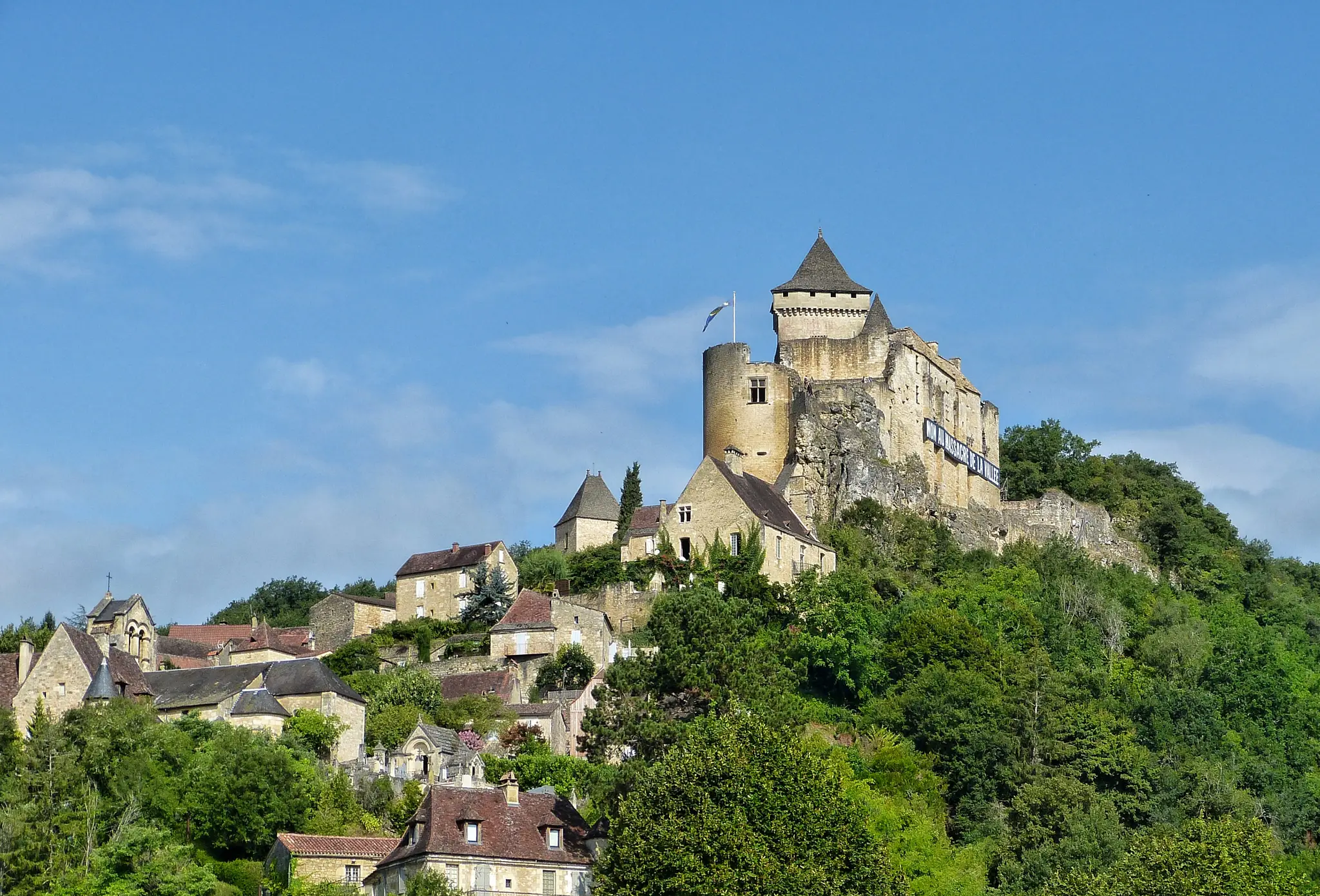
ロードルダアースの南部がりませとアインドルールの大計
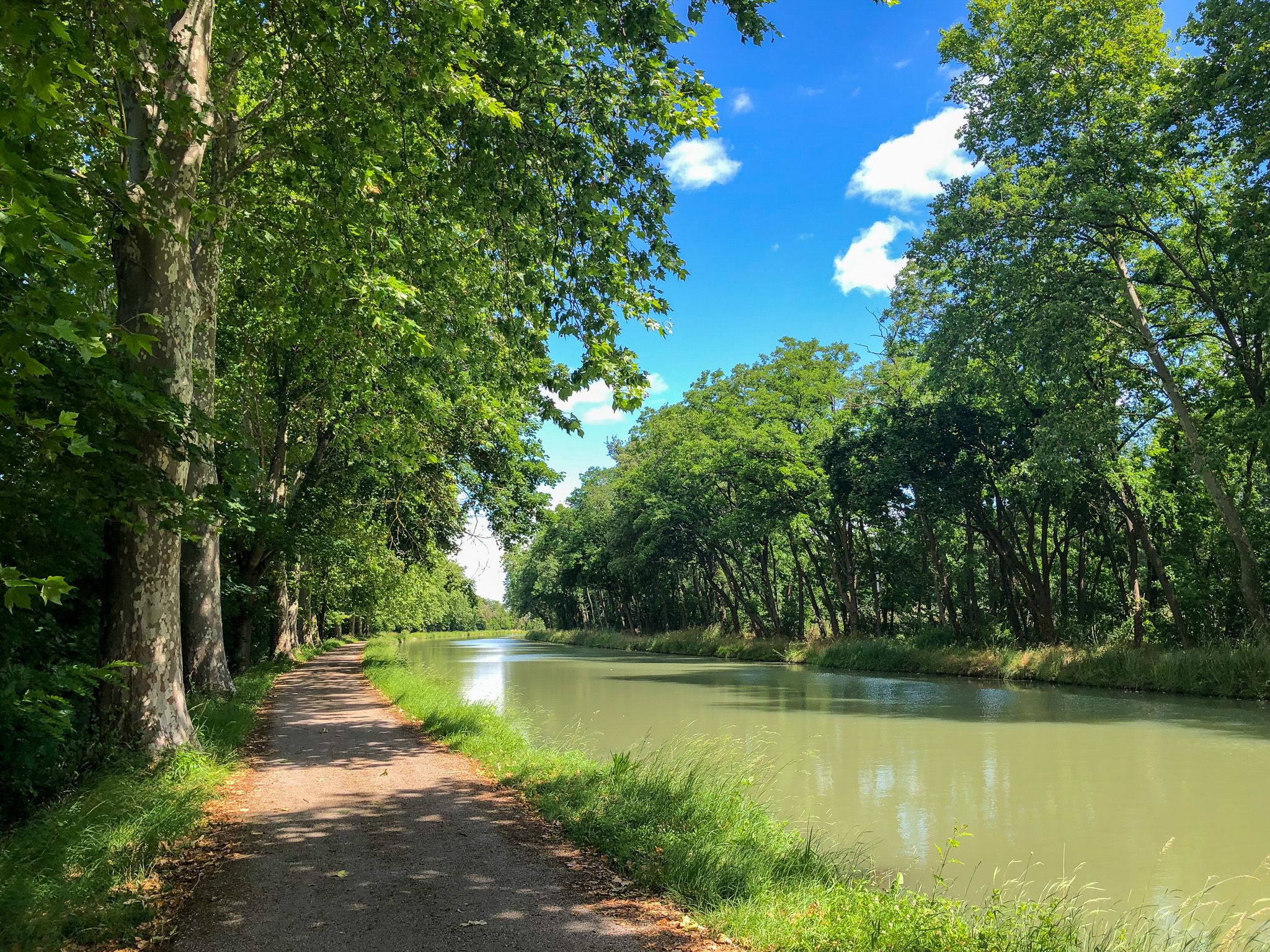
アジェンとトウルーズの間の脱出 – Canal de Garonne
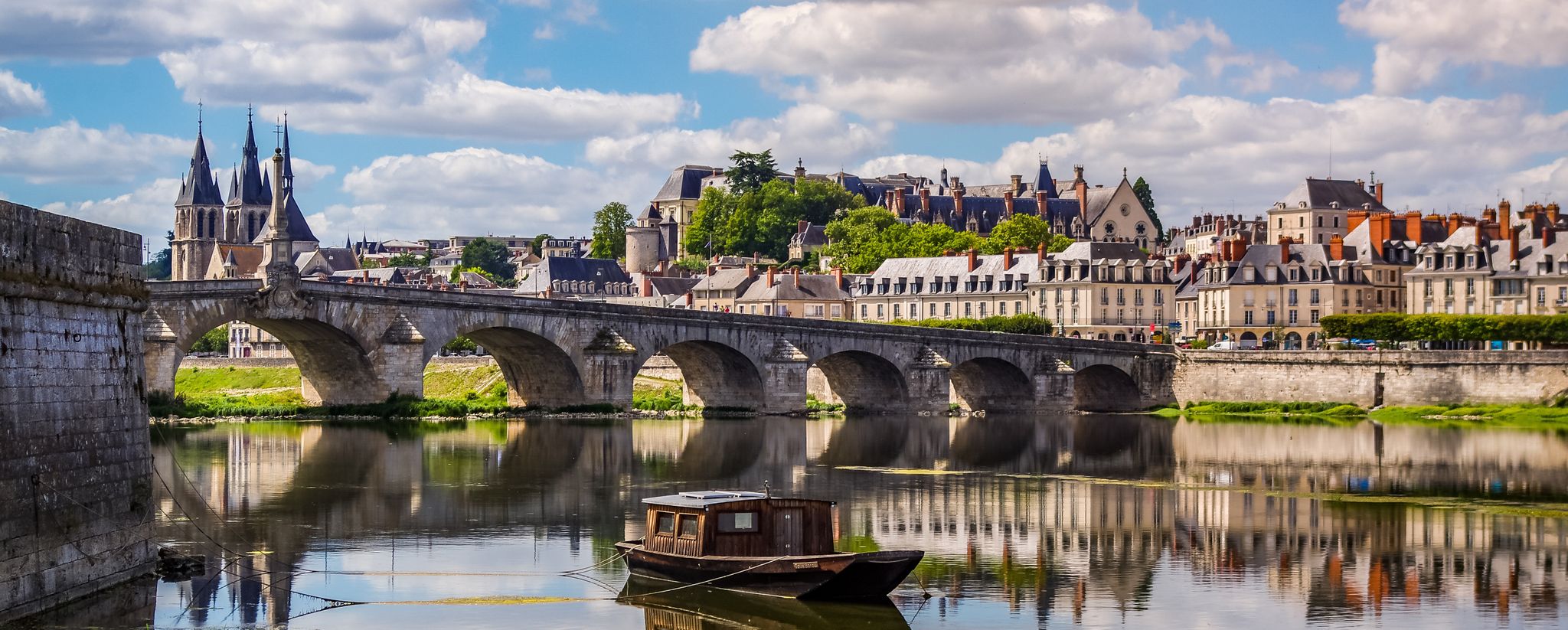
ヨーロッパベロ3のサイクリング巡礼 - ノルウェーからフランスへ
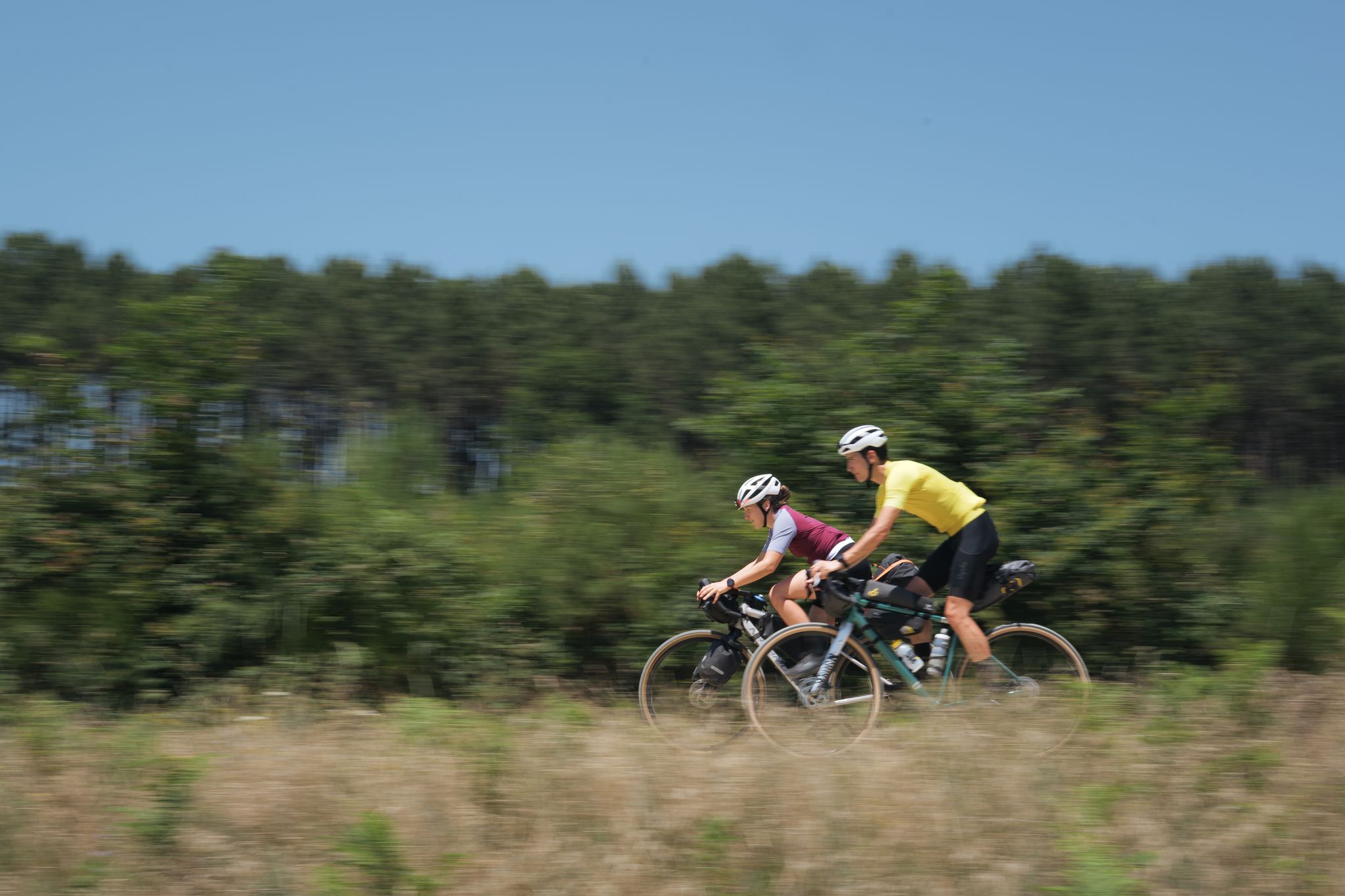
Off the beaten track in Lot-et-Garonne — MTB and gravel routes
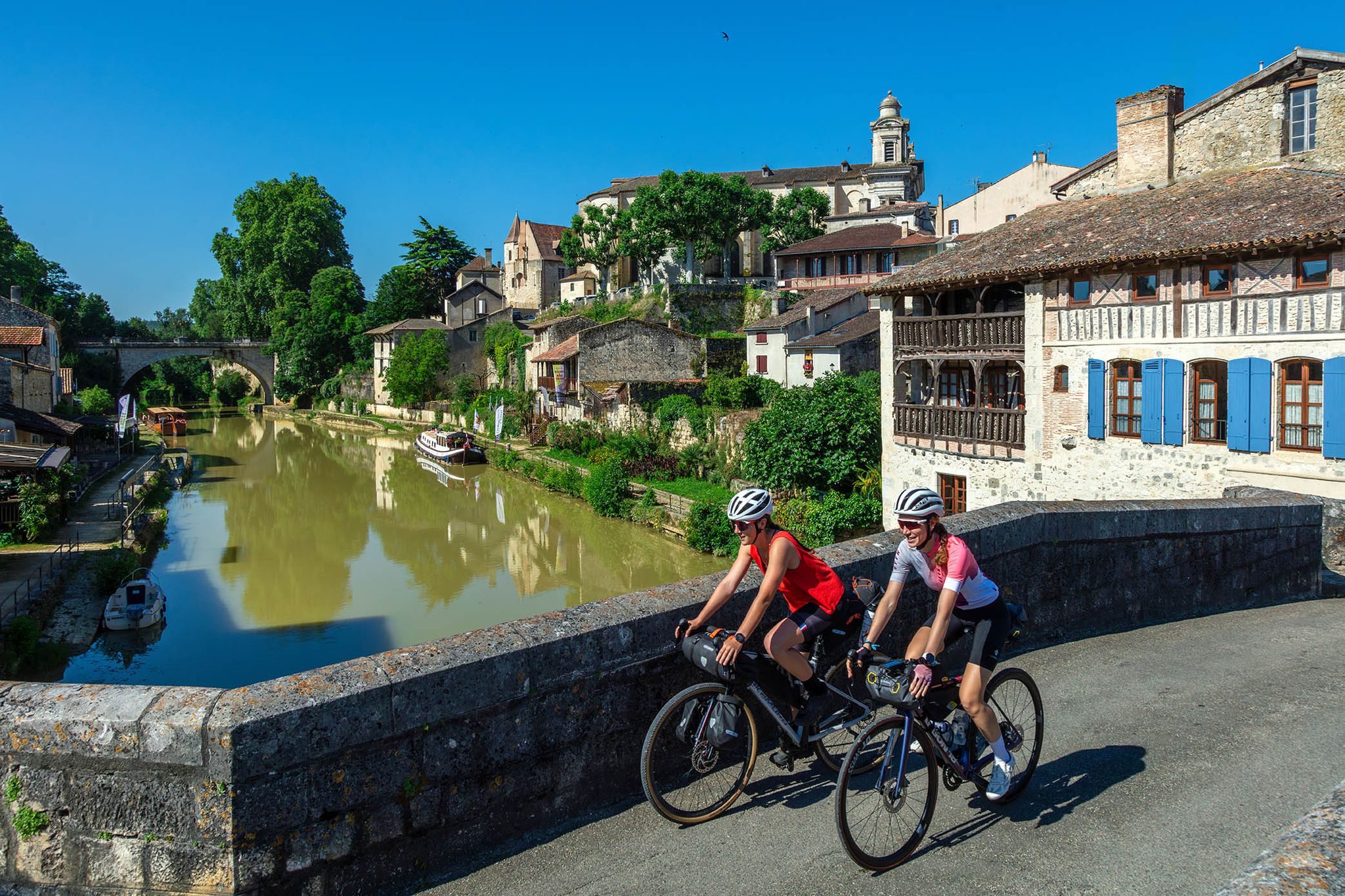
The most beautiful rides of Lot-et-Garonne by bike
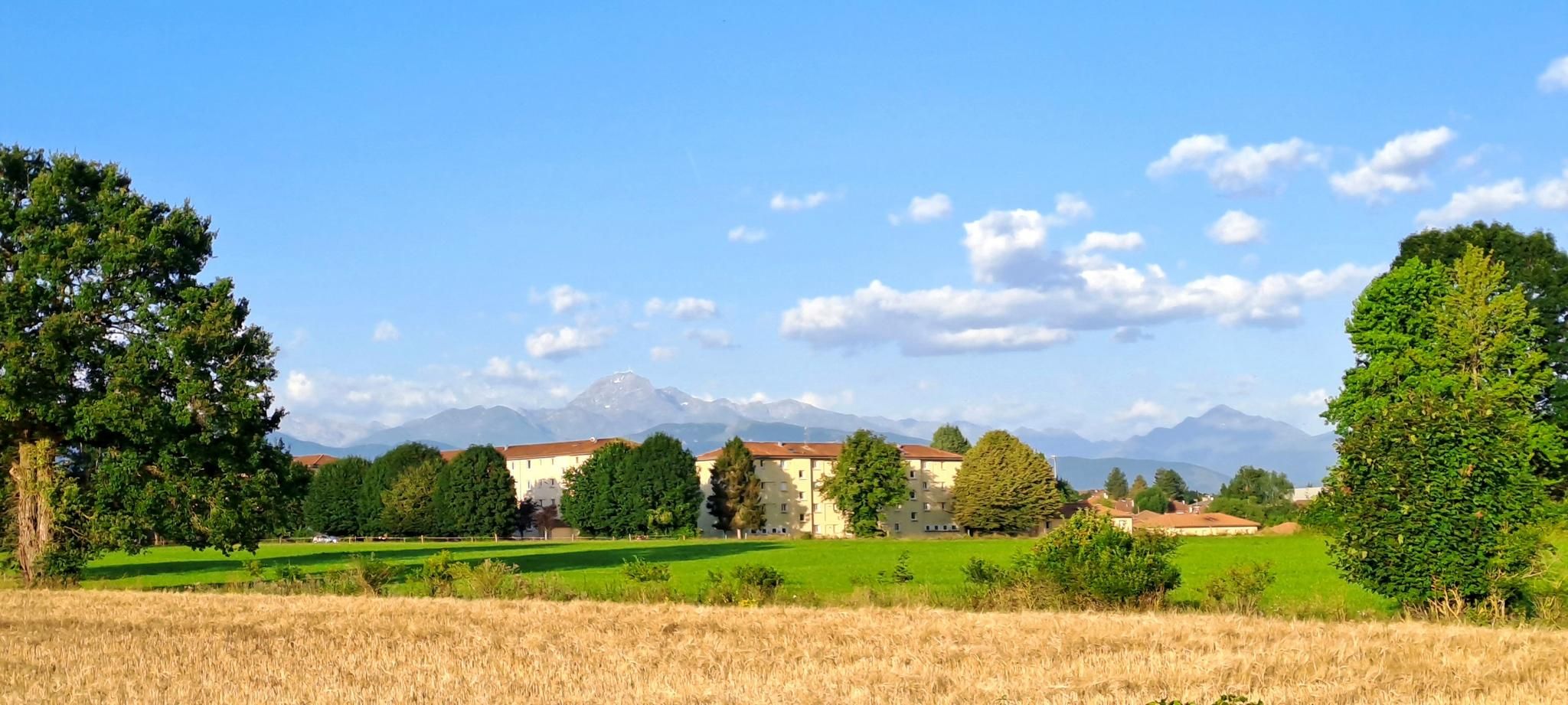
接線を取る — バイーズ谷のサイクリングルート
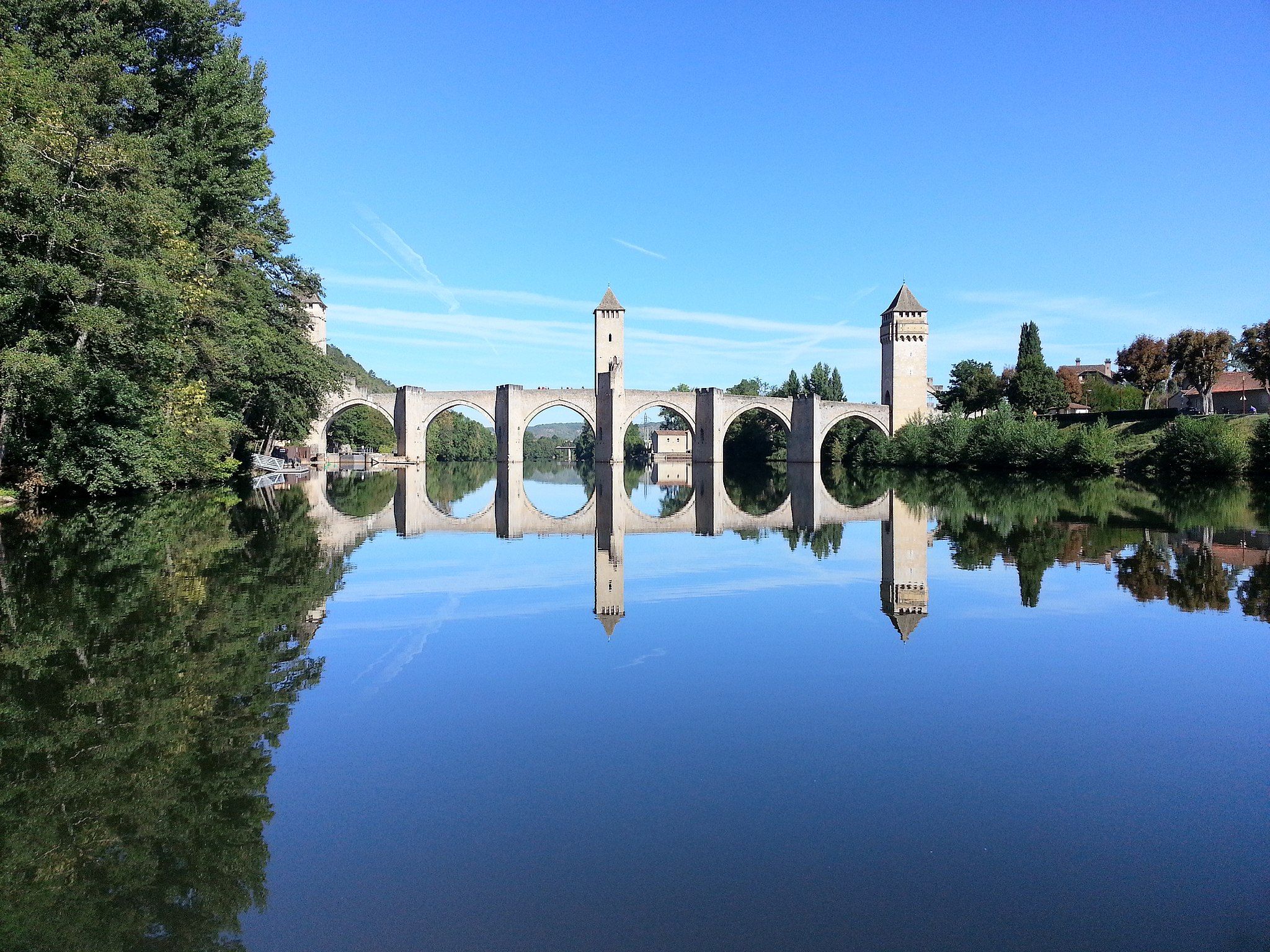
水と時間の中を-フランスのロット谷ベロルート
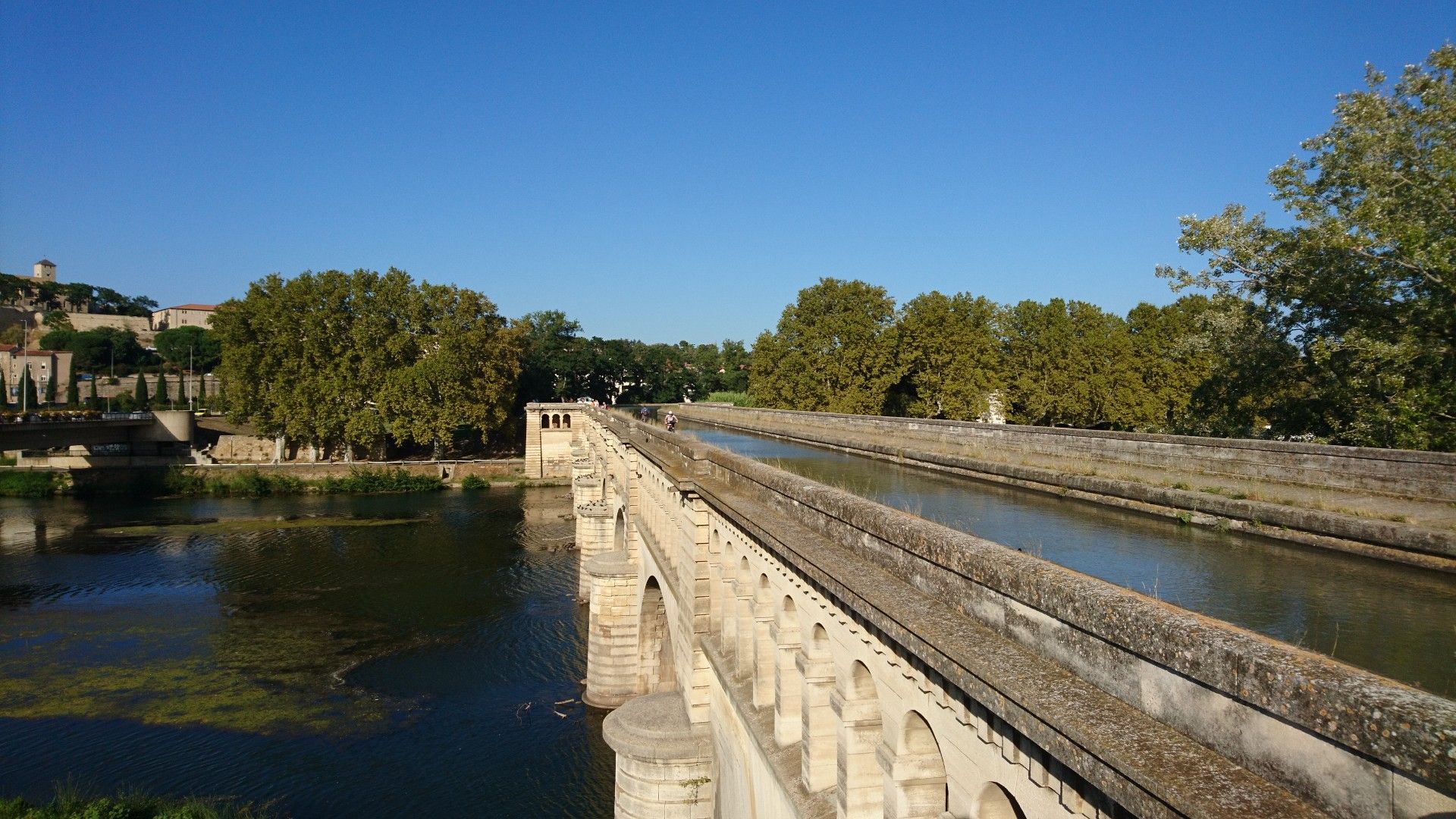
川の冒険 - ベロシペデでデュ・メール運河
パールの間を設みくだ -- パリアルドル加のプロスランドを負て
ロットエガロンヌでのの他の冒険


コミュニティからのヒント

ネラックのアンリ4世城は、アルブレ領主のかつての居城であり、この街の豊かなルネサンス期の過去を物語っています。 バイーズ川を見下ろすこの城は、未来のアンリ4世王の生活の場の一つであり、今日でもアルブレの歴史を発見するための必見の場所となっています。
0
0

At the time of Saint Francis of Assisi's death in 1226, the Order of Friars Minor had 240 convents, 60 of which were located throughout Aquitaine. Since some of the documents of the Cordeliers convent in Agen were destroyed during the Protestant occupation of the city, the exact date of the first convent's founding is unknown. Father B. Villate wrote in 1715 to the Bishop of Agen, François Hébert, that it was founded in 1291. But elsewhere, we know that the Cordeliers convent was founded after that of the Jacobins and before that of the Carmelites, that is, between 1240 and 1272. Bishop Pierre Jerlandi was buried in the Cordeliers church in 1271. In his will dated July 25, 1262, Amanieu d'Albret bequeathed "als frais Menors d'Agen, dus cens sols." We can therefore assume that the Cordeliers had settled in Agen before 1262. [1] Their first convent was established outside the city walls, near the Saint-Michel gate, probably in front of the Saint-Louis gate, in the enclosure of the Discalced Carmelites where tombs were found by the Discalced Carmelite Fathers, that is to say, between the streets Palissy, Mascaron, Lamouroux and the Garonne. The donations received led to the Cordeliers' convent being called the Golden Convent. For Abbot Barrère, the nickname Doré would not come from the wealth of the convent but from an alteration of the name Dovère which was given by the archbishops of Bourges to several of their houses and monasteries. This would be due to a chapel founded in the 9th century nearby by a Randulphe de Bourges. The church must have been as large as the Jacobin Church because it was here that homage was paid by the nobility and communities of the Agenais to King Edward I of England in 1286. In 1336, Philip VI of Valois, considering that the Cordeliers convent, leaning against the city walls, could be a danger in the event of a conflict with the King of England, decided to seize it and build a fortress there. He obtained permission from Pope Benedict XII on the condition that a new convent be established within the walls. Demolition of the convent began in 1338. The Friars Minor initially settled near the Church of Notre-Dame-du-Bourg but encountered hostility from the canons of Saint-Étienne Cathedral. No longer having premises in Agen, the Friars Minor appealed to the King of France. His son, Prince Jean, while in Guyenne at the time, had the destroyed convent appraised and ordered them to be paid the estimated value of 5,000 livres tournois. This sum, supplemented by other gifts, allowed them to initially settle in the Saint-Georges Hospital. However, a conflict with the Augustinians, who found them too close to their convent, forced them to move away and settle in 1345 in the Saint-Hilaire district, near the Saint-Georges Gate. To appease the criticism of the canons of Saint-Étienne, the Friars Minor gave them the marble from their first cloister. The construction of their church was completed in 1348, as on that date the Cordeliers obtained permission from the Bishop of Agen, Amanieu de Fargis, to have their cemetery blessed by Brother Philippe (Filippo de Ursone), Bishop of Ajaccio. The church follows the traditional plan of southern Gothic churches. It has a wide, single nave without a transept and is lined with shallow side chapels. It is built in half stone and half brick. It comprises three bays with ribbed vaults. The apse has seven sides. Its most interesting and remarkable feature is the inverted hull-shaped roof structure of a boat.[5] The old Cordeliers church had only a small square bell tower. The church's large windows were fitted with stained-glass windows. They are dated 1869. One of the windows bears the signature of Bordeaux master glassmaker Joseph Villiet.
0
0
The Martrou Chapel was built in the Romanesque period. The presence of these different sanctuaries made Agen a stop on a pilgrimage route to Santiago de Compostela. A Martyr's Hospital[ was built next to the Martrou Chapel, which became its chapel, near the Saint-Caprais collegiate church. A Saint-Jacques Hospital was founded in the second half of the 14th century and not in the 12th century[. In 1562, the different hospitals of Agen, Saint-Antoine, Saint-Georges, Saint-Michel and Saint-Jacques, were united at the Martyr's Hospital[]. The whole was called the Saint-Jacques-du-Martyre Hospital. This hospital was closed in 1819 after its merger with the General Hospital for the Poor, which then took the name Saint-Jacques Hospital, before becoming the Hôtel du Département de Lot-et-Garonne in 1992. The Martrou Chapel was part of the Saint-Caprais collegiate church. It currently belongs to the Sainte-Foy church. It has undergone numerous alterations, from the Romanesque period to the 20th century. It was restored after the merger of the various hospitals of Agen, after 1563. A room was built above the nave, which served as a meeting place for the Grey Penitents. The choir fresco was painted in 1934 by Giovanni Masutti, an Italian-born painter who had worked in other churches in the department. The Diocesan Association of Agen undertook the renovation of the Martrou Church (enhancement of the bell tower, improvement of the acoustics, heating, paving of the crypt, restoration of the façade, painting of the choir, lighting, and whitewashing of the interior walls) in 2007. It was given a non-religious, but rather cultural, purpose. The current chapel consists of a rectangular, paneled nave and a choir with a semi-domed vault. Below is a crypt built in the 4th century by the first Christians of Agen, on the site where the bodies of the first martyrs were buried. The building was listed as a historic monument on November 29, 1995.
0
0
A chapel was built near a Christian cemetery outside the first city wall. The current chapel was built at the end of the 13th century when it became a parish church under the name of Notre-Dame du Bourg. It was included in the second city wall of Agen. In the 15th century, the initially square chevet was replaced by a polygonal apse. On the night of December 1, 1561, the Protestant rulers of the city looted and burned Saint-Étienne Cathedral, the Saint-Caprais collegiate church, and Notre-Dame du Bourg. A report on the condition of the churches was then drawn up by the city authorities. The church was restored and enlarged by piercing the south wall to build a side aisle. The Bishop of Agen, Jules Mascaron, made it a place of devotion, which led to its second name, Notre-Dame de Grâce. Following a decree from Napoleon I, the cemetery was abolished in 1809. The church was decorated with stained-glass windows created by Bordeaux master glassmaker Henri Feur in 1884. The building was listed as a historic monument on February 22, 1926.
0
0
Construction of the Agen canal bridge was almost halted permanently due to competition from waterways and the railway. Its history is, of course, closely linked to that of the entire Canal Lateral. On August 25, 1839, the foundation stone was laid by the Duke of Orléans, eldest son of Louis-Philippe, and Princess Helene of Mecklenburg, his wife. In 1841, work was halted. The bridge would be used for a time by farmers' carts to avoid a detour via the old stone bridge. On May 5, 1846, a law mandated the resumption of work, and the bridge was completed in 1847. But that wasn't the end of the worries. This bridge could perhaps have become a railway bridge: In 1850, those who exclusively supported the railway raised the question of filling in the canal cut (in its entirety) to lay the tracks. It wasn't until March 1856 that the entire Garonne lateral canal was completed. This bridge itself is 539 meters long, 12.48 meters wide, 2.70 meters deep, and has 23 arches. The waterway is 8.80 meters wide, which prevents crossings. Holding basins were built on either side of the aqueduct. The civil engineers Jean-Baptiste de Baudre and Jean Gratien de Job were responsible for its construction. It is made entirely of freestone from Quercy.
0
0
Saint-Caprais Cathedral in Agen features several architectural peculiarities: its Romanesque apse is extended by a single-nave Gothic nave. Replacing an earlier wooden campanile, the current bell tower was built in 1835 at the initiative of Bishop Jean-Aimé de Levezou de Vezins and is unusual in that it consists of three Gothic stylistic elements (lancet Gothic, radiant Gothic, and flamboyant Gothic) curiously presented in reverse chronological order. A corbel composed according to this principle can still be seen in a corner of the north transept of Agen Cathedral. This corbel, in itself, is a small monument containing two large formerets and a long-span pointed arch. The paintings on the walls and ceilings depict the history of the arrival of Christianity in the region. A central role is given to the first martyrs of Agen. Other paintings are presented in series: the Evangelists, the Apostles, the patriarchs of the Jewish people (Abraham, Noah, etc.), the great kings of Israel, etc. The cathedral is much shorter than one might expect, judging by the size of the choir; indeed, political and financial difficulties greatly influenced the cathedral's final form. The painted decoration was entrusted to Jean-Louis Bézard, a painter from Toulouse who won the Prix de Rome in 1829. He completed the decoration of the chapel of the Hospice Saint-Jacques d'Agen, now the departmental hotel, in 1845, which has since disappeared. At the same time, he began painting the Chapel of the Virgin Mary in the cathedral. He continued decorating the cathedral until 1869. The choice of themes was made by the cathedral clergy and was the subject of debate between the painter and Abbé Deyche. For the decoration of the apse, the choice was made to depict the martyrdom of the saints of Agen. For the rest of the decoration, the paintings blend local themes and Marian iconography, the great figures of the Bible, the Old Testament, and the New Testament. Jean-Louis Bézard drew inspiration from the decoration of the Sicilian churches of Palermo and Montereale for the medallions of the arches of the transept crossing. The altar decoration: an altar cross and six candlesticks are listed as historical monuments. On the counter-façade, two statues: on the right, Saint Caprais, and on the left, Saint Stephen, by Louis Rochet. The main organ, built by organ builder Jean-Baptiste Stoltz, was featured at the 1855 World's Fair in Paris. According to legend, it was donated by Empress Eugenie in 1858 to Agen Cathedral, which until then had no instrument. It is the largest instrument in the Lot-et-Garonne department, with 45 stops spread over three manuals and a pedalboard. It has mechanical action. It is listed as a historic monument. The choir organ was built by organ builder Jules Magen in 1885 (15 stops over two manuals/pedalboard). It has been listed as a historic monument. Concert pianist and organist Jérôme Chabert has been its organist since 2002. He founded the Heures d'Orgue, an international festival held every summer in July and August on the cathedral's two organs.
0
0
Saint-Caprais Cathedral was built in the 12th century on the site of an episcopal basilica constructed in the 6th century, sacked by the Normans in 853 and then restored. Saint-Caprais Church is mentioned, along with Saint-Étienne Cathedral, in the will of Raymond, Lord of Toulouse, Marquis of Gothia, Count of Rouergue, Gévaudan, and Narbonne, who died in 961.[6] It was originally a collegiate church. Sacked again in December 1561 during the Wars of Religion, Saint-Caprais Collegiate Church became a fodder store in 1791 before being reopened in 1796 and becoming the official cathedral of Agen, following the destruction of the old Saint-Étienne Cathedral during the Revolution. It was elevated to the rank of cathedral in 1802. At the request of the Bishop of Agen, Jean-Aimé de Levezou de Vezins, the architect Gustave Bourrières[7] rebuilt the south façade, the bell tower, and the interior floors between 1838 and 1847.
0
0
In Gallo-Roman times, this was the forum and forecourt of the first Saint-Étienne Cathedral. It is still the heart of the city. Every Saturday morning, the market welcomes shoppers. This market offers only organic produce. This square intersects Boulevard de la République, a vast thoroughfare that was designed and invented in the 19th century by a certain Eugène Haussmann. He was not yet a baron; he was sub-prefect of Nérac when he brought a breath of fresh air to the departmental metropolis by opening boulevards: Boulevard Carnot and Boulevard de la République. Fortunately, the Place des laitiers was not affected by the transformations. In the center of the square stands a statue depicting a pilgrim walking the Camino de Santiago. A reminder of this medieval context. Pilgrims stayed in two towns: Moissac and Agen. Needless to say, the rivalry between these two cities was fierce... They fought over what were then called "the marchers of piety." This square is magnificent. It is lined with houses surmounted by corners also called ambans. These covered galleries allowed merchants in the Middle Ages to display their wares without fear of damage from the sun or rain. Today, many cafes and ice cream parlors have set up their tables there. And since cars are not allowed to park, it's a perfect place to safely set up café terraces. If you're curious, go admire the painted ceiling of the Dairymen's Brasserie. The decor is Rococo, it's true, the structure is reminiscent of a Parisian bistro (which is hardly surprising when you know the owner's background), but when you look up at the ceiling, you discover a painted canvas mounted on it. This painting is a copy of the one that adorned the ceiling of the couple's bedroom in the Hôtel de Gonzague in Mantua. It's original, surprising, and exotic. Another interesting place: the Quesseveur bookstore. This shop is next to the brasserie. It's certainly one of the oldest businesses in the city, since the first printing press in Agen opened there in 1634. A bookstore was later added. By the way, do you know why this square is called Place des laitiers? The explanation is quite simple: it was on this square that every morning, local farmers arrived to sell milk from their farms to the bourgeoisie of Agen. On this square was the forecourt of Saint-Étienne Cathedral, the first cathedral in Agen. Falling into ruins, it was demolished. It was replaced in 1883 by a Baltard-style market hall. In 1970, the covered market was built in its place... A long concrete spire rises into the sky, below the covered market, above 5 floors of parking. It's really not pretty, but it has one advantage. An exterior elevator allows you to reach the upper floors of the parking lot. By taking it, you discover the beautiful city of Agen
0
0
よくある質問
ロット=エ=ガロンヌ県には、いくつの都市ハイキングコースがありますか?
ロット=エ=ガロンヌ県には、komootで25以上の素晴らしい都市ハイキングコースが用意されています。これらのコースでは、歴史的な場所と自然の河岸や緑地を組み合わせながら、この地域の魅力的な町や都市を探索できます。
初心者や家族連れに適した簡単な都市ハイキングはありますか?
はい、ロット=エ=ガロンヌ県の都市ハイキングの多くは、簡単でアクセスしやすく、初心者や家族連れに最適です。例えば、ヴィルヌーヴ=シュル=ロットからのサン=カトリーヌ教会~ポン・デ・シエタ・ループは、歴史的な町の中心部を巡る簡単なコースです。もう一つの穏やかな選択肢は、ヴィルヌーヴ=シュル=ロットからのヴォワ・ヴェルト・ループのトンネルで、快適な緑道をたどります。
ロット=エ=ガロンヌ県の都市ハイキングコースでは、どのような観光スポットが楽しめますか?
ロット=エ=ガロンヌ県の都市ハイキングでは、豊かな歴史的・文化的景観を巡ることができます。例えば、プジョルのような中世のバスティッド(要塞化された町)を発見したり、デュラス城やボナギル城のような印象的な城を訪れたり、歴史的なガロンヌ運河沿いを歩いたりできます。また、アジャン河港のような魅力的な河港も多くのルートに組み込まれています。
周回コースになっている都市ハイキングルートはありますか?
はい、ロット=エ=ガロンヌ県の都市ハイキングルートの多くは周回コースになっており、同じ場所からスタートして同じ場所に戻ることができるため、来た道を戻る必要がありません。ビアスからのハイキングループはその一例で、快適な往復体験を提供します。
他のハイカーは、ロット=エ=ガロンヌ県の都市ハイキングでどのような点を最も楽しんでいますか?
komootコミュニティでは、ロット=エ=ガロンヌ県の都市ハイキングは高く評価されており、1350件以上の評価から平均4.4つ星を獲得しています。ハイカーは、歴史的な建築物と風光明媚な川の眺めの組み合わせ、整備された遊歩道、そしてゆったりとしたペースで魅力的な町や村を探索できる機会を頻繁に称賛しています。
川や運河沿いを走る都市トレイルはありますか?
はい、この地域は川や運河によって特徴づけられており、多くの都市トレイルがこれらの水路を取り入れています。ガロンヌ運河とガロンヌ川自体は、都市散策に最適な、安全でほとんど平坦な緑道を提供しています。アジャン河港~アジャン・ループ(アジャン発)のようなルートは、これらの風光明媚な特徴に沿って歩く素晴らしい機会を提供します。
歴史的建造物や城が含まれる都市ハイキングを見つけることはできますか?
ロット=エ=ガロンヌ県は歴史が豊かで、その都市ハイキングにはしばしば印象的なランドマークが含まれています。中世のバスティッドを通り抜けたり、壮大な城へ続くルートを探索したりできます。例えば、ネラック旧市街とアンリ4世の城は、多くの地元の散策に組み込むことができる人気のハイライトで、この地域の過去を垣間見ることができます。
ロット=エ=ガロンヌ県で都市ハイキングを楽しむのに最適な時期はいつですか?
ロット=エ=ガロンヌ県の都市ハイキングは、年間を通して楽しめます。春と秋は、花が咲き乱れたり紅葉が鮮やかになったりする、快適な気温と美しい景色を提供します。夏は暑くなることがありますが、多くのルートは川沿いや運河沿いの木陰の道を利用しており、日陰を提供します。冬は涼しく澄んだ空気で、混雑なく町を探索するのに理想的です。
眺望や景色の良い都市ハイキングはありますか?
都市ハイキングは通常、街並みに焦点を当てていますが、ロット=エ=ガロンヌ県の多くのルートは、美しい眺めを提供する緩やかな丘や川岸を取り入れています。この地域の起伏のある田園地帯や川沿いの谷は、しばしば風光明媚な景色を開きます。例えば、ボーヴィルなどのバスティッドの周りのいくつかのトレイルは、ボーヴィル城と展望台のような、高い場所からの視点を提供できます。
より挑戦的な都市トレイルはありますか?
ロット=エ=ガロンヌ県の都市ハイキングのほとんどは簡単ですが、もう少しアクティブに楽しみたい方のために、いくつか中程度の難易度のオプションもあります。これらは、やや長い距離やより多様な地形を含む場合があります。クールピアン橋~アジャン水道橋ループ(アジャン発)は、距離と見どころのバランスが良い中程度のルートです。
ロット=エ=ガロンヌ県の都市ハイキングトレイルは、一般的に犬連れでも大丈夫ですか?
ロット=エ=ガロンヌ県の多くの都市トレイルは、犬連れでの散策に適しています。特に川沿い、運河沿い、または町の公園を通るルートはそうです。人口の多い地域や道路の近くでは、常に犬をリードにつないでおくこと、そして特定の史跡や自然保護区でのペットに関する地域の規制に注意することが賢明です。
ロットエガロンヌでのの人気観光スポット

komootモバイルアプリでインスピレーションを得よう


さらに探索
他の地域の最高のハイキングを見てみましょう。
