キュケルスの天然記念物・トップ20
キュケルスが誇る美しい風景を見てみたいなら、キュケルスの素晴らしい天然記念物・トップ20
に行ってみましょう。あなたにぴったりの場所が見つかるよう、素晴らしい天然記念物を探索するために必要なすべての情報を集めました。次のアウトドアの冒険に出かける計画の参考にしましょう。
最終更新日: 11月 7, 2026
ブレンナー・ムーア自然保護区
ハイライト • 自然
翻訳者 Google •
役立つ情報 は

カルクベルク(バート・ゼーゲベルク)
ハイライト • 自然記念物
The view in good weather is fantastic.
And it is the only rock mountain in the big circle! The next one should be in the Harz …
翻訳者 Google •
役立つ情報 は

今すぐサインアップして、こんな場所を発見しよう
最高のシングルトラック、ピーク、その他のエキサイティングなアウトドアスポットのおすすめを受け取ろう。
グリューネ橋(ブレナー湿地)
ハイライト • 橋
翻訳者 Google •
役立つ情報 は

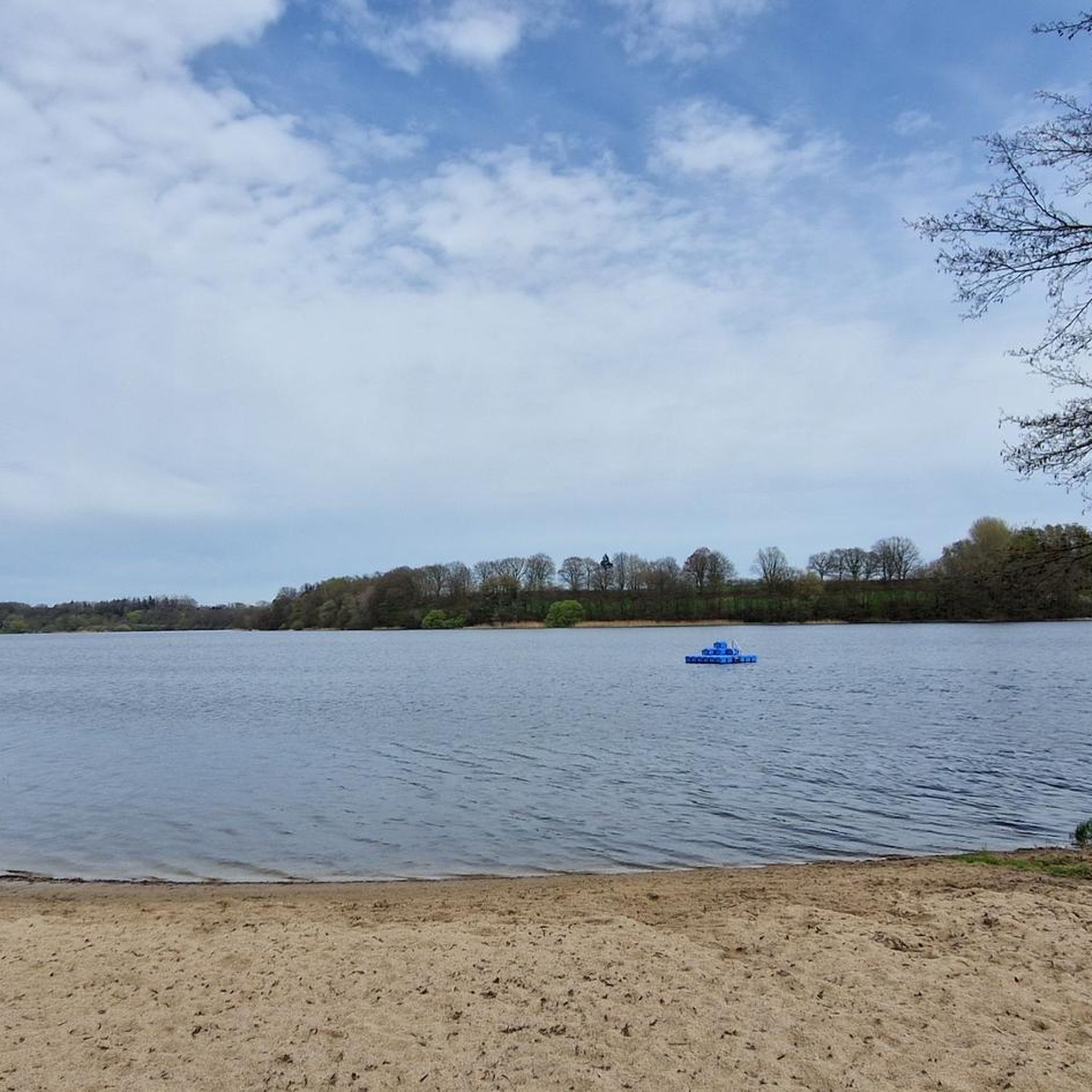
イールゼー湖
ハイライト • 湖
湖の形成については、まだ完全に解明されていません。氷河期後にデッドアイスによって形成された窪地であるか、あるいはゼーゲベルガー塩ドームの洞窟の崩壊によって生じたシンクホールであるかのいずれかです。
現在、湖の面積は約29ヘクタールで、南北に450メートル、東西に約850メートルに広がっています。湖岸線の長さは2.25キロメートルです。ビュルト湖やガーレン湖とともに、この湖はシュレースヴィヒ=ホルシュタイン州で数少ない栄養塩の少ない湖の一つです。
湖は窪地にあり、流入河川はありません。地下水と流入する表層水(降水)のみによって供給されています。
水浴場エリアの北側には流出口があり、湖とグローサー・ゼーゲベルガー湖を結んでいます。
湖は周回できますが、湖岸に沿った直接の道はありません。
東岸には数十年前から存在する水浴場があり、水浴場の水質は定期的に監視されており、近年は非常に良いから良いと評価されています。
北岸には住宅地があります。
西側と南側では、沼沢林であるイールヴァルトが湖岸帯を形成しています。1911年から1961年まで、イール湖にはキール=ゼーゲベルクナローゲージ鉄道の駅がありましたが、その線路は1962年にはすでに撤去されました。
イール湖は、その特別な特徴から1950年に自然保護区に指定されました。この湖は特に栄養塩の少ない水域であり、珍しい植物相をもたらしています。現在、この湖はイール湖とイールヴァルト自然保護区の一部であり、2006年からはNatura 2000保護地域ネットワークの一部となっています。
de.wikipedia.org/wiki/Ihlsee
翻訳を表示中
役立つ情報 は

ニエンヴォルダー・ムーア自然保護区
ハイライト • 自然記念物
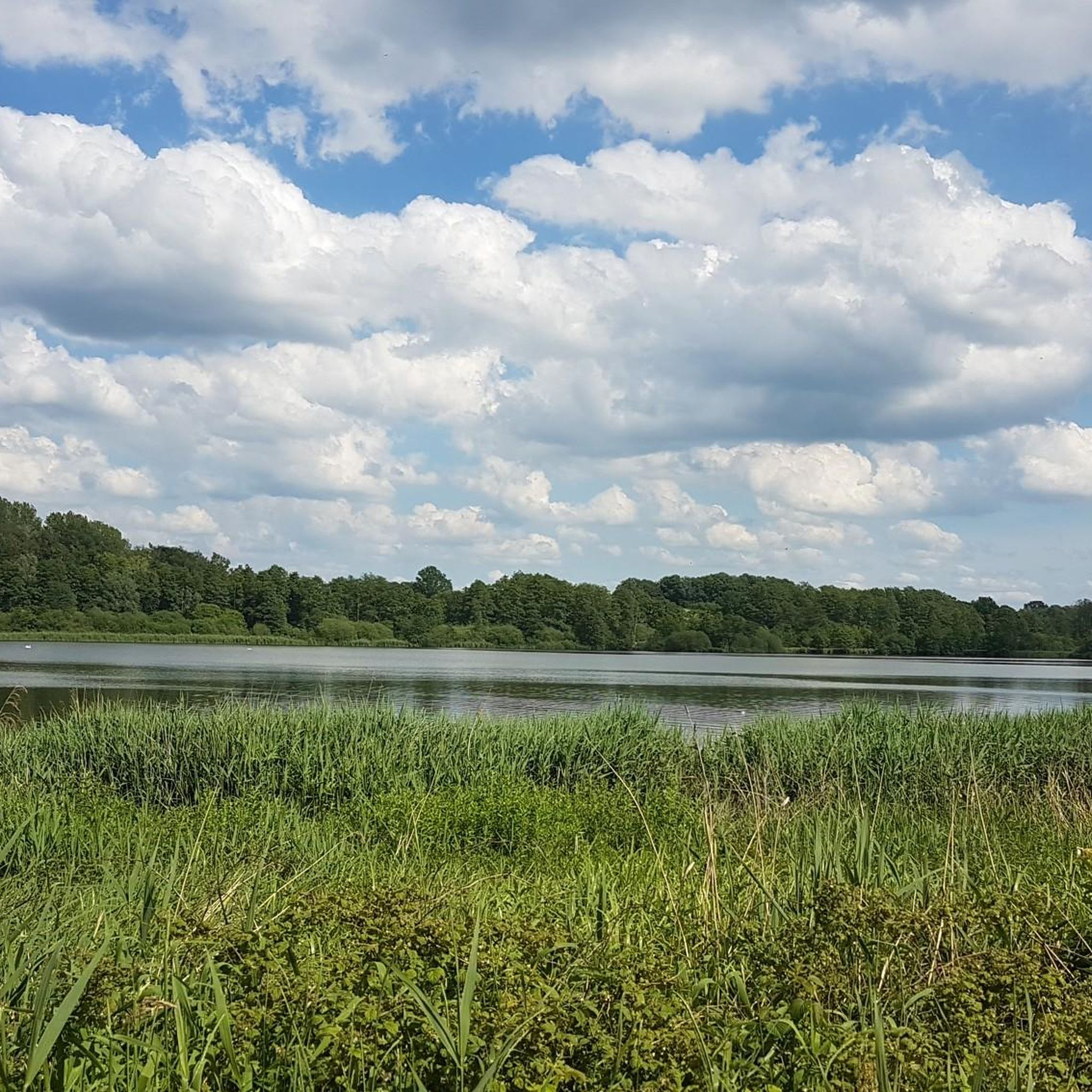
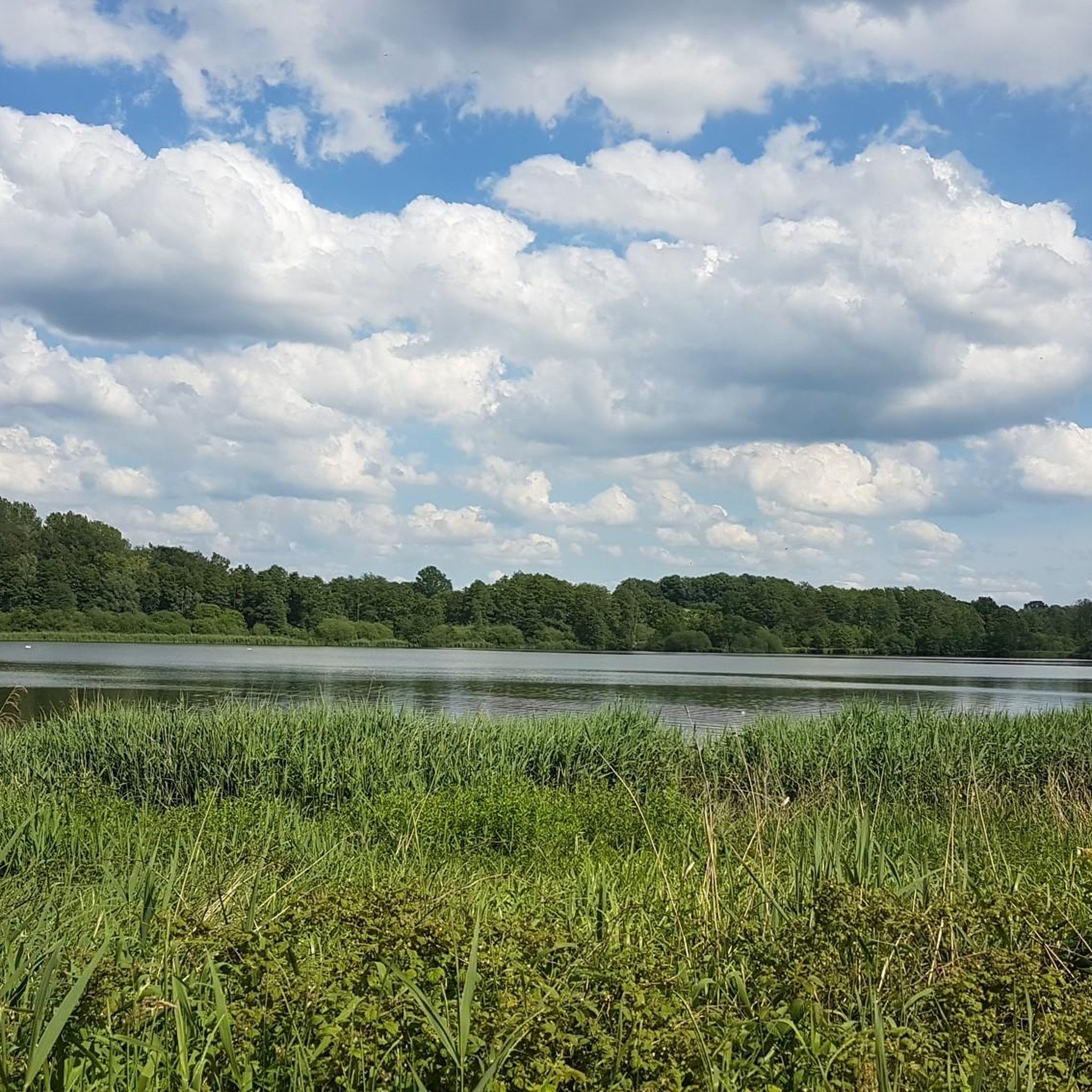
自転車道からは、いくつかの場所で湿原の良い景色を眺めることができます。
この自然保護区は、排水され、大部分が採掘された高層湿原を保護しており、シュレースヴィヒ=ホルシュタイン州で最大かつ最も保存状態の良い高層湿原の残骸です。
de.wikipedia.org/wiki/Nienwohlder_Moor
翻訳を表示中
役立つ情報 は
無料でサインアップして、さらに多くの自然記念物を発見しましょう キュケルスでの。
すでにアカウントをお持ちですか?
無料アカウントで今日から始めよう
次の冒険が待っています。
コミュニティからのヒント

The Nienwohlder Moor lies on the watershed between the North Sea and the Baltic Sea.[2] It drains to the west into the Lankau, to the south into the Alte Alster, and to the north into the Norderbeste. The nature reserve, which is managed by the Schleswig-Holstein State Hunting Association with the exception of the areas owned by the State Forestry Administration[5],[6] can be almost completely circumnavigated on hiking trails, along which information boards are posted at several locations. In the west, a hiking trail runs through the protected area in the area of the Lunden, a towering moraine ridge.
1
0
Today, typical raised moor vegetation can once again be found in the nature reserve, including round-leaved sundew, narrow-leaved cottongrass, bladderwort, white beak sedge, sedge cottongrass, cranberry, as well as cross-leaved heather, rosemary, and common heather. The nature reserve also represents an important habitat for birds. Various wading birds such as the curlew and the common snipe, as well as ducks such as the shoveler, teal, tufted duck, and garganey, as well as meadow pipits, whinchats, and stonechats, are native here. Marsh harriers and short-eared owls can also be found here. The undisturbed moorland is a refuge for cranes, which are now breeding here again. Various woodpecker species, red-backed shrikes, and songbirds are native to the wooded moorland areas. The nature reserve also provides a habitat for various amphibians and reptiles, as well as insects such as dragonflies and butterflies.
1
0
The moor was renaturalized in the 1980s through rewetting measures.[2][3] Today, in the area of former industrial use, it is an open raised bog with numerous water-filled peat pits, surrounded by a bog forest. The farmer's hand-cut peat pits at the edge of the moor are often water-filled. Sphagnum moss quaking grassland grows here, and the peat pits are slowly silting up. Further areas are occupied by grassland and forest. Some of the grassland is extensively grazed by robust cattle.[4] Some areas are still intensively used for agriculture, including one arable area.
1
0
Peat extraction, first documented in 1804, was initially carried out by peat-cutting by peat-farmers, and the peat was used as fuel. During the Napoleonic Wars of 1806–1813, peat was also shipped to Hamburg via the Alster. In the 20th century, peat extraction became an industrial operation. From 1951 to 1976, the white peat was extracted from an area of 84 hectares, initially by hand and later by machine.[2] East of Nahe, there was a peat loading point on the Elmshorn-Barmstedt-Oldesloe railway.
1
0
The nature reserve is located northeast of Hamburg between the towns of Nienwohld, Nahe, Itzstedt, and Sülfeld. It protects a drained and largely peat-extracted raised bog area, which is the largest and best-preserved raised bog remnant in Schleswig-Holstein.[2] To the north, it borders the former Elmshorn-Barmstedt-Oldesloe Railway line.
1
0
The approximately 398-hectare nature reserve is registered under number 100 in the register of nature reserves of the Ministry of Agriculture, Environment and Rural Areas. It was designated in 1982 (date of the regulation: March 25, 1982). The nature reserve replaces the nature reserve of the same name designated in 1980.[1] It is part of the FFH area "Alster system to Itzstedter See and Nienwohlder Moor" and the EU bird sanctuary "Alsterniederung". To the south, it borders the "Nienwohld" landscape protection area. The responsible lower nature conservation authorities are the districts of Stormarn and Segeberg.
1
0

イール湖は、バート・ゼーゲベルク郡庁所在地の北西部に位置し、クライニーニエントルフ地区の北端にあり、指定されたイール湖とイールヴァルト自然保護区の一部です。 湖の形成については、まだ完全に解明されていません。氷河期後にデッドアイスによって形成された窪地であるか、あるいはゼーゲベルガー塩ドームの洞窟の崩壊によって生じたシンクホールであるかのいずれかです。 現在、湖の面積は約29ヘクタールで、南北に450メートル、東西に約850メートルに広がっています。湖岸線の長さは2.25キロメートルです。ビュルト湖やガーレン湖とともに、この湖はシュレースヴィヒ=ホルシュタイン州で数少ない栄養塩の少ない湖の一つです。 湖は窪地にあり、流入河川はありません。地下水と流入する表層水(降水)のみによって供給されています。 水浴場エリアの北側には流出口があり、湖とグローサー・ゼーゲベルガー湖を結んでいます。 湖は周回できますが、湖岸に沿った直接の道はありません。 東岸には数十年前から存在する水浴場があり、水浴場の水質は定期的に監視されており、近年は非常に良いから良いと評価されています。 北岸には住宅地があります。 西側と南側では、沼沢林であるイールヴァルトが湖岸帯を形成しています。1911年から1961年まで、イール湖にはキール=ゼーゲベルクナローゲージ鉄道の駅がありましたが、その線路は1962年にはすでに撤去されました。 イール湖は、その特別な特徴から1950年に自然保護区に指定されました。この湖は特に栄養塩の少ない水域であり、珍しい植物相をもたらしています。現在、この湖はイール湖とイールヴァルト自然保護区の一部であり、2006年からはNatura 2000保護地域ネットワークの一部となっています。 https://de.wikipedia.org/wiki/Ihlsee
3
0

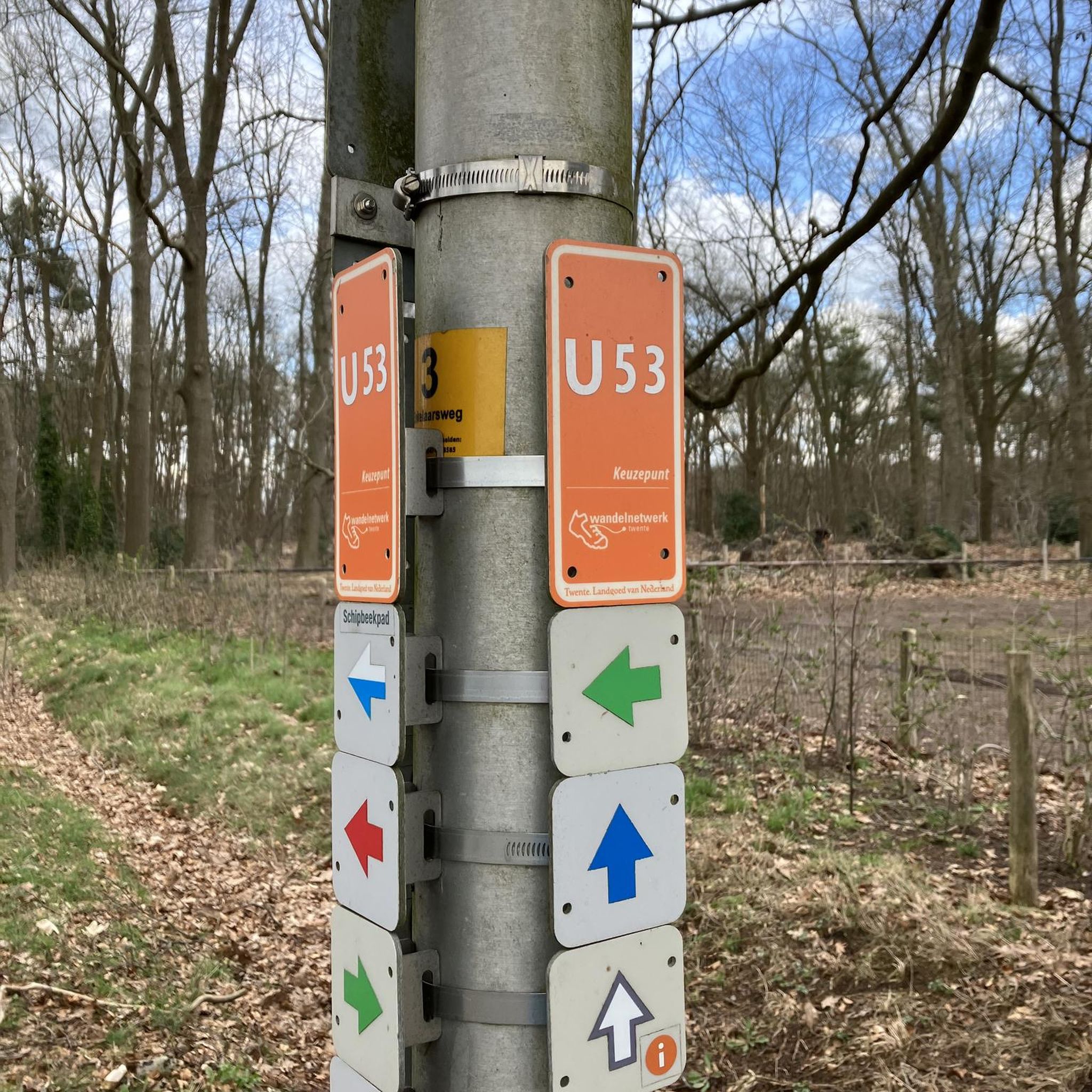
The fourth stage of the "Stormarnweg" hiking trail also leads along here. All information about the Stormarnweg can be found at the following link: www.wildganz.com/fernwanderweg/stormarnweg (as of July 20, 2024).
0
2
キュケルスでのの人気観光スポット

komootモバイルアプリでインスピレーションを得よう


さらに探索
これらのガイドで、最高の洞窟を探す範囲を広げましょうキュケルスでの:
