セロンの天然記念物・トップ10
セロンが誇る美しい風景を見てみたいなら、セロンの素晴らしい天然記念物・トップ10
に行ってみましょう。あなたにぴったりの場所が見つかるよう、素晴らしい天然記念物を探索するために必要なすべての情報を集めました。次のアウトドアの冒険に出かける計画の参考にしましょう。
最終更新日: 10月 18, 2026
アルヒベ・デ・セロン
ハイライト • 自然記念物
翻訳者 Google •
役立つ情報 は

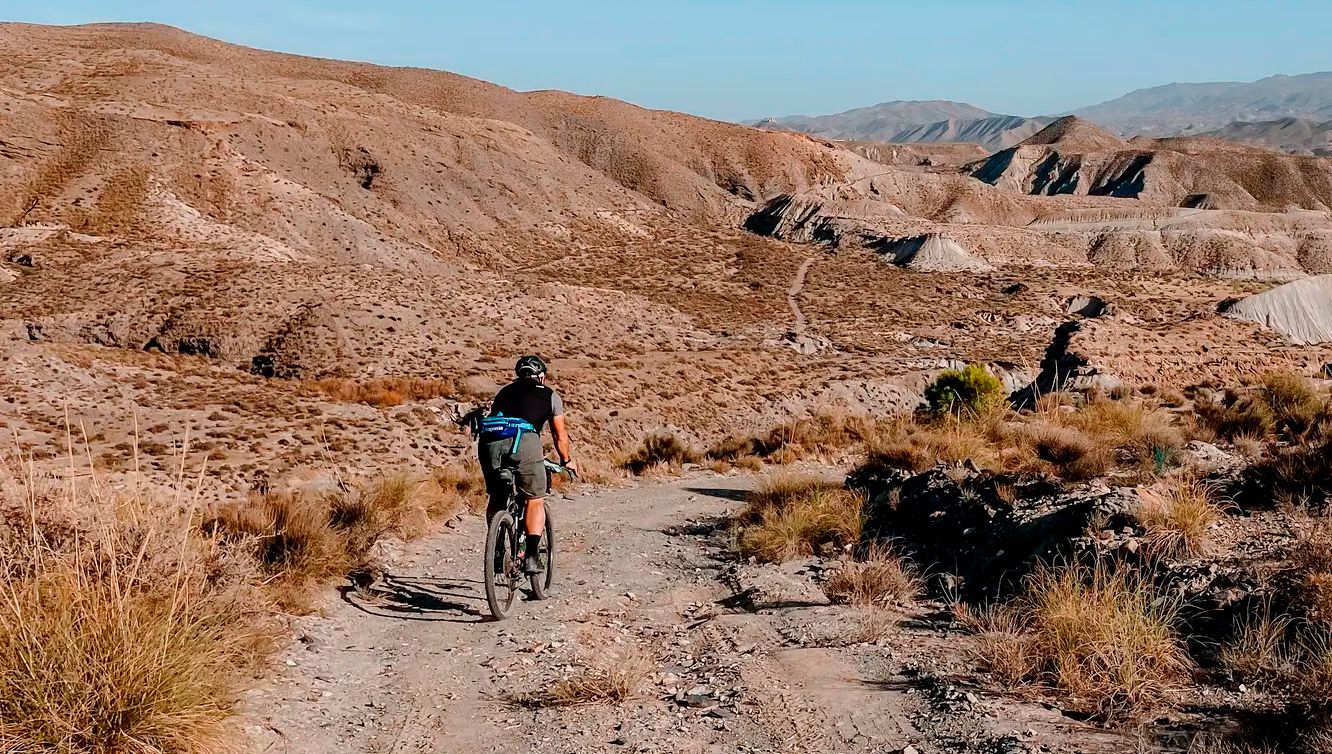
シエラ・デ・バサとシエラ・デ・ロス・フィラブレス
ハイライト • 山道
この山脈は歴史的な文化の交差点であり、その遺産にはローマ水道やアラブの城の遺跡が含まれています。
この山脈の最高地点には、遠くからでも容易に認識できる象徴的なカラール・アルト天文台(2,168m)があります。
この山脈には、イベリア半島で最も象徴的で壮観な峠の一つであるエレ・プエルト・デ・ベレフィケ(1,820m)も含まれており、南側の多数のヘアピンカーブで人気があります。
シエラ・デ・ロス・フィラブレスの南端は、タベルナス砂漠の北の玄関口とされるジェルガル村に達しています。
翻訳を表示中
役立つ情報 は

今すぐサインアップして、こんな場所を発見しよう
最高のシングルトラック、ピーク、その他のエキサイティングなアウトドアスポットのおすすめを受け取ろう。
ミラドール・デ・ピエドラ・ロベラ
ハイライト • 展望台
翻訳者 Google •
役立つ情報 は

フエンテ・ペリカ湧水
ハイライト • 自然記念物
翻訳者 Google •
役立つ情報 は
エル・マルチャル・デル・アボガドのエンシナ
ハイライト • 自然記念物
翻訳者 Google •
役立つ情報 は
無料でサインアップして、さらに多くの自然記念物を発見しましょう セロンでの。
すでにアカウントをお持ちですか?



コミュニティからのヒント

Both mountain ranges ensure that it hardly rains in this semi-desert area.
1
0

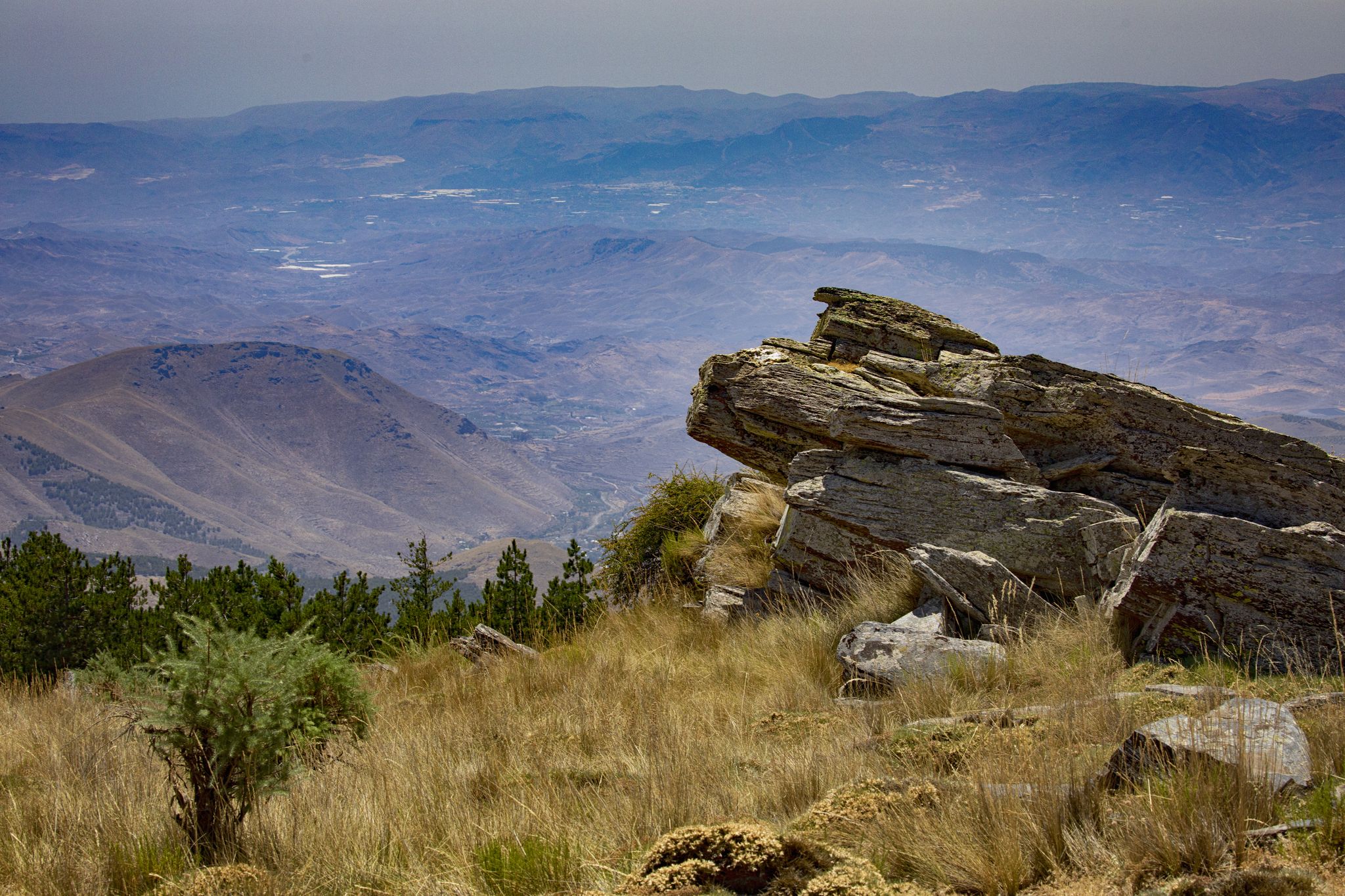
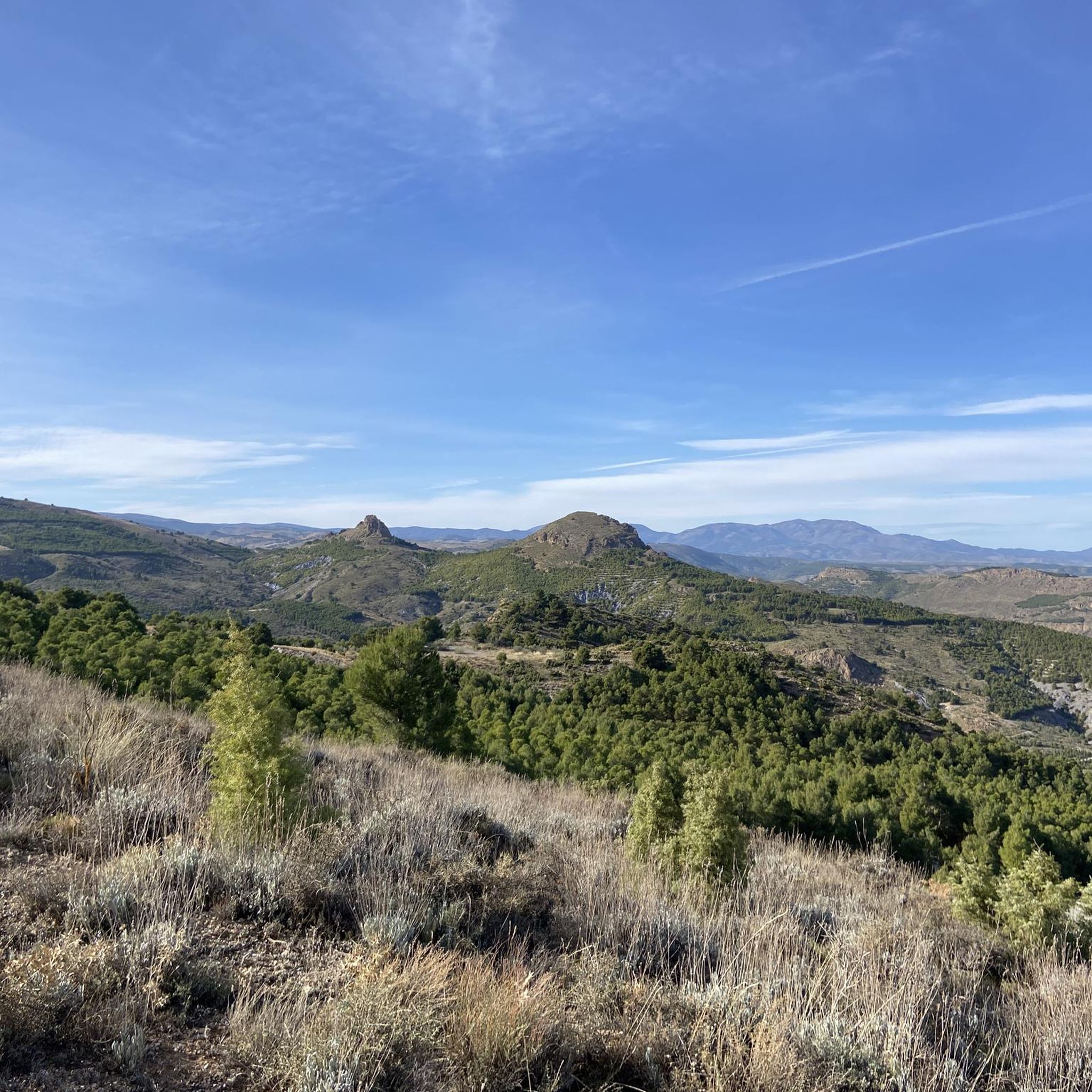
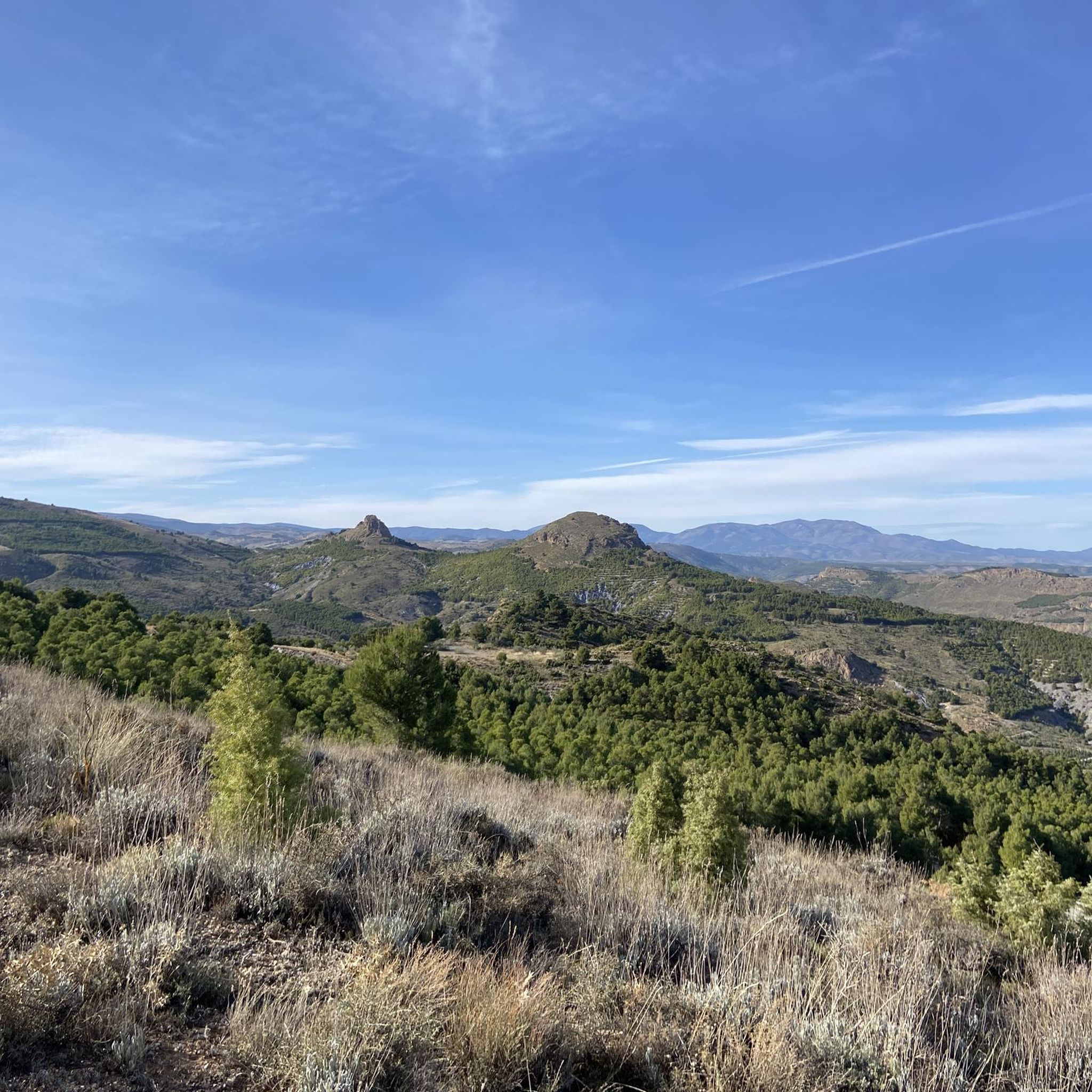
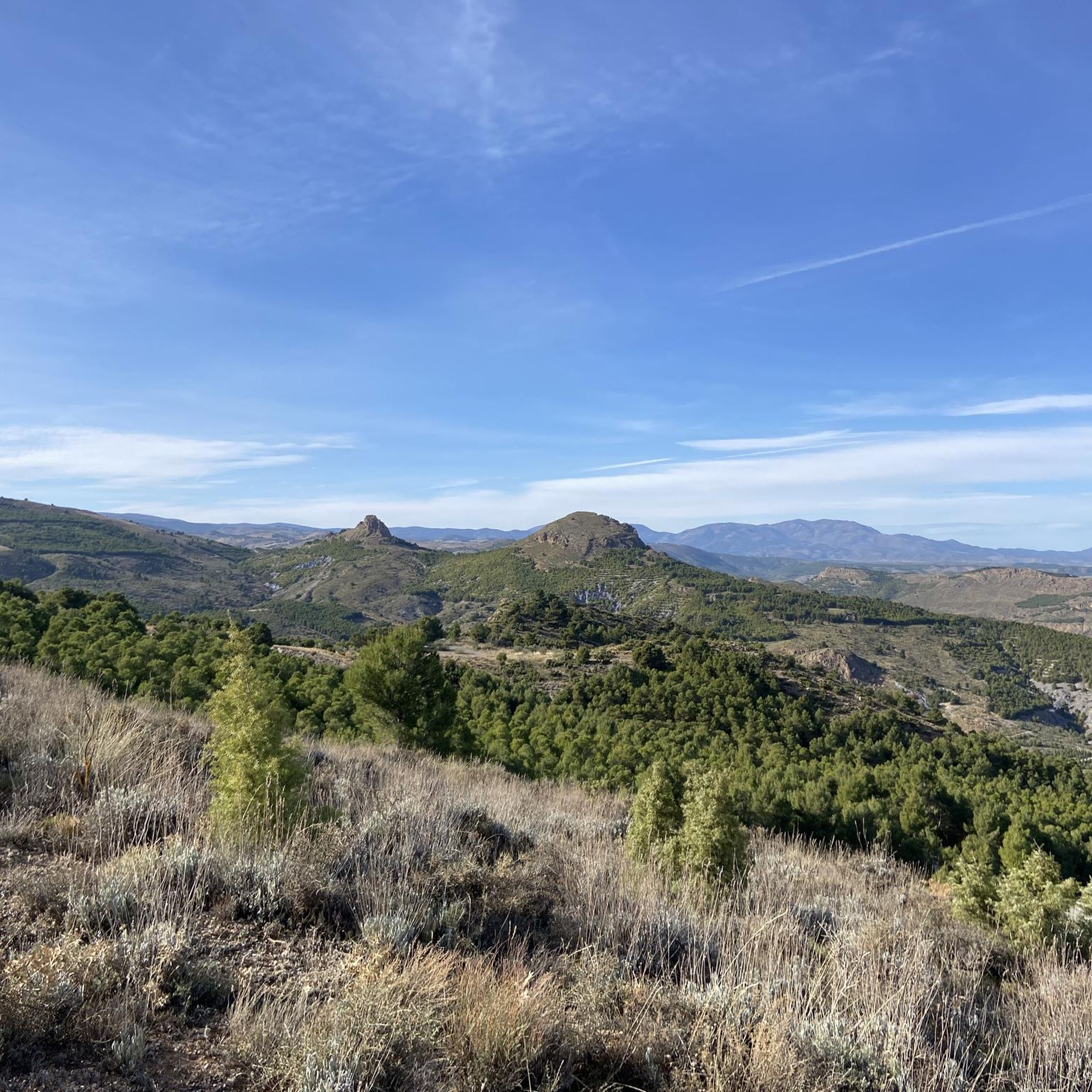
The Piedra Lobera Viewpoint is an impressive place in the province of Almería, specifically in the Sierra de Lúcar. At more than 1,700 meters, from the watchtower of Puerto de Lúcar, there are panoramic views that dominate territories of the provinces of Granada, Jaén and Almería. This viewpoint offers a unique visual experience in the region. 🌿🏞️
2
0

Place to enjoy 360 * of various ecosystems and mountains
1
0

シエラ・デ・バサとシエラ・デ・ロス・フィラブレスは、グラナダ県とアルメリア県にある標高2,000mを超える人里離れた山脈の一部であり、バッドランドで最も孤立した地域です。 この山脈は歴史的な文化の交差点であり、その遺産にはローマ水道やアラブの城の遺跡が含まれています。 この山脈の最高地点には、遠くからでも容易に認識できる象徴的なカラール・アルト天文台(2,168m)があります。 この山脈には、イベリア半島で最も象徴的で壮観な峠の一つであるエレ・プエルト・デ・ベレフィケ(1,820m)も含まれており、南側の多数のヘアピンカーブで人気があります。 シエラ・デ・ロス・フィラブレスの南端は、タベルナス砂漠の北の玄関口とされるジェルガル村に達しています。
1
0
At the eastern end of the Betic System, in the province of Almería and in the Alto Almanzora region, is the Sierra de Lúcar, where the Piedra Lobera Natural Monument rises to a height of 1,722 meters. It is a spectacular limestone formation with steep walls that stands out remarkably in the landscape, constituting a geographical landmark of great interest and spectacular landscapes. Its legendary name comes from the oral tradition, which says that it was in this place where the last examples of wolves that existed in these mountains were exterminated. In addition to its scenic beauty, this natural monument is home to an important endemic flora adapted to the harsh conditions that occur in this environment: low rainfall, strong winds, long periods of insolation, frequent frosts and stony soils. Thus, exclusive species appear such as the arenaria tomentosa, which grows among the rocks and has a pillow-shaped bearing to counteract the whipping of the wind. It is covered with small hairs to reflect the incessant rays of the sun. Other specimens of interest are the honeysuckle of the Pyrenees, which lives sheltered from cracks and limestone rocks; and the exotic peony, called monte rosa, to which medicinal properties are attributed despite the fact that, at certain concentrations, it is toxic. In general, there are deciduous forests and the thorns that accompany and replace them, such as sweet durillo, hawthorn, hawthorn and mostajo, among a wide variety. In addition to the town of Lúcar, in its surroundings there are other municipalities of interest, both monumental and natural, such as Tíjola, where Cela, its natural pool of hot springs, stands out; Bacares, with a beautiful urban layout perfectly integrated into the high mountain landscape; or Serón, where the cultural richness of its plot is joined by a mining past with a rich ethnographic heritage (Las Menas de Serón).
1
0
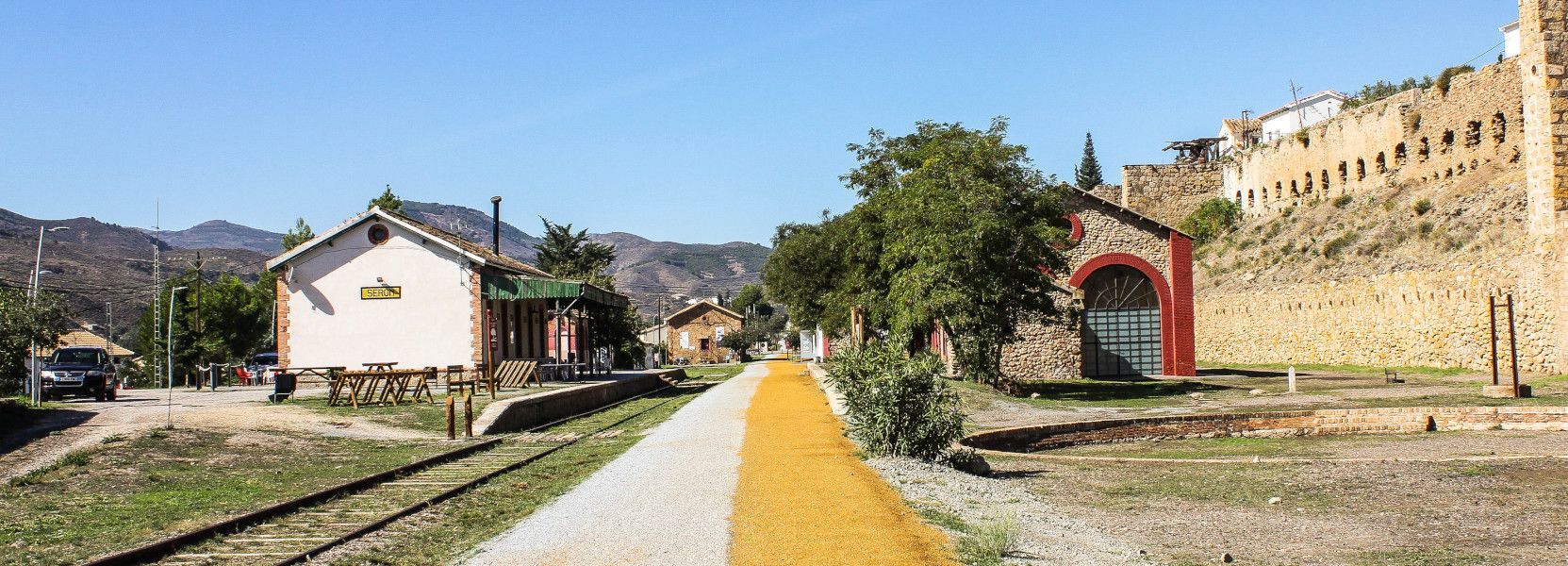
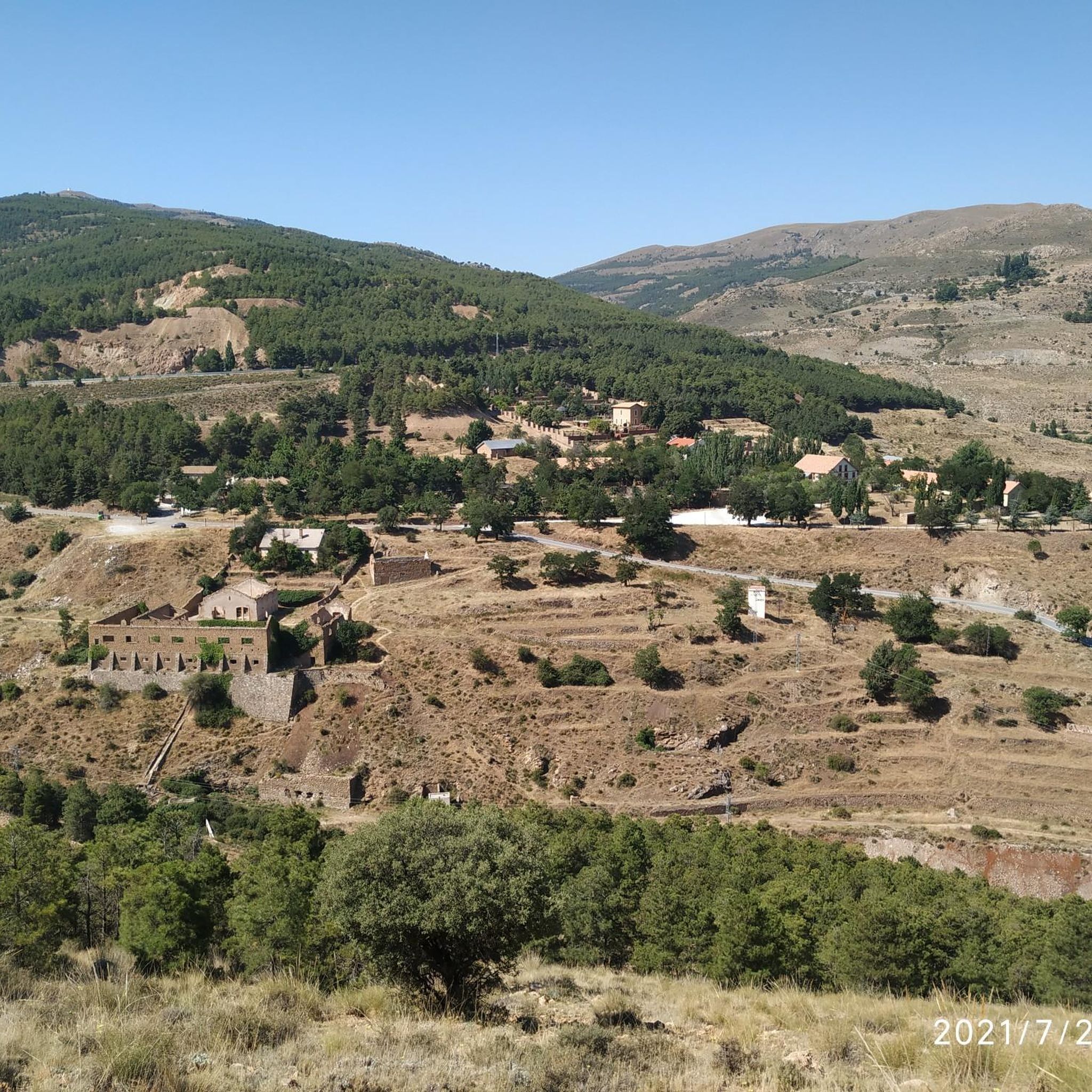
La Encina del El Marchal del Abogado seems to emerge from a world of beings from fairy tales. It is an example of those rare botanical individuals that has survived thousands of years, witnessing the passage of time and the radical transformations of its environment. The common sense of the people, the overwhelming logic has protected them for generations and has allowed them to survive over so many years, tree species that are part of the bustle of people, peoples and their history. In the Almanzora Valley there is an important and still unknown tree mass cataloged and singled out in aspects as diverse as its longevity, a capricious morphology, height or its symbiosis with the nearby population. The Encina del El Marchal del Abogado, located in the municipality of Serón, is an obvious example due to its unique shape, since it offers a perimeter of trunk that exceeds six meters and symbolizes, together with the Poplar of El Marchal del Abogado, a set of opposites that represent the versatility of the arboreal world and evoke the well-known couple of knight and squire. Close to the Sierra de Baza Natural Park, in addition to the area's interesting monumental and ethnographic heritage (Las Menas de Serón mines), the headwaters of the Almanzora offer an interesting Greenway for non-motorized enjoyment. This unique botanical specimen is part of an excellent group of unique trees that dot the Almanzora Valley and its slopes: Acerolo del Cortijo de las Iglesias, Cornicabra del Puente de El Valle, Encina de El Marchal de El Abogado, Poplar de El Marchal de The Lawyer, Encina de la Fuente el Pino, Encina de los Trébedes and Olivo de las Lomas.
0
0
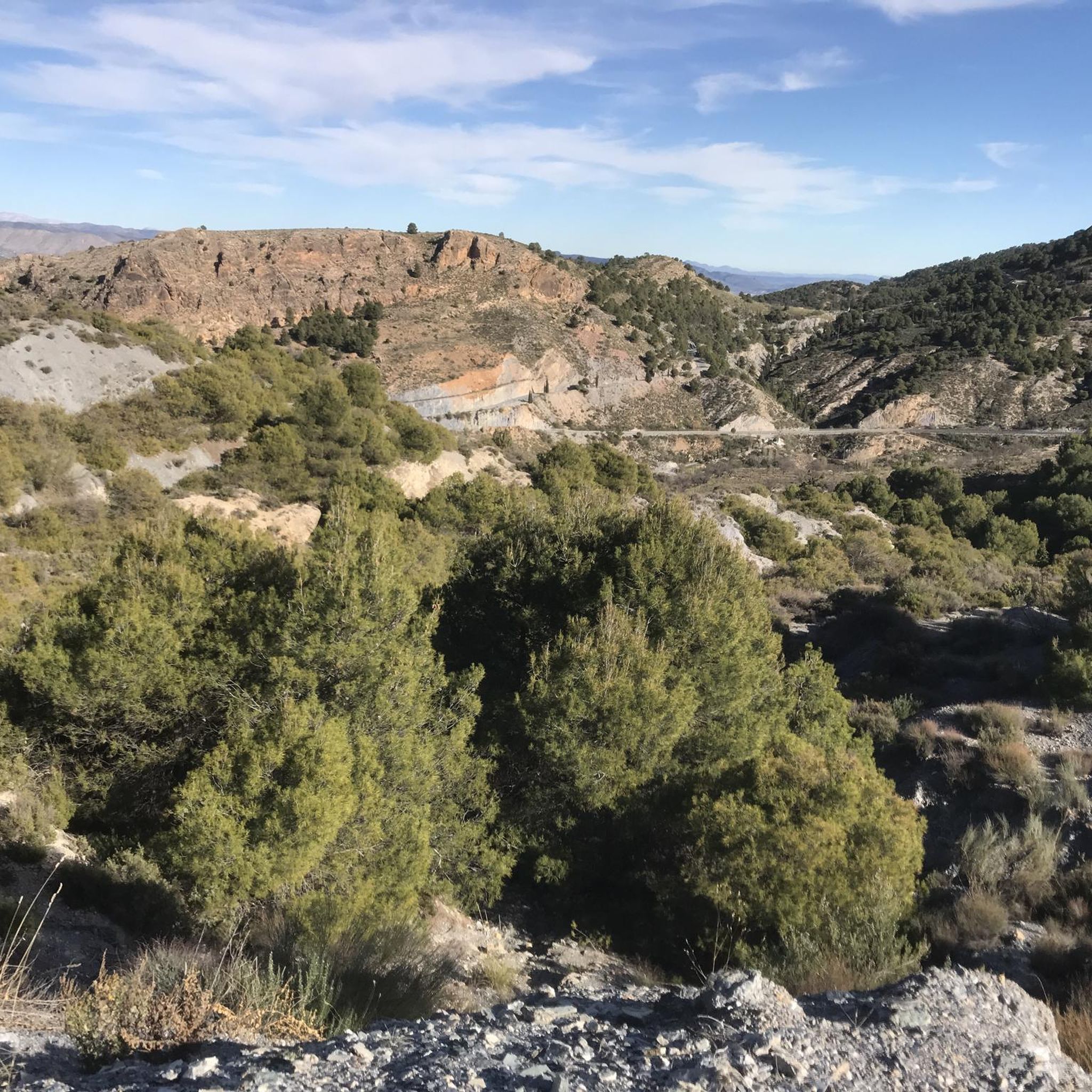
Outcrops of carbonate alpujárrides materials that are what make up the aquifer. The schists, phyllites and quartzites define the eastern and northern impervious substratum and edges, while contributing to the compartmentalization of the aquifer due to the existence of numerous tectonic scales. The southern and western limits are occupied by Miocene and Plioquaternary materials, which except those that make up the alluvial of the Almanzora River are of low permeability. The thickness of the limestone and aquifer dolomites is estimated at 300 m. The feeding of the aquifer comes from the direct infiltration of part of the rain that falls on the permeable outcrops and from the surface run-off waters, coming from the shales and phyllites of the environment. The discharge is produced by boreholes and by springs and galleries located on the southern edge. This group of springs emerges together with a group of small Triassic carbonate outcrops that emerge in the Almanzora valley, in the middle of the Miocene loamy pack. The waters of these springs present the peculiarity of being slightly thermal (28 ° C or more), the most important being Cela, Perica, Cañada y Plaza, Algibe and Huelago. This thermalism is also manifested in certain soundings, some of which are upwelling. The springs and galleries that are controlled show flows with slight decreases with a contribution of 3 to 4 Hm3 / year. The evolution of levels and flows of springs reveals the compartmentalisation of the aquifer in different blocks. Like the Cela spring, the Fuencaliente upwellings are possibly linked to the existence of an important fracture, or zone of fractures forming the "horst" of Fuencaliente, parallel to the edge of the Almanzora depression, thanks to which the emergence of water will take place, which would have circulated in depth through the carbonate formations of alpujarrides units.
2
0
セロンでのの人気観光スポット

komootモバイルアプリでインスピレーションを得よう


さらに探索
これらのガイドで、最高の洞窟を探す範囲を広げましょうセロンでの:
