マウナンの天然記念物・トップ5
マウナンが誇る美しい風景を見てみたいなら、マウナンの素晴らしい天然記念物・トップ5
に行ってみましょう。あなたにぴったりの場所が見つかるよう、素晴らしい天然記念物を探索するために必要なすべての情報を集めました。次のアウトドアの冒険に出かける計画の参考にしましょう。
最終更新日: 11月 14, 2026
カヴェラック港
ハイライト • 集落
役立つ情報 は

ローランド・ポイント
ハイライト • 歴史的な場所
役立つ情報 は
今すぐサインアップして、こんな場所を発見しよう
最高のシングルトラック、ピーク、その他のエキサイティングなアウトドアスポットのおすすめを受け取ろう。
Trebah Garden
ハイライト • 自然
翻訳を表示中
役立つ情報 は

リザード国立自然保護区
ハイライト • 展望台
Over 250 species of national …
役立つ情報 は

Pennance Point
ハイライト • 自然記念物
役立つ情報 は
無料でサインアップして、さらに多くの自然記念物を発見しましょう マウナンでの。
すでにアカウントをお持ちですか?



コミュニティからのヒント

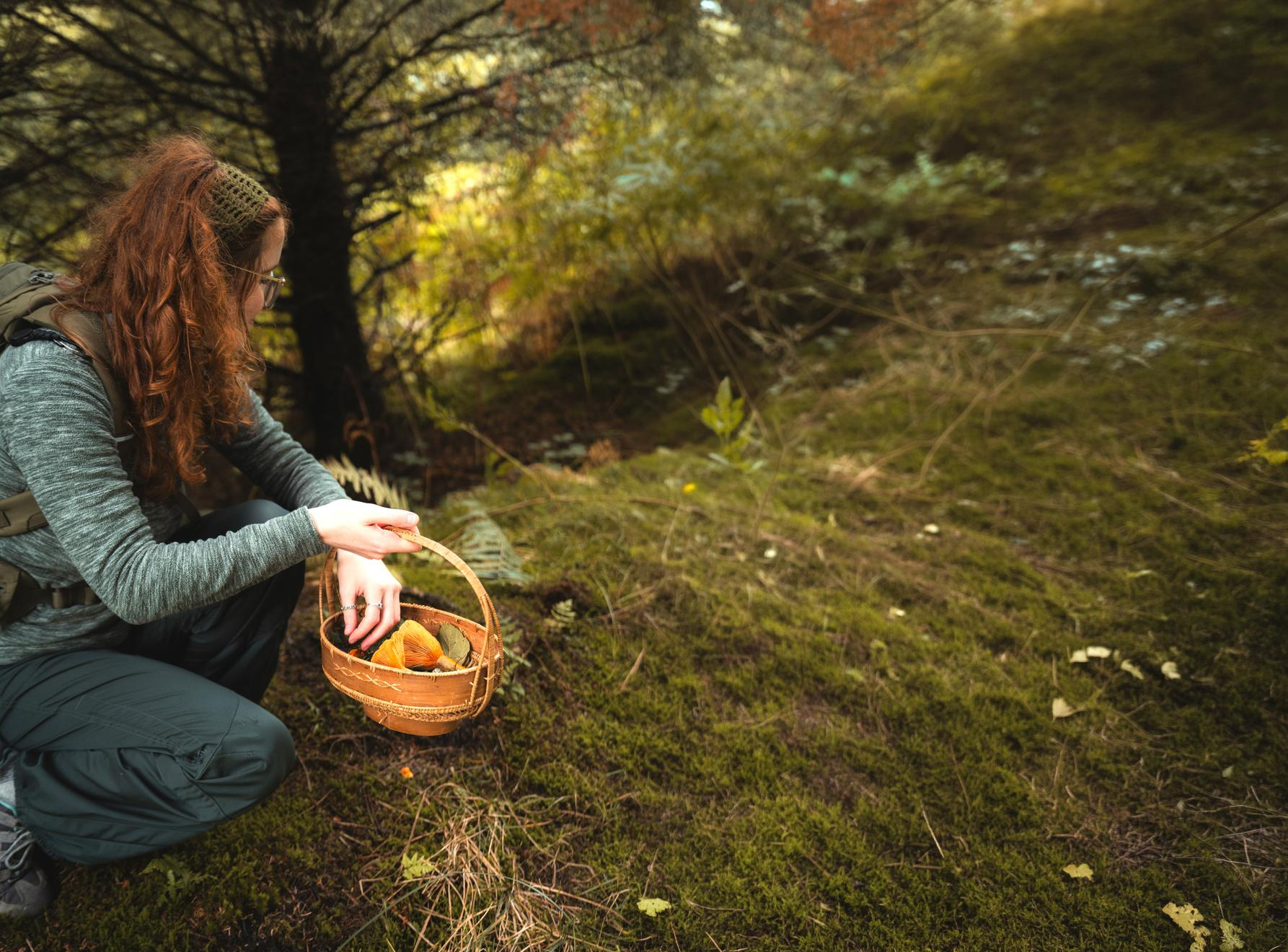
亜熱帯庭園の起源は19世紀にさかのぼります。今日、世界中の植物が色彩と形の壮大な相互作用を生み出しています。ヤシや木生シダ、樹齢数世紀のシャクナゲ、そびえ立つ竹、水の庭園、そしてチリクームの木々の色鮮やかな秋の紅葉に魅了されてください。
0
0


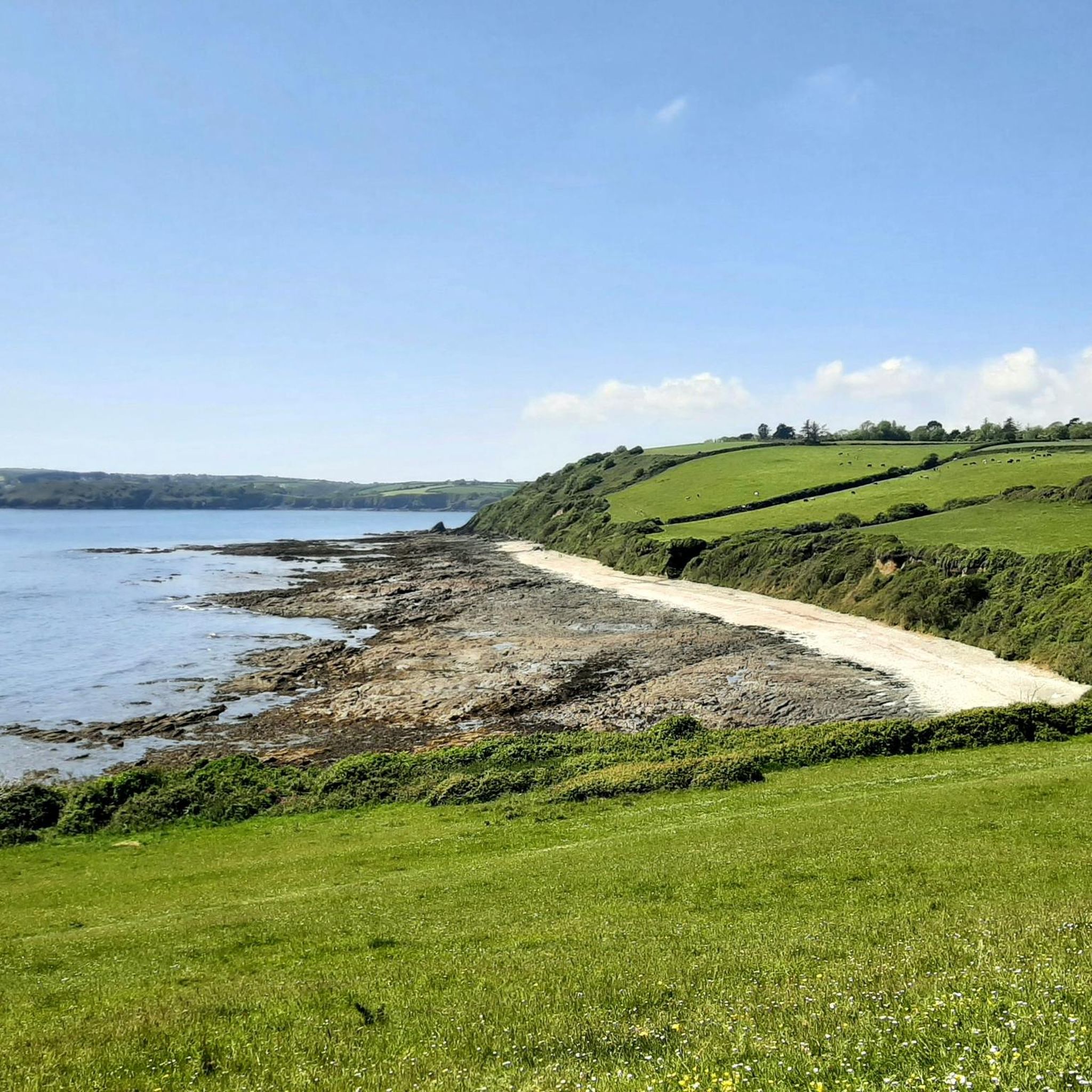
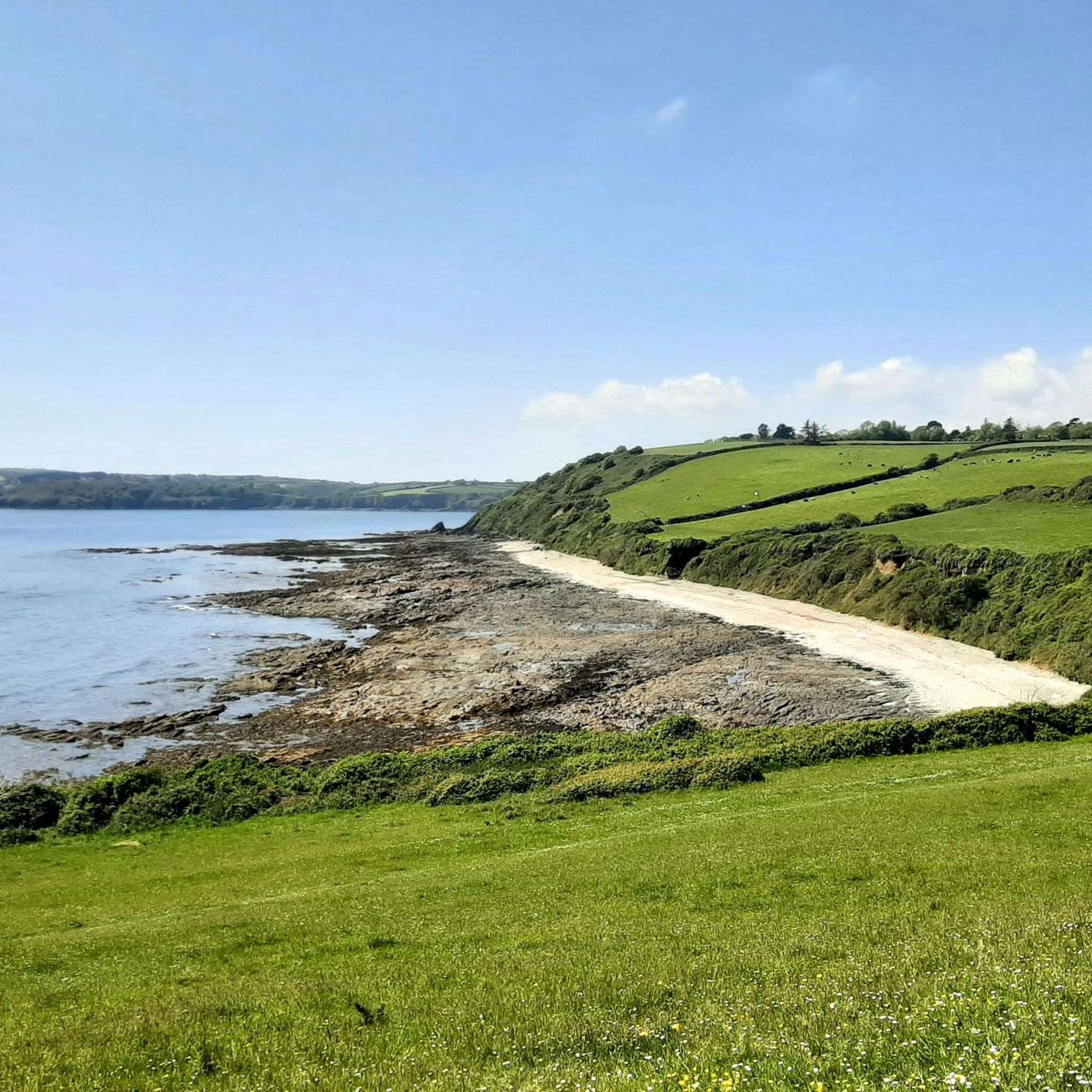
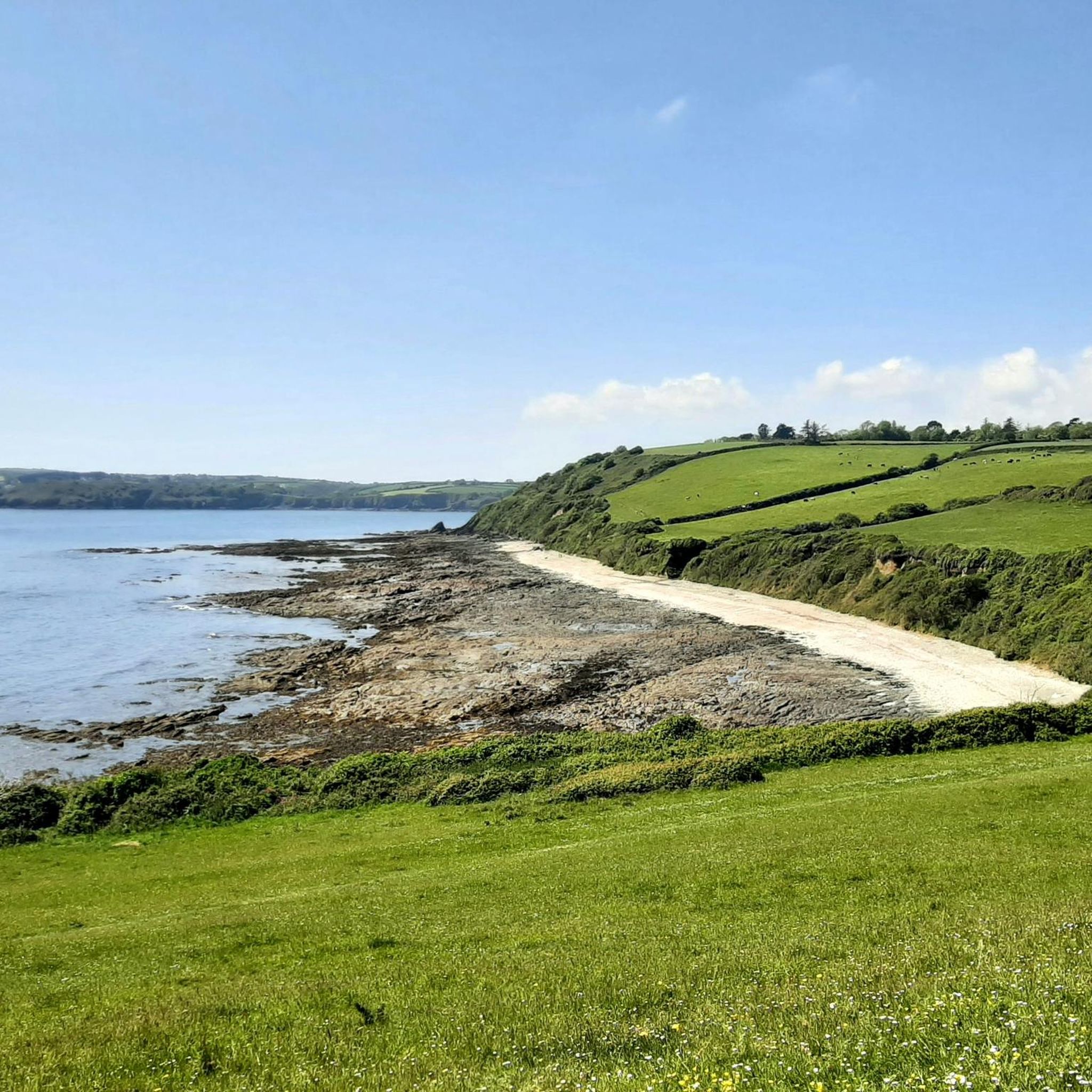
In prehistoric times when the sea was higher, this was a beach. Look north east from here and you can see the manacles, a hidden granite reef which has been the cause of hundreds of shipwrecks.
0
0
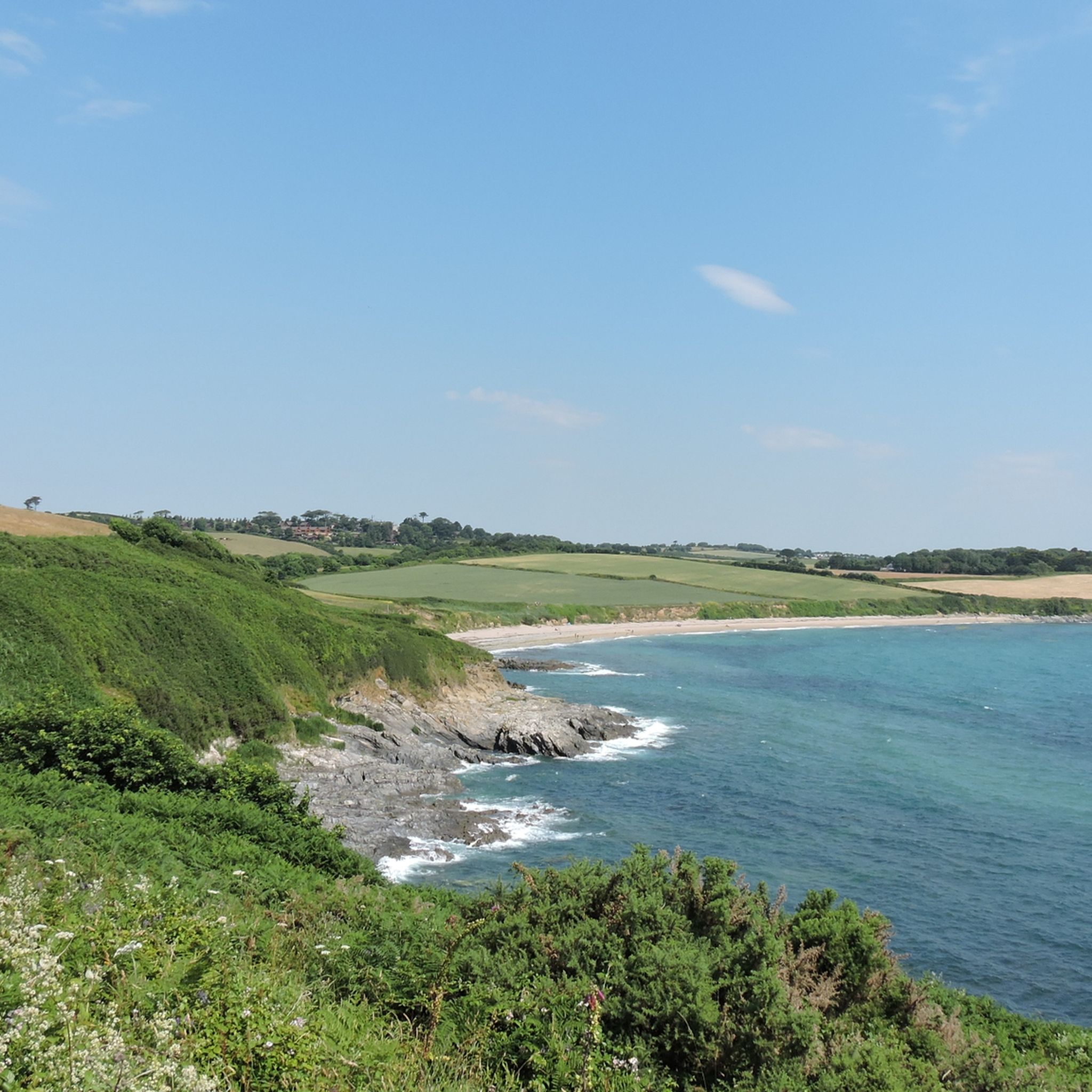
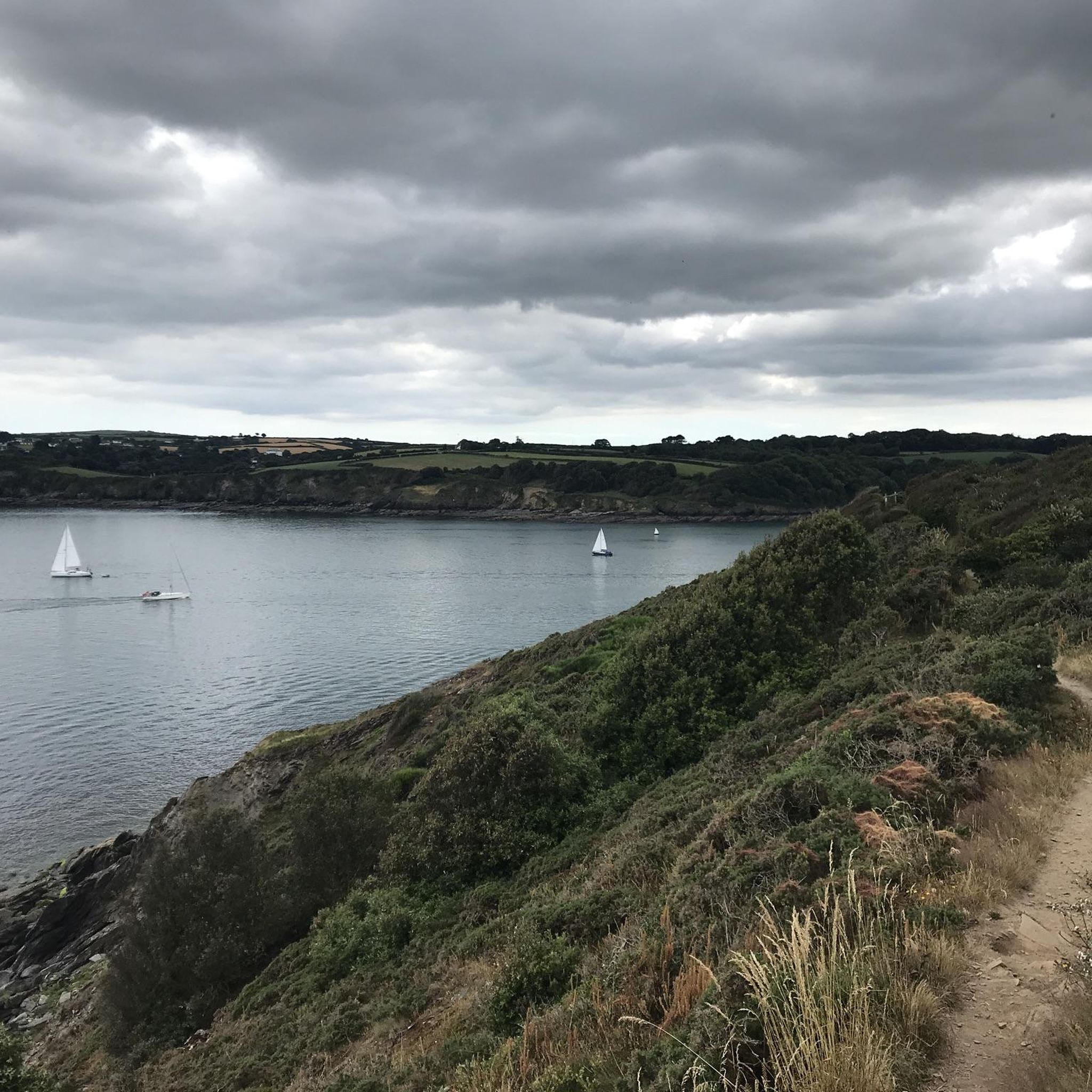
From Pennance Point you can look south to Newporth Head. Considering how close to Falmouth you are, it's amazing how far away from anywhere you feel here.
0
0

The monument includes a complex multi-period archaeological landscape of settlements, field systems and various manufacturing sites, situated on a wide band of sloping coastal cliffs between Lowland Point and Coverack. The archaeological remains survive as extensive standing rectilinear fields and enclosures; stone hut circles and other settlement sites; and their associated buried deposits and features which range in date from the Mesolithic to the early medieval periods. There have been numerous partial excavations, mainly from the first half of the 20th century, which have provided considerable information about the site. Chronologically, the earliest evidence for use of the area is a Mesolithic flint working site on a platform on the southwestern side of Carrick Crane Rocks. Excavated in 1933, it produced around 650 worked flints and some Iron Age pottery. Several chance finds of Neolithic pottery have been made, hinting at the occupation of the area during this period. Several of the hut circles, at least one of which had an annexe, have also been excavated with recorded finds from these including pottery (Bronze Age to Iron Age), stone rubbers and an iron blade. The settlements were associated with an extensive field system of rectilinear fields and enclosures covering over 4 hectares. A Romano-British salt working site of the 2nd century AD was also identified. Here salt was evaporated from sea water in two rectangular, superimposed stone-built ovens housed in an oval building and connected with a field system which extended for over a hectare. Large quantities of pottery were recovered from the salt works and its walls, as excavated, stand up to 1m high. An early medieval settlement of two dwellings with associated irregular enclosures was also excavated and found to contain an assemblage of at least 60 vessels from 500 - 900 AD, the majority of which came from one building identified as the site of a kiln. The various excavators, surveyors and specialists included: OP Serocold, G Maynard, FM Patchett, DPS Peacock, J Manehip White, V Favell, C Thomas, and H Quinnell. Further extensive archaeological remains survive in the vicinity and are not currently included in the scheduling because they have not been formally assessed. Sources: HER:- PastScape Monument No:-426434, 426440, 426449, 426452, 426443 and 426521,
0
0

You will find food and drink in Coverack. it is a pleasant place to relax.
8
0
Coverack is a pleasant fishing village with a fishing harbor and sandy beach. At the moment (2022) the beach is being worked on so that it is only partially accessible.
7
0
This is a very picturesque part of Coverack, pleasant to walk through.
7
0
マウナンでのの人気観光スポット

komootモバイルアプリでインスピレーションを得よう


さらに探索
これらのガイドで、最高の洞窟を探す範囲を広げましょうマウナンでの:
