ストーントンの天然記念物・トップ4
Stoneton CP周辺の最高の自然記念碑には、さまざまな歴史的および自然の特徴が含まれています。この地域は、自然景観と人間の遺産が融合した史跡を通じて、地域の歴史と地質に関する洞察を提供します。訪問者は、重要な自然地域へと姿を変えた古代の井戸やかつての採石場跡を探索できます。この地域は、自然環境と歴史的物語の両方とつながる機会を提供します。
Stoneton CP周辺の最高の自然記念碑
- 最も人気のある自然記念碑は、ホーリーウェル、バートン・ダセットです。これは、かなりのギリシャ様式の石造りの井戸小屋がある史跡です。荒廃したバートン・ダセット村にあり、「聖なる井戸」であると主張されています。
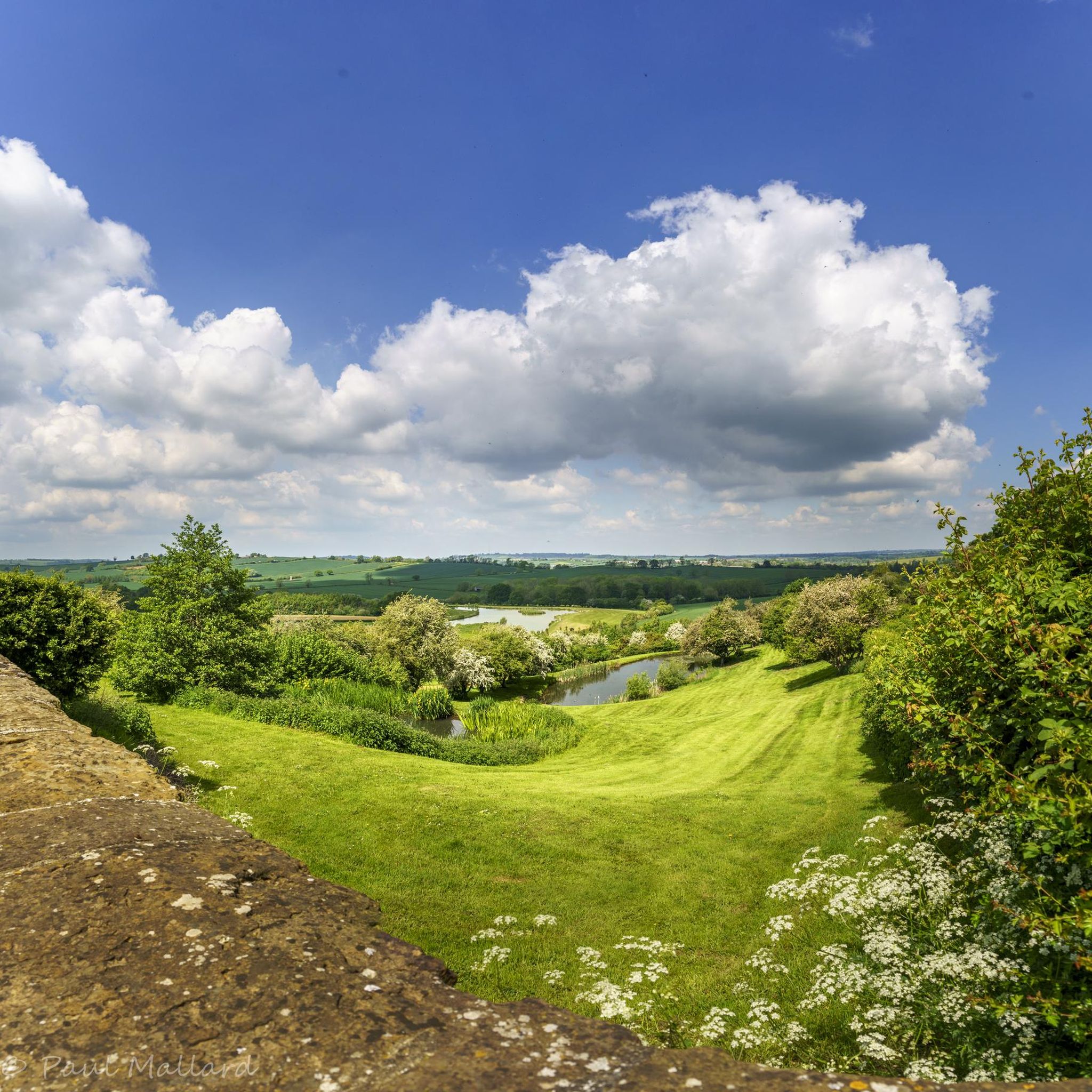
- もう一つ必見の場所は、ハーツ・ヒルです。これは、はっきりと見える円形の土塁を特徴とする自然記念碑です。この場所は眺めも良く、歴史的にも重要です。
- 訪問者はまた、ホーリーウェル、サウサムも気に入っています。これはイングランドで最も古く記録された聖なる井戸であると信じられている自然記念碑です。その石造りの構造は水を保持し、水が流れ出る3つの彫られた頭を持っています。
- Stoneton CPは、史跡、自然記念碑、景観で知られています。この地域には、古代の井戸や地質学的形成を含む、さまざまな自然記念碑があり、見たり探索したりできます。
- Stoneton CP周辺の自然記念碑は、komootコミュニティによって高く評価されており、25件以上の「いいね」と訪問者によって共有された4枚の写真があります。
最終更新日: 8月 23, 2026
ホーリー・ウェル(サウサム)
ハイライト • 自然記念物
役立つ情報 は

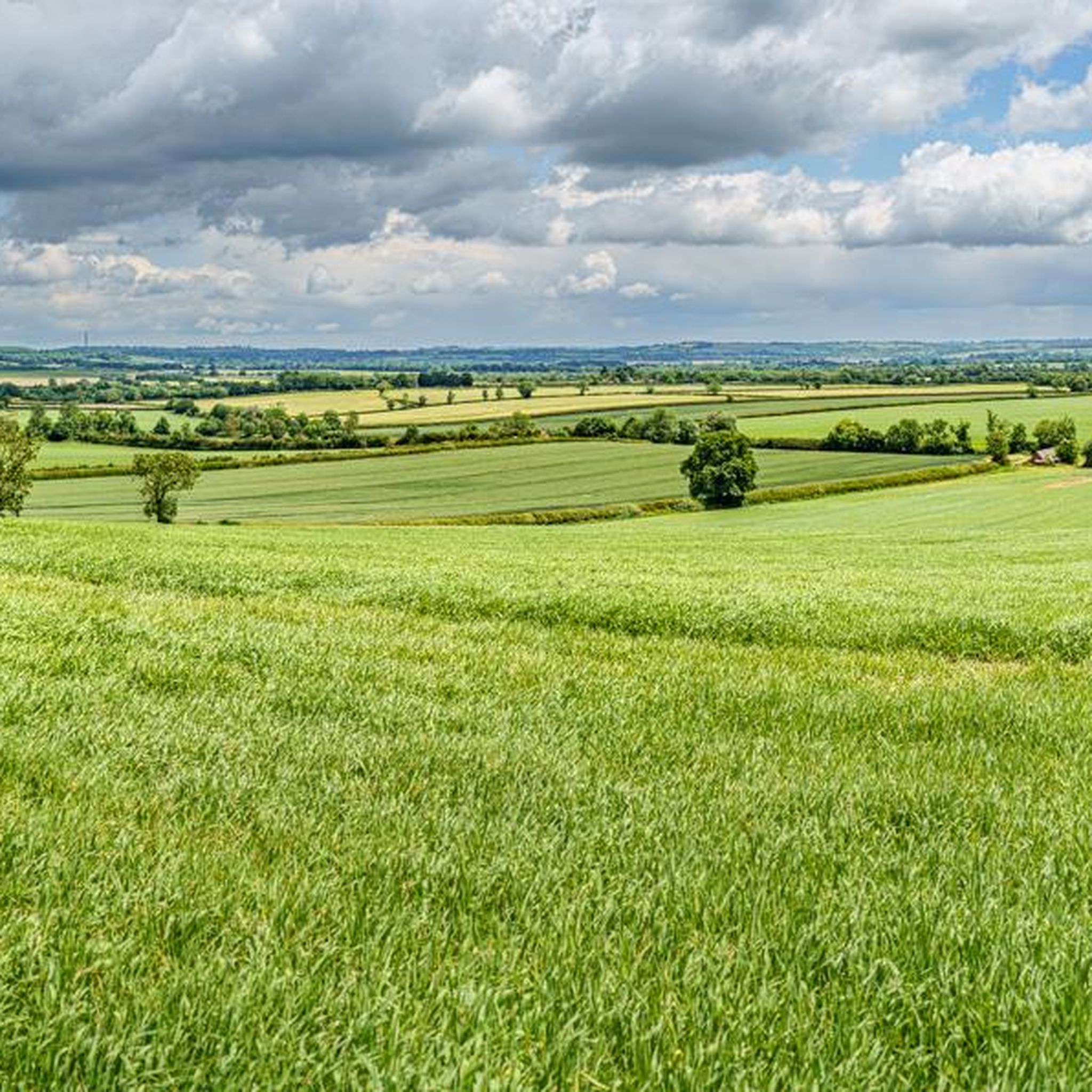
ビショップス・ボウル・レイクス
ハイライト • 自然記念物
役立つ情報 は

今すぐサインアップして、こんな場所を発見しよう
最高のシングルトラック、ピーク、その他のエキサイティングなアウトドアスポットのおすすめを受け取ろう。
無料新規登録
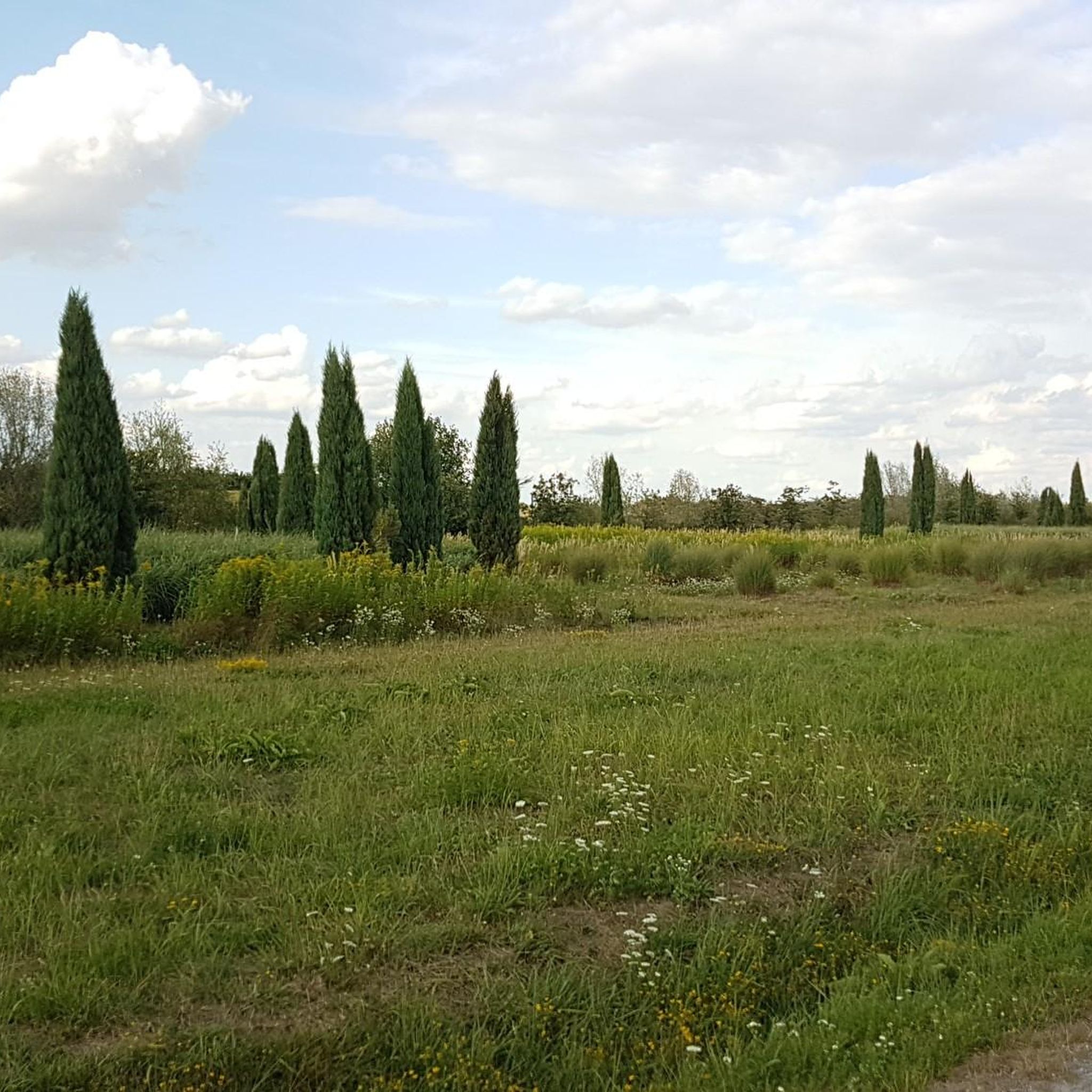
エッジコートの戦い
ハイライト • 展望台
役立つ情報 は
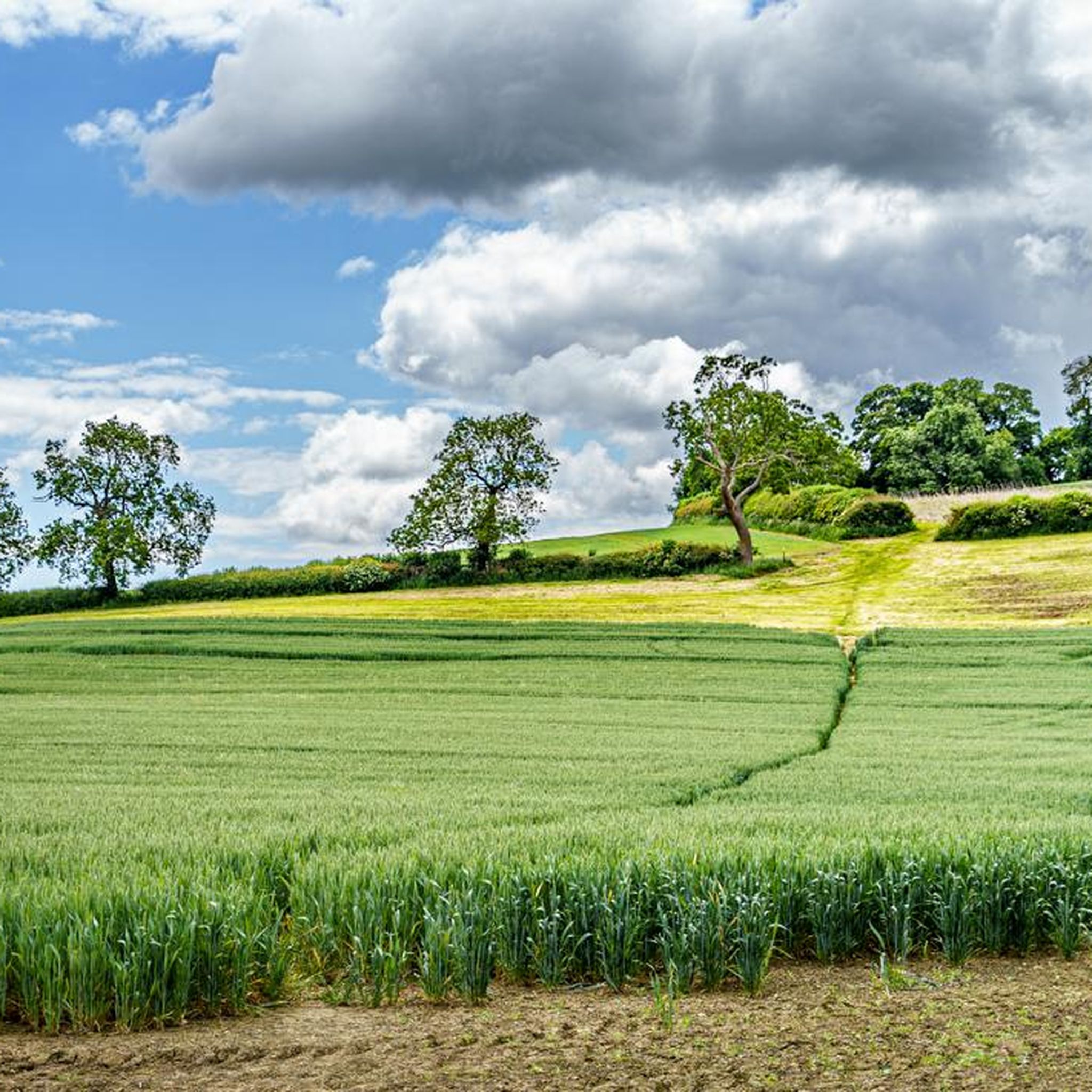
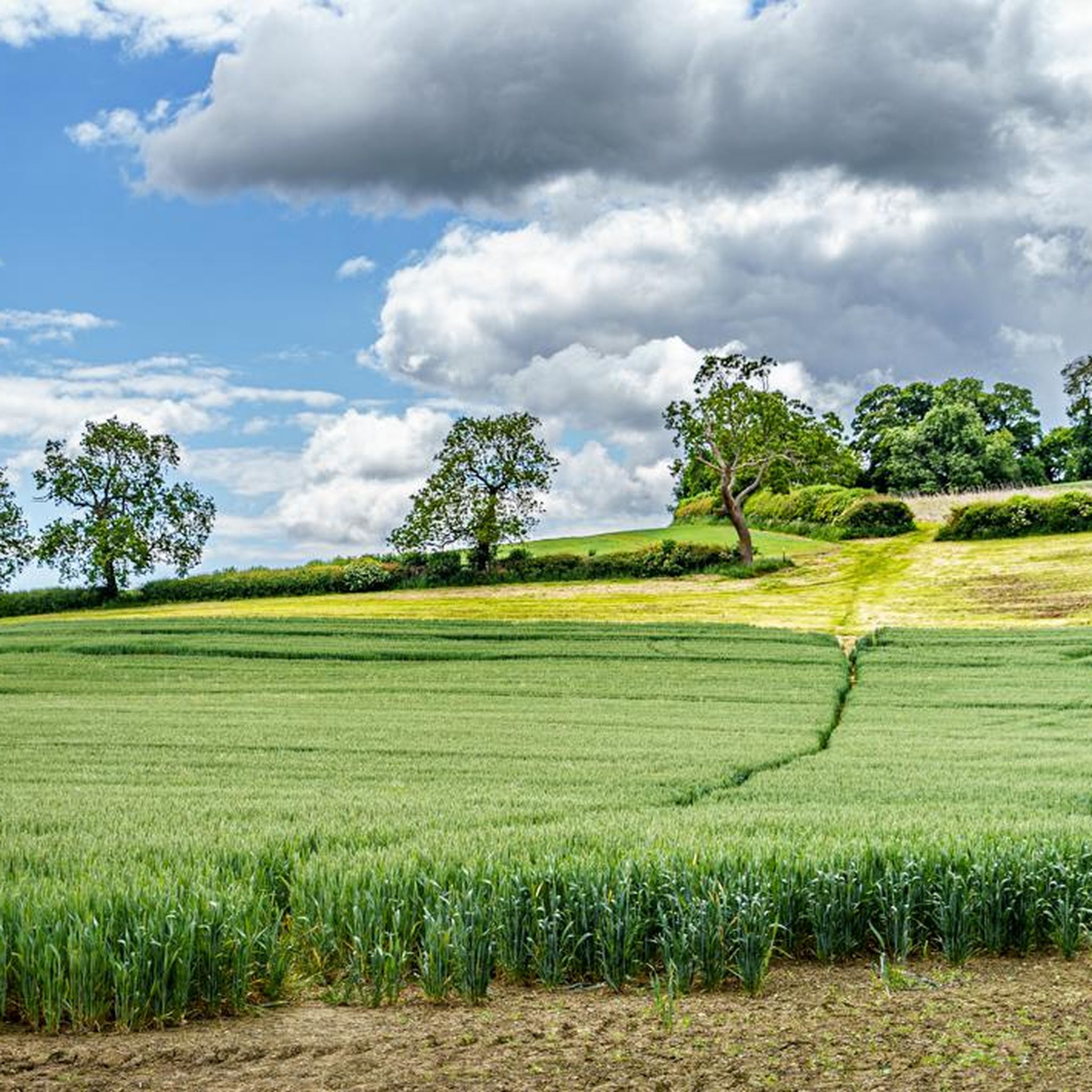
ハーツ・ヒル
ハイライト • 自然記念物
役立つ情報 は
無料アカウントで今日から始めよう
次の冒険が待っています。
ログインまたは登録
コミュニティからのヒント

It is an unusual half-moon stone structure holding the water, with three strange heads out of whose mouths the water flows down to the river.
0
0

We had to double back on ourselves slightly to see the lakes, as they were hidden behind a hedge
0
1

If you follow the beautiful trail that departs from Southam heading east and runs alongside the River Stowe, you will come across The Holy Well, believed to be the oldest recorded Holy Well in England. It has been there for over a thousand years, with its most recent renovation taking place almost twenty years ago.
1
0

A circular earthwork is clearly visible on the ground on Harts Hill. It measures approximately 15m internal diameter, the ditch is 2m wide and the entrance (facing SE) is 2.5m across.
0
0
The site of a holy well which dates to the Medieval period, though the stone work surrounding the well dates to the Imperial period. Further restoration has taken place in the 20th century. It is situated 800m west of the church, Southam. Oldest recorded holy well in England? The first mention of the well is apparently 998, when it is mentioned in a charter to Leofwine by King Ethelred the Unready as a consequence as the term holy well per se derives from Old English halig this is probably the oldest recorded. However, it does not appear to be specifically mentioned as such. However in a Feet of Fines there is a notice in 1206 of a: “half acre land at Hallewellcul to the north” Over the next 800 years there then appear to be regular references to the well. By the 18th century there is reference to some sort of protective structure, although the date of the current structure cannot perhaps be gauged from these references. By 1701 a record notes that the Rector was exempted from keeping the well and fencing in repair: “one footway of the breadth of three feet leading from a certain stile at the bottom of an ancient enclosed ground called Bury Orchard towards Ufton by the Brook to the said well called Holy Well.” By 1760, a public footpath to the well was made permanent in an Act of Parliament and the enclosures act noting: “it is hereby further enacted and declared, That the said Well, called Holy Well, in the said Open Fields of Southam aforesaid, shall not be allotted to any of the said Proprietors, but shall be inclosed round with Posts and Rails, Three Yards at least distant from the Stone-work of the said Well, by, and at, the Expence of all the said Proprietors, and shall be kept for the Benefit of all the Inhabitants of the Parish of Southam aforesaid; and which said Posts and Rails shall, forever thereafter, be repaired and kept in Repair by, and at, the Expence of the Inhabitants of Southam aforesaid; and that the said Commissioners, or their Successors, or any three or more of them, shall assign, or lay out, a Footway from the Town of Southam aforesaid, to the said Well..” Healing eye water The main two properties, other than a possibly being better than beer, is that it was very cold but never froze and that it was good for eyes. Indeed, its powers in restoring eyes lead to a Henry Lilley-Smith establishing in 1818 an eye and ear hospital not far. Local remedies also recall how to make a tincture with the well water for eyes. The well of St Fremund? One of the possible reasons for the site being a holy well is that it was associated with the Mercian saint Fremund. The Life and Death of the Most Holy Fremund, King and Martyr by Burghard, 12th century (tr. from text in Nova Legenda Anglie ) tells how St Fremund, having been beheaded: “stood up as if nothing had happened, picked his head up off the ground, and set out with the head in his hands. The crowd were amazed at this miracle and followed in his tracks, praising God. He made his way to a spot between Itchington and Harbury, and when he got there he took a stand and thrust the point of his sword in the ground. He prayed to God for a little water to wash his head and body, and what he sought, he gained. For a spring welled up at this very spot, flowing in an unfailing stream and proving the merits of this famous martyr before all the world. He drank of its waters, he washed his wounds, he gave honour to that God in whom all live and have their being. Then turning his head to the east, he sank dead to the ground”. The Metrical Life of St Fremund by William of Ramsay, 1194×1220 (tr. from text in Pinchbeck Register 1925) repeats the story from Burghard, detailing how ‘No sooner had he wished for water than a spring appeared/ Purer than dew, clearer than crystal, finer/ Than gold, and scattering silver sands’. Later, the Life of Sts. Edmund and Fremund by John Lydgate, 1434 tells how “there sprong up a welle/ With crystal watrys the stremys gan up welle;/ And wessh away the blood that was so red,/ Which doun disttillyd from his hooly hed”. egend has it that Fremund was a son of Kind Offa of Mercia. After his death, a great battle ensued at Radford Semele against the invading Vikings in which Fremund was completely victorious. However as Fremund knelt in prayer of thanksgiving one of his own men envious of his success struck off his head. However the legend suggests that the well was not at Southam. For when his corpse stood up, picking up his head and walking away; he stopped somewhere between Harbury and Whitton, possibly Whitnash and there a miraculous well sprung up at his feet, in the water of which he washed his head then lay down and died. This would go against the view that the Southam well is the same. Well preserved fabric The first description of the site is Carlisle (1812) ‘Observations on the positions of the alien cell of Begare, and of Halywell upon Watling Street’ who describes: “a well of very fine clear water, called Holywell, or Halywell, which has always been reputed salubrious. It is… perpetually overflowing, without much variation from the seasons. It is a basin on the declivity of a rising ground. Its form is the larger section of a circle; the bottom is paved with smooth stones; and the sides are walled with the same, a little higher than the water stands, which is about two feet deep. It was formerly nearly encompassed with another wall, and upon a stone, at the mouth of the well, the words Utere, sed non abutere were inscribed.” However it was apparently in decline by the 1850s as an article written on the 6th October 1855 in the Warwickshire Advertiser describes: “on the foot road from Southam to Stoney-Thorpe, the residence of H T Chamberlain Esq., is an Ancient Well called ‘Holy Well’ now in a dilapidated condition; but even in its present state, the massive stone work, with curious and not very elegant carved head shews it to have been at one time an object of interest. Its earlier history is not clear, some asserting that it was the source from which Stoney Thorpe was supplied with water when used as a Priory ……it is a large semi-circular well about five feet deep embanked with massive stone masonry, and is supplied by a powerful spring of the Purest Water. It lies at a lower level than the Town, otherwise it might without much expense, be made most valuable for domestic and sanitary purposes. Tradition says it formally had a stone seat placed round it; was furnished with drinking vessels, and covered by an Arched Stone Roof; thus affording refreshment to the Traveller, and a pleasant resort to the health seeker. It is now proposed to restore by a public subscription, this beautiful relic of antiquity, and a considerable sum has already been promised.” This restoration is described by Freton (1890) in his The Warwickshire Feldon: a sketch of its hills and valleys, waters, famous trees, and other physical features in the Proceedings of Warwickshire Naturalists’ & Archaeologists’ Field Club, states that around 40 years ago: “I and a few enthusiastic friends undertook to clear out this old well, in the hopes that it might lead to its ultimate restoration. Our efforts as amateur navvies excited little sympathy among the rough labouring lads of the neighbourhood, who seemed to look upon us as having a slate off, and we invariably found our labour of one evening fruitless the next, so after a week’s hard work we gave it in.” Certainly when Richardson (1928) found it as: “a semicircular recess in the bank. A low retaining wall – recently renovated – prevents the bank from slipping down into it. At its foot is a flagged path along the curved margin of the semicircular well. Impounding the water in the well… is low two buttressed stonework. The stonework is much mutilated, the water flowing over the two broken and worn ends; but the central portion is higher and has three faces sculptured on it from orifices below which the water spouts out. Two flights of steps– that on the left with three steps, that on the right with four – lead down to a “trough” below the stonework”. The most curious facet of the well are the well worn, and hence presumably ancient carved heads. What is their origin? Thoughts have ranged from effigies of sun gods to the recycled remains from a priory or church. I certainly favour the later and they were probably gargoyles and incorporated in the fabric in the 18th century. This may explain why they look more worn than would be expected if was last constructed in that century. However, it seems odd to have incorporated them and it may have been an attempt to produce a folly for a local lord. Well restored However, despite Richardson’s favourable visit, not everything was positive. In 1925 the water was diverted into a reservoir and the provision of mains water artesian wells in the 1930s took their toll on the flow, an article in a local newspaper noting that: “the Holy Well itself a few yards away has been partly emptied, and no water now flows into its basin in dry weather.” By 1981, Brian Townsend noted in Southam Through the Centuries III notes it was little more than a trickle but a year after clearing out and restoration by the Community Enterprise Programme restored the flow through the heads. Yet by 1991 it was dry again, possibly as the result of quarrying and work on a by-pass. This is what it was like when I first visited…filled with rain water and polluted by crab apples. Through the 1990s restoration was planned but due to various reasons it was never attempted until the early 2000s. By 2005 the water supply was relocated and it could be restored, a Holy Well community was established an Heritage Lottery Fund money of £102,500 was successfully obtained. By 2005-7 the site was splendidly restored with seats and a palisade fence with delightful well related carvings on the posts…a fantastic return to the glory..the crowning of that glory the fact the water flows as profusely as ever. A delightful site and a holy well must.
0
0
Bishops Bowl Fishery sits on a 90 acre former limestone quarry, located on the Oxfordshire/Warwickshire border. The quarry work many years ago has created an attractive stone faced bowl. The whole site is recorded as a site of scientific interest. As at Lyme Regis, the Blue Lias at Harbury is rich in marine fossils. In 1927 and 1928 the skeletons of two marine reptiles were found in Harbury quarry. They are an ichthyosaur and a plesiosaur, and both fossils are now in the Natural History Museum, London. The plesiosaur is the unique example of the early Jurassic species Macroplata tenuiceps.
1
0
The Battle of Edgecote Moor took place 6 miles (9.7 km) north east of Banbury, Oxfordshire, in what is now the civil parish of Chipping Warden and Edgcote, England on 26 July 1469 during the Wars of the Roses. The site of the battle was actually Danes Moor in Northamptonshire, at a crossing of a tributary of the River Cherwell. The battle saw supporters of Richard Neville, Earl of Warwick, defeat the forces of King Edward IV, leading to the king's capitulation soon afterwards.
1
0
よくある質問
Stoneton CP周辺で最も注目すべき自然記念物は何ですか?
Stoneton CP周辺には、いくつかのユニークな自然記念物があります。ギリシャ様式の井戸小屋で知られるバーٹن・ダセットの聖なる泉の歴史的・自然的意義を探訪できます。もう一つの重要な場所は、イングランドで最も古い記録に残る聖なる泉と信じられており、修復の歴史と地元の伝説に富むサウサムの聖なる泉です。異なる自然体験には、かつて石灰岩採石場であったビショップズ・ボウル・レイクスを訪れてみてください。ここは現在、海洋化石の宝庫として学術的関心事の場所として認識されています。
Stoneton CPの近くに家族で訪れるのに適した自然記念物はありますか?
はい、サウサムの聖なる泉とエッジコートの戦いの史跡は、どちらも家族連れに適していると考えられています。聖なる泉は興味深い歴史的・自然的な場所を提供し、エッジコートの戦いの史跡は、家族にとって魅力的な歴史的文脈を持つ展望地点を提供します。
これらの自然記念物はどのような歴史的意義を持っていますか?
この地域の多くの自然記念物は、歴史と深く結びついています。例えば、サウサムの聖なる泉は、998年に遡る記録や癒しの力を持つという伝説があり、イングランドで最も古い記録に残る聖なる泉と信じられています。バーٹن・ダセットの聖なる泉は、その正確な起源は不明ですが、洗礼に使われたという歴史的な主張があります。さらに、エッジコートの戦いの史跡は、1469年の薔薇戦争中の重要な出来事を記念する場所であり、歴史的な展望を提供します。
Stoneton CP周辺でユニークな自然の特徴や地質学的サイトを見つけることはできますか?
もちろんです。ビショップズ・ボウル・レイクスは、90エーカーの広さを持つかつての石灰岩採石場に位置する代表的な例です。ここでは魚竜や首長竜の骨格を含む豊富な海洋化石が見つかるため、学術的関心事の場所として認識されています。また、歴史的意義を持つ自然記念物であるハーツ・ヒルでは、円形の土塁を観察することもできます。
Stoneton CP周辺の自然記念物の近くでどのようなアウトドアアクティビティができますか?
この地域では、さまざまなアウトドアアクティビティが楽しめます。「Wormleighton CP発、Burton Dassett Country Park – Windmill Hill Beaconループ」のようなハイキングルートが多数あります。ランニング愛好家には、「Fenny Compton発、Harts Hill – Burton Dassett Country Parkループ」のようなトレイルがあります。マウンテンバイクも人気があり、「Southamループ」のようなルートもあります。さらに多くのオプションは、Stoneton CP周辺のハイキング、Stoneton CP周辺のランニングトレイル、Stoneton CP周辺のマウンテンバイクトレイルのガイドページでご覧いただけます。
自然記念物の中に展望地点はありますか?
はい、エッジコートの戦いの史跡とハーツ・ヒルの両方に展望地点があります。エッジコートの戦いの史跡は、デーンズ・ムーアを見下ろす歴史的な眺めを提供し、ハーツ・ヒルには円形の土塁と風光明媚な景色があります。
サウザムのホーリー・ウェルは、特にどのような点が興味深いのですか?
サウザムのホーリー・ウェルは、いくつかの理由で魅力的です。イングランドで最も古く記録に残る聖なる泉(Holy Well)であると考えられており、998年に初めて言及されています。地元の言い伝えによると、その水は目の病に効くと言われ、19世紀には近くに眼科・耳鼻科病院が設立されました。また、水が流れ出るユニークな三つの彫刻された頭を持つ三日月形の石造りの構造があり、何世紀にもわたる大規模な修復作業が行われてきました。
古代の建造物や土塁は見られますか?
はい、ハーツ・ヒルでは、直径約15m、幅2mの溝を持つ円形の土塁が地面にはっきりと見られます。この場所は、自然の地形と歴史的な人間の活動が組み合わさっています。
バートン・ダセットのホーリー・ウェルを探索するのに最適な方法は?
バートン・ダセットのホーリー・ウェルは、廃村となったバートン・ダセット村にあります。1840年頃に地元の赤砂岩で作られた、しっかりとしたギリシャ風の井戸小屋が特徴です。中央の入り口は地面よりやや低く、階段が四角い部屋へと続いています。現在も願い事をしに来る人が訪れ、水の中にはコインが見られることがあります。近くの立派な教会も訪れる価値があります。
科学的関心事でもある自然の記念碑はありますか?
はい、ビショップス・ボウル・レイクスは科学的関心事として記録されています。このかつての石灰岩採石場は、豊富な海洋化石で知られており、特に重要な魚竜や首長竜の骨格は現在ロンドンの自然史博物館に収蔵されています。地質学や古生物学に興味のある方には素晴らしい場所です。
これらの自然の記念碑を含むウォーキングやランニングルートに関する情報はどこで見つけられますか?
コモートでは、この地域のアウトドアアクティビティに関するいくつかのガイドを提供しています。これらの自然の記念碑の近くを通るハイキング、ランニング、マウンテンバイクのルートの詳細を見つけることができます。例えば、「ホーリー・ウェル、バートン・ダセット – ウォームルグストンCPからのバートン・ダセット・カントリーパーク・ループ」は人気のランニングルートです。その他のオプションについては、ストーントンCP周辺のハイキング、ストーントンCP周辺のランニングトレイル、ストーントンCP周辺のマウンテンバイクトレイルのガイドをご覧ください。
ストーントンでのの人気観光スポット

komootモバイルアプリでインスピレーションを得よう


さらに探索
これらのガイドで、最高の洞窟を探す範囲を広げましょうストーントンでの:
