イーストブレントの天然記念物・トップ8
イーストブレントが誇る美しい風景を見てみたいなら、イーストブレントの素晴らしい天然記念物・トップ8
に行ってみましょう。あなたにぴったりの場所が見つかるよう、素晴らしい天然記念物を探索するために必要なすべての情報を集めました。次のアウトドアの冒険に出かける計画の参考にしましょう。
最終更新日: 6月 2, 2026
チェダー・ゴージのクライム
ハイライト (セグメント) • 登山
役立つ情報 は

ブラックダウン山頂と野生のポニー
ハイライト • 自然
役立つ情報 は

今すぐサインアップして、こんな場所を発見しよう
最高のシングルトラック、ピーク、その他のエキサイティングなアウトドアスポットのおすすめを受け取ろう。
無料新規登録
ウェイバリング・ダウン三角点
ハイライト • 自然記念物
Crook Peak
ハイライト • 自然記念物
ドールベリー・ウォーレンの鉄器時代の丘の砦
ハイライト • 自然記念物
役立つ情報 は

無料でサインアップして、さらに多くの自然記念物を発見しましょう イーストブレントでの。
無料新規登録
すでにアカウントをお持ちですか?
無料アカウントで今日から始めよう
次の冒険が待っています。
ログインまたは登録

コミュニティからのヒント


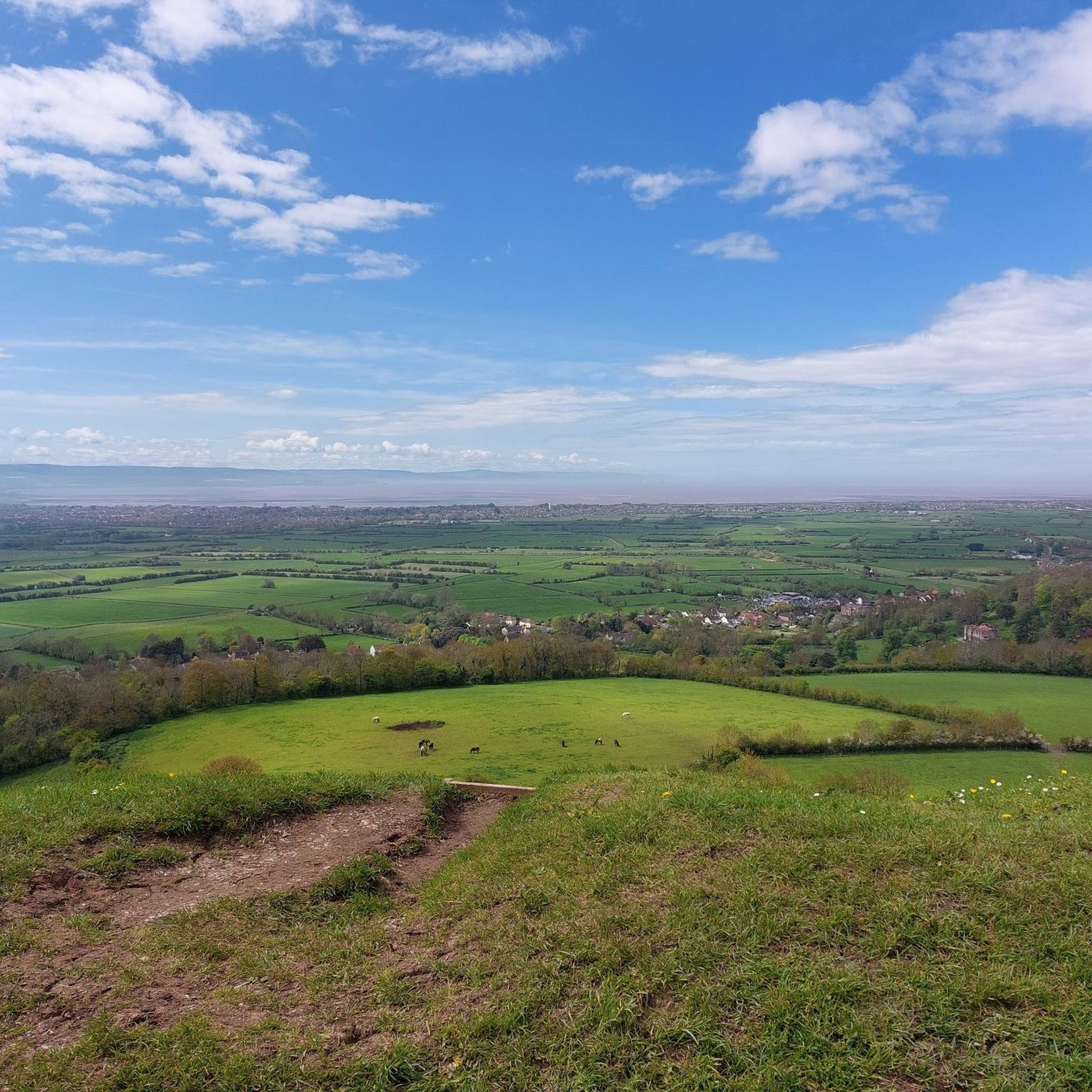
Sticking out from the end from the ridge of rock that runs from the Mendips Crook Peak offers views over from Exmoor too Wales. A particularly great ride from Wavering down back along the ridge.
1
0


Wavering Down is a part if the large area adjoining to Crook Peak which is a geological and biological Site of Special Scientific Interest near the western end of the Mendip Hills Area of Outstanding Natural Beauty in Somerset. As part of the nature reserve management there are wild ponies and sheep grazing to protect the rare plants and flowers that the grassland supports. It is important to keep your dog under close control and on a lead at all times on Wavering Down and Crook Peak. Most of the site is owned by the National Trust who bought 725 acres (293 ha) in 1985, and much of it has been designated as common land. It was notified as an SSSI by Natural England in 1952. The ecology of the area includes ancient woodland and calcareous grassland which supports nationally rare species including the Cheddar pink. The underlying rocks are Carboniferous Limestone containing phreatic caves at Shute Shelve Cavern and Picken's Hole from which fossils dating from the Middle Devensian have been recovered.
3
2
Crook Peak and the surrounding area is a geological and biological Site of Special Scientific Interest near the western end of the Mendip Hills Area of Outstanding Natural Beauty in Somerset. As part of the nature reserve management there are wild ponies and sheep grazing to protect the rare plants and flowers that the grassland supports. It is important to keep your dog under close control and on a lead at all times on Wavering Down and Crook Peak. The summit of Crook Peak is a tilting series of miniature limestone escarpments forms the distinctive crag at the top of the hill, which dominates the stretch of the M5 seen below. Most of the site is owned by the National Trust who bought 725 acres (293 ha) in 1985, and much of it has been designated as common land. It was notified as an SSSI by Natural England in 1952. The ecology of the area includes ancient woodland and calcareous grassland which supports nationally rare species including the Cheddar pink. The underlying rocks are Carboniferous Limestone containing phreatic caves at Shute Shelve Cavern and Picken's Hole from which fossils dating from the Middle Devensian have been recovered.
5
1
This special site is designated as a Site of Special Scientific interest for its valuable wildlife habitats and is a nationally important site for its archaeology from the late Stone Age and Bronze Age through to the Second World War. Black Down provides the largest area of open access on the Mendip Hills at over 400 ha. Black Down, like most heathlands, is formed through a combination of factors– soil type, rainfall and human activity. The underlying Old Red Sandstone rock together with high rainfall created a waterlogged and acidic soil. The removal of tree cover by our Bronze Age ancestors 2,000 years ago helped to make sure that the soil stayed damp and acid. Only certain plants can survive in this type of ground. The key species include heather or ling, bell heather, bilberry, purple moor grass and European gorse, along with mosses and lichens. Now the bracken is managed by harvesting and grazing by cattle and wild ponies to allow the heathers and grasses to flourish again. Black Down supports a wide variety of birds, mammals, reptiles and invertebrates.
3
0
As part of the nature reserve management there are sheep grazing to protect the rare plants and flowers that the grassland supports. It is important to keep your dog under close control and on a lead at all times on Dolebury Warren. Dolebury Warren is an Site of Special Scientific Interest. It is owned by the National Trust and managed by Avon Wildlife Trust. The unusual mixture of wildflowers makes this a nationally important site for wildlife. 'Lime-loving' plants like rockrose flourish alongside such 'acid-loving' plants as bell heather, which survive on patches of acidic sand blown onto the site during the ice age. The visible remains of Dolebury's past include the imposing double ramparts of an Iron Age hill fort and a medieval rabbit warren. This is a nationally protected site of archaeological interest.
5
0
イーストブレントでのの人気観光スポット

komootモバイルアプリでインスピレーションを得よう


さらに探索
これらのガイドで、最高の洞窟を探す範囲を広げましょうイーストブレントでの:
