ノースクレインズの天然記念物・トップ6
ノースクレインズが誇る美しい風景を見てみたいなら、ノースクレインズの素晴らしい天然記念物・トップ6
に行ってみましょう。あなたにぴったりの場所が見つかるよう、素晴らしい天然記念物を探索するために必要なすべての情報を集めました。次のアウトドアの冒険に出かける計画の参考にしましょう。
最終更新日: 10月 2, 2026
グラフトン・ウッド自然保護区
ハイライト (セグメント) • 自然記念物
Jointly owned with Butterfly Conservation, Grafton has been at the heart of one of Worcestershire’s great conservation successes. The wood is the …
役立つ情報 は

プライアーズ・ミルと堰
ハイライト • 自然記念物
役立つ情報 は
今すぐサインアップして、こんな場所を発見しよう
最高のシングルトラック、ピーク、その他のエキサイティングなアウトドアスポットのおすすめを受け取ろう。
スノードロップと滝
ハイライト • 自然記念物
役立つ情報 は

ブロムズグローブ砂岩の古代の沈下道
ハイライト • 歴史的な場所
役立つ情報 は


無料アカウントで今日から始めよう
次の冒険が待っています。

コミュニティからのヒント

This little man-made waterfall is the overflow from the big lake but is still quite realistic. Best visited in the winter for flow and less foliage to get in the way of the camera shot!|
0
0
A real picturesque old mill, and the Geopark Way affords a really good view of the weir and house from a number of angles.
0
0

Usually a rope swing, for the young at heart :-)
1
0

Red sandstone rock formation - low cliffs of exposed stone that has been historically quarried for building materials. A path runs along the bottom and the top, currently (Sept 2024) overgrown in places. An information sign gives details among the nettles.
1
0

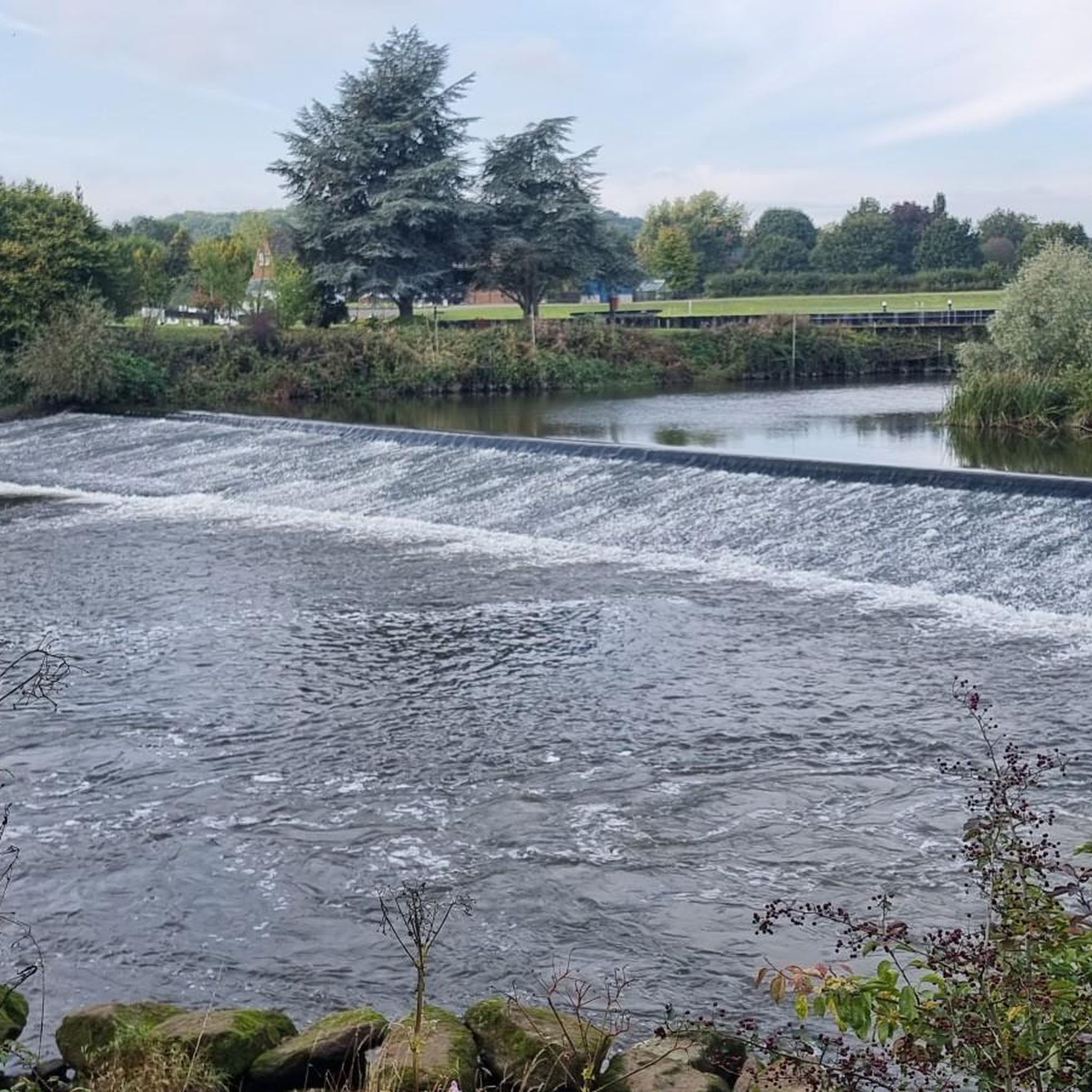
Prior's Mill is a former seventeenth century timber-framed water mill, with twentieth century alterations, and now used as a private residence. Next to it is a very high weir on the Dick Brook. There used to be several mills on this stream long ago.
0
0
There are grooves in the bed rock that suggest it was some kind of rope or chain-operated incline. On the east side of the sunken road the rock is Bromsgrove Sandstone.
0
0
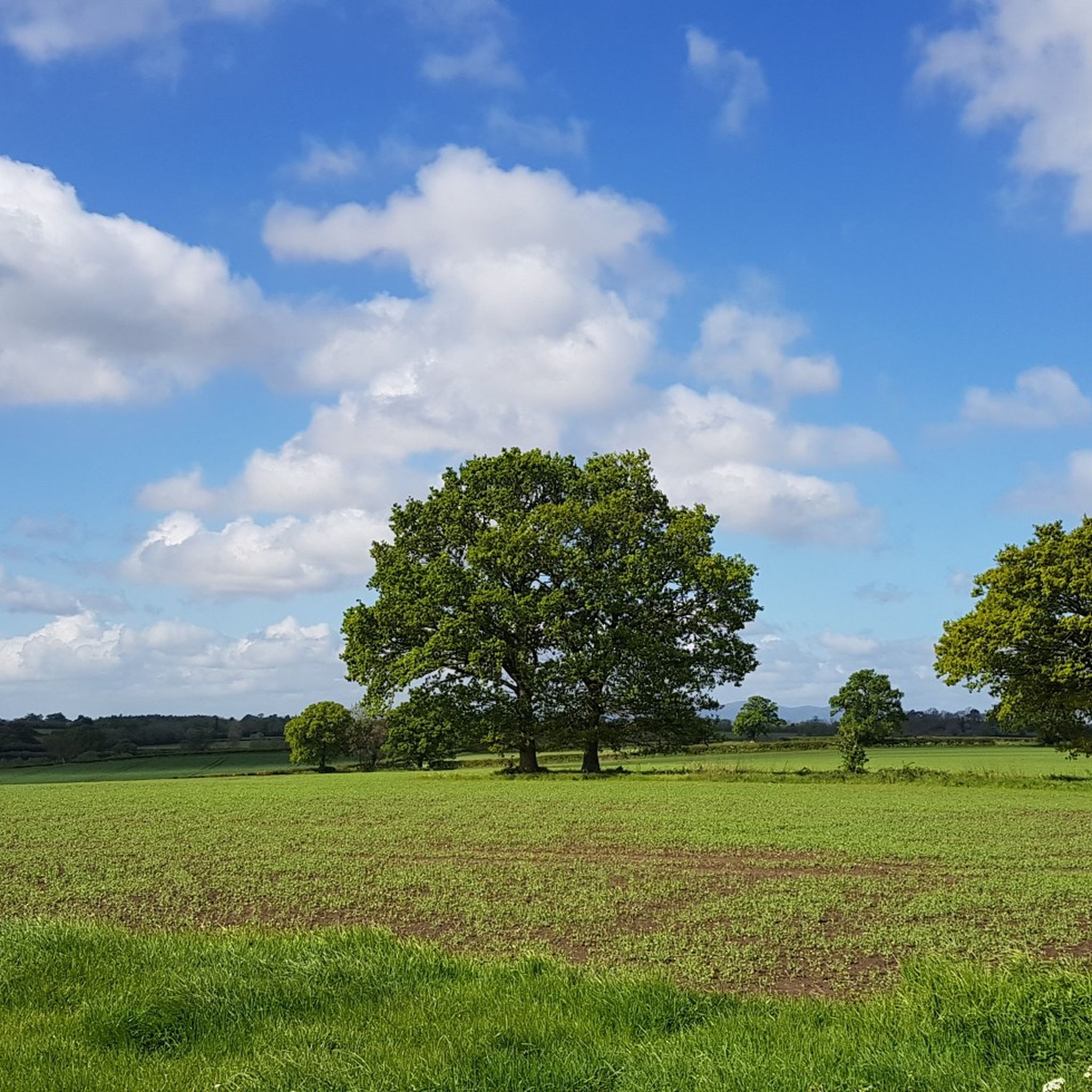
An ancient woodland with coppice and large oaks Jointly owned with Butterfly Conservation, Grafton has been at the heart of one of Worcestershire’s great conservation successes. The wood is the centre of the only colony of brown hairstreak butterflies in the Midlands. These elusive butterflies, on the wing in August and September, have been the subject of a long-term project to ensure their survival. By working with local landowners and encouraging appropriate maintenance of hedgerows, volunteers from both conservation charities have helped the butterflies to increase in range and in numbers. Grafton Wood is an ancient semi-natural broad-leaved woodland and, until the 1950s was traditionally managed as coppice-with-standards that provided materials for products such as broom handles, pea sticks, hedge-laying, clothes pegs, spars for thatching and firewood. Our management today aims to replicate this tradition and involves widening the rides through the woodland, coppicing and creating glades. We also ensure that there are scrubby areas containing the young blackthorn bushes that are vital for brown hairstreaks to survive. The majority of the canopy at Grafton is ash and oak although we also have a small-leaved lime coppice stool that we think must have originally started as one lime tree at least a thousand years ago. In many places there is a dense shrub layer of field maple, hawthorn and hazel. The two compartments of conifers that were planted in the 1960s have largely been removed in 2010. It’s not just brown hairstreak butterflies that visitors to Grafton Wood should keep a look out for. The wood is also important for other woodland butterflies including silver-washed fritillaries and white admirals. After careful surveying of the habitat and flowering species in the wood pearl-bordered fritillaries were released into the woodland in 2011 in the hope that they would then naturally re-colonise the wood after a 30 year absence. Notable moths include drab looper, rosy footman, Devon carpet and waved black. Many fungi have been recorded in the wood and it also supports a distinctive flora including herb-Paris, adder’s-tongue fern, violet helleborine, spurge laurel and bird’s-nest orchid. Birds including buzzard, goldcrest, treecreeper, lesser and great spotted woodpeckers are regularly seen in the wood and the adjacent meadows and orchards are important for green woodpeckers. Bechstein’s bats were recently discovered in the wood and the colony is thought to be the most northerly breeding roost in the UK.
0
0
ノースクレインズでのの人気観光スポット

komootモバイルアプリでインスピレーションを得よう


さらに探索
これらのガイドで、最高の洞窟を探す範囲を広げましょうノースクレインズでの:
