ビシャンプトンの天然記念物・トップ4
ビシャンプトンが誇る美しい風景を見てみたいなら、ビシャンプトンの素晴らしい天然記念物・トップ4
に行ってみましょう。あなたにぴったりの場所が見つかるよう、素晴らしい天然記念物を探索するために必要なすべての情報を集めました。次のアウトドアの冒険に出かける計画の参考にしましょう。
最終更新日: 10月 2, 2026
グラフトン・ウッド自然保護区
ハイライト (セグメント) • 自然記念物
Jointly owned with Butterfly Conservation, Grafton has been at the heart of one of Worcestershire’s great conservation successes. The wood is the …
役立つ情報 は

ブリードン・ヒル山頂
ハイライト • 展望台
役立つ情報 は

今すぐサインアップして、こんな場所を発見しよう
最高のシングルトラック、ピーク、その他のエキサイティングなアウトドアスポットのおすすめを受け取ろう。
エルムリー・キャッスル・パーク
ハイライト • 自然記念物
役立つ情報 は
コッツウォルズ特別自然美観地域 境界標識
ハイライト • 自然記念物
役立つ情報 は

モートン・ホール チューリップフェスティバル
ハイライト • 自然記念物
役立つ情報 は
無料アカウントで今日から始めよう
次の冒険が待っています。
コミュニティからのヒント

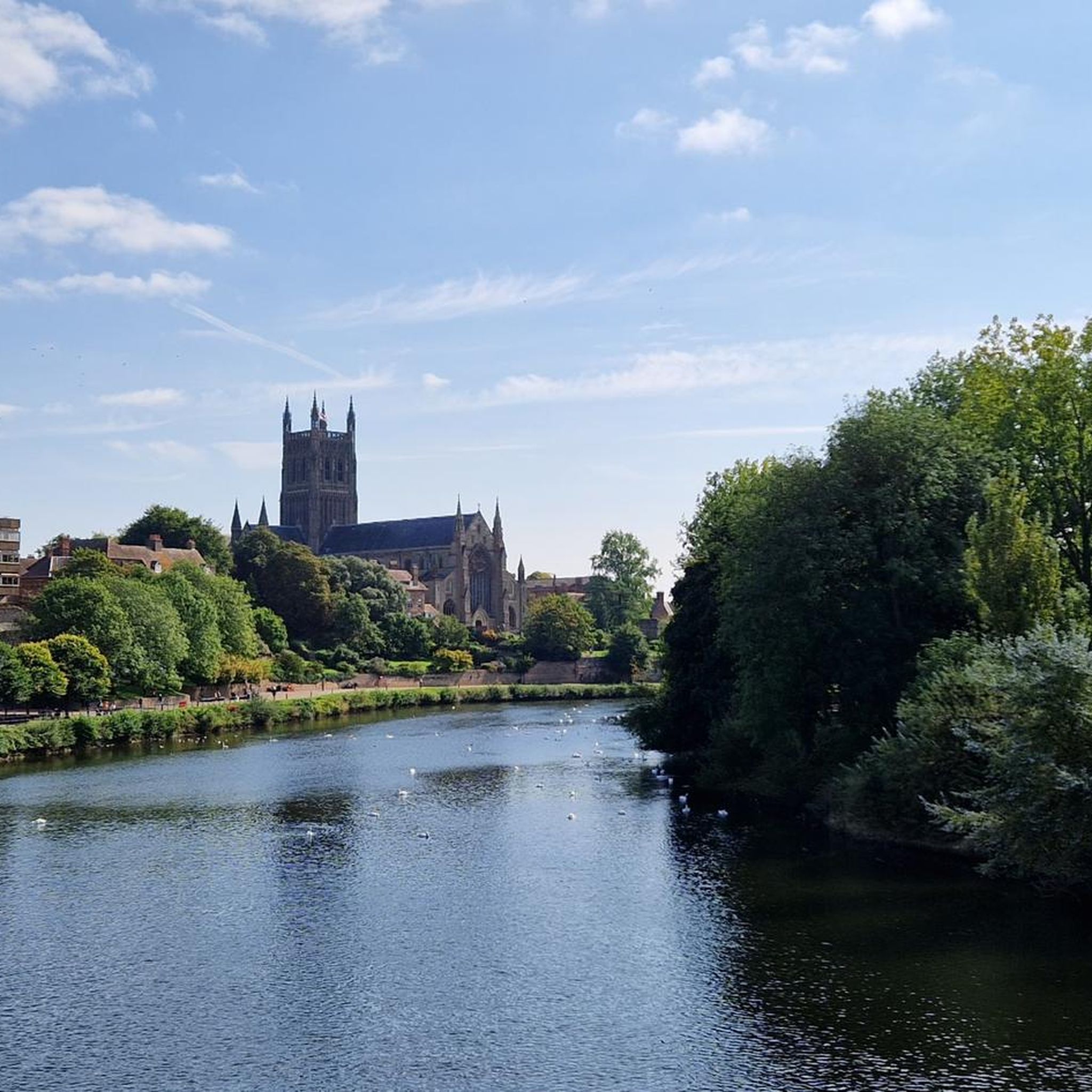
The biggest Cotswold outlier, just short of a thousand feet high with magnificent views across the Avon and Severn valleys.
0
0

299m hill with fantastic views of Malvern Hills, Pershore, and Avon Valley. Also, this is the first Cotswolds hill from the Worcestershire side.
0
0
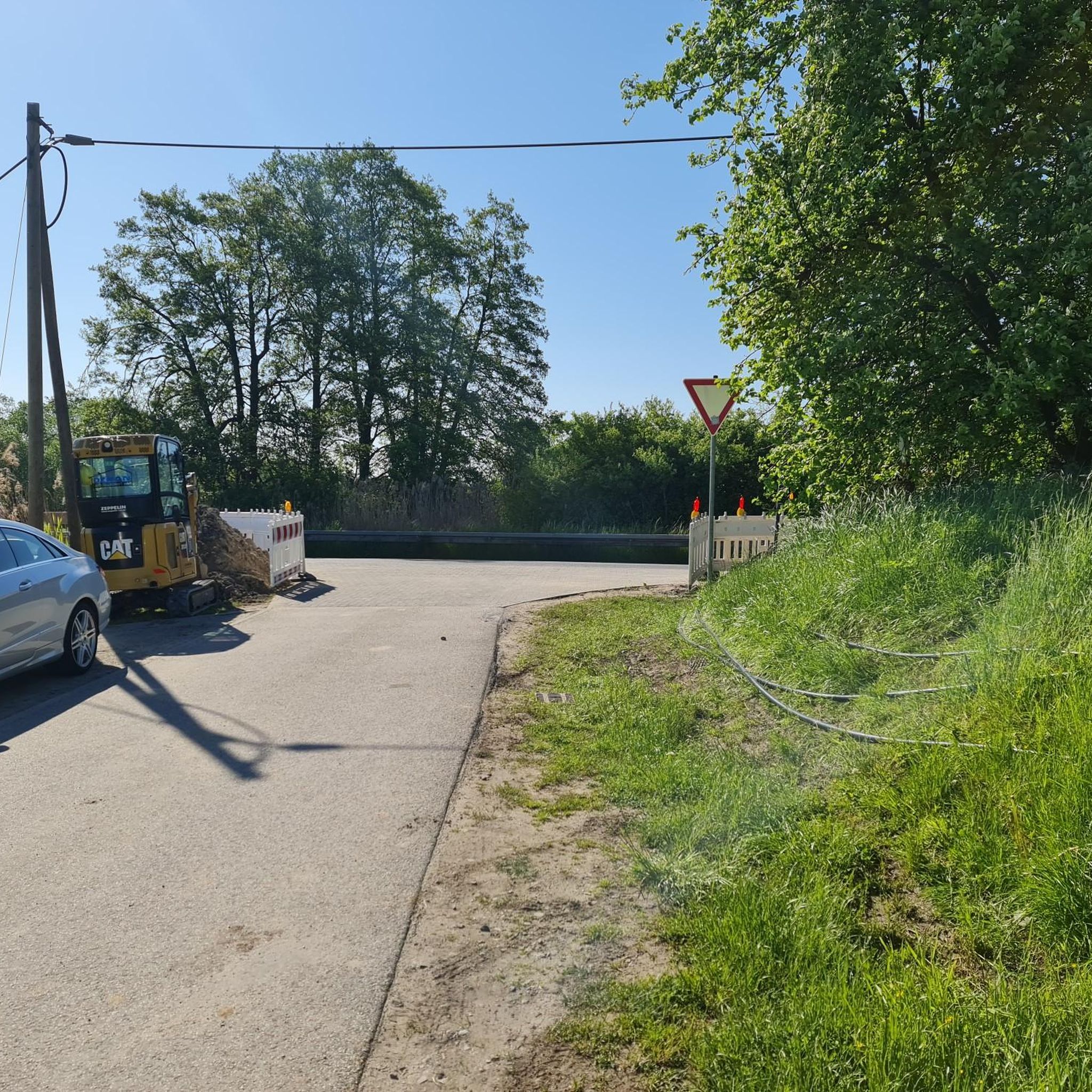
Gentle ascent in Little Comberton direction. The boundary marker is situated right along NCN 442, so it is easy to spot.
0
0

In spring 2022 Morton Hall Gardens opens its gates to visitors for its annual Tulip Festival, with all ticket sales supporting costume-making at the RSC. More than 100 tulip varieties can be admired in borders, pots and three cut flower marquees, revealing the magic and splendour of the queen of the spring flowers. Bloms Bulbs, winner of 68 Chelsea Gold medals, supply the bulbs and will be on site with expert advice on your favourite choices. History of Tulips The tulip’s conquest of western Europe began in the Netherlands: In the mid-16th century, travellers brought back bulbs from the Ottoman Empire. The Turks had been cultivating tulips as early as 1000 AD and adopted them as an emblem of the court. The correct name for tulips is the Persian word ‘lale’, but there was a confusion with the Persian and Turkish words for ‘turban’. This is how the misnomer was created and adhered to ever since. In the Dutch Golden age, tulips caused the first major financial bubble. They became the ultimate status symbol. During ‘Tulipmania’, which lasted from 1634 to 1637, just one bulb of a desirable tulip could fetch the same price as a house in the best quarter of Amsterdam. In England, tulips were introduced in the 1630s, which is probably why they don’t feature in Shakespeare’s works. Nowadays, tulips are widely available and affordable. However, they have not lost their magical pull. Tulip festivals are celebrated in many countries. The Netherlands, where tulips are bred and sold in billions, host the most important and well-known. However, if you visit Istanbul in April and early May, you will find that more than 20 million tulips have been planted throughout the city for the ‘Lale’ Festival. This tradition goes back to the late 17th to mid-18th century, which was the height of tulip popularity in the Ottoman Empire, as can still be seen in the ceramic decorations of many palaces. What is tulip magic? I like to compare it to a carnival or New Year’s fireworks. There is a joyful, limitless riot of colour and shapes. All is allowed: the boldest and most outrageous combinations and wild pageants of pattern. It is the ultimate victory over the bleakness of winter. But tulip festivals are more than celebrations of winter’s end. They are also a great opportunity to see hundreds of different varieties ‘in the flesh’. Beyond colour and shape, there are scent, texture and habit. It can be startling how varieties that look very similar on a catalogue page will appear very diverse when planted next to each other. An ideal opportunity to find the tulip you have been looking for!
0
0
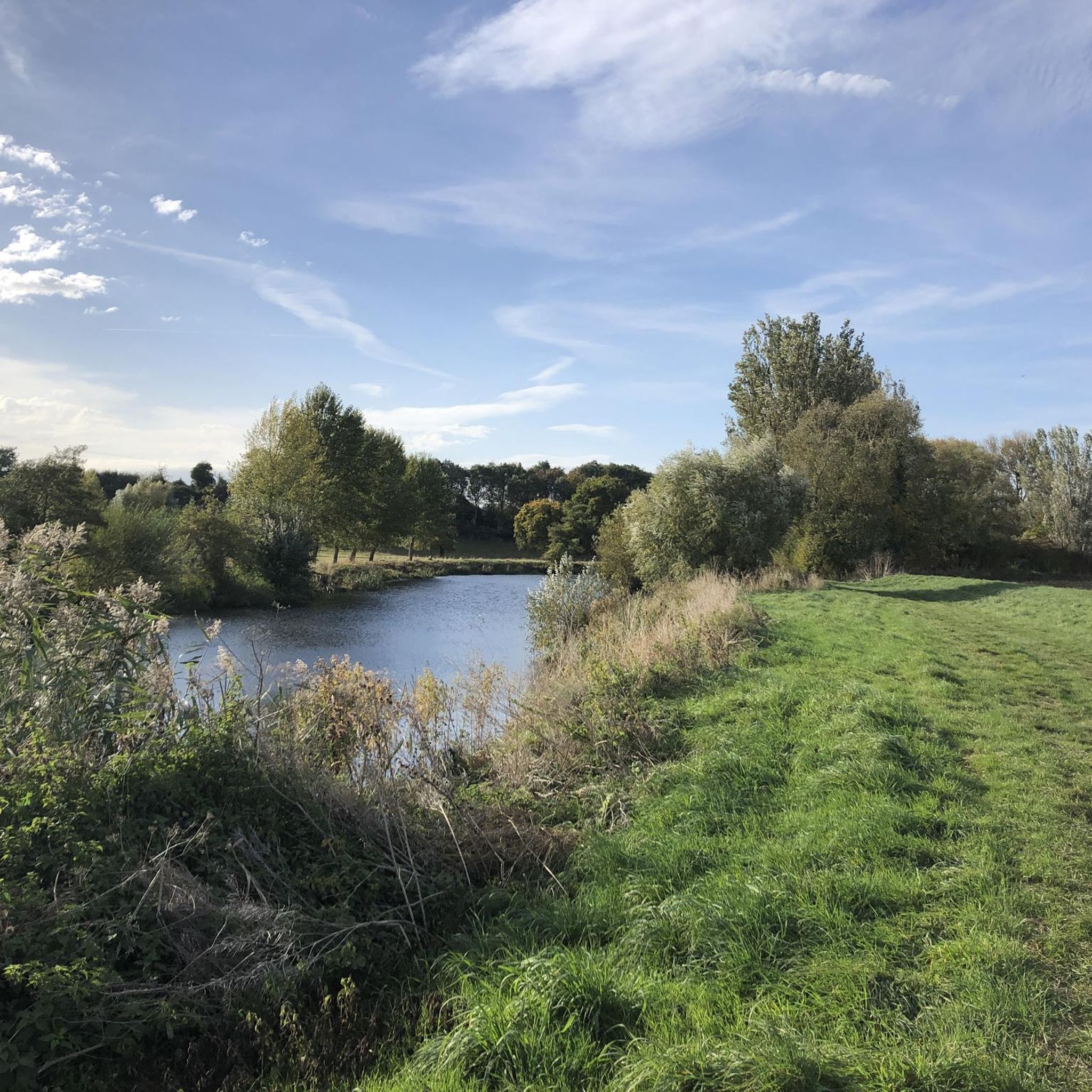
The PARK at Elmley, which belonged to the lords of Elmley Castle, was possibly made about 1234, for in that year Walter de Beauchamp received from the king a gift of ten does and three bucks for stocking his park at Elmley. In 1298 the wood in the park was worth 4s. yearly. Thomas de Beauchamp Earl of Warwick complained in 1349 that several persons, including Robert de Amyas, parson of the church of Great Comberton, had hunted in his free chase at Elmley Castle and carried away deer. The park was enlarged about 1480 by the addition of part of the demesne land of the manor called Court Close. In 1478 William Adams was appointed keeper of the park and warren at Elmley Castle. In 1480 John Mortimer was appointed master of the game in Elmley Park, and in 1484 John Hudelston succeeded to this office, but it was granted in the following year to Richard Naufan, and in 1488 to Sir John Savage. Henry VIII appointed Sir John Savage and his son John Savage keepers of the park and warren in 1512. Walter Walshe was appointed keeper in 1528. He died in 1538, and Thomas Evans and Rowland Morton both wrote to Cromwell asking for his aid in obtaining the position, the latter saying, 'if it please the King by your Lordship's mediation to prefer me, I and mine shall stand balanced in also et basso, live and die in your Lordship's retinue.' He also begs credence for his messenger 'and will give your Lordship £20.' Neither of these suppliants received the post, which was granted to Urian Brereton. The park was included in the sale to Christopher Savage, and remained in his family until 1822, when it was sold with the castle to Colonel Thomas Henry Hastings Davies. It now belongs to Lieut.-General Henry Fanshawe Davies, J.P., D.L.
1
0

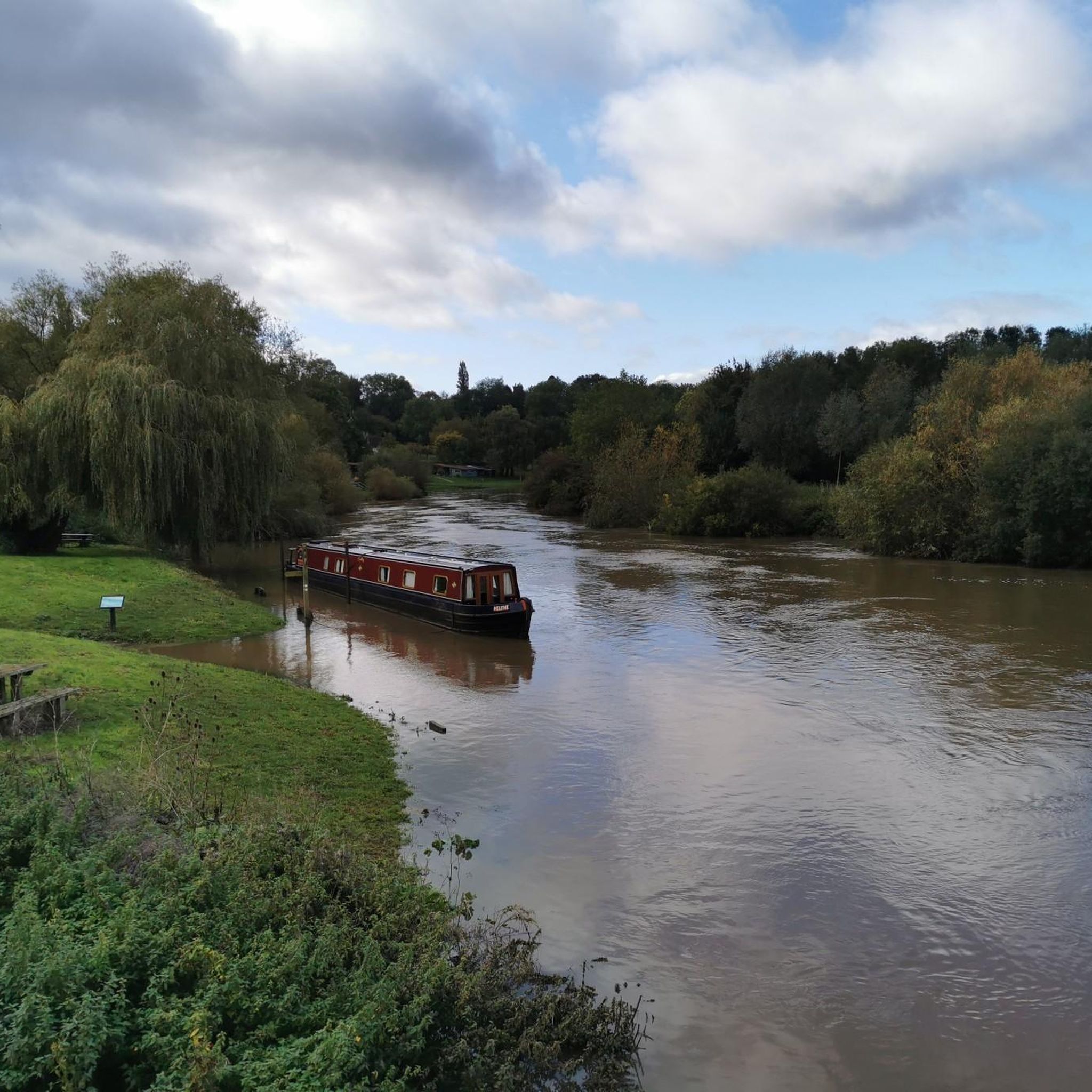
An ancient woodland with coppice and large oaks Jointly owned with Butterfly Conservation, Grafton has been at the heart of one of Worcestershire’s great conservation successes. The wood is the centre of the only colony of brown hairstreak butterflies in the Midlands. These elusive butterflies, on the wing in August and September, have been the subject of a long-term project to ensure their survival. By working with local landowners and encouraging appropriate maintenance of hedgerows, volunteers from both conservation charities have helped the butterflies to increase in range and in numbers. Grafton Wood is an ancient semi-natural broad-leaved woodland and, until the 1950s was traditionally managed as coppice-with-standards that provided materials for products such as broom handles, pea sticks, hedge-laying, clothes pegs, spars for thatching and firewood. Our management today aims to replicate this tradition and involves widening the rides through the woodland, coppicing and creating glades. We also ensure that there are scrubby areas containing the young blackthorn bushes that are vital for brown hairstreaks to survive. The majority of the canopy at Grafton is ash and oak although we also have a small-leaved lime coppice stool that we think must have originally started as one lime tree at least a thousand years ago. In many places there is a dense shrub layer of field maple, hawthorn and hazel. The two compartments of conifers that were planted in the 1960s have largely been removed in 2010. It’s not just brown hairstreak butterflies that visitors to Grafton Wood should keep a look out for. The wood is also important for other woodland butterflies including silver-washed fritillaries and white admirals. After careful surveying of the habitat and flowering species in the wood pearl-bordered fritillaries were released into the woodland in 2011 in the hope that they would then naturally re-colonise the wood after a 30 year absence. Notable moths include drab looper, rosy footman, Devon carpet and waved black. Many fungi have been recorded in the wood and it also supports a distinctive flora including herb-Paris, adder’s-tongue fern, violet helleborine, spurge laurel and bird’s-nest orchid. Birds including buzzard, goldcrest, treecreeper, lesser and great spotted woodpeckers are regularly seen in the wood and the adjacent meadows and orchards are important for green woodpeckers. Bechstein’s bats were recently discovered in the wood and the colony is thought to be the most northerly breeding roost in the UK.
0
0
ビシャンプトンでのの人気観光スポット

komootモバイルアプリでインスピレーションを得よう


さらに探索
これらのガイドで、最高の洞窟を探す範囲を広げましょうビシャンプトンでの:
