ラミリーズの天然記念物・トップ11
ラミリーズが誇る美しい風景を見てみたいなら、ラミリーズの素晴らしい天然記念物・トップ11
に行ってみましょう。あなたにぴったりの場所が見つかるよう、素晴らしい天然記念物を探索するために必要なすべての情報を集めました。次のアウトドアの冒険に出かける計画の参考にしましょう。
最終更新日: 8月 22, 2026
狭いくぼ道
ハイライト • トレイル
翻訳者 Google •
役立つ情報 は

セロンの第一墳丘墓
ハイライト • 歴史的な場所
翻訳者 Google •
役立つ情報 は

今すぐサインアップして、こんな場所を発見しよう
最高のシングルトラック、ピーク、その他のエキサイティングなアウトドアスポットのおすすめを受け取ろう。
無料新規登録
Via Longa(ハスペングーのホレ・ヴェグ)
ハイライト • トレイル
翻訳者 Google •
役立つ情報 は

丘の小道
ハイライト • トレイル
翻訳者 Google •
役立つ情報 は
セプト・フォンテーヌ自然保護区
ハイライト • 自然記念物
Today there is a water pumping station and watercress beds are still in use.
翻訳者 Google •
役立つ情報 は
無料でサインアップして、さらに多くの自然記念物を発見しましょう ラミリーズでの。
無料新規登録
すでにアカウントをお持ちですか?
無料アカウントで今日から始めよう
次の冒険が待っています。
ログインまたは登録

コミュニティからのヒント

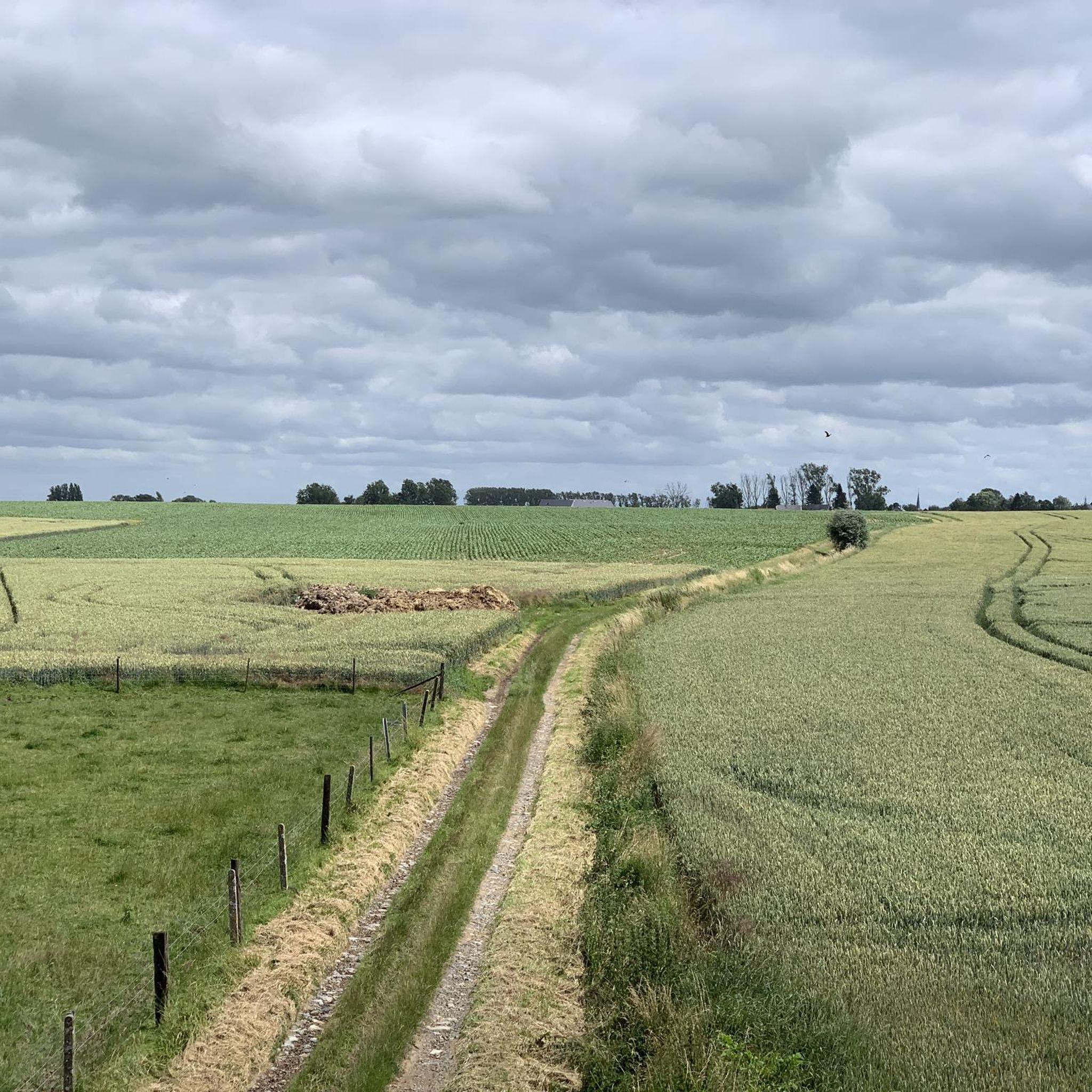
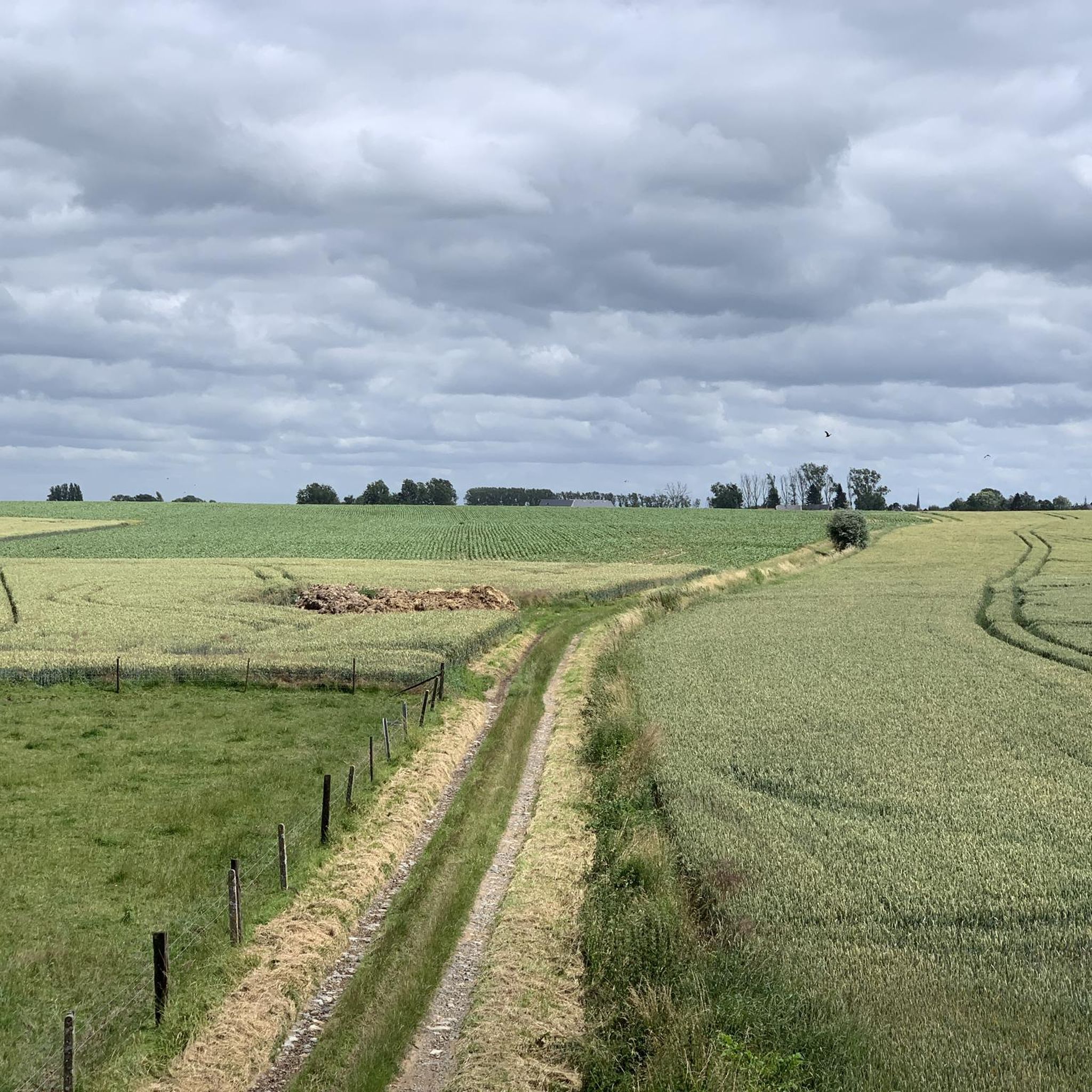
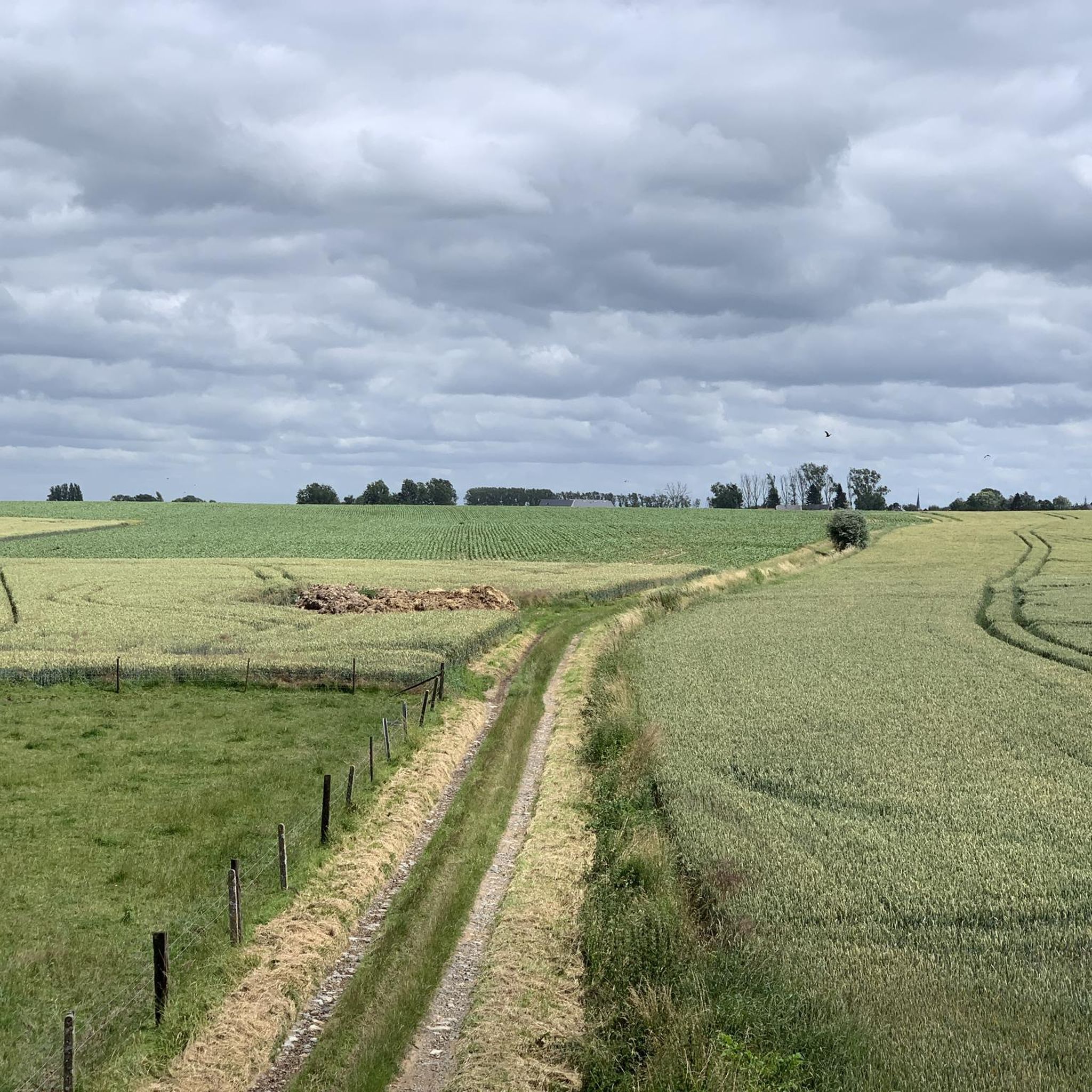
確かに狭い隠れ道です。しかし、何よりも、典型的な隠れ道で見られる哺乳類、そしてあらゆる種類の巣穴の無数の痕跡や入り口から、ここを好んで生息する多くの生き物たちにとって、隠れ道は特別な場所です。喜び。そして典型的なRosdel。
6
0
ホーイガルデン(およびここにあるような自治体)の多くの窪んだ道は、風景の中に貴重な線を描いています。これらの線状の景観要素の保存は、最初の換地計画の際に激しい議論の的となりました。目標を絞った行動により、Natuurpuntは未舗装の田舎道のいくつかを保存することに成功しました。これらの緑の回廊は、ノジコとコヨシキリの生息地です。そして、あなたはそれらを楽しんでいます。出典:https://www.natuurpunt.be/natuurgebieden/rosdel
6
0
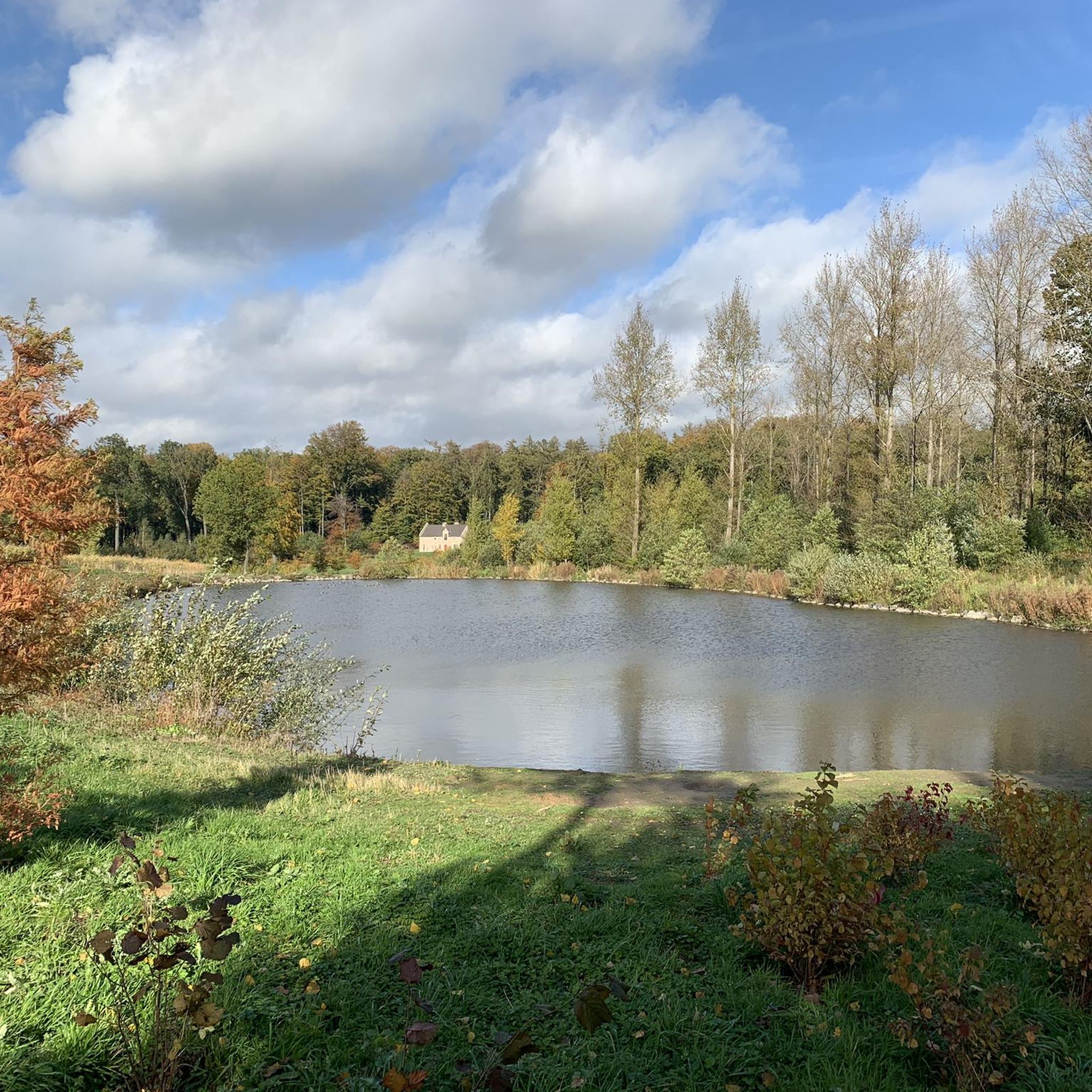
The Henri Fontaine stream rises between Cras-Avernas and Bertrée, then irrigates several villages in the commune of Hannut before crossing the reserve at Grand-Hallet. Its source has long been linked to watercress cultivation, which requires good quality water.
6
0
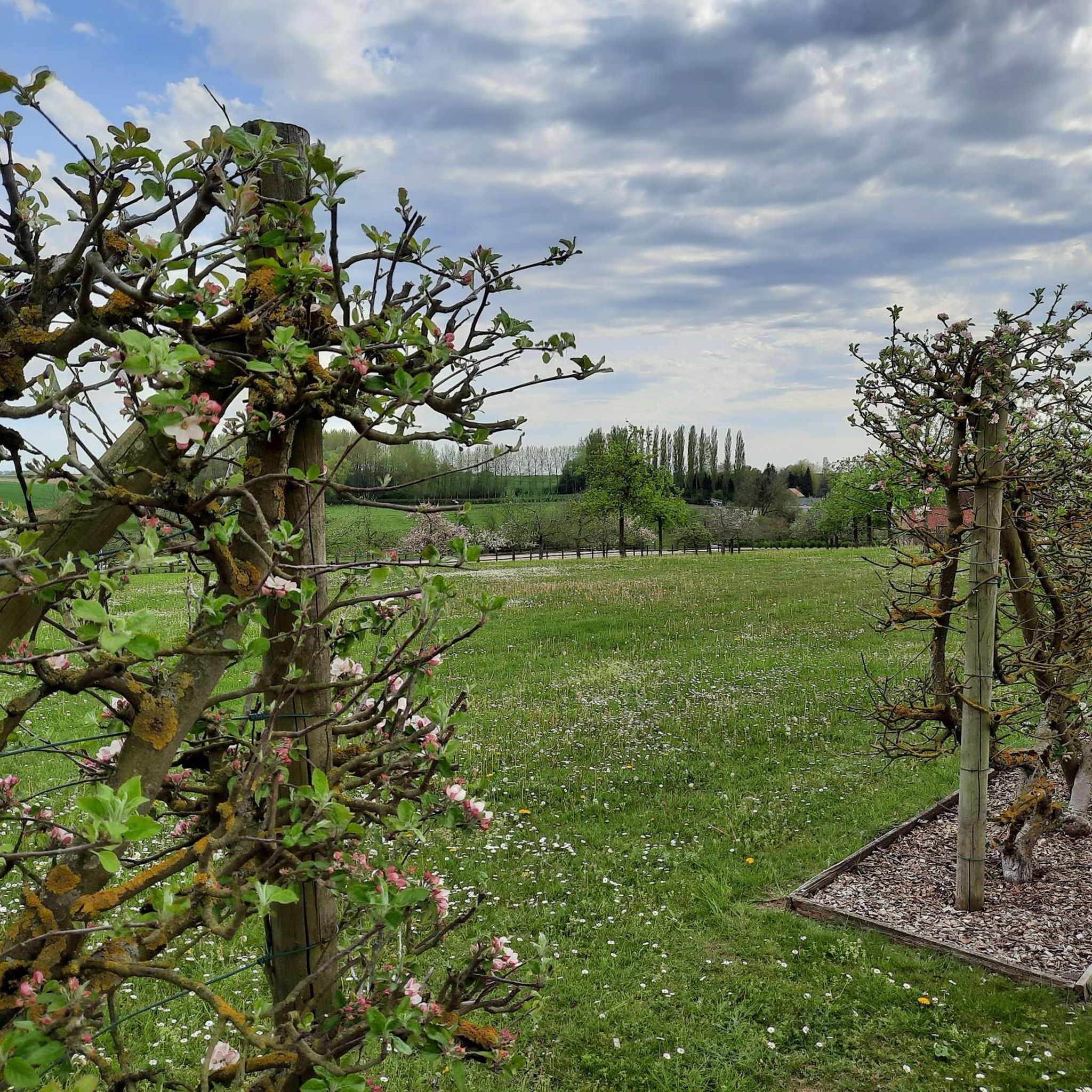
This marshy area of 21 hectares was already inhabited in prehistoric times and buildings were built in Roman times. Today there is a water pumping station and watercress beds are still in use. The area includes part of the valley of the Henri-Fontaine stream with flora that can no longer be found in the rest of the area. Damp meadows, dense reed land and tall perennial herbaceous plants of 1.5 to 2 meters high, located in alluvial zones on non-acidic and fairly moist soil with pieces of forest with trees that do well on wet soils, such as alders: these are remnants of the typical wet valleys that you often saw before agriculture became increasingly intensive. You cannot enter the nature reserve itself but you can see it quite well and at a certain point (if you follow the path next to it) you come to a beautiful piece of alluvial forest with the stream. Be sure to also walk to the Moulin Dardenne, which is located on the edge of the area on another road and location with the nature reserve behind it and streams that come out of the nature reserve. This is also the start of the path along the nature reserve. On the other side you will also find a start of the path - with information board - at a junction with the Rue du Condroz in Grand-Hallet. You will find it just before the bend behind which the Dardenne watermill is located. Turn left, it rises a little and then you are on the path. More on https://www.hannut.be/wp-content/uploads/2021/06/brochure-7-fontaines-nl.pdf where you will find a full description of a 'seven-sources walk' that of course runs along the nature reserve and many sights around it.
6
0
This path, which you reach after a short, steep climb from the stream, leads you along an inaccessible nature reserve, where you literally walk above an old quarry and caves for a part. At a certain point you literally walk above the entrance to that underground quarry that you can also see below. Part of the path runs between the edge of the valley and fields and on another part you have the nature reserve instead of the fields that was given the name 'Réserve naturelle Natagora des Caves Paheau'. Natagora is the counterpart of Natuurpunt and the quarry and caves are therefore called the 'caves Paheau'.
5
0


A sunken road is a road that is so deeply worn that it lies between two slopes. It is the result of centuries of use and erosion. The most beautiful sunken roads can be found especially in hilly areas with a subsoil that easily forms steep walls, such as in Haspengouw and Hageland.
3
0
ラミリーズでのの人気観光スポット

komootモバイルアプリでインスピレーションを得よう


さらに探索
これらのガイドで、最高の洞窟を探す範囲を広げましょうラミリーズでの:
