ランゲネックのおすすめウォーキング&ハイキングルート
4.6
(17752)
82,483
ハイカー
17
ハイキング
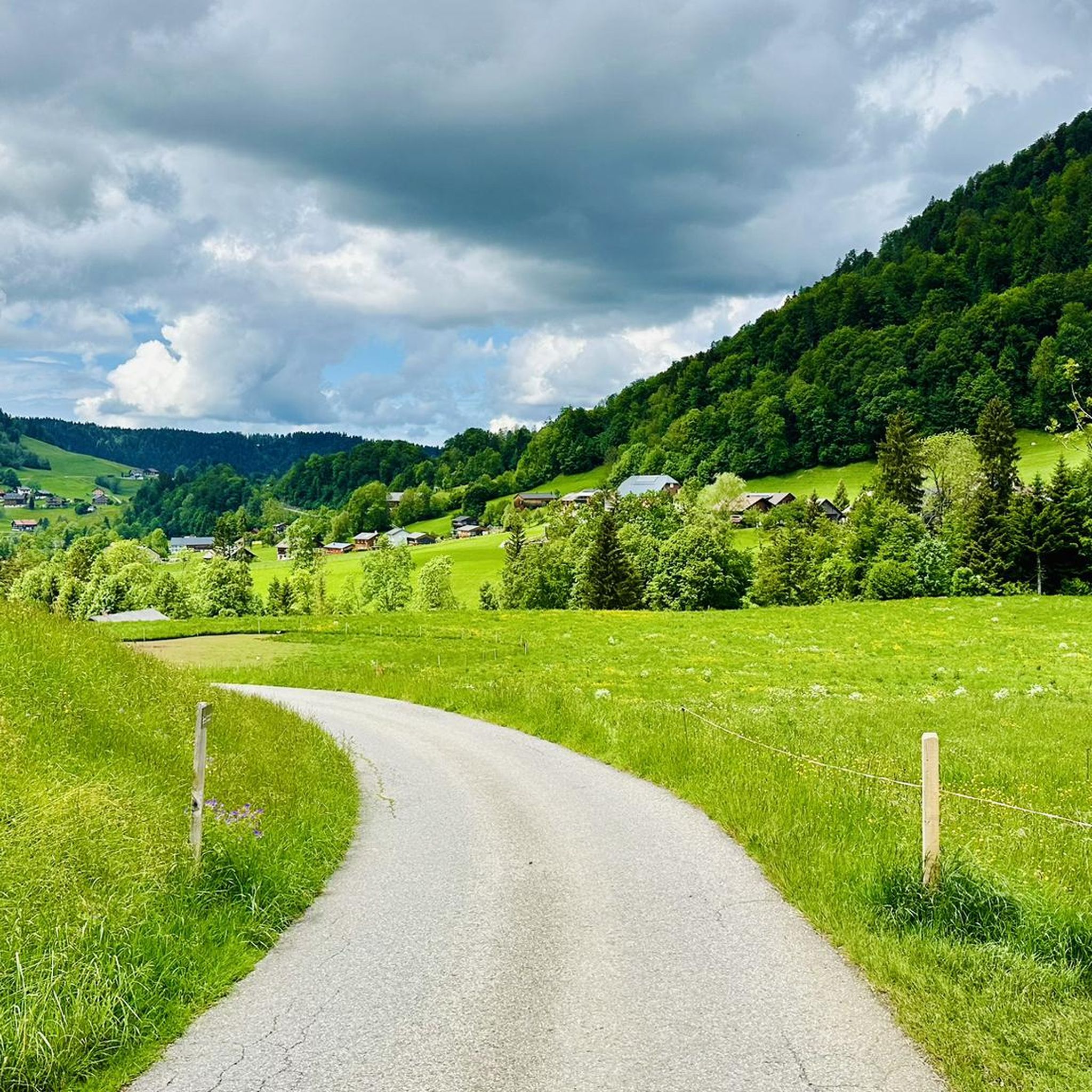
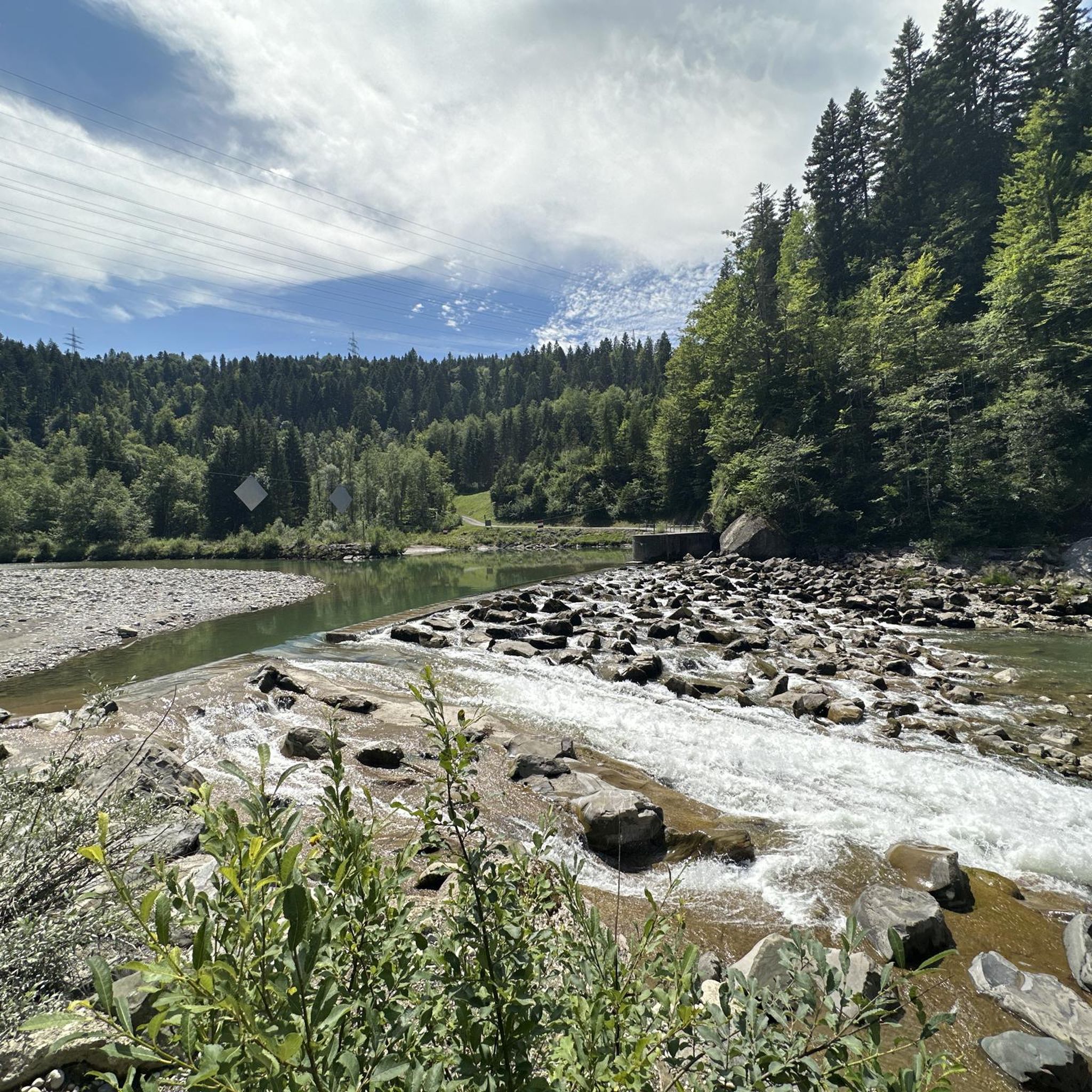
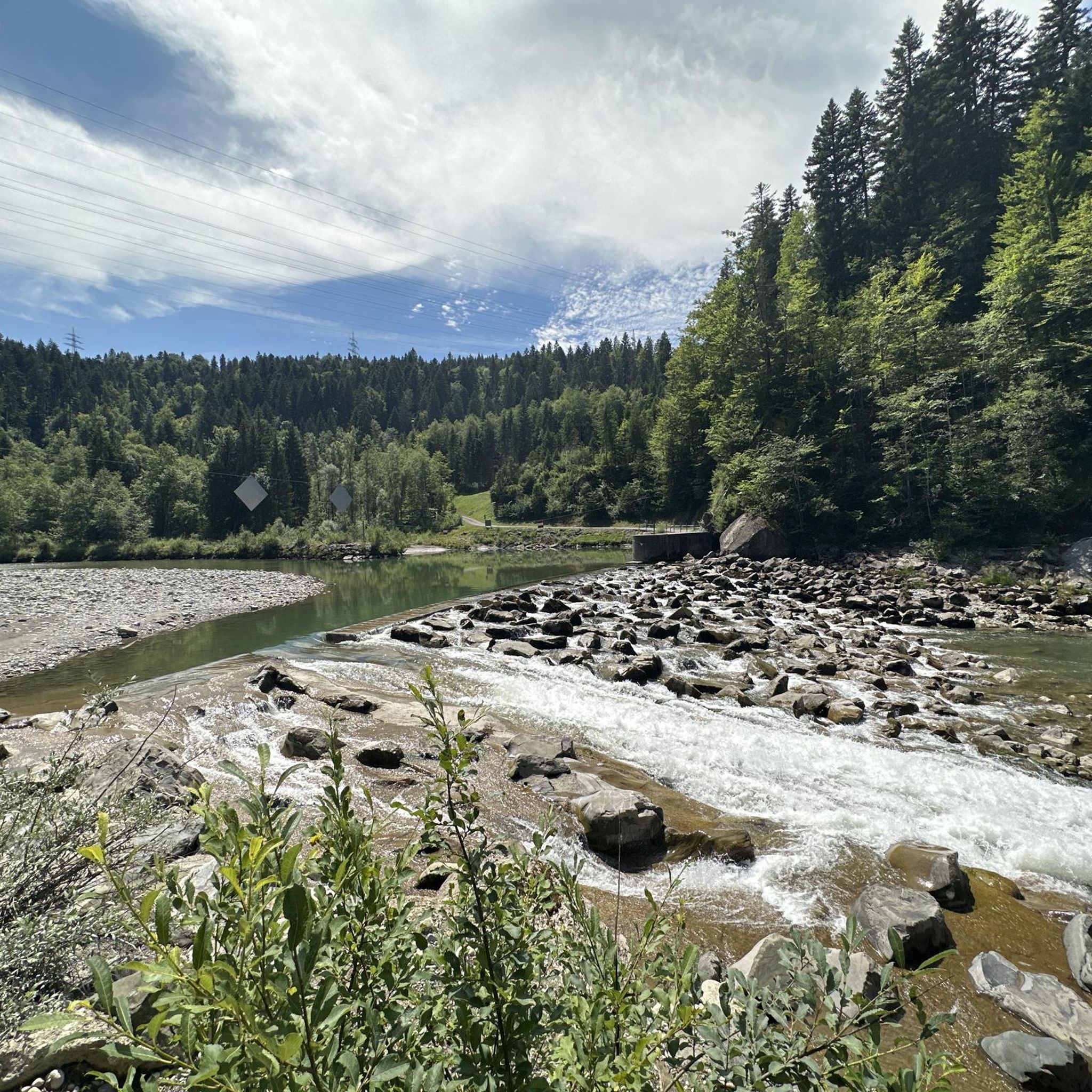
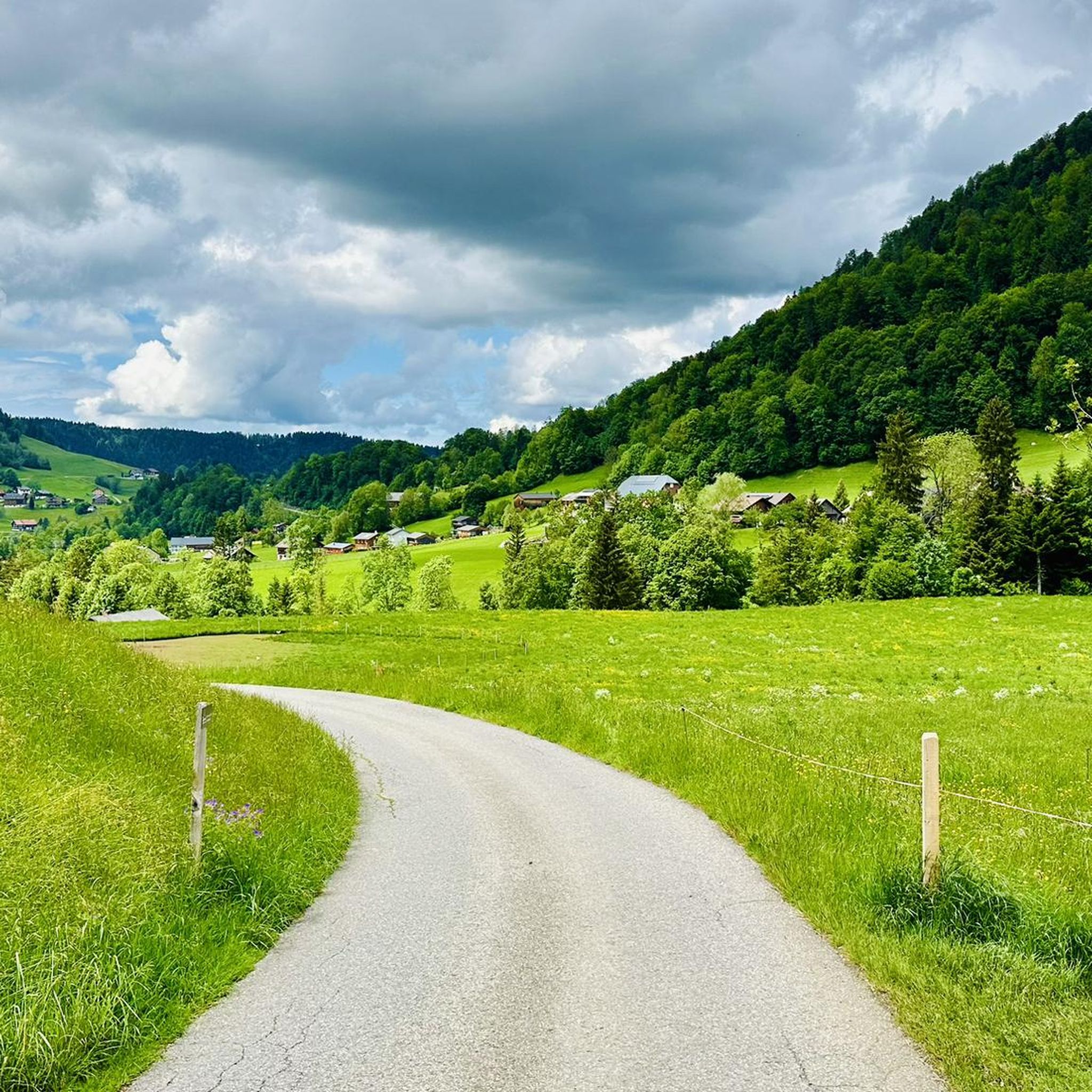
Langenegg周辺のハイキングは、標高700メートルに位置し、なだらかな丘、緑豊かな牧草地、鬱蒼とした森など、多様な景観を提供しています。この地域は景色の良いブレゲンツァーアッヘ渓谷が特徴で、多くのトレイルが川沿いや川へと続いています。「ノルト」自然保護区内の手入れの行き届いた湿原もLangeneggにあり、高山の牧草地とユニークな地質学的特徴で知られるナーゲルフルーケッテ自然公園の一部でもあります。
Langeneggの最高のハイキングトレイル
- 最も人気のあるハイキングルートは、Langenegg村からの「裸足のらせん迷路 – Langenegg村の眺め」ループで、距離2.4マイル(3.9 km)、所要時間1時間7分です。このルートからはLangenegg村の景色が楽しめ、ユニークな裸足のらせん迷路があります。
- 地元ハイカーに人気のもう一つのルートは、Langenegg村からの「Langenegg村の眺め – 裸足のらせん迷路」ループで、距離4.4マイル(7.1 km)のイージールートです。このトレイルは、村の景色と自然の景観を通ります。
- 地元ハイカーに愛されているのは、Langeneggからの「クヴェルトゥフ・リンゲナウ – クヴェルトゥフ・リンゲナウ」ループで、距離4.5マイル(7.3 km)のトレイルです。苔むした岩と澄んだ小川が流れるユニークな自然景観を通り抜け、所要時間は約2時間12分です。
- Langenegg周辺のハイキングは、なだらかな丘、鬱蒼とした森、ブレゲンツァーアッヘ渓谷によって特徴づけられます。広大なトレイルネットワークは、簡単な散策からより挑戦的な遠足まで、さまざまなレベルのオプションを提供しています。
- Langeneggのルートは、16,000件以上のレビューから平均4.6つ星を獲得し、komootコミュニティから高く評価されています。78,000人以上のハイカーがkomootを利用して、Langeneggの多様な地形を探索しました。
最終更新日: 7月 29, 2026
4.7
(23)
111
ハイカー
3.90km
01:07
90m
90m
初級者向けハイキング. あらゆるフィットネスレベルに適しています。 進みやすいルートです。あらゆるスキルレベルに適しています。
4.9
(8)
29
ハイカー
7.13km
01:59
140m
140m
初級者向けハイキング. あらゆるフィットネスレベルに適しています。 進みやすいルートです。あらゆるスキルレベルに適しています。

無料新規登録
5.0
(4)
41
ハイカー
9.25km
02:26
80m
80m
中程度のハイキング. ある程度のフィットネスレベルが必要です。 進みやすいルートです。あらゆるスキルレベルに適しています。
3.9
(8)
43
ハイカー
7.31km
02:13
230m
230m
中程度のハイキング. ある程度のフィットネスレベルが必要です。 進みやすいルートです。あらゆるスキルレベルに適しています。
7
ハイカー
2.70km
00:44
40m
40m
初級者向けハイキング. あらゆるフィットネスレベルに適しています。 進みやすいルートです。あらゆるスキルレベルに適しています。
さらに多くのルートや他のユーザーのおすすめ情報を確認できます。
無料新規登録
すでにアカウントをお持ちですか?
おすすめのツアーは他のkomootユーザーが実際に経験した何千ものアクティビティに基づいています。
無料アカウントで今日から始めよう
次の冒険が待っています。
ログインまたは登録

コミュニティからのヒント

Quelltufflehrpfadを歩くと、Bregenzer Achの支流であるSubersbachが下を流れています。
0
0

The Baroque church, a listed historical monument, dates back to 1722 according to its keystone. The builder is believed to have been one of the masters of the Bregenzerwald school of architecture. Constructed from tufa stone, the chapel, with its Greek cross shape, is a unique structure in the entire region and has undergone several thorough renovations, most recently in 1968 and 1990. The ceiling frescoes, created in 1968 by the Schruns artist Konrad Honold, depict individuals who were either born in Vorarlberg or who worked there. Among them was Vorarlberg's first diocesan bishop, Bruno Wechner. The altarpiece portrays Saint Anne.
3
0
A particularly beautiful natural monument is the tufa slope in Lingenau. It is one of the most magnificent travertine formations in Europe north of the Alps and thus one of the most outstanding geological features in Vorarlberg. Here, spring water plunges over a roughly 40-meter-high escarpment, approximately 30 meters wide, into the Subersach Gorge. The conglomerate rock outcrop, visible in some places, is partially covered by several meters of travertine and spring tufa. On the overhangs, mushroom-shaped layers of travertine have developed into stalactite-like canopies. At the base of the rock face, the water collects in several travertine pools. Beneath the waterfall, the calcareous water encrustes the slope down to the Subersach River. Plant and animal remains are covered and encrusted by the lime. After the organic matter dissolves, an exact imprint (fossils) remains. The resulting porous, sponge-like rock is called travertine, the denser form being travertine.
6
0
A rather small statue of Mary, standing in a rock hollow in the tufa spring.
5
0
A particularly beautiful natural monument is the tufa slope in Lingenau. It is one of the most magnificent travertine formations in Europe north of the Alps and thus one of the most outstanding geological features in Vorarlberg. Here, spring water plunges over a roughly 40-meter-high escarpment, approximately 30 meters wide, into the Subersach Gorge. The conglomerate outcrop, visible in some places, is partially covered by several meters of travertine and spring tufa. On the overhangs, mushroom-shaped layers of deposits have developed into stalactite-like canopies. At the base of the rock face, the water collects in several travertine pools. Beneath the waterfall, the calcareous water encrustes the slope down to the Subersach River. Plant and animal remains are covered and encrusted by the lime. After the organic matter dissolves, an exact imprint (fossils) remains. The resulting porous, sponge-like rock is called travertine, the denser form being travertine.
8
0
Long wooden stairs provide access to the tufa spring. The steps can be a bit slippery after rainfall.
8
0
Well-located hiking parking lot for hikes to the nearby tuff spring.
4
0
A particularly beautiful natural monument is the tufa slope in Lingenau. It is one of the most magnificent travertine formations in Europe north of the Alps and thus one of the most outstanding geological features in Vorarlberg. Here, spring water plunges over a roughly 40-meter-high escarpment, approximately 30 meters wide, into the Subersach Gorge. The conglomerate outcrop, visible in some places, is partially covered by several meters of travertine and spring tufa. On the overhangs, mushroom-shaped layers of deposits have developed into stalactite-like canopies. At the base of the rock face, the water collects in several travertine pools. Beneath the waterfall, the calcareous water encrustes the slope down to the Subersach River. Plant and animal remains are covered and encrusted by the lime. After the organic matter dissolves, an exact imprint (fossils) remains. The resulting porous, sponge-like rock is called travertine, the denser form being travertine. Tufa is a light, porous rock that is easy to work. It has proven itself in the past as a building material – especially for stables and vaulted structures. Tufa was used in the construction of the nearby Baroque St. Anna Chapel, which dates from 1722.
6
0

komootモバイルアプリでインスピレーションを得よう


さらに探索
他の地域の最高のハイキングを見てみましょう。
