バート・ローテンフェルドでの周辺の簡単なハイキングとウォーキング
4.5
(13022)
46,795
ハイカー
135
ハイキング
バート・ローテンフェルドをウォーキングで探索して、楽しく自然を満喫しましょう。komootでは、みなさんがアドベンチャーを最大限お楽しみいただけるよう、バート・ローテンフェルドでので人気の簡単なハイキングとウォーキングルートのリストを作成しました。これらのルートはショートハイキング、子供連れや家族みんなでのアクティビティにも最適で、誰もが楽しめるルートとなっています。
最終更新日: 8月 24, 2026
4.5
(153)
562
ハイカー
6.00km
01:40
110m
110m
初級者向けハイキング. あらゆるフィットネスレベルに適しています。 進みやすいルートです。あらゆるスキルレベルに適しています。
4.6
(95)
329
ハイカー
5.39km
01:30
90m
90m
初級者向けハイキング. あらゆるフィットネスレベルに適しています。 進みやすいルートです。あらゆるスキルレベルに適しています。

無料新規登録
4.3
(43)
137
ハイカー
4.09km
01:08
70m
70m
初級者向けハイキング. あらゆるフィットネスレベルに適しています。 進みやすいルートです。あらゆるスキルレベルに適しています。
4.3
(16)
72
ハイカー
4.03km
01:02
20m
20m
初級者向けハイキング. あらゆるフィットネスレベルに適しています。 進みやすいルートです。あらゆるスキルレベルに適しています。
4.8
(14)
42
ハイカー
3.97km
01:08
100m
90m
初級者向けハイキング. あらゆるフィットネスレベルに適しています。 進みやすいルートです。あらゆるスキルレベルに適しています。
さらに多くのルートや他のユーザーのおすすめ情報を確認できます。
無料新規登録
すでにアカウントをお持ちですか?
おすすめのツアーは他のkomootユーザーが実際に経験した何千ものアクティビティに基づいています。
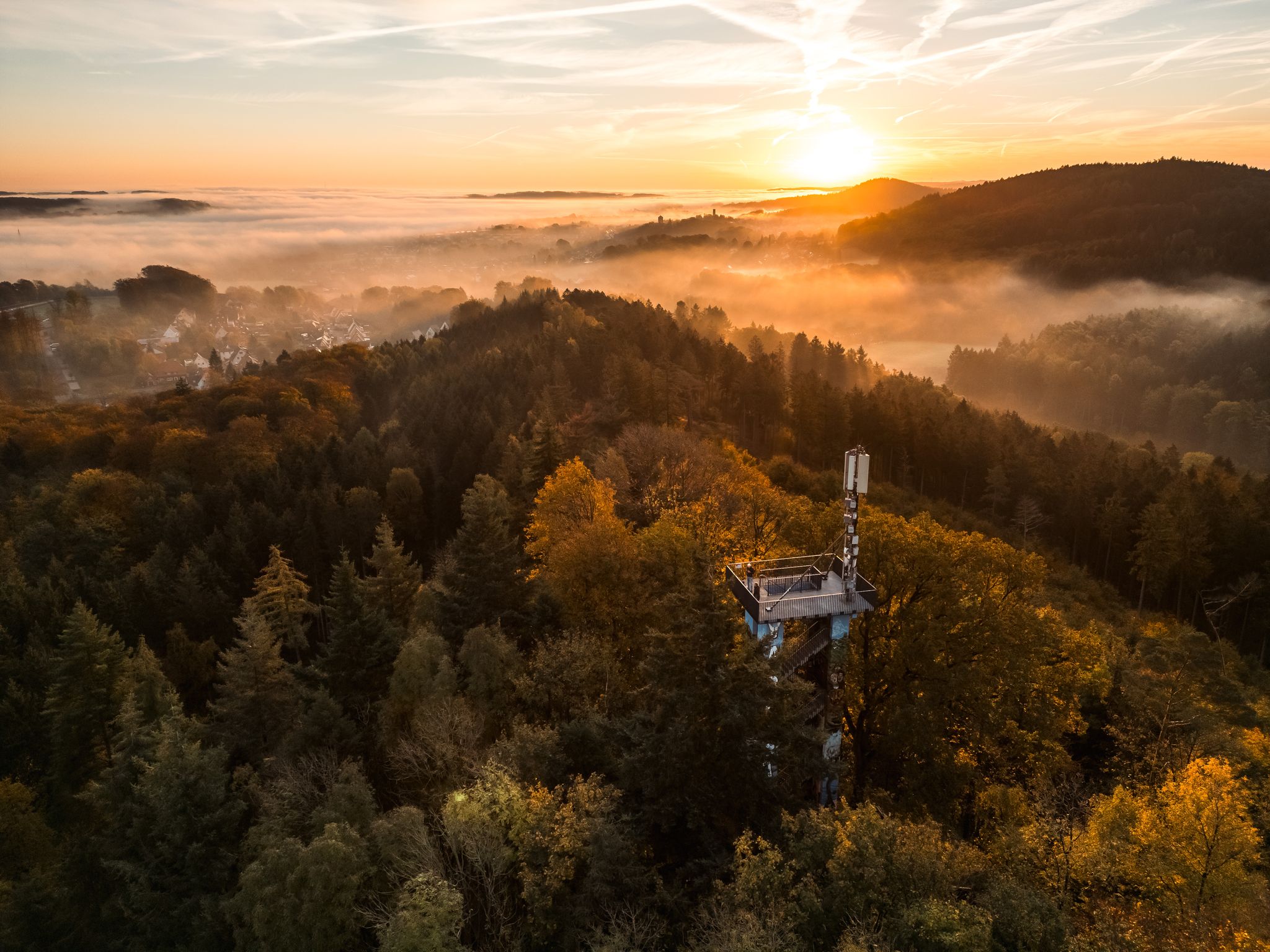
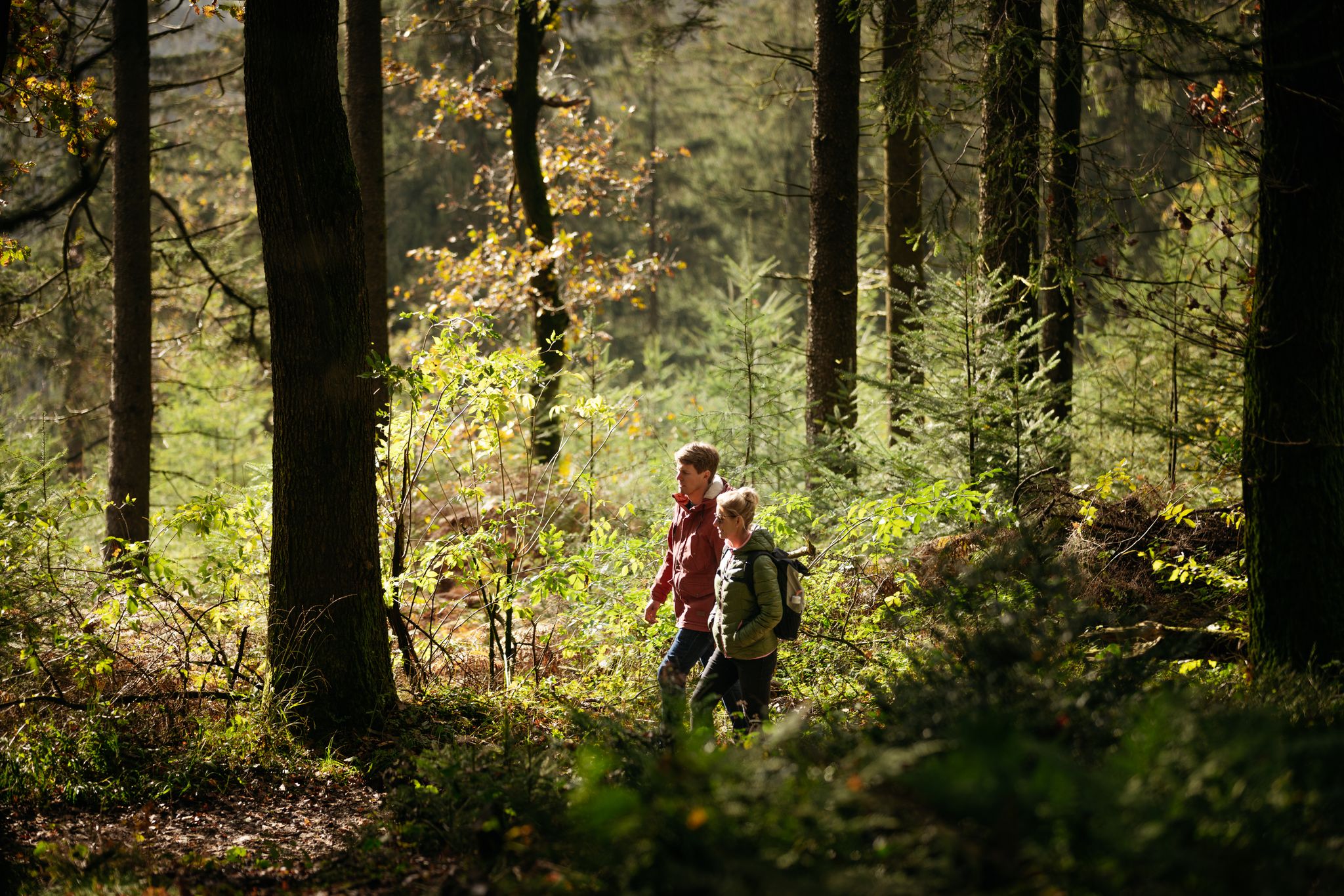
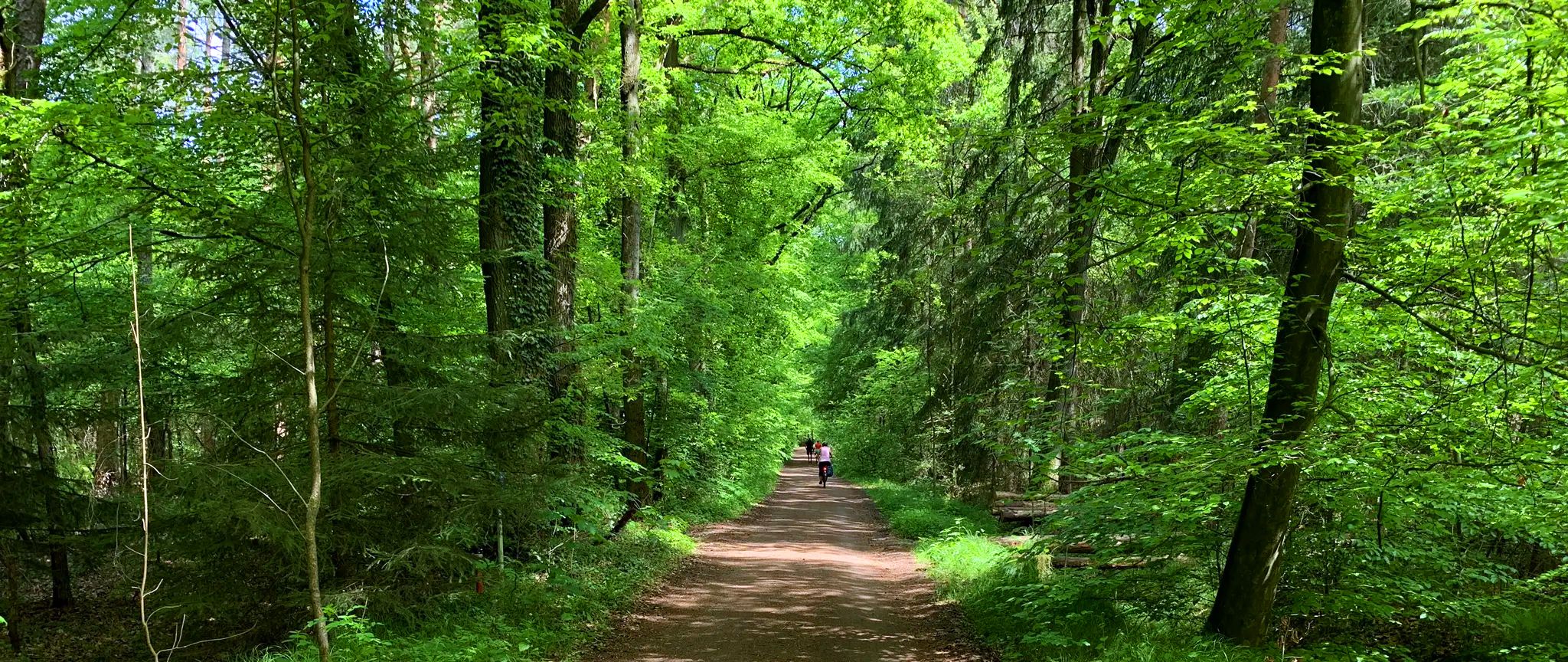
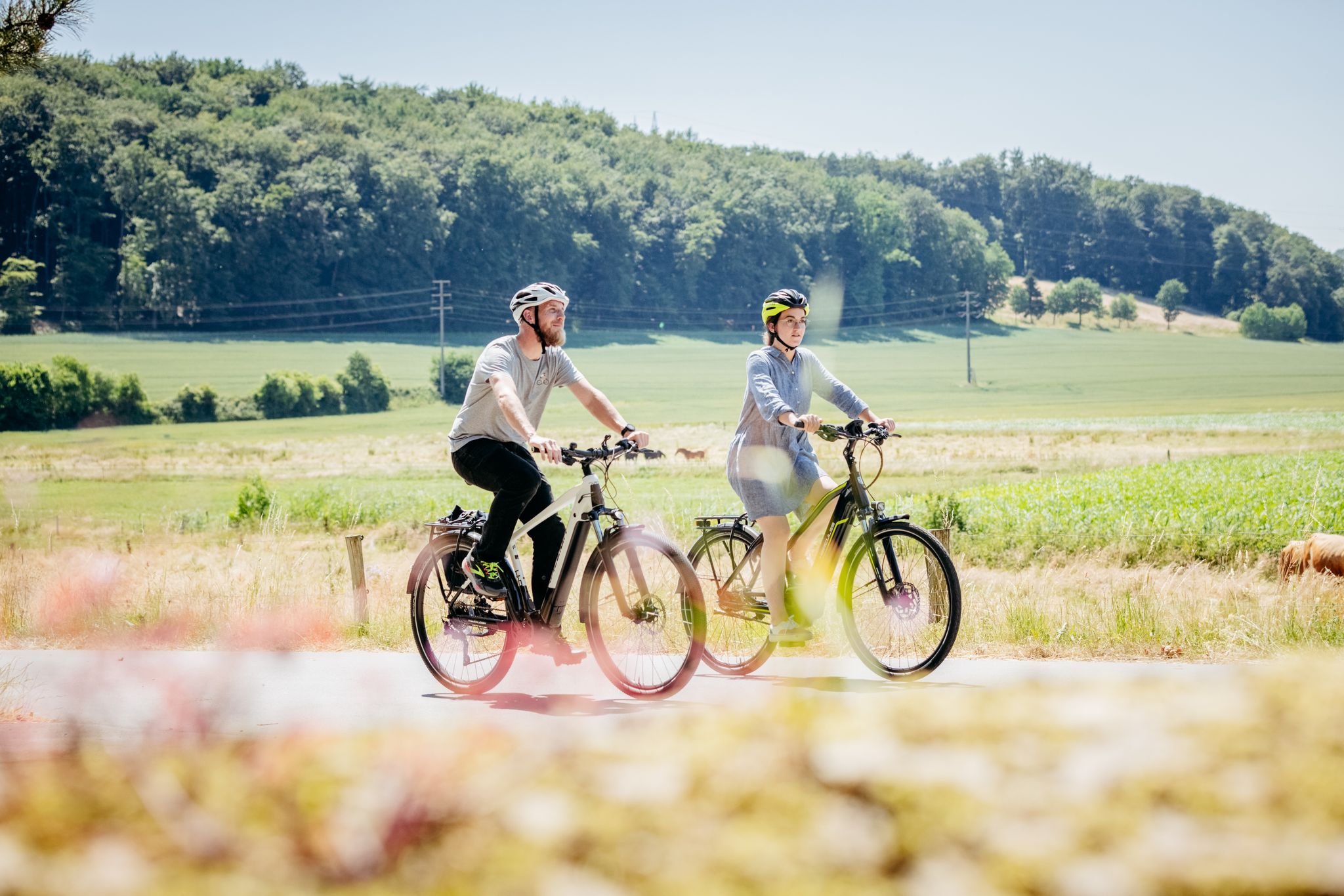
バート・ローテンフェルドでのの他の冒険


コミュニティからのヒント


This whimsical gatehouse, dating from 1913, was designed by the architect Karl Frey. Compared to his other projects around the turn of the century, it's practically a garden pavilion. As befits a garden, a fence was essential. Today, these iron fences with their many spikes are back in vogue. The entire area of the concert garden, the promenade hall, and the graduation tower were enclosed by it. At the ticket booth, this very gatehouse, everyone paid the visitor's tax to enjoy the music, the fresh air, or simply a stroll through the promenade hall. But the lucrative times for the cashiers were soon over. World War I arrived, and part of the fence was diverted to finance the military apparatus, following the motto "I gave iron for bread, and gold for iron." In 1922, a new and considerably shorter fence was erected around the concert garden. But 44 years later, this enclosure, too, had served its purpose and disappeared completely. Where these elements vanished to is apparently not recorded in any file. Source: https://www.historische-schaufenster.de/index.php/Schaufenster/konzertgarten.html
1
0
Between the laying of the foundation stone in 1868 and its final sale to an investor group in 1997, 25 years tell of changes. It is arguably the building in Bad Rothenfelde with the most varied history. Dining and concert halls (the famous Red Hall), dance floors, wine cellars, terraces, a bar, hotel rooms, staff quarters, kitchens, and cellars—all of this was housed within its walls, and much was subsequently destroyed by fire. Just as the owners changed hands frequently, so too did the names. Built as the "Höckersches Badehotel," it was known as the Kurhaus (spa hotel) from 1881 to 1952, then the Kurklinik Nollmann (Nollmann spa clinic), and subsequently the Kurhaussanatorium with a hotel in the spa park. From 1969 onward, the operation of the hall and hotel was managed directly by the spa administration. Later, after further renovations and fires, and as long as it remained under the spa administration's ownership, the guest complex was called the Residenzhotel (Residence Hotel). The hotel's history finally came to a close in 1985 when the guest rooms were converted into condominiums. The adjacent halls and bars have been managed and leased by an investor group since 1997. The hotel in the spa park and the small concert hall were demolished. The residents of Rothenfelde are quite used to that sort of thing. The senior citizens' residence in the spa park now stands on this site, and its residents have the privilege (or rather, must accept) of having a box seat at all the festivals in the concert garden. But the townspeople still gather in the Kurhaus every year for the Bad Rothenfelde meal, and every Sunday, lively couples dance, replenishing their calorie expenditure with cream cakes. Source: https://www.historische-schaufenster.de/index.php/Schaufenster/ehemaliges-kurhaus.html
1
0
The Weidtmanshof was built in 1917/18 as a health resort for the Bochum General Miners' Association. Mining workers could breathe healthy forest air and saline air at the graduation towers here, on the edge of the "Little Mountain." The 50-bed sanatorium was named after Dr. Viktor Weidtman, chairman of the Reich Miners' Association. Weidtman was particularly concerned with the well-being of the miners and pursued the goal of merging all Prussian miners' associations into a reinsurance association. Thus, the "Weidtmanshof" was built in 1917-1918 on Parkstrasse as a sanatorium and health resort for the Bochum General Miners' Association. Mining workers could recover here from their work. On December 17th... In 1926, Viktor Weidtman died suddenly of a heart attack in Berlin, leaving behind his wife Adele Weidtman (née Grach), after whom the Adelenblick viewpoint in Bad Rothenfelde is named, several children, and grandchildren. In 1999, heristo AG acquired the "Weidtmanshof" estate for its business and administrative headquarters. Source: https://www.historische-schaufenster.de/index.php/Schaufenster/weidtmanns-hof.html
1
0
Where the spa gardens of Bad Rothenfelde end to the west, the Kleine Berg (Little Mountain) begins, one of the "Natura 2000" protected areas within the TERRA.vita Nature and UNESCO Geopark. This spur of the Teutoburg Forest rises to barely 200 meters. With its biodiverse woodlands, it's a wonderful area for hikers and walkers – and the trails are correspondingly numerous. Six well-marked circular routes, ranging from 3.8 to 7.5 kilometers in length, lead through natural landscapes that are captivating at any time of year – but they are most beautiful in spring when the canopy is still sparse and the forest floor is full of blossoms. Besides the bright white sweet woodruff, countless other plants bloom here in spring, including the yellow lesser celandine, delicate pink wood anemones, the vibrant blue lungwort, unassuming wood violets, and the usually purple hollow-root corydalis. It's no wonder, then, that the hill is also known locally as "Blomberg" – meaning "Flower Mountain." Source: https://gemeinde.bad-rothenfelde.de/wandern-smaller-berg.html
1
0


The quarry appears to have been out of operation for a very long time.
1
0
バート・ローテンフェルドでのの人気観光スポット

komootモバイルアプリでインスピレーションを得よう


さらに探索
他の地域の最高のハイキングを見てみましょう。
