ライン・エアフト・クライスの洞窟・トップ20
ハイキングの途中で偶然見つけた場合でも、ガイドブックに沿ってたどり着いた場合でも、いつも特別な体験をもたらしてくれる城。ライン・エアフト・クライスには訪れるべき 20
の美しい城があります。一覧から行きたい城を見つけて、次の冒険では歴史にも触れてみましょう。
最終更新日: 9月 12, 2026
パッフェンドルフ城
ハイライト • 城
翻訳者 Google •
役立つ情報 は

アウグストゥスブルク城と庭園
ハイライト • 城
翻訳者 Google •
役立つ情報 は

今すぐサインアップして、こんな場所を発見しよう
最高のシングルトラック、ピーク、その他のエキサイティングなアウトドアスポットのおすすめを受け取ろう。
テュルニッヒ城
ハイライト • 城
翻訳者 Google •
役立つ情報 は

アルト・カスターの歴史的旧市街
ハイライト • 歴史的な場所
翻訳者 Google •
役立つ情報 は

ベドブルク城
ハイライト • 城
翻訳者 Google •
役立つ情報 は
ベルガーハウゼン城
ハイライト • 城
翻訳者 Google •
役立つ情報 は

ファルケンルスト狩猟館
ハイライト • 城
In the castle park, in the direction of the avenue that leads to the large Augustusburg castle in Brühl, there is a chapel. …
翻訳者 Google •
役立つ情報 は

ハウス・オール
ハイライト • 歴史的な場所
The Orr Manor …
翻訳者 Google •
役立つ情報 は
グラハト城
ハイライト • 城
翻訳者 Google •
役立つ情報 は
カスター城跡
ハイライト • 城
翻訳者 Google •
役立つ情報 は

無料でサインアップして、さらに多くの城を発見しましょう ライン・エアフト・クライスでの。
すでにアカウントをお持ちですか?
無料アカウントで今日から始めよう
次の冒険が待っています。
ライン・エアフト・クライス周辺で人気
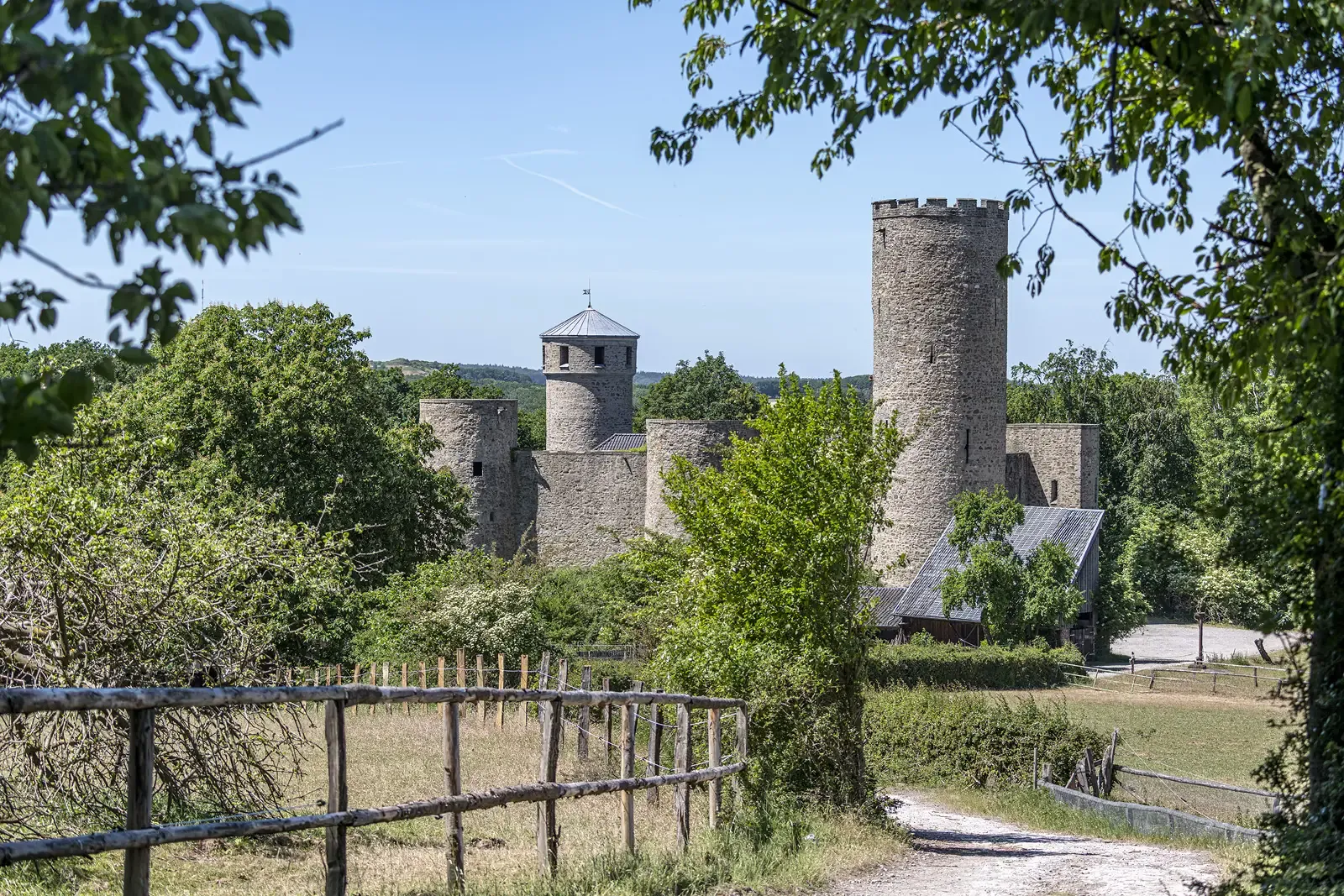
ラインラントのサンティアゴ・デ・コンポステーラの巡礼の一週間
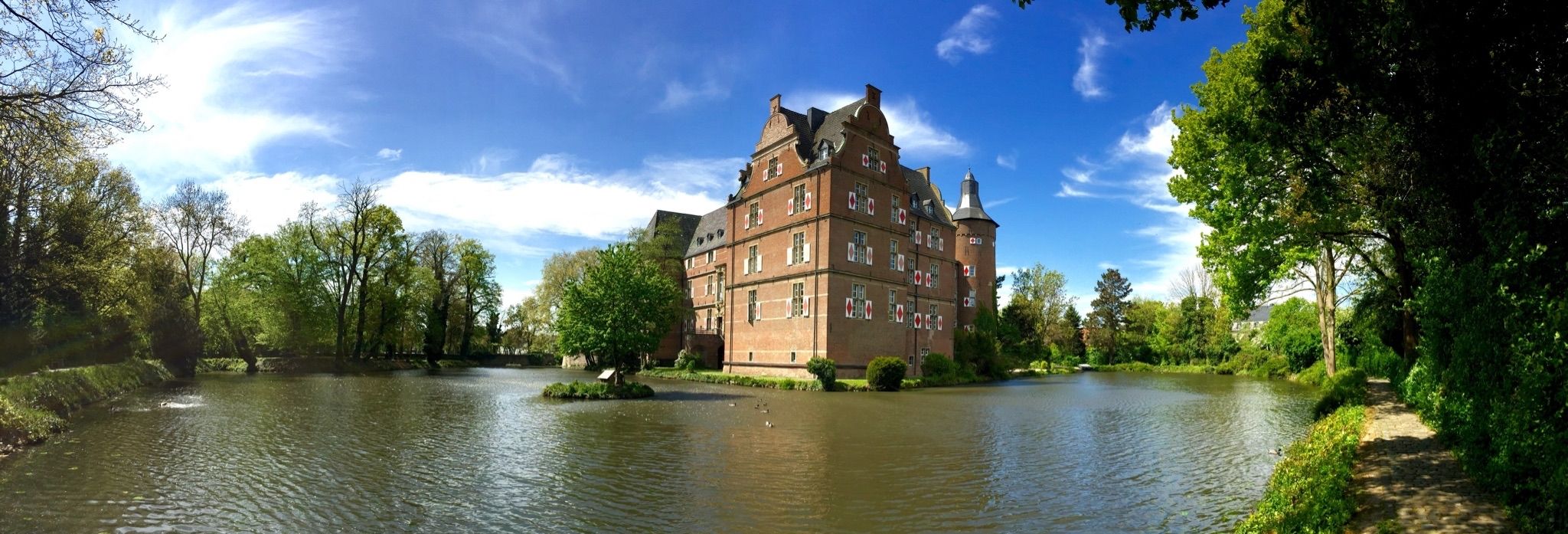
ドイツの城の国を走破 — ライン川からアイフェルまで往復
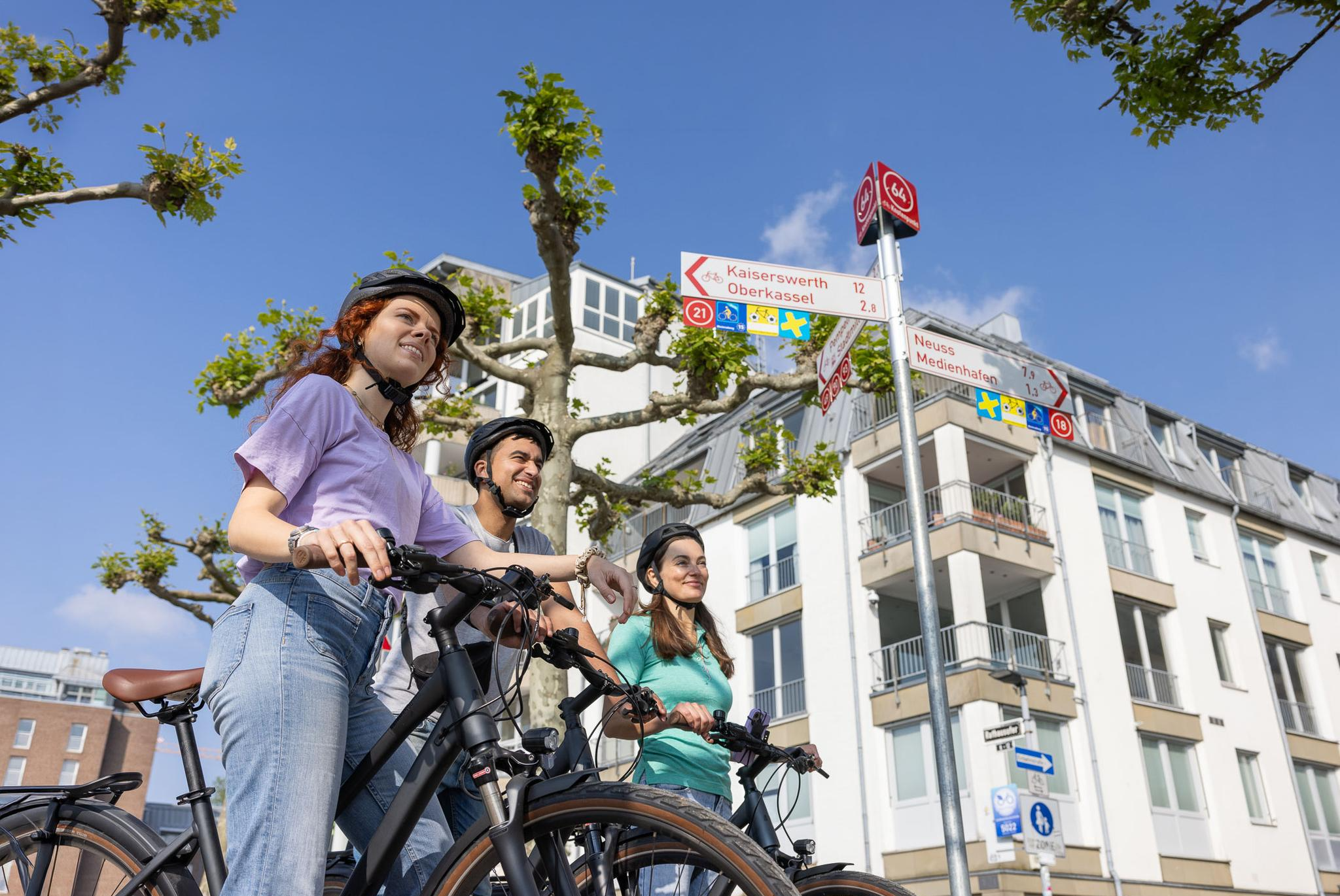
Cycling by Numbers – flexible rides in the Radregion Rheinland
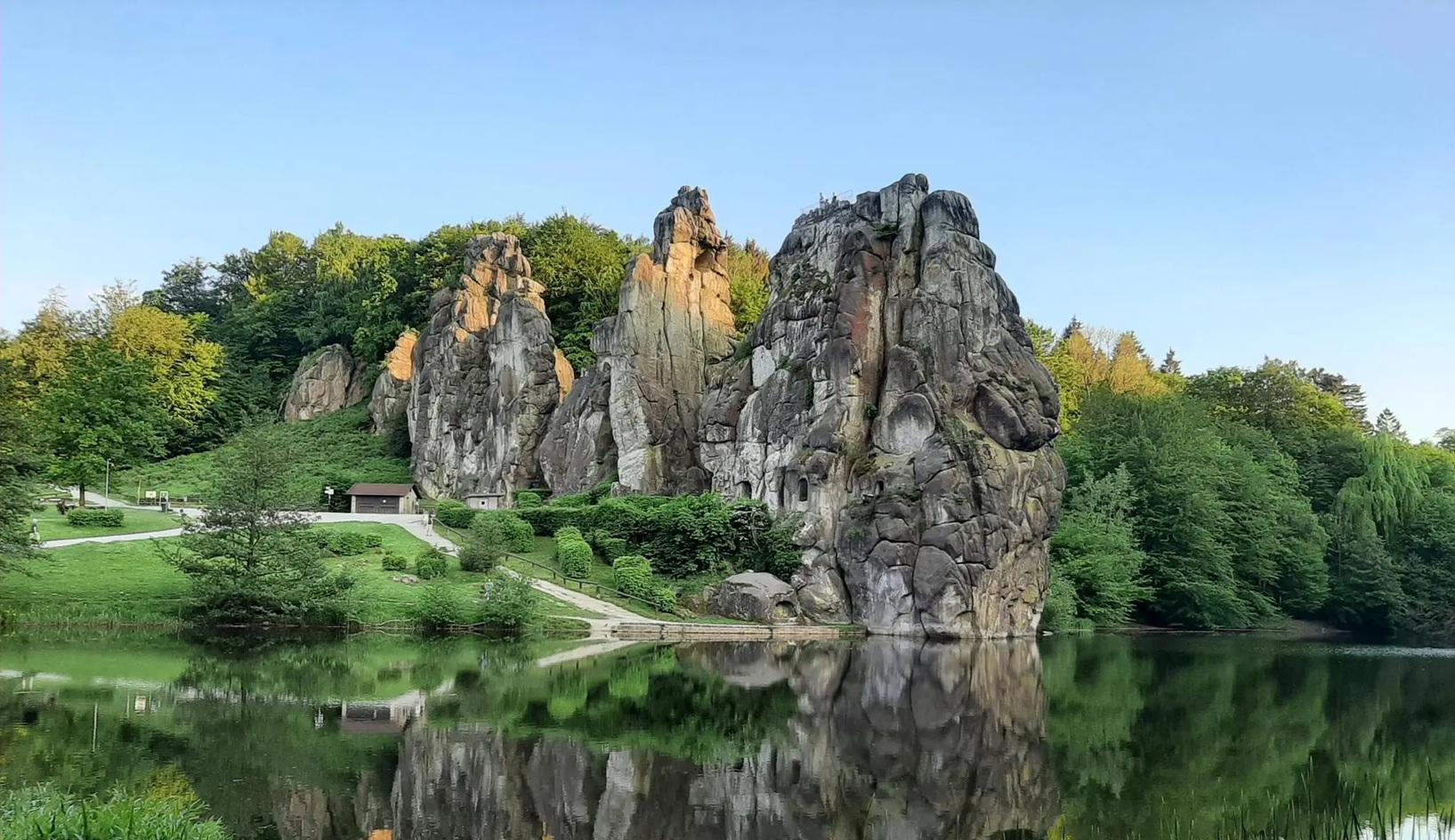
ナショナルランドスケープ北西部
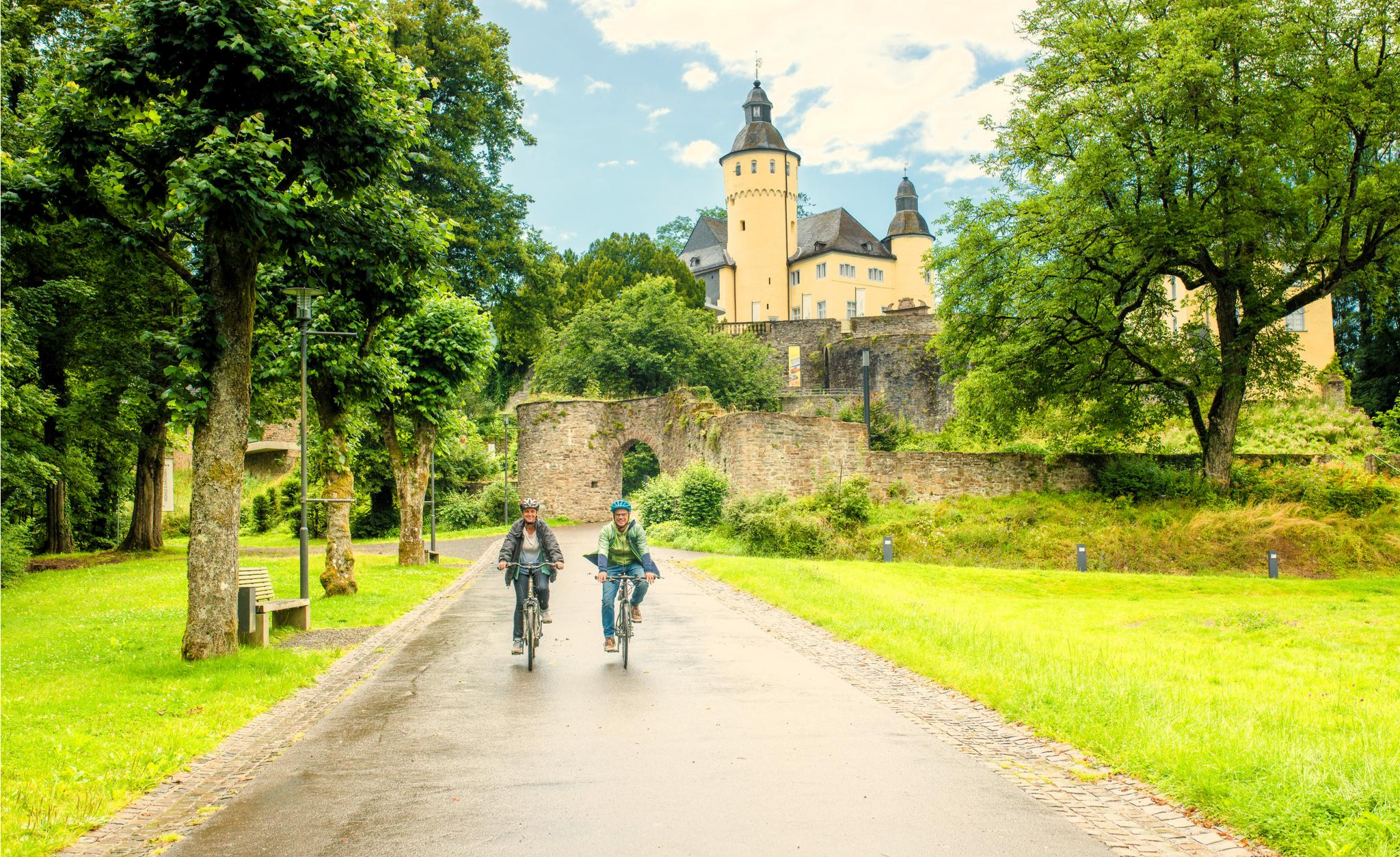
To palaces and castles - rides in the Rheinland cycling region
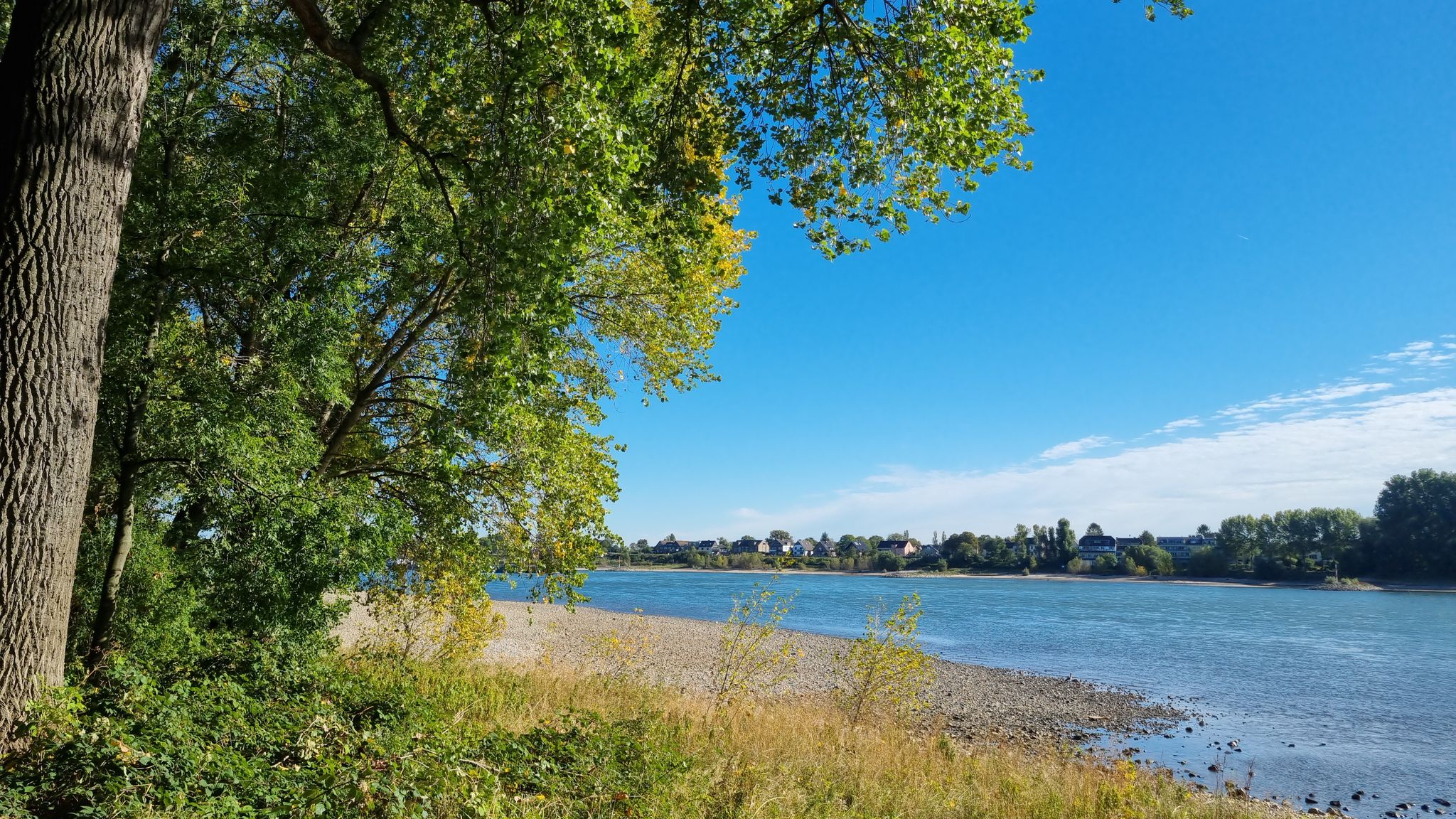
ケルン南部の家族向けハイキング
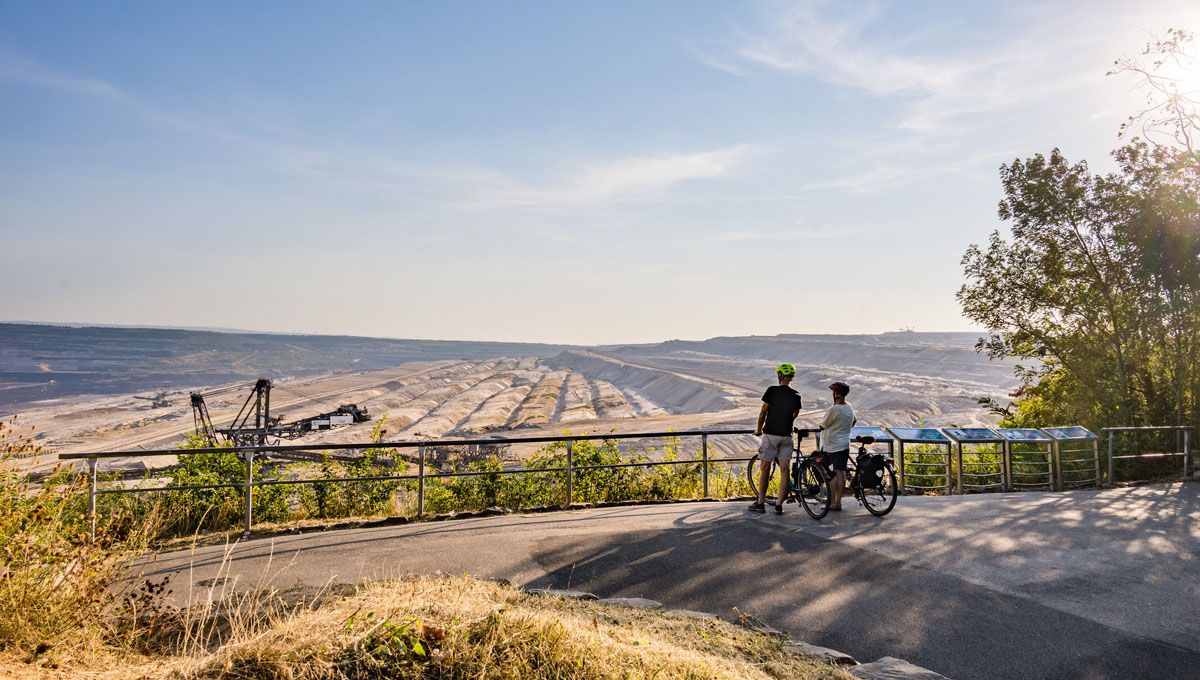
Marvellous views and varied scenery – cycling in the Rhineland
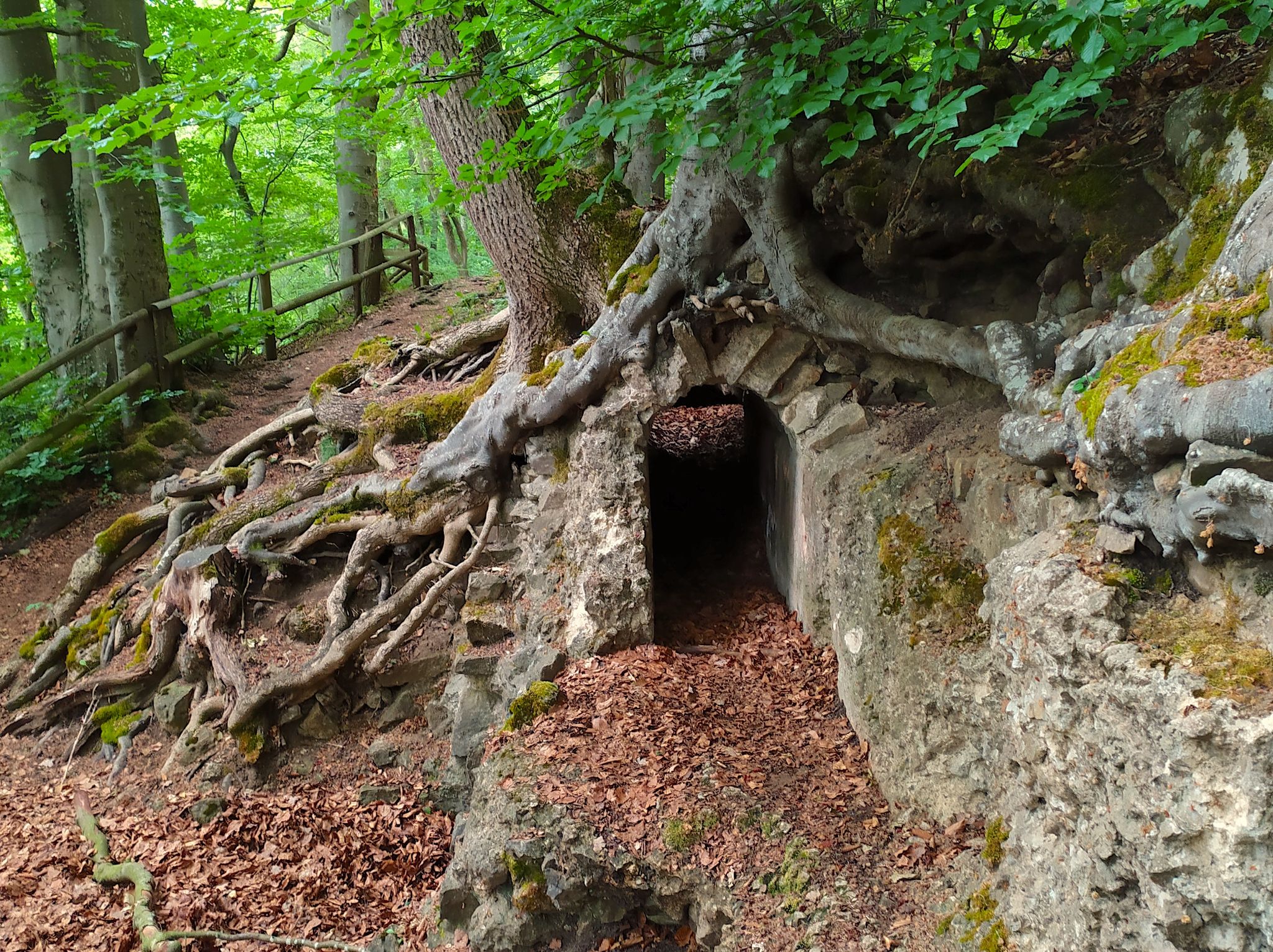
コロンからアイフェルへのハイキング - ローマ運河トレイル
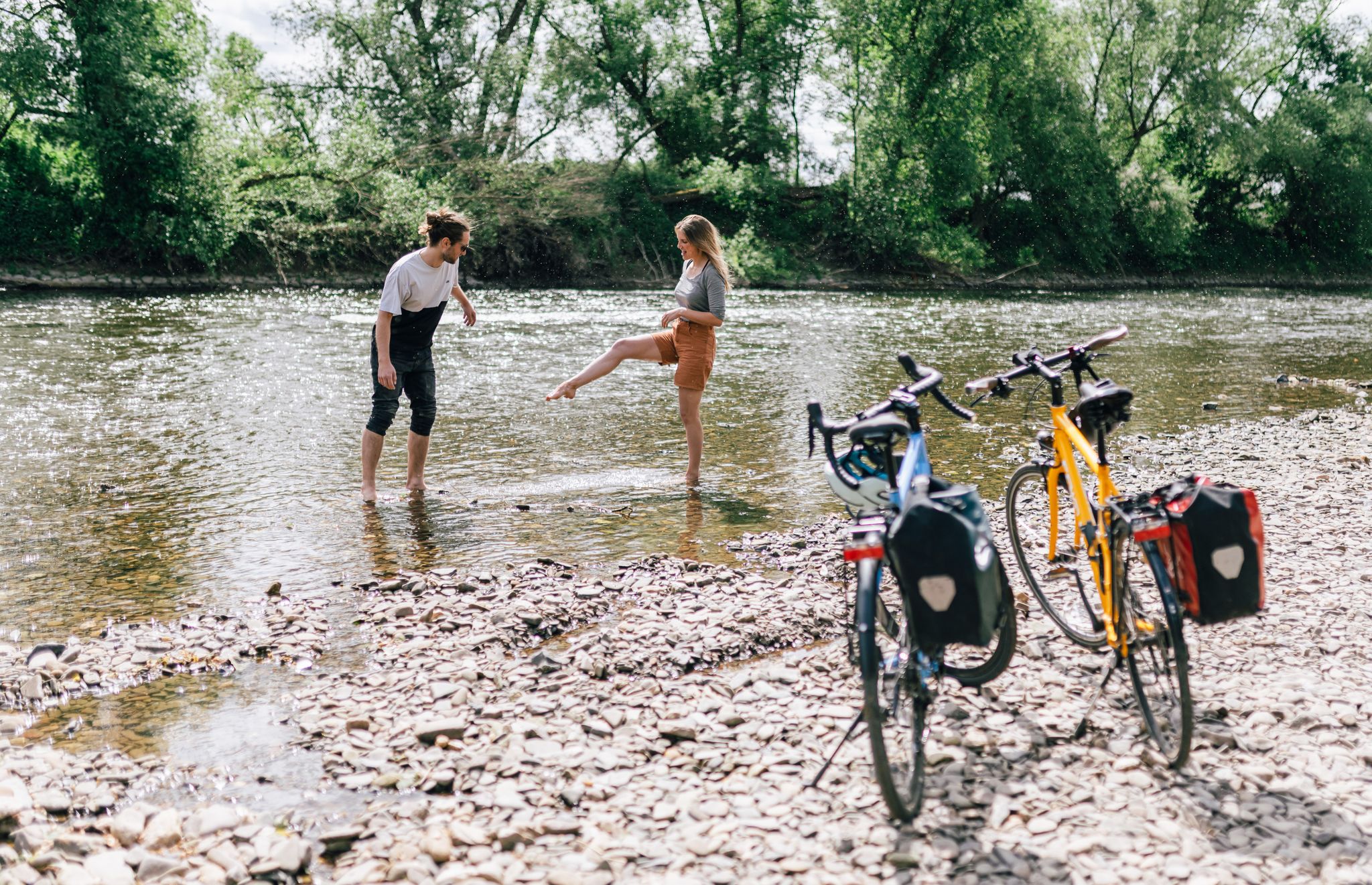
Close to water – cycling in the Rhineland cycling region
リインランド離徼のありませんないみいよりぽおりませ訳古
ライン・エアフト・クライスでのの他の冒険


コミュニティからのヒント

First mentioned in 1230 as the bailiwick of Paffendorf, this Renaissance-style moated castle is completely surrounded by water. Today, a brasserie invites visitors to enjoy coffee, cakes, and light meals. These can be savored either in the stylish interior or in the castle courtyard overlooking the park. The courtyard also serves as a venue for concerts and Christmas markets. The 7.5-hectare castle park delights visitors with its expansive water features, ancient sequoias and ginkgo trees, a stone pavilion, and numerous seating areas that invite relaxation.
1
0

Featuring the first Rocaille in Germany, Augustusburg Palace marks the cradle of Rococo in Germany. Elector and Archbishop Clemens August had his summer palace built between 1725 and 1768 on the ruins of a medieval moated castle – initially by the Westphalian master builder Johann Conrad Schlaun. Starting in 1728, the Walloon architect François de Cuvilliés the Elder designed Augustusburg Palace in its current form. However, Clemens August never saw his favorite residence completed, as it wasn't completed until seven years after his death.
13
0
Today, the moated castle is used for patient treatment. The private acute care clinic for psychiatry, psychotherapy, psychosomatics, and sports psychiatry is the first location of the Libermenta Clinics. A broad spectrum of psychiatric and psychosomatic disorders is treated there. A particular focus is on the treatment of stress-related consequences such as burnout, depression, anxiety, and post-traumatic stress disorders.
15
0

AUGUSTUSBURG Castle and the neighboring Falkenlust hunting lodge - as well as the gardens connecting the two buildings (which have been brutally cut through since the construction of a bypass road) - quite rightly bear the title of a UNESCO World Heritage Site. The castle park is free to enter (for example, it can be reached in a few minutes on foot from Brühl train station), but cycling is not permitted. The castle itself can be visited as part of guided tours or at concerts.
10
0
In the 16th century, Count Werner von Salm-Reifferscheid had the castle rebuilt in the Renaissance style. In 1839, the Rhenish Knighthood acquired the property and used it as a knights' academy. Following extensive restoration in the 1980s, the most recent renovation took place in 2008. The glass-roofed arcaded courtyard in the style of the Italian Early Renaissance is particularly noteworthy. Today, the elegant rooms serve as a venue for cultural events, conferences, and private celebrations. The moated castle is especially popular as a romantic wedding location.
6
0
Augustusburg Castle and the neighboring, much smaller FALKENLUST hunting lodge - as well as the gardens connecting the two buildings (brutally cut through since the construction of a bypass) - rightly bear the title of UNESCO World Heritage Site. The palace park is freely accessible (e.g. a few minutes' walk from the Brühl train station), the hunting lodge itself has an entrance fee. What is particularly striking about the architecture is the flat roof, which is completely untypical for a palace building and is primarily used as a terrace: from there the electoral householder and his illustrious guests could pursue their hobby of hunting birds of prey ("Beiz" or "Beize " called).
8
0

The origins of Bedburg Castle probably go back to the construction of a moth, but no parts of this have survived. It is one of the earliest aristocratic residences in Erft. The oldest components, from the 12th century, are in the basement. At this time we know a Ludolphus de Bethbure. In the 13th century, the lords of Heinsberg could have owned the castle as a fief before it passed to the lords of Reifferscheid, a Fredericus de Bedbure. The castle is a "castle type", consisting of three wings and two round and two square towers. The castle or chateau was repeatedly damaged and rebuilt. The Counts of Neuenahr owned the castle from 1403. In 1588 Count Werner von Reifferscheid was enfeoffed with the property and remained in the hands of the von Salm-Reifferscheid family until 1798. After the Peace of Lunéville in 1801, the château officially fell to the French state and was temporarily used as a residence for veterans of the French army. After being vacant for a short time and now in Prussian ownership, it was converted into a hospital for the eye patients in the Brauweiler penal institution. https://www.geschichtsverein-bedburg.de/permanent/BedburgSchloss.html
17
0
The former castle was surrounded by the Erft and two moats. It already existed before the old town of Kaster was surrounded by a castle wall. Its location was favorable because one of the few crossings over the Erft was possible there. The Erft also often demarcated the area of Cologne from that of Jülich. For a time, Kaster also served as a customs post. In front of the main castle, the current ruin, was a bailey. It is believed that this is where the urban development of Kaster came from. In Welser's drawing you can still see the rectangle of the outer bailey. The Eulenturm, which is still standing today, was one of these four corner towers. In the outer bailey was the waiter's shop with storage buildings and handicraft workshops, even a mouse catcher from Maastricht was employed there. From there the waiters (cellarius) administered the payments in kind and money to the feudal lords. The lords of Caster (known from 1148) were the feudal lords of the place and probably owned the castle. After their extinction, Kaster went back to the Counts of Jülich, who now expanded Kaster into a Jülich office. The castle was first mentioned in writing in 1273 when it was sold by the Count of Jülich to King Rudolph of Habsburg. He gave it back to Count Wilhelm IV of Jülich as a fief. Source: geschichtsverein-bedburg.de/permanent/KasterBurg.html
12
0
ライン・エアフト・クライスでのの人気ルート
ライン・エアフト・クライスでのの人気観光スポット

komootモバイルアプリでインスピレーションを得よう


さらに探索
他の場所で最高の城を探していますか?他のガイドを発見しましょうライン・エアフト・クライスでの:
