ヘムディンゲンのおすすめMTBライド
4.5
(464)
1,115
ライダー
200
ライド
ヘムディンゲン周辺には魅力的なマウンテンバイクルートがいくつもありますが、冒険を始めるにはその場所とルートを把握する必要があります。ここでは、komootが提供するヘムディンゲン周辺でのマウンテンバイクルートのコレクション全体を評価して選び抜いた、人気ルートをご紹介します。各ライドの詳細をぜひご覧ください。
最終更新日: 9月 12, 2026
4.6
(5)
12
ライダー
29.0km
01:46
80m
80m
中程度のマウンテンバイクライド. あらゆるフィットネスレベルに適しています。 高度なライディングスキルが必要です。
5.0
(1)
5
ライダー
29.2km
01:39
60m
60m
中程度のマウンテンバイクライド. あらゆるフィットネスレベルに適しています。 高度なライディングスキルが必要です。

5.0
(2)
3
ライダー
33.5km
02:04
80m
80m
中程度のマウンテンバイクライド. ある程度のフィットネスレベルが必要です。 高度なライディングスキルが必要です。
5.0
(1)
3
ライダー
50.9km
02:52
120m
120m
中程度のマウンテンバイクライド. ある程度のフィットネスレベルが必要です。 高度なライディングスキルが必要です。
4.3
(3)
4
ライダー
64.6km
04:09
170m
170m
中程度のマウンテンバイクライド. ある程度のフィットネスレベルが必要です。 高度なライディングスキルが必要です。
さらに多くのルートや他のユーザーのおすすめ情報を確認できます。
すでにアカウントをお持ちですか?
おすすめのツアーは他のkomootユーザーが実際に経験した何千ものアクティビティに基づいています。
無料アカウントで今日から始めよう
次の冒険が待っています。
コミュニティからのヒント

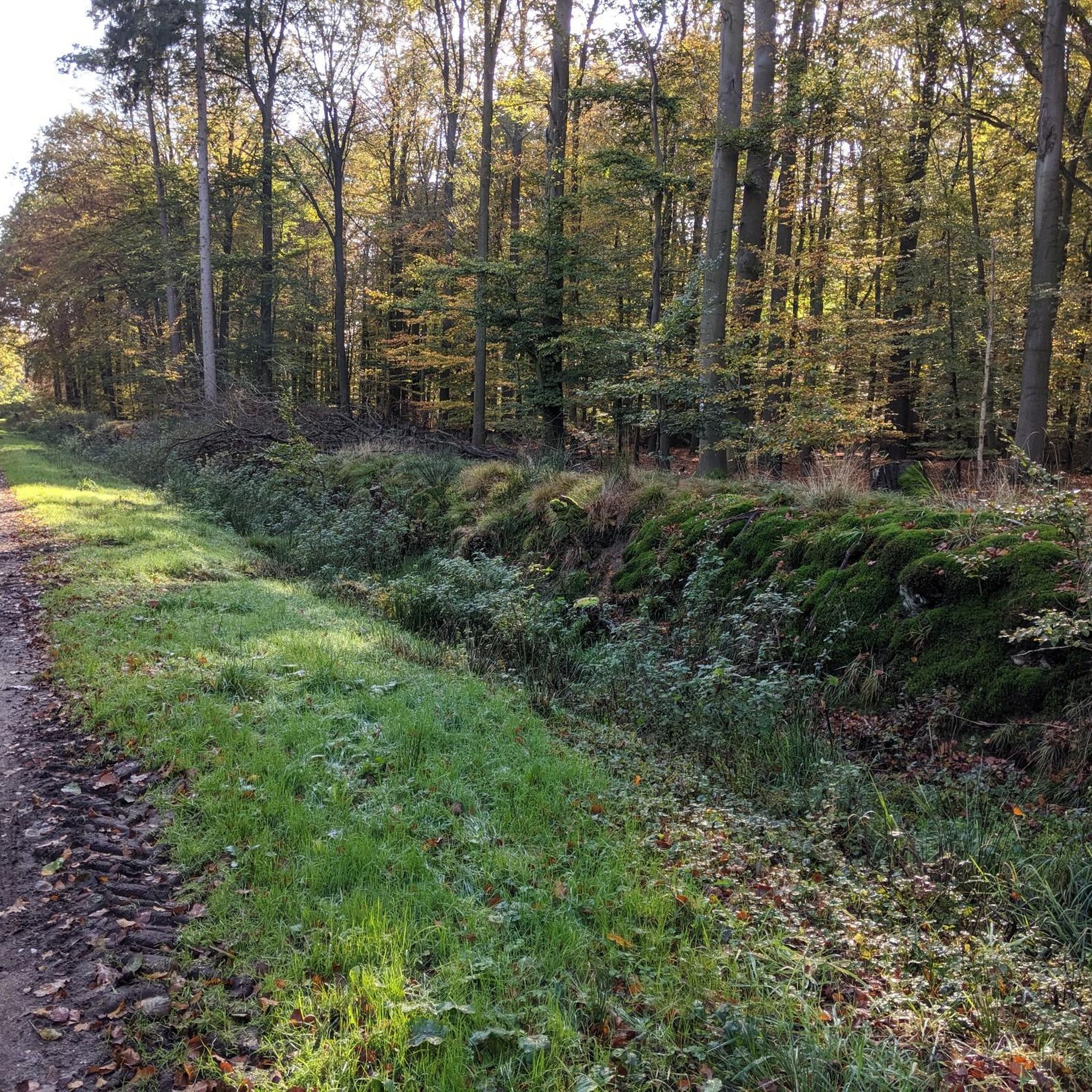
美しい風景、美しい小川、そして美しい橋です。 道を塞いでいる倒木の写真2枚を追加します。 周りを見渡すと、他の2人のサイクリストがやってきました。そのうちの男性が力強く自転車を持ち上げ、枝の上に持ち上げました。その後、彼はパートナーを助け、その後私を助けました。 このように親切なサイクリストに出会えるのは素晴らしいことです。
0
0


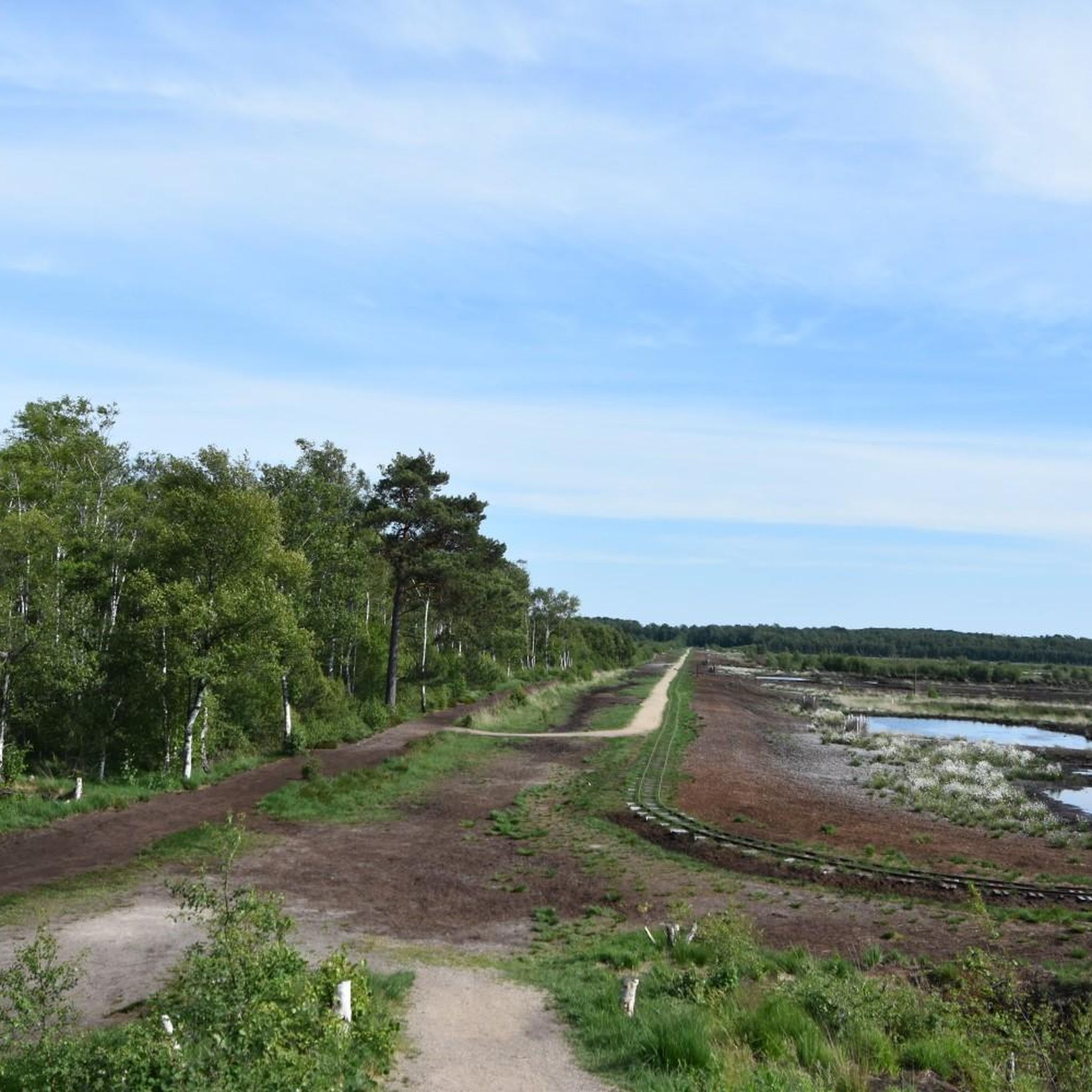
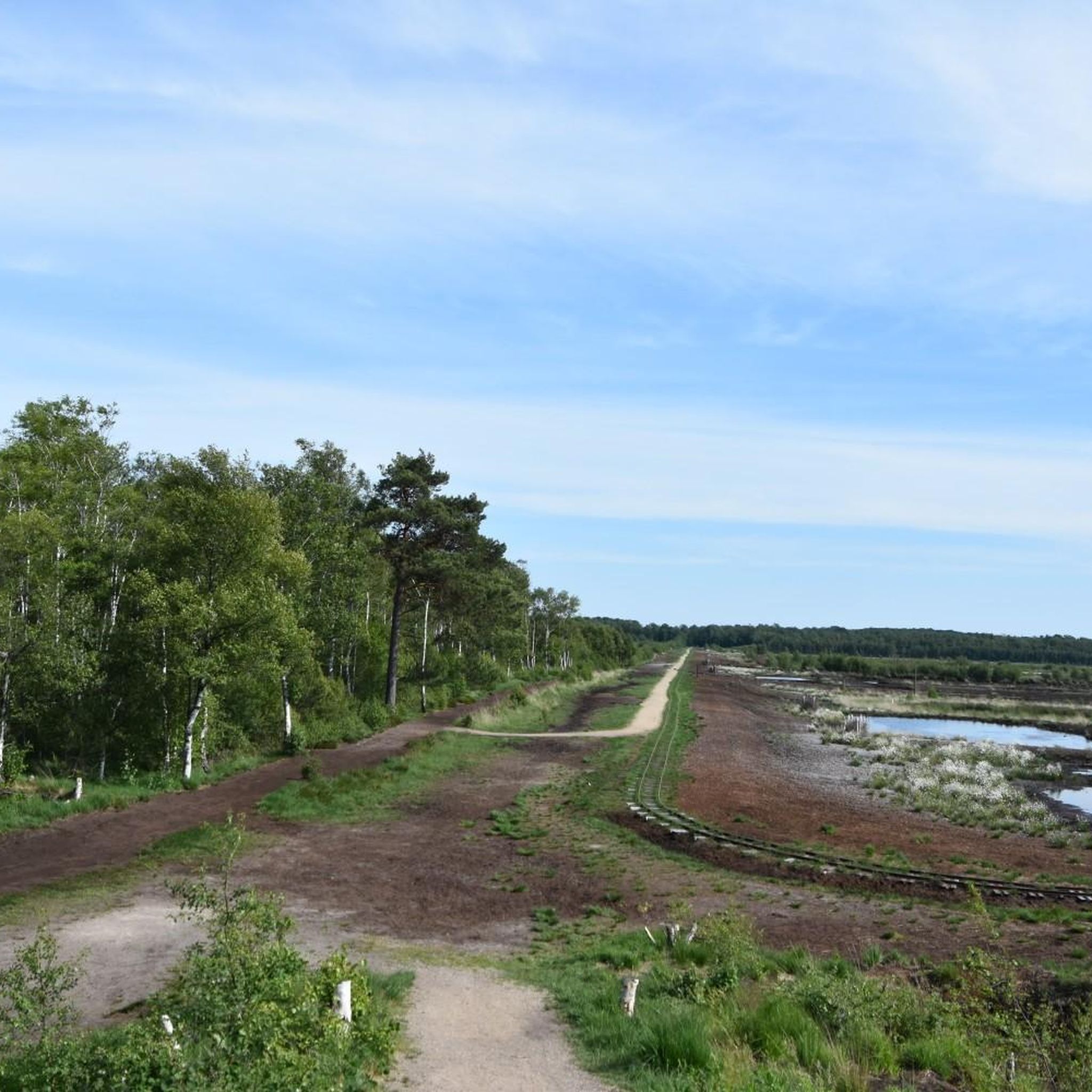
5,810 meters of track remain from the Himmelmoor Peat Railway. Built in 1900, it was used to transport peat from the mining area to the peat works on the eastern edge of the moor, operating on constantly changing routes. Small diesel locomotives, some of which were built in-house, pulled the trains carrying the peat floes until mining ended in 2018. Since 2015, the Himmelmoor Peat Railway Association has offered tours on the remaining line. The association maintains the railway and the industrial facilities. Trains are also regularly used for renaturation work.
14
0
Peat cutting, i.e., the above-ground extraction of peat, is no longer economically viable today. Peat as a fuel has largely been replaced by other high-energy fossil fuels. Many large-scale peatlands suitable for industrial extraction have now been drained. New peat cutting areas are only permitted under strict conditions. Raised bogs have an important regulatory effect on the water balance due to the large amounts of precipitation they can absorb. The preservation of the original habitats serves landscape conservation and species protection, as most species of peatland flora and fauna are considered threatened or critically endangered. Bogs grow extremely slowly; an intact peat body increases in thickness by only one millimeter per year. It therefore takes a thousand years for a one-meter-high layer of peat to form. Thus, bog areas recover very slowly during restoration attempts.
13
0
According to a 1919 contract, peat extraction, which began around 1780, was to continue until the moor had completely disappeared. However, extraction was discontinued in 2018. The gradual renaturation and rewetting of the Himmelmoor had already begun. The "Himmelmoor Friends' Association" was founded in December 2005.
12
0

In the middle of the moor - sometimes not even recognizable
1
0
Former gravel pit, which receives a second life as an outdoor swimming pool
0
0
ヘムディンゲンでのの人気観光スポット

komootモバイルアプリでインスピレーションを得よう


さらに探索
他の地域の最高のMTBトレイルを見てみましょう。
