ヴィーフェルシュテーデの洞窟・トップ12
ハイキングの途中で偶然見つけた場合でも、ガイドブックに沿ってたどり着いた場合でも、いつも特別な体験をもたらしてくれる城。ヴィーフェルシュテーデには訪れるべき 12
の美しい城があります。一覧から行きたい城を見つけて、次の冒険では歴史にも触れてみましょう。
最終更新日: 7月 20, 2026
ラステーデ城
ハイライト • 城
翻訳者 Google •
役立つ情報 は

オルデンブルク城
ハイライト • 城
The castle is based on a medieval lowland castle, which was built around 1100 by the Counts of Oldenburg to control a long-distance trade route from Westphalia to East …
翻訳者 Google •
役立つ情報 は

今すぐサインアップして、こんな場所を発見しよう
最高のシングルトラック、ピーク、その他のエキサイティングなアウトドアスポットのおすすめを受け取ろう。
無料新規登録
ノイエンブルク城
ハイライト • 城
翻訳者 Google •
役立つ情報 は

シュロス・ケールモーア
ハイライト • 城
The Köhlmoor Castle was rebuilt in 2014 and is located next to the airfield in …
翻訳者 Google •
役立つ情報 は
ヴェスターステーデ=フェルデ飛行場(EDWK)
ハイライト • 構造物
翻訳者 Google •
役立つ情報 は
無料でサインアップして、さらに多くの城を発見しましょう ヴィーフェルシュテーデでの。
無料新規登録
すでにアカウントをお持ちですか?
無料アカウントで今日から始めよう
次の冒険が待っています。
ログインまたは登録


コミュニティからのヒント


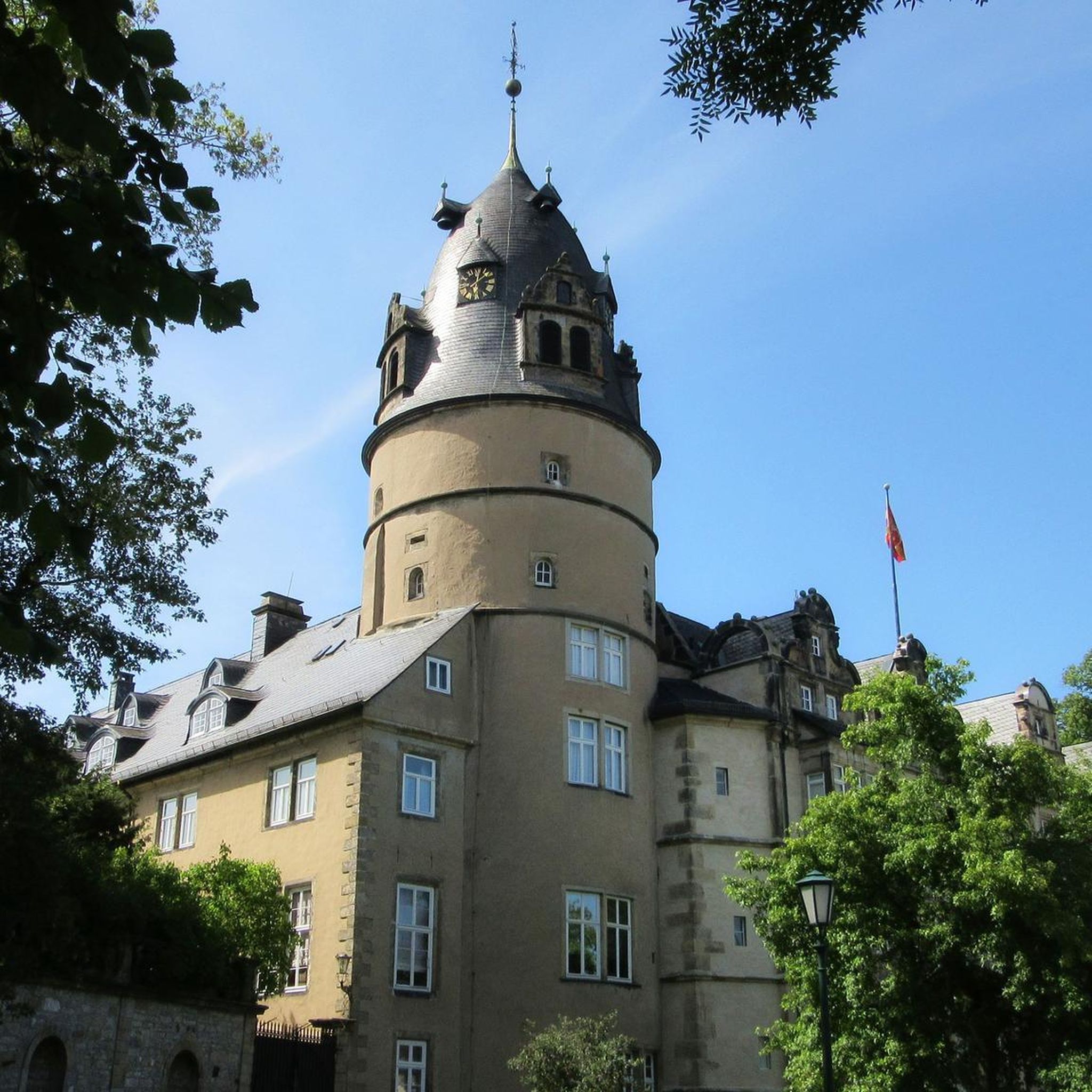
As inconspicuous as the castle may be from the outside, it is all the more impressive from the inside. A visit is absolutely worthwhile and even teaches the locals something about "our" history. There are many interesting exhibits to discover. Tip: Drinks are not allowed in the museum. However, we were offered to keep our drinks behind the cashier. Very friendly staff!
5
0

The museum also shows changing exhibitions and has two other locations: the Augusteum houses the Old Masters Gallery, and the Prinzenpalais houses the New Masters Gallery with paintings from the 19th century onwards.
9
0

Historic representative rooms Some of the historic representative rooms in the castle have been largely preserved to this day. These include the Antiquarium, the oval reception room, the tower room, the blue, red and green salon, the Strack Hall, the throne room, the white hall, the marble hall, the idyllic room and the castle hall. The large castle hall was built in the neo-Renaissance style and decorated with ceiling paintings by the Delmenhorst-born painter Arthur Fitger (1840–1909). The oval reception room was designed under Grand Duke Paul Friedrich August in 1836. The room was to be completed the following year for the wedding of his daughter Amalie to the Greek King Otto I. The lavish plan approved by the Grand Duke included a "boiserie" (paneling) made of light satin wood and 48 mirrored panes for the doors. However, to the great annoyance of the Grand Duke, the work was not completed on time.
11
1
History The castle is based on a medieval lowland castle, which was built around 1100 by the Counts of Oldenburg to control a long-distance trade route from Westphalia to East Frisia. It was first explicitly mentioned in 1275, and a keep appears in a document in 1313. At that time, the individual buildings had to be founded on oak piles. Around 1400, the complex, which was laid out in a circle, was given a moat with an outer wall under Count Dietrich the Lucky, and thus became a moated castle. Numerous residential and commercial buildings were gathered in a small area, which housed a court of around 350 people around 1600. In 1573, the castle was considered dilapidated and was therefore renovated piece by piece. The keep in the middle of the courtyard had already become slanted by 1599 due to the marshy ground and was therefore demolished in 1608.
12
0

Köhlmoor Castle was rebuilt in 2014 and is located next to the airfield in Felde - Westerstede. The castle received its name because the “Köhlmoor” was once located in this area. In the 17th/18th In the 19th century, two families lived here and burned high-quality charcoal from the heavy peat. The style of the house is modeled on historic Renaissance country house castles both inside and out. The outer facade - a dream of white and yellow - is decorated with shell and stucco ornaments. A large mural decorates the entrance area.
4
1

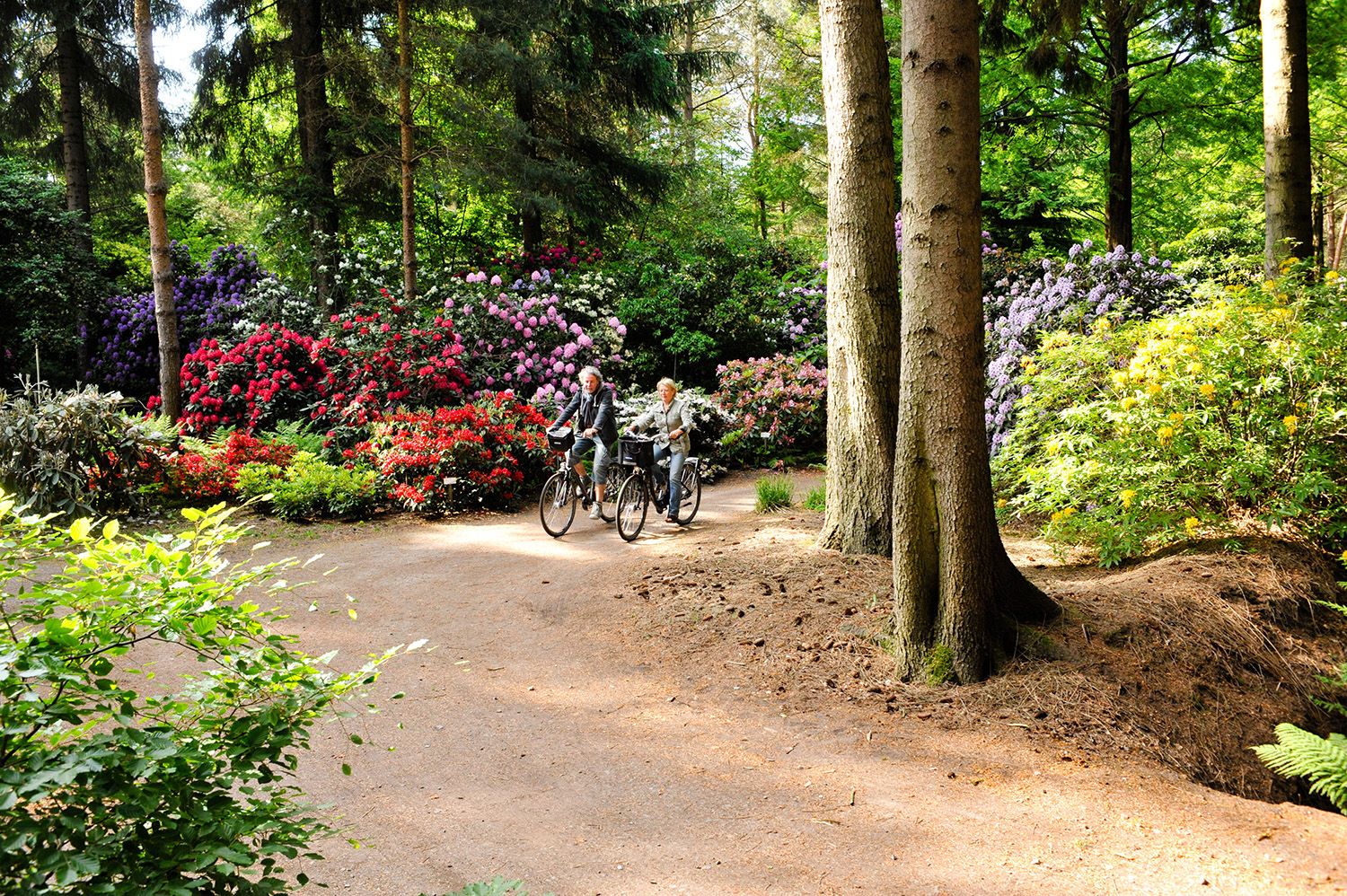
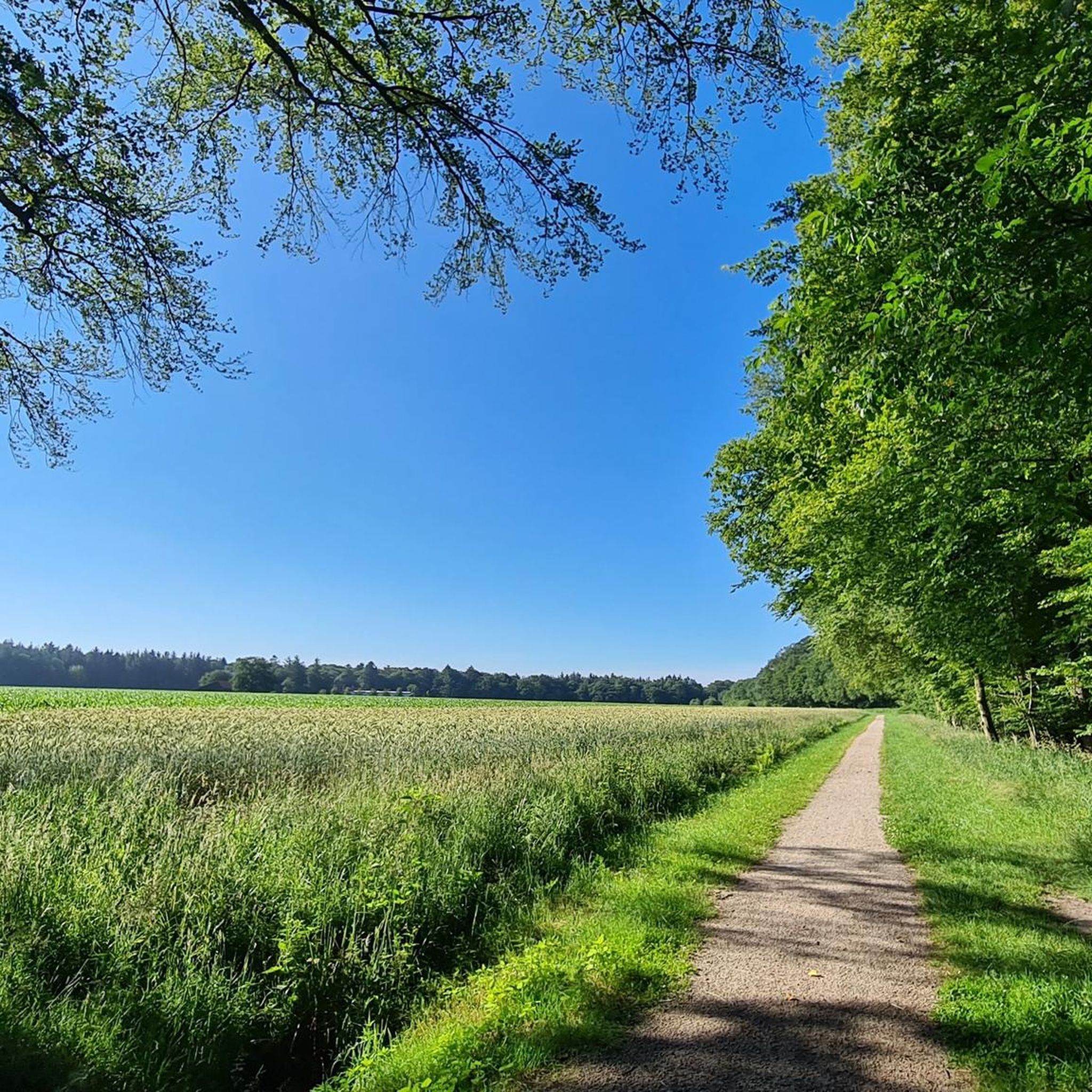
An impressive experience when you cycle through the gate into the courtyard.
7
0

Hardly any other name is as associated with Oldenburg as Anton Günther's. The count, who kept the greatest trouble away from the city through clever action during the Thirty Years' War, also resided here in Oldenburg Castle from 1588 to 1667. But all of Günter's fortunes could not prevent the castle from falling to the Danish royal family for over 100 years after his death. However, a castle was built on this site around 1100, which became a moated castle around 1400 under Dietrich the Lucky, surrounded by a moat. By 1600 there were around 350 people in and around the castle. During the castle's heyday, there was a lot going on here at Oldenburg Castle, which of course also said something about Oldenburg's status. Anton Günter, for his part, began the gradual conversion in the early 17th century with the help of various architects into the jewel of the Renaissance that we can admire today. Duke Peter Friedrich Ludwig (1755–1829), who was also not insignificant for Oldenburg, with his classicist preferences, as can still be seen in many Oldenburg buildings today, made some modernizations to the property during his time and gave it another wing including a court kitchen , library, and two carriage depots. Today, the well-preserved and worth seeing castle houses the Oldenburg State Museum of Art and Cultural History in a representative location.
10
2
ヴィーフェルシュテーデでのの人気観光スポット

komootモバイルアプリでインスピレーションを得よう


さらに探索
他の場所で最高の城を探していますか?他のガイドを発見しましょうヴィーフェルシュテーデでの:
