ボワーチョーク周辺のアトラクション&必見スポット - トップ20
ボワーチョークには必見のスポットがたくさんあります。ハイキング愛好家やサイクリング愛好家の方は、ぜひボワーチョークを探索してこのエリアにある20
の隠れたスポットを訪れてみてください。このエリアの必見スポットを確認し、次の冒険に出かける計画を立てましょう。
最終更新日: 8月 25, 2026
ウィン・グリーン山頂
ハイライト • 歴史的な場所
役立つ情報 は

ジグザグヒルクライム
ハイライト (セグメント) • 展望台
役立つ情報 は

今すぐサインアップして、こんな場所を発見しよう
最高のシングルトラック、ピーク、その他のエキサイティングなアウトドアスポットのおすすめを受け取ろう。
無料新規登録
Bokerley Dyke
ハイライト • トレイル
役立つ情報 は

ウィンボーン・セント・ジャイルズ村と教会
ハイライト • 宗教的な場所
役立つ情報 は

オールド・ウォードア城
ハイライト • 展望台
役立つ情報 は

無料でサインアップして、さらに多くの観光スポットを発見しましょう ボワーチョークでの。
無料新規登録
すでにアカウントをお持ちですか?
無料アカウントで今日から始めよう
次の冒険が待っています。
ログインまたは登録


コミュニティからのヒント

St. Giles Church is known for its numerous monuments, particularly those dedicated to the Earls of Shaftesbury. Sir Anthony Ashley's Tomb: A historic highlight is the spectacular gilded tomb of Sir Anthony Ashley, dating to 1628. The tomb features intricate classical columns and symbolism. A curious detail is a sphere at his feet, which has been the subject of various theories, including that it represents a globe, a jewel, or even a cabbage. Ashley-Cooper Family Memorials: The church houses several other memorials to the Ashley-Cooper family, including tombs for the 1st, 3rd, 4th, 7th, and 9th Earls. The 1st Earl's memorial includes a bust by Rysbrack, and the 3rd Earl's is a grand wall monument by Scheemakers. Crusader Effigy: There is a much-restored 14th-century effigy of a crusading knight, believed to be Sir John de Plecy. Comper's Work: The interior is almost entirely a result of Sir Ninian Comper's restoration. This includes the highly decorated screen separating the nave and chancel, new stained glass windows, and the gilded tester over the altar.
1
0
19th-Century Gothic Revival: In the 19th century, the church was remodeled twice. The most significant work was in 1887, a Gothic Revival-style memorial to the 8th Earl of Shaftesbury. The 1908 Fire and Comper's Restoration: A catastrophic fire in 1908 destroyed most of the church's interior, leaving only the walls standing. The 9th Earl of Shaftesbury commissioned the renowned Gothic Revival architect Sir Ninian Comper to restore and rebuild the church. Comper's work, completed between 1908 and 1910, is considered one of his masterpieces. He kept the 18th-century external walls but completely redesigned the interior, adding a new north aisle and a lady chapel. His intricate work, including stained glass, a wooden screen, and numerous sculptures, makes the church a "treasure-house of Comper work," as described by Sir John Betjeman.
1
0
St. Giles Church is the parish church for the village of Wimborne St Giles in Dorset. It has a rich and complex history, marked by several rebuilds, a major fire, and the patronage of the Ashley-Cooper family, the Earls of Shaftesbury. The church's origins date back to at least the 13th century, with the first recorded rector in 1207. The current building is a fascinating mix of architectural styles due to its turbulent history. 18th-Century Georgian: The church was almost entirely rebuilt in 1732 by the Dorset architects John and William Bastard, who were also responsible for much of the reconstruction of the town of Blandford Forum after a fire. The exterior of the church, with its greensand and flint walls, still largely reflects this Early Georgian design.
1
0
Bokerley Dyke is a substantial linear earthwork, approximately 5.75 kilometers (3.6 miles) long, located on Cranborne Chase. It runs along part of the border between Dorset and Hampshire, specifically between Woodyates and Martin. It is part of a larger Scheduled Monument that also includes Grim's Ditch and other earthworks. The dyke has a multi-period history. It is believed to have originated in the Bronze Age or Early Iron Age as an important political and cultural boundary. In the 1st century, it was cut through by a Roman road, Ackling Dyke, which ran between Old Sarum and Badbury Rings. In the 4th century, the dyke was remodeled and brought back into use. During this period, the Roman road was blocked. A coin of Valens found during excavations dates this activity to shortly after 364 AD, with some sources suggesting it was built between 367-368 AD. This remodeling may have been a defensive measure against attacks on Britain by Picts, Scots, and Saxons. The Roman road was eventually reopened, but the dyke may have continued to be used as a boundary after the Roman administration ended. Today, it still forms part of the border between the counties of Dorset and Hampshire.
0
0


Definitely worth a visit beautiful ancient castle and amazing history
1
0
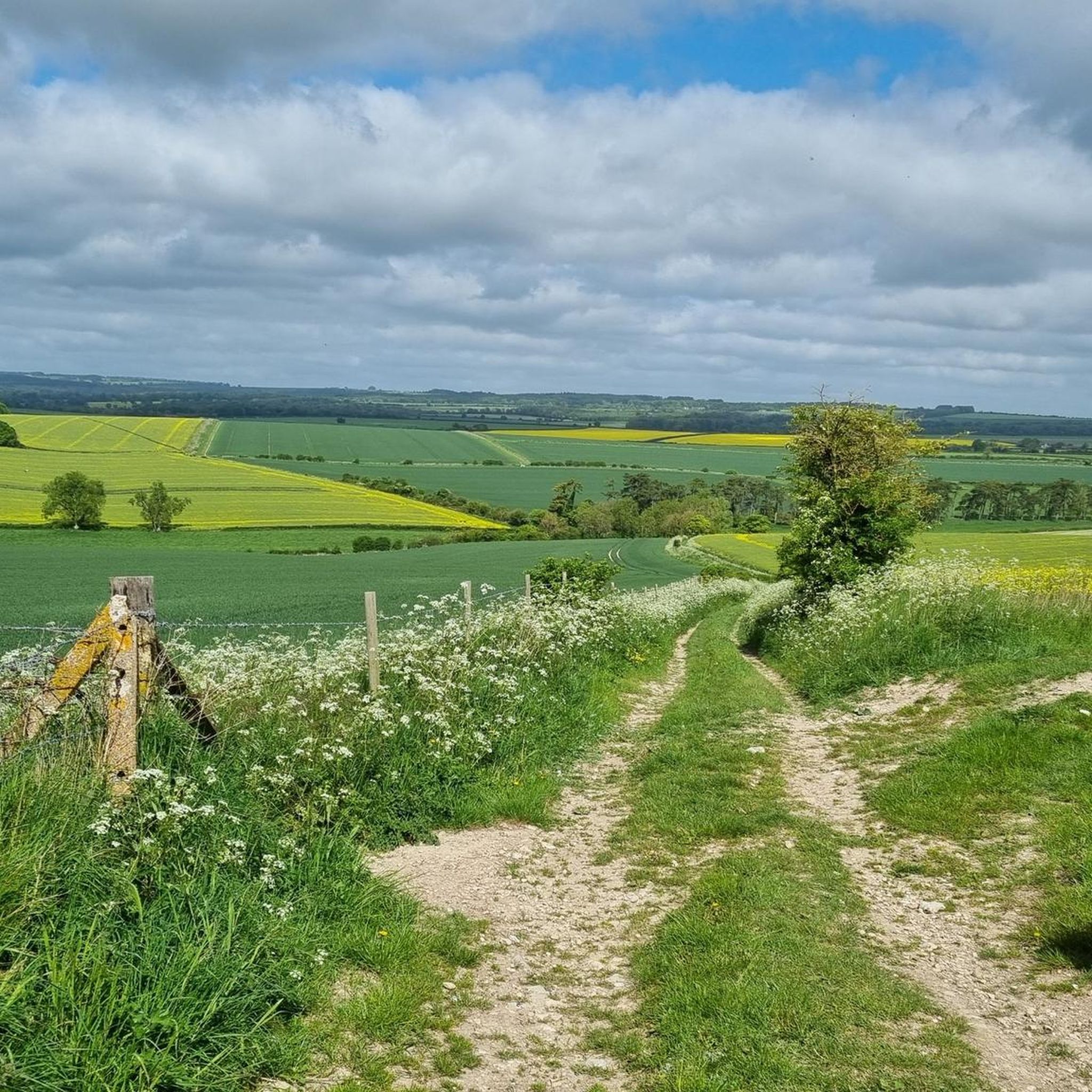
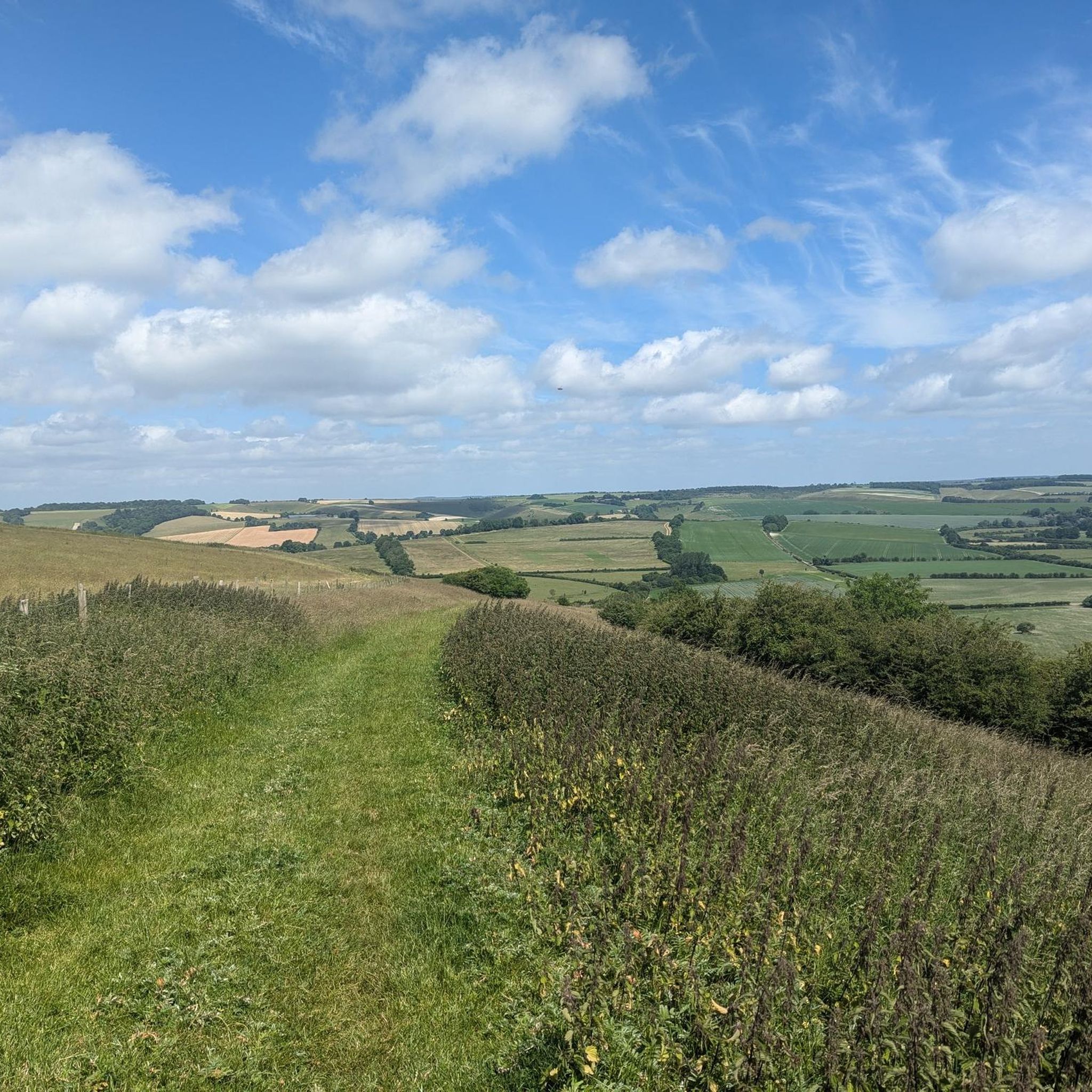
One of the most beautiful places in the south of England 🏴 and amazing views of Wiltshire and Dorset 🤩
0
0

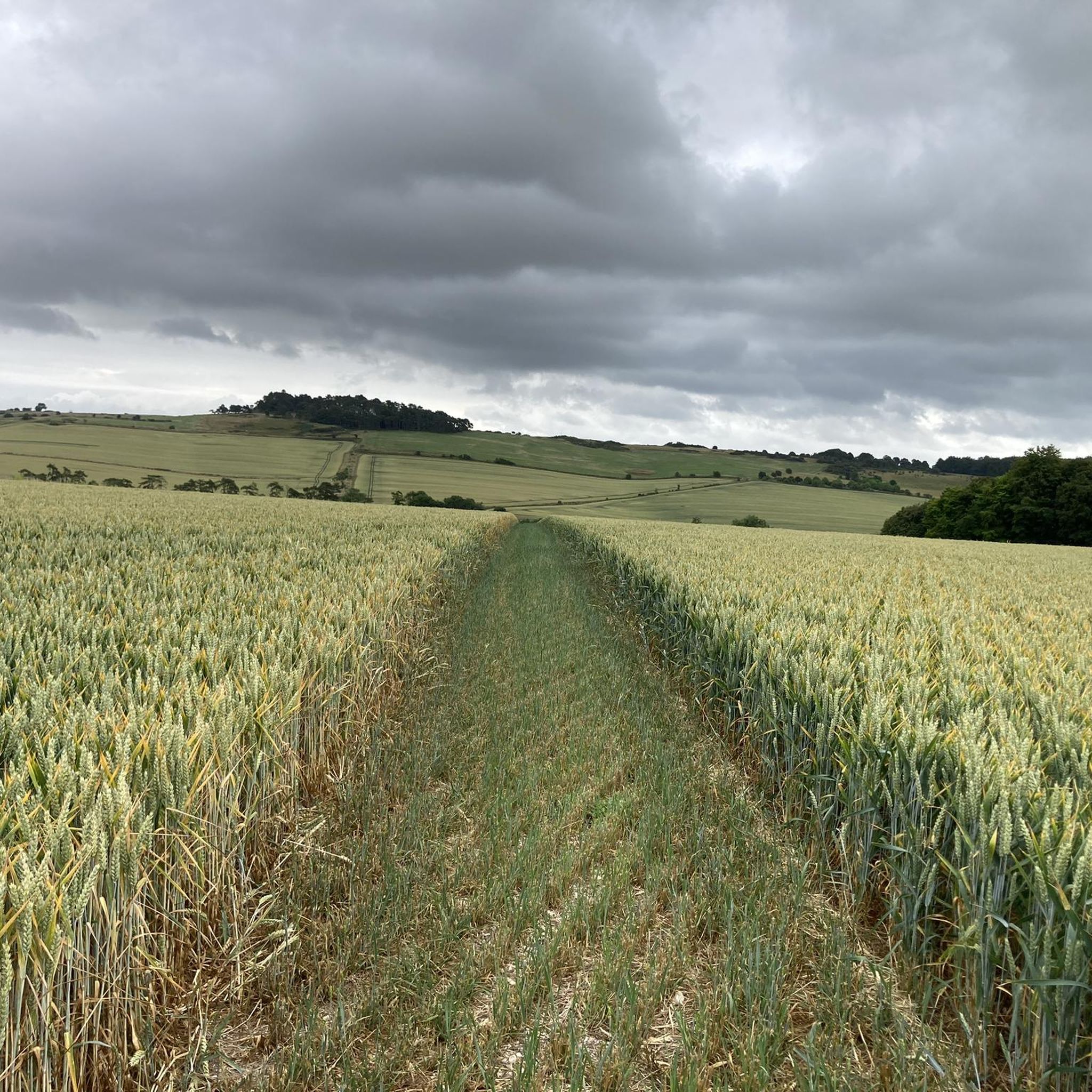
Win Green at 277 m is the highest point on Cranbourne Chase. The tree topped summit also has a Bronze Age hill barrow, topography stone and trig point. Lots of great running loops from here as well as easy parking close by.
0
0
ボワーチョークでのの人気観光スポット

komootモバイルアプリでインスピレーションを得よう


さらに探索
まだ探しているハイライトが見つかりませんか?他の地域のトップアトラクションのガイドを見てみましょう:
