サン=タンドレ=ド=リドンのおすすめウォーキング&ハイキングルート
4.4
(61)
563
ハイカー
31
ハイキング
サン=タンドレ=ド=リドン周辺でのハイキングは、景色を満喫するのに最適な手段のひとつですが、適切なハイキングルートを見つけることは簡単ではありません。 サン=タンドレ=ド=リドン周辺の人気ハイキング&ウォーキングコースを参考にすれば、行きたいルートをすぐに見つけられます。
最終更新日: 10月 16, 2026
4.5
(4)
25
ハイカー
13.0km
03:24
110m
110m
中程度のハイキング. ある程度のフィットネスレベルが必要です。 進みやすいルートです。あらゆるスキルレベルに適しています。
5.0
(2)
18
ハイカー
10.4km
02:48
140m
130m
中程度のハイキング. ある程度のフィットネスレベルが必要です。 進みやすいルートです。あらゆるスキルレベルに適しています。

5.0
(1)
7
ハイカー
12.3km
03:17
140m
140m
中程度のハイキング. ある程度のフィットネスレベルが必要です。 進みやすいルートです。あらゆるスキルレベルに適しています。
5.0
(3)
9
ハイカー
11.7km
03:09
150m
150m
中程度のハイキング. ある程度のフィットネスレベルが必要です。 進みやすいルートです。あらゆるスキルレベルに適しています。
19
ハイカー
初級者向けハイキング. あらゆるフィットネスレベルに適しています。 進みやすいルートです。あらゆるスキルレベルに適しています。
さらに多くのルートや他のユーザーのおすすめ情報を確認できます。
すでにアカウントをお持ちですか?
おすすめのツアーは他のkomootユーザーが実際に経験した何千ものアクティビティに基づいています。
無料アカウントで今日から始めよう
次の冒険が待っています。


コミュニティからのヒント

この熱心で魅力的なボランティアガイドによるガイドツアーには、絶対に同行すべきです。サイト内での写真撮影は許可されていませんが、崖の頂上まで登る価値と労力はあります。自転車は敷地内に持ち込んで安全に保管できます。
0
0

Magnificent port
1
0

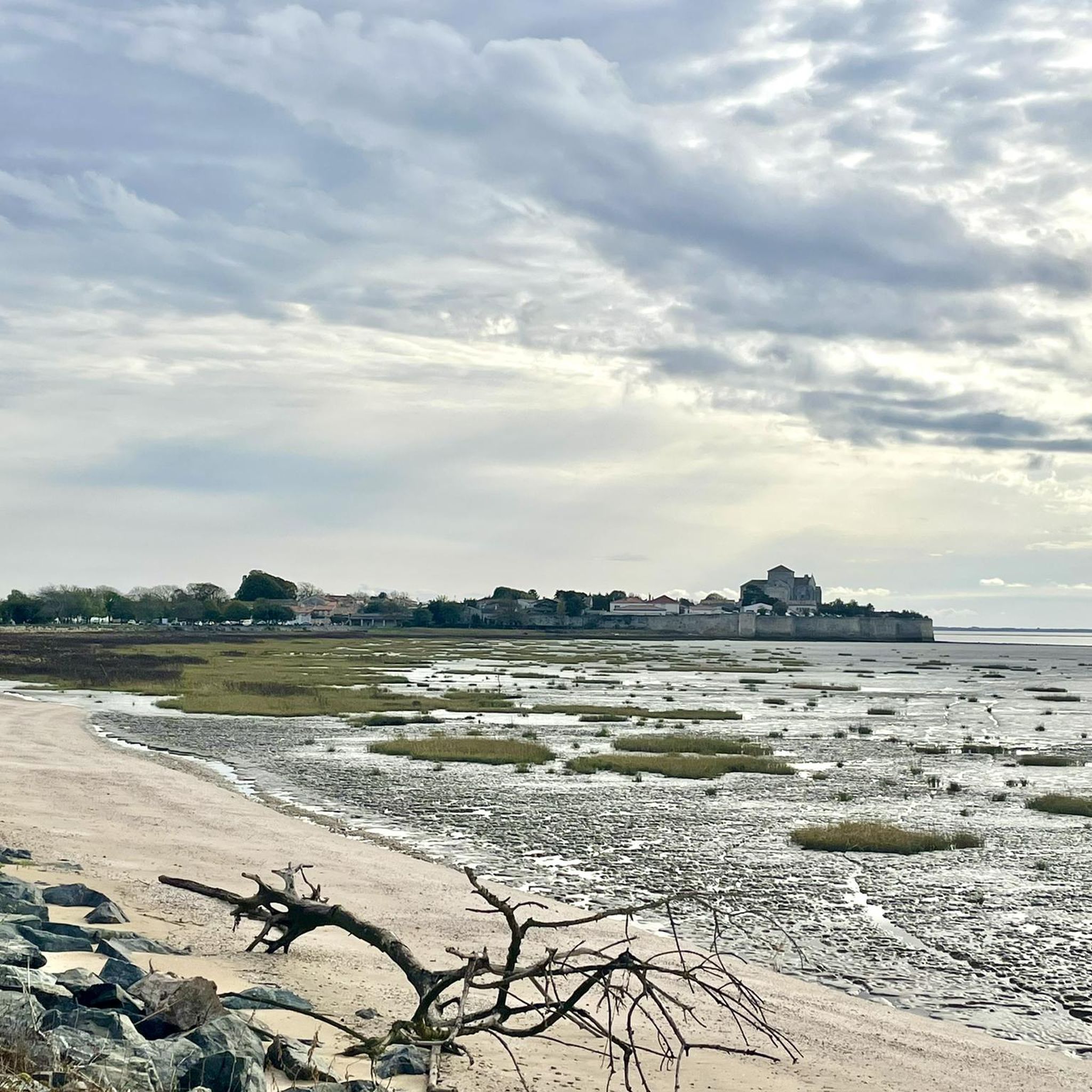
Bright limestone cliffs, small whitewashed houses, a Romanesque sandstone church, and the waters of the Gironde River far below: Talmont-sur-Gironde is a picture-perfect village. And during the peak summer season, it's a tourist magnet, as one of the most beautiful villages in France. If you don't arrive early, you'll have trouble getting through the entrance gate. The large parking lot, which has long since taken up more space than the village itself, is full until late into the evening.
0
0

A small, pedestrian-only craft village. The site is magnificent, located on the Gironde estuary.
0
0

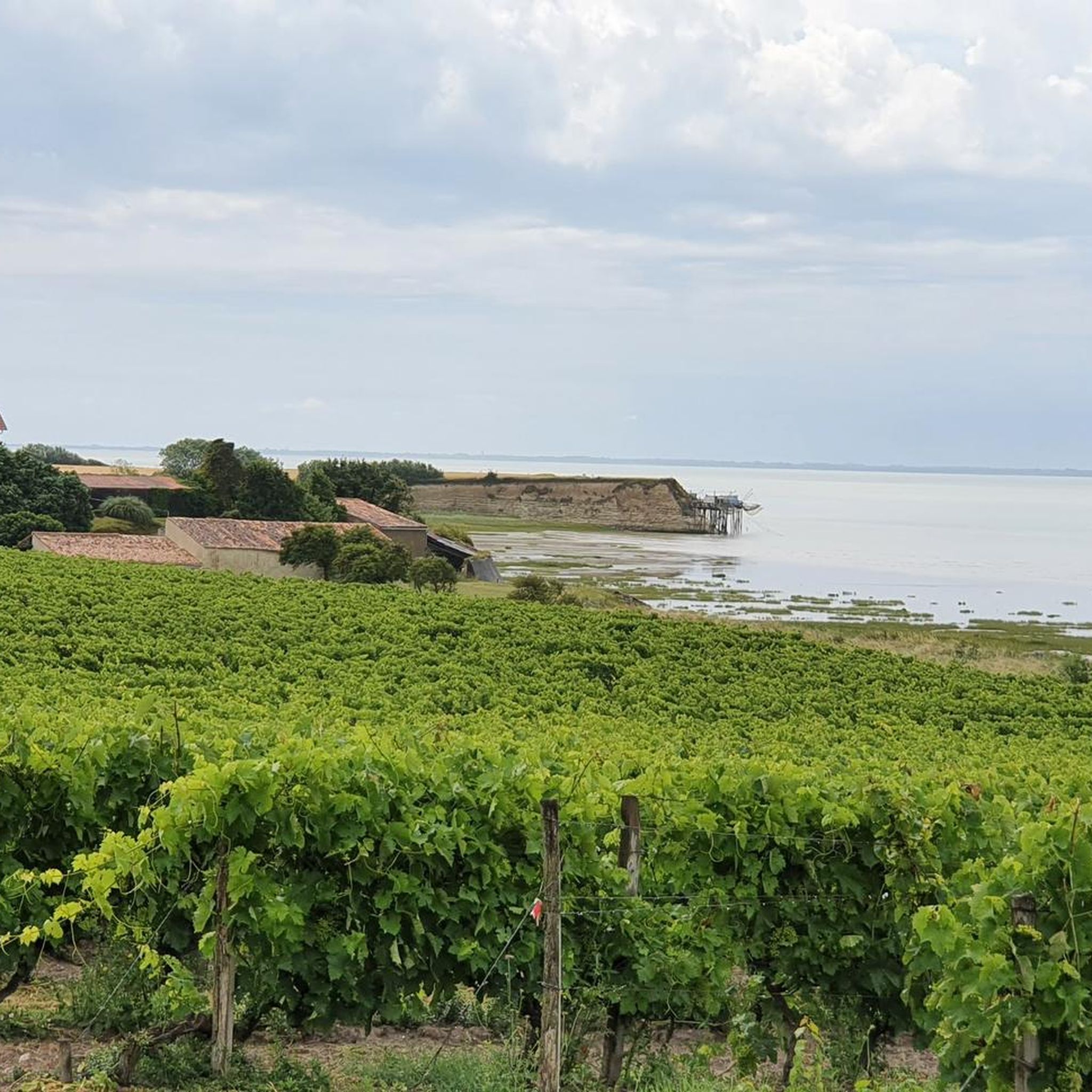
From the height of the coastal plateau the view reaches to the Gironde estuary, and the white cliffs of Pilou, with the tradition fishing huts on stilts (carelets).
1
0
Built on a cliff overlooking the Gironde estuary, the Catholic Church of Sainte-Radegonde is sometimes considered the archetype of the Saintonge Romanesque style. The view of the Gironde estuary and the surrounding rivers is spectacular.
0
0

Inside the dwelling, there is an 18th century fireplace in the room on the right, another from the Renaissance period on the ground floor of the west pavilion, and a third, in marble, from the end of the 19th century, on the upper floor of the latter. The dividing wall between the pavilion and the rest of the dwelling is very thick: it is the old exterior wall of the dwelling, before the developments of the early 20th century and the construction of the pavilion. Also inside, there is a wooden spiral staircase. The ground floor of the south-east tower is occupied by an old bathroom, with a cement bathtub built into the floor.
0
0
The dwelling consists of a main building to which are attached to the west a rectangular pavilion, a round tower in the south-east corner, and another round tower to the north. The west pavilion, made of cut stone, is covered with a high hipped roof and a turned-up eaves, in flat tiles, topped with zinc finials and highlighted by an imposing cornice with modillions. Its south facade has a span of openings, as follows: on the ground floor, a French window in a low arch, decorated with a drip edge; on the first floor, a high window with a projecting frame, mascaron, and molded sill with consoles. The south-east corner of the pavilion is a watchtower. The south-east tower, called the "Renaissance tower", is topped with a pepperpot roof and a turned-up eaves, in flat tiles, topped with a zinc finial, and highlighted by a cornice. The tower, made of cut stone, has a first bay of openings to the south, formed by two windows and topped by a pediment. The ground floor window has a simple projecting frame, to which is added, for the upper floor window, a molded support with consoles, a projecting keystone and a mascaron. The pediment is arched and broken. Its 2 volutes frame a damping. On the east side, the tower has another bay of openings, treated in the same way as the previous one, with the exception of the pediment which is here replaced by a tall chimney stack in cut stone, finished with a curved pediment. Between the west pavilion and the south-east tower, the facade of the dwelling is presented under a broken section of the roof. The facade is characterized by the symmetry created by the distribution of the openings, i.e. 5 bays on the ground floor, including the central door, and 3 pass-through windows on the upper floor. The bays on the ground floor have a projecting frame and keystone. The door also has a segmental arched lintel. Originally, it was a low segmental arched door, topped with a bull's-eye window and a cornice. The 3 pass-through windows have in common a pediment, a projecting keystone and a molded support with consoles. The keystone of the central window also has a mascaron. Cut stones protrude from the wall of the facade. At the rear of the dwelling, to the north, the 2nd round tower is topped with a flat tile roof, topped with a zinc finial. The upper part of the tower, pierced with loopholes, has a larger diameter than the lower part
0
0
サン=タンドレ=ド=リドンでのの人気観光スポット

komootモバイルアプリでインスピレーションを得よう


さらに探索
他の地域の最高のハイキングを見てみましょう。
