ベシッツのおすすめMTBライド
4.4
(88)
322
ライダー
38
ライド
ベシッツ周辺でのマウンテンバイクは、その地形を最大限に楽しむのに最適なスポーツですが、ライドのスタート地点を探すのが難しいこともあります。ベシッツ周辺でおすすめのルートが見つかるように、人気マウンテンバイクルートをご紹介します。
最終更新日: 8月 21, 2026
9
ライダー
57.5km
04:02
230m
230m
中程度のマウンテンバイクライド. ある程度のフィットネスレベルが必要です。 高度なライディングスキルが必要です。
4.0
(2)
2
ライダー
31.9km
02:09
70m
70m
中程度のマウンテンバイクライド. ある程度のフィットネスレベルが必要です。 あらゆるスキルレベルに適しています。

無料新規登録
2
ライダー
31.4km
02:00
70m
70m
初級者向けMTBライド. あらゆるフィットネスレベルに適しています。 あらゆるスキルレベルに適しています。
4
ライダー
49.7km
03:26
210m
210m
中程度のマウンテンバイクライド. ある程度のフィットネスレベルが必要です。 高度なライディングスキルが必要です。
5.0
(2)
3
ライダー
25.4km
01:38
80m
80m
初級者向けMTBライド. あらゆるフィットネスレベルに適しています。 あらゆるスキルレベルに適しています。
さらに多くのルートや他のユーザーのおすすめ情報を確認できます。
無料新規登録
すでにアカウントをお持ちですか?
おすすめのツアーは他のkomootユーザーが実際に経験した何千ものアクティビティに基づいています。
無料アカウントで今日から始めよう
次の冒険が待っています。
ログインまたは登録
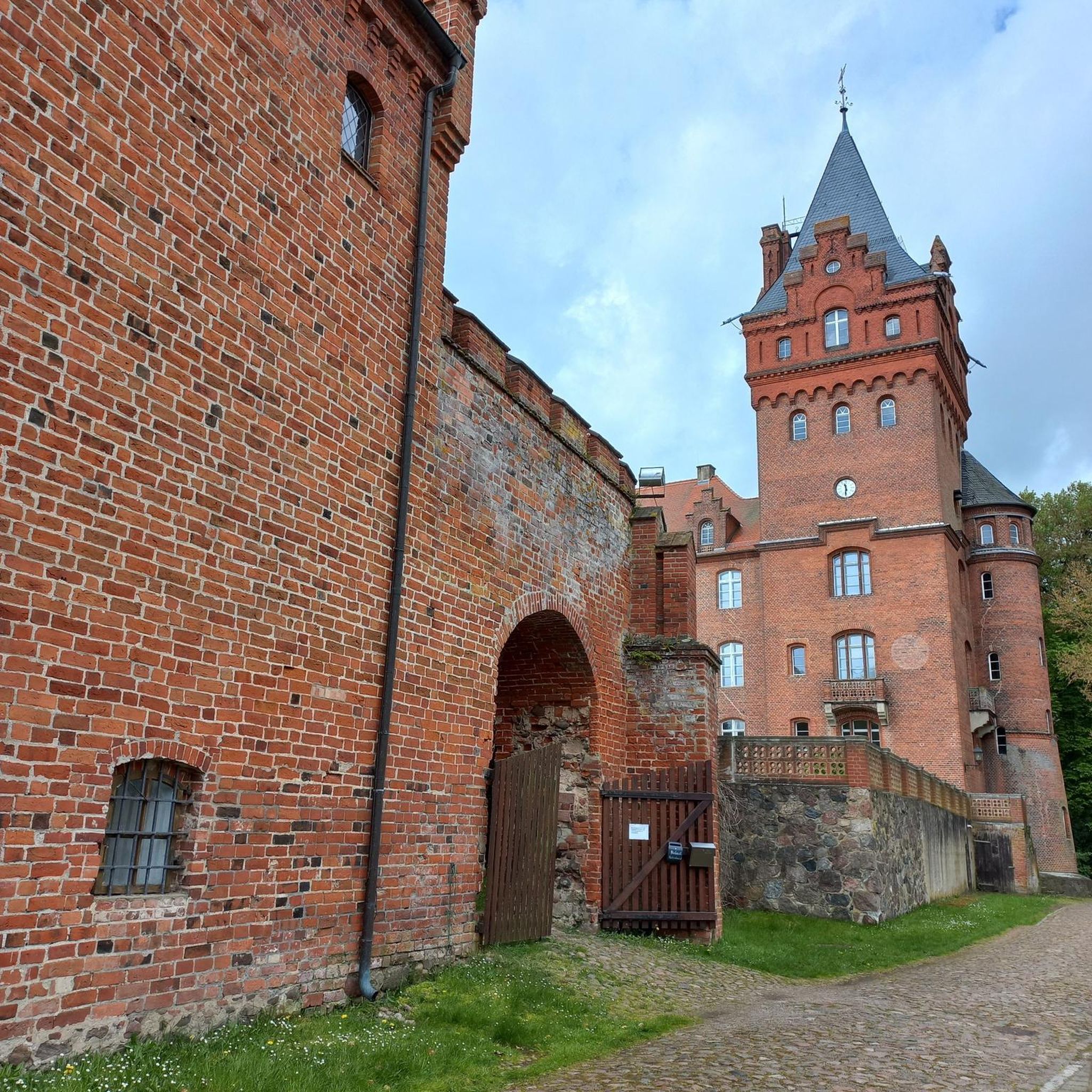
コミュニティからのヒント

Stixer Wanderdüneを訪れるなら、Laaver Moorとドイツ最大のオークの切り株を自然記念物として計画することもできます。起伏のある森林地帯は、魂にとって牧歌的でリラックスできます。Laaver Moorseeのピクニックベンチとテーブルは、長居を誘います。 26年7月31日はきれいに掃除されていました。このままの状態が続き、訪れる人々が常にゴミを持ち帰ることを願っています。
0
0


A detour from the circular trail to the ancient and mighty Hutebuche is worthwhile. Hudewälder (forests), also called Hutewald (forests), are an ancient form of forest management in which livestock were driven into the forest for grazing ("hutting"). The pigs and cattle ate beechnuts, acorns, and herbs, thus preventing natural forest regeneration. Only a few, now very old and mighty trees with spreading crowns remained standing. However, another traditional farming forest use, the "Krattwald" (forest), seems to have led to the emergence of this Hutebuche. According to this, it was "cut back to the stump" every 15 to 20 years, resulting in increasingly voluminous new shoots. The harvest had a variety of uses: the bark was used for tanning, the wood as building material and fuel, and the leaves as fodder and bedding for livestock. https://de.wikipedia.org/wiki/Hutebaum
2
0

With shelter, waste bins and information boards
1
0

When you enter the village from Kuhlenfeld, look to the left and you will see this great view
0
0

With an area of around six hectares, the Laaver Moor is the largest remaining raised bog in the Elbe valley. It is fed exclusively by rainwater, which is why it is also called a rainwater bog.
3
0

There is a memorial plaque for Friedegart Belusa here. Friedegart Belusa (1915-1996), an East Prussian, looked after the railway mission for more than 25 years, a joint facility of the Protestant and Catholic churches. The station in Büchen was not a normal train station. For hundreds of thousands of people, it became the first port of call in the West. Between 1955 and 1959, almost a quarter of a million emigrants came, as well as 50,000 Berlin children who were supposed to recover in Schleswig-Holstein and, from 1964, pensioners from the GDR who were allowed to travel to the West to visit. Up to 160 adults and 140 young people, most of them volunteers, distributed food and drinks, helped the disabled, made phone calls to authorities and let travelers stay overnight. Friedegart Belusa was awarded the Federal Cross of Merit in 1982 for her services. A street in Büchen has also been named after her. (Source: Lauenburger Landeszeitung from 24.8.2014)
0
0

ベシッツでのの人気観光スポット

komootモバイルアプリでインスピレーションを得よう


さらに探索
他の地域の最高のMTBトレイルを見てみましょう。
