ムルヴォーのおすすめウォーキング&ハイキングルート
4.5
(39)
145
ハイカー
37
ハイキング
ムルヴォー周辺でのハイキングは、景色を満喫するのに最適な手段のひとつですが、適切なハイキングルートを見つけることは簡単ではありません。 ムルヴォー周辺の人気ハイキング&ウォーキングコースを参考にすれば、行きたいルートをすぐに見つけられます。
最終更新日: 10月 8, 2026
4.3
(8)
19
ハイカー
11.2km
03:00
130m
140m
中程度のハイキング. ある程度のフィットネスレベルが必要です。 進みやすいルートです。あらゆるスキルレベルに適しています。
4.5
(2)
11
ハイカー
4.28km
01:18
150m
150m
初級者向けハイキング. あらゆるフィットネスレベルに適しています。 進みやすいルートです。あらゆるスキルレベルに適しています。

3.0
(1)
6
ハイカー
9.17km
02:23
60m
50m
中程度のハイキング. ある程度のフィットネスレベルが必要です。 進みやすいルートです。あらゆるスキルレベルに適しています。
4.3
(3)
7
ハイカー
7.55km
02:13
210m
220m
中程度のハイキング. ある程度のフィットネスレベルが必要です。 進みやすいルートです。あらゆるスキルレベルに適しています。
4
ハイカー
初級者向けハイキング. あらゆるフィットネスレベルに適しています。 進みやすいルートです。あらゆるスキルレベルに適しています。
さらに多くのルートや他のユーザーのおすすめ情報を確認できます。
すでにアカウントをお持ちですか?
おすすめのツアーは他のkomootユーザーが実際に経験した何千ものアクティビティに基づいています。
無料アカウントで今日から始めよう
次の冒険が待っています。

コミュニティからのヒント

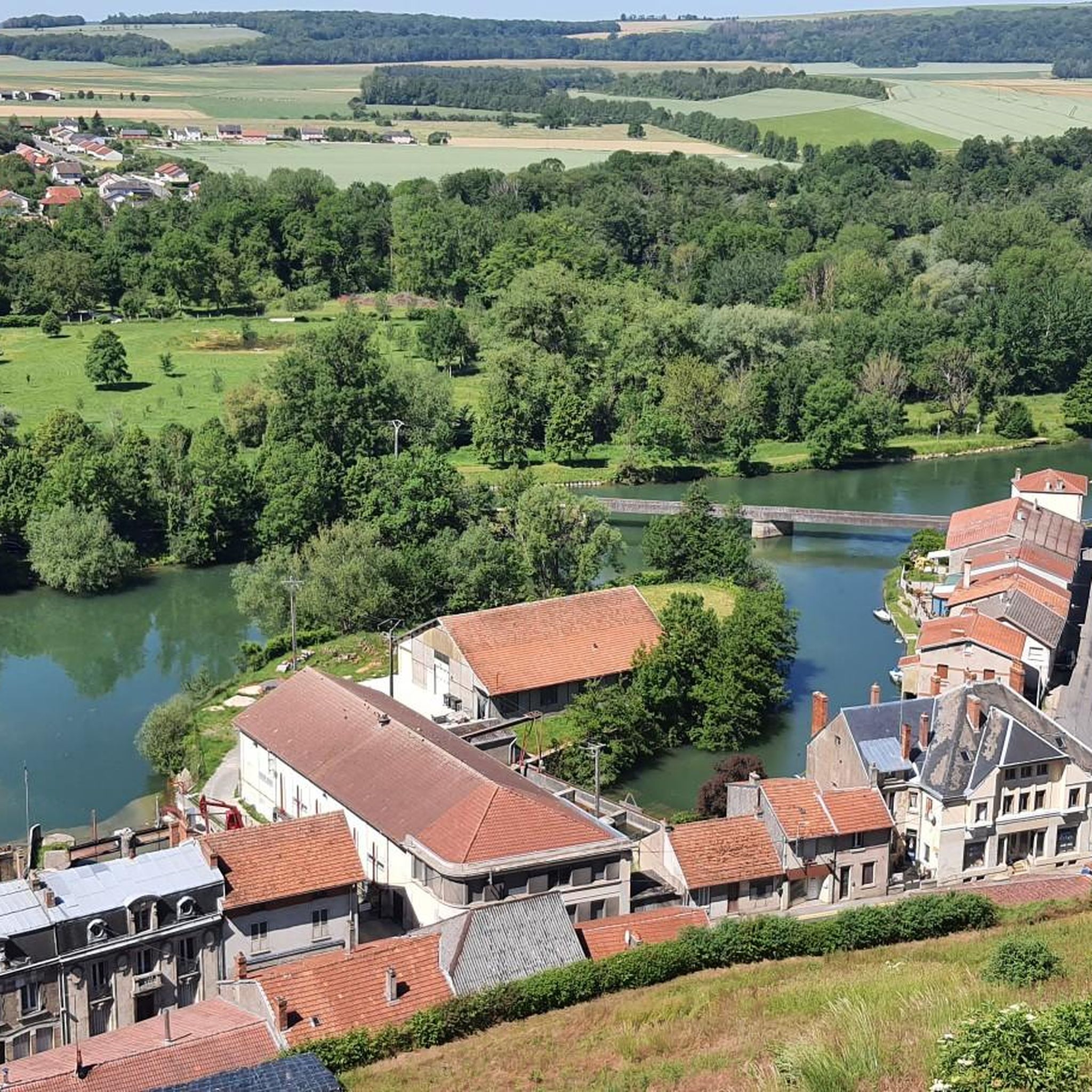
To get up here you have to master a very steep climb. With the bike, full saddlebags and at the end of the day not without. But the view of the city and the surrounding area is worth the effort.
0
0

Juvogny-sur-Loison was famous under the Ancien Régime under the name of Juvigny-les-Dames because of a Benedictine abbey founded in the 9th century by Richilde, wife of Charles the Bald. The relics of Saint Scholastica, venerated as the sister of Saint Benedict of Nursia, were placed there. Thirty-two abbesses succeeded one another at the head of this monastic abbey which prospered until 1792, when it was sold and fell into disuse. The Count of Vassinhac-Imécourt, owner of the magnificent castle of Louppy-sur-Loison (3 km) and nephew of the last abbess of Juvigny, restored part of the ruins and founded a religious boarding school for boys. Directed by the brothers of the Christian doctrine, this school enjoyed a certain reputation and had 223 boarders at the end of the 19th century. The building is now occupied by the Perce-Neige foundation. The former nursing home of the abbess which dates from 1624 is still visible on rue de l’Hôpital and gave its name to the street. Intended to care for the poor of the region, it is isolated from the convent buildings by a vast garden.
0
0
Juvigny has an impluvium washhouse, the basin is in the center and supplied with rainwater by an inward-sloping roof.
0
0

Dun-sur-Meuse is a French commune in the Meuse department, in the Lorraine region. During the First World War, the upper city was largely destroyed. This bridge over the Meuse is one of the most beautiful monuments of this type in France. There are bronze balustrades on both sides of the bridge, with designs in the center and engraved plaques. It reminds French citizens and others, who will cross the bridge for years to come, of the passage of the Meuse. The crossing of the Meuse by the 5th Division was commanded by General John Pershing.
6
0
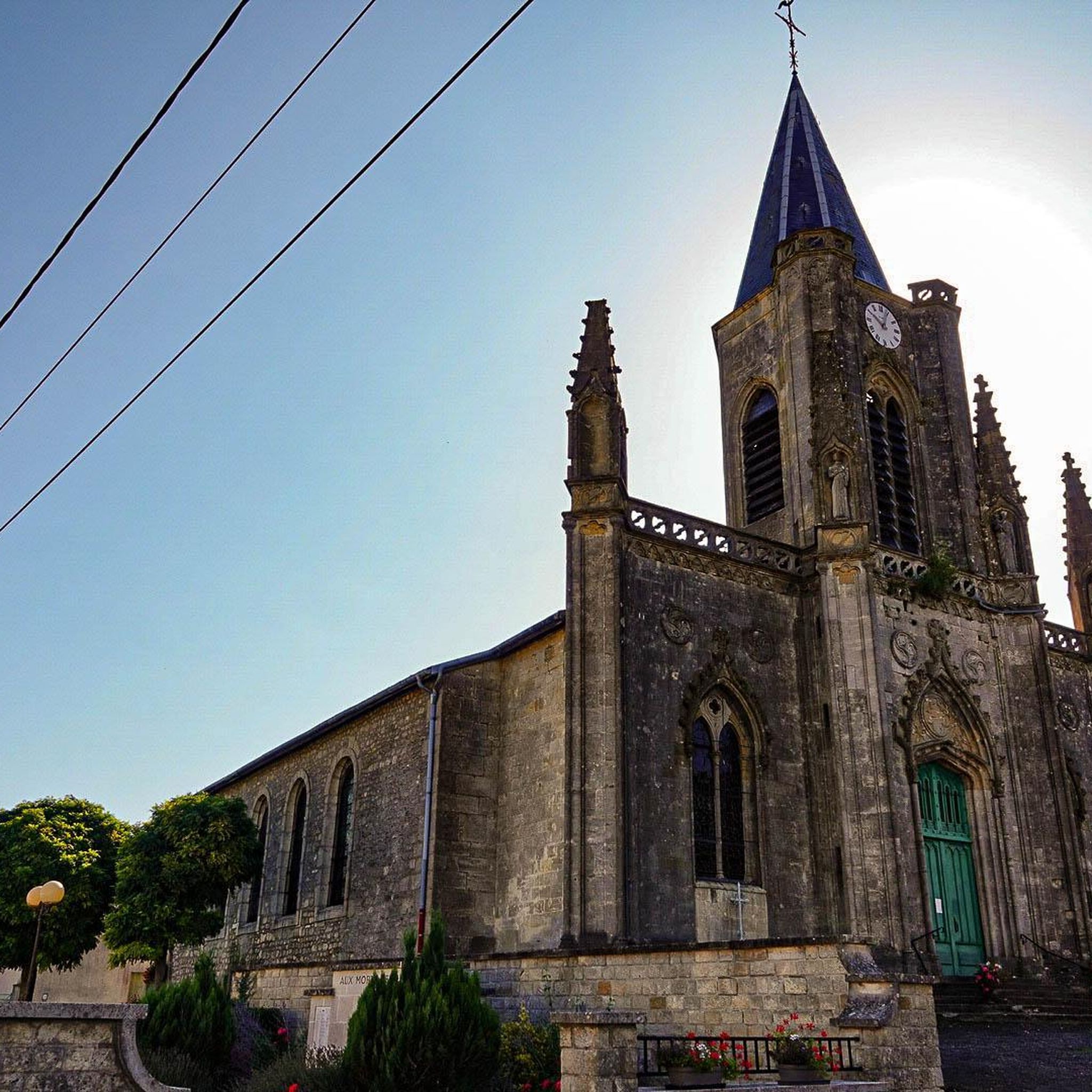
Located within the fortification built from the 10th century overlooking the town, this massive church was built in 1346 by the Lords of Apremont. After centuries of conflict, it remains today the only surviving monument in the upper town. Classified as a historical monument, this jewel of ogival architecture has an organ case and rich 18th century furniture, as well as two masterful sculptures by the contemporary artist Ipoustéguy: the "Death of Bishop Neumann" and the "Christ" . This building is part of the European “Open Churches” network.
5
0
It was built in 1346 in the upper town and has been listed as a monument since 1920. It is in the radiant gothic style. The church contains furniture also classified as a historical monument: a tombstone on the north wall (classified MH in 1913), a wooden organ case from the 17th century, badly damaged during the First World War (classified as M.H. in 1913), an 18th-century wooden altarpiece, located in the Chapel of the Dead in the south wall; a Virgin and Child is set up in the central niche and we also see a pelican opening its belly to feed its young (listed as M.H. in 1913), an 18th century wooden pulpit (classified M.H. in 1936). a marble and bronze sculpture of Ipoustéguy Death of Bishop John Neumann, created in 1976 and installed in 2001.
6
0

Municipality located in the Meuse department and crossed by the Loison. The village is known for its castle, the Château de Louppy-sur-Loison: one of the most surprising examples of the Renaissance style in the Lorraine region.
0
0
Rural building Located in Juvigny sur Loison in Lorraine Gaumaise, you will be charmed by this haven of peace and silence full of history, in the heart of rich and green nature. So-called “water” mills, known to the Romans before the Christian era, began to be used in France from the 6th century. It was a question of transforming the energy produced by water (running or falling) into mechanical energy using a hydraulic wheel which behaves like a real motor (the only one which will be in use until the invention of the steam engine). A transmission system will activate millstones which, by grinding it, will extract the flour from the grain. This milling process will spread wherever the hydrographic network allows it. Many will be provided with them, some “ordinary” mills of a lordship even forcing residents to grind their wheat there for a fee. In recent years, this old mill has been transformed into guest rooms and tables. The mill garden is an LPO (League for the Protection of Birds) refuge.
7
0
ムルヴォーでのの人気観光スポット

komootモバイルアプリでインスピレーションを得よう


さらに探索
他の地域の最高のハイキングを見てみましょう。
