Τα 13 καλύτερα φυσικά μνημεία Worms
Το τοπίο της περιοχής Worms είναι ένα υπέροχο μέρος για εξερεύνηση — κάτι που μπορείτε να βιώσετε καλύτερα επισκεπτόμενοι ένα από τα 13
πανέμορφα φυσικά μνημεία Worms. Για να βρείτε αυτό που σας ταιριάζει, δείτε όλες τις λεπτομέρειες που χρειάζεστε και σχεδιάστε καλύτερα την επόμενη υπαίθρια περιπέτειά σας!
Τελευταία ενημέρωση: 27 Σεπτεμβρίου 2026
Siegfried Fountain (Worms)
Highlight • Μνημείο
So it's a bit dull.
But above is Siegfried!
Μετάφραση από Google •
Συμβουλή από

Herrnsheimer Schlosspark
Highlight • Χώρος ανάπαυσης
Εμφάνιση μετάφρασης
Συμβουλή από

Εγγράψου τώρα για να ανακαλύψεις μέρη σαν αυτό
Λάβε προτάσεις για τα καλύτερα single tracks, κορυφές και πολλά ακόμα συναρπαστικά υπαίθρια μέρη.
Amor Grotto
Highlight • Σπήλαιο
Μετάφραση από Google •
Συμβουλή από

Albert-Schulte-Park
Highlight • Φυσικό μνημείο
Μετάφραση από Google •
Συμβουλή από

Siegfried's Tomb (Reconstructed Tumulus)
Highlight • Μνημείο
Μετάφραση από Google •
Συμβουλή από

Confluence of the Pfrimm and Rhine
Highlight • Ποταμός
Μετάφραση από Google •
Συμβουλή από

Wiesenbrünnchen Pond in Pfeddersheim
Highlight • Λίμνη
Μετάφραση από Google •
Συμβουλή από

Vater Rhein Statue
Highlight • Μνημείο
Μετάφραση από Google •
Συμβουλή από

Summstein Abenheim
Highlight • Μνημείο
Μετάφραση από Google •
Συμβουλή από
Seegraben Bird Observation Platform
Highlight • Σημείο θέας
Μετάφραση από Google •
Συμβουλή από

Εγγράψου δωρεάν για να ανακαλύψεις ακόμα περισσότερα φυσικά μνημεία Worms.
Έχεις ήδη λογαριασμό;
Ξεκίνα σήμερα με έναν δωρεάν λογαριασμό
Η επόμενη περιπέτειά σου σε περιμένει.
Δημοφιλή γύρω από Worms
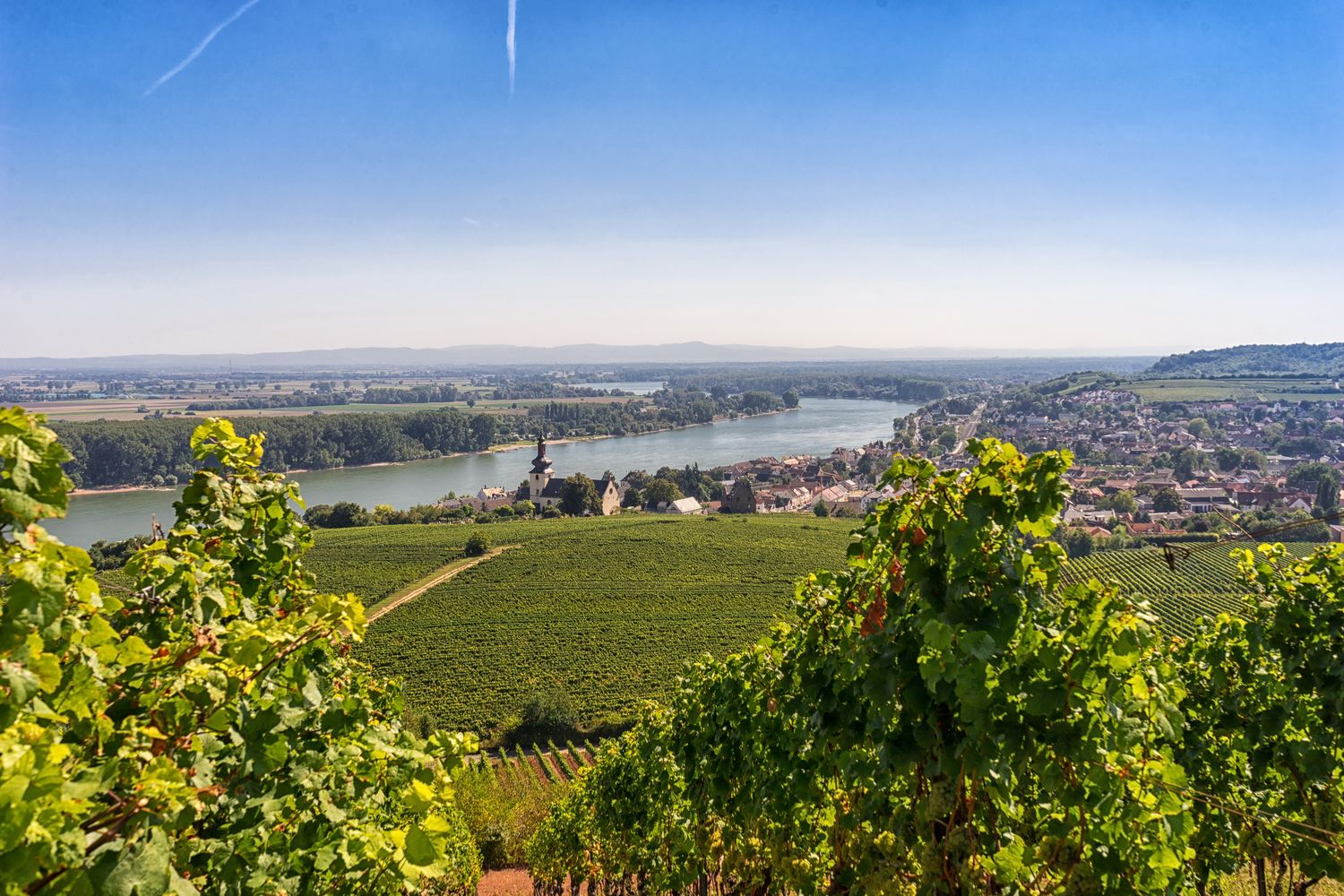
RheinTerrassenWeg – Hike through vineyards along Germany's River Rhine
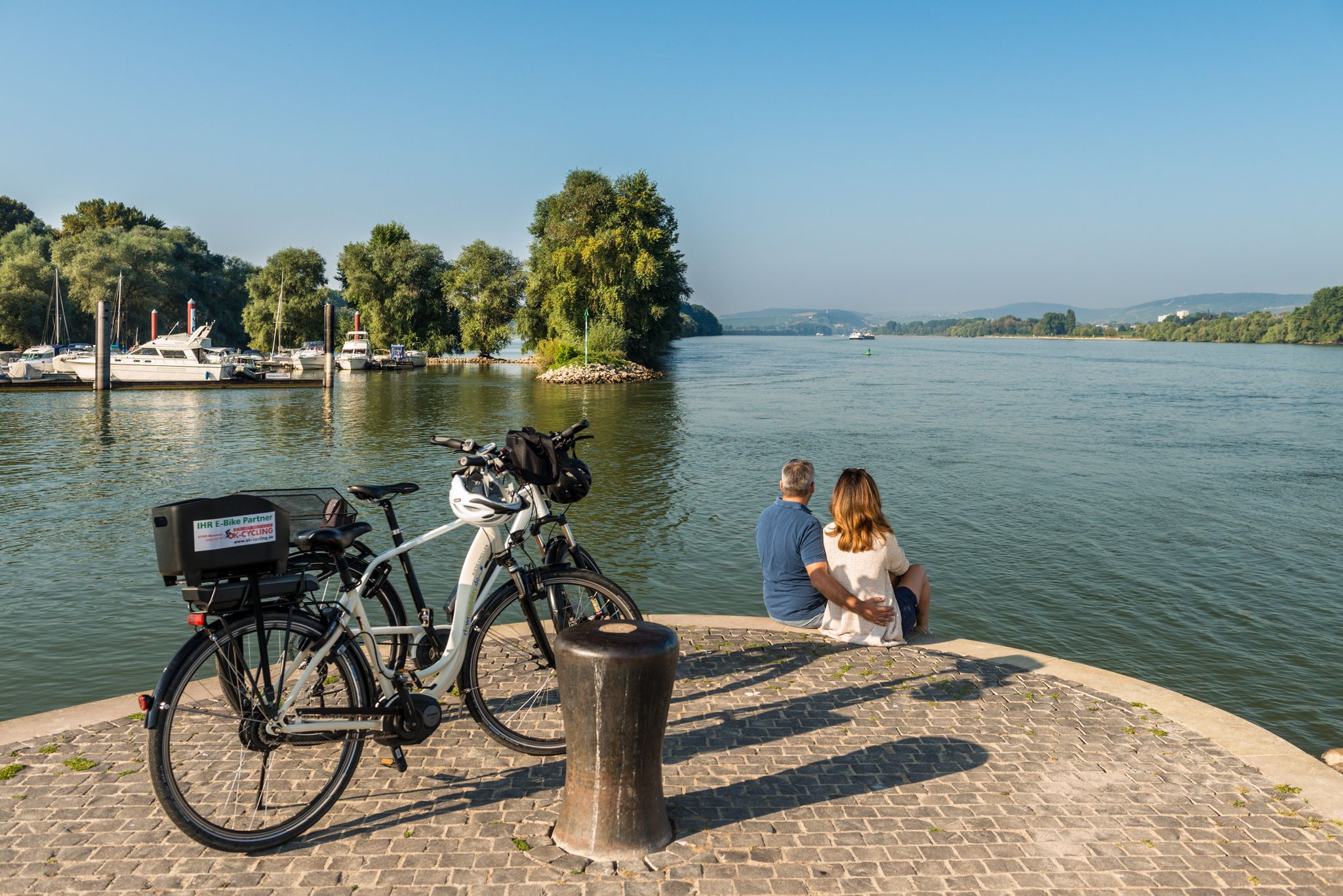
Cycling in Rheinhessen between Rhine and wine

Hiking joy in Rheinhessen – experience magical moments
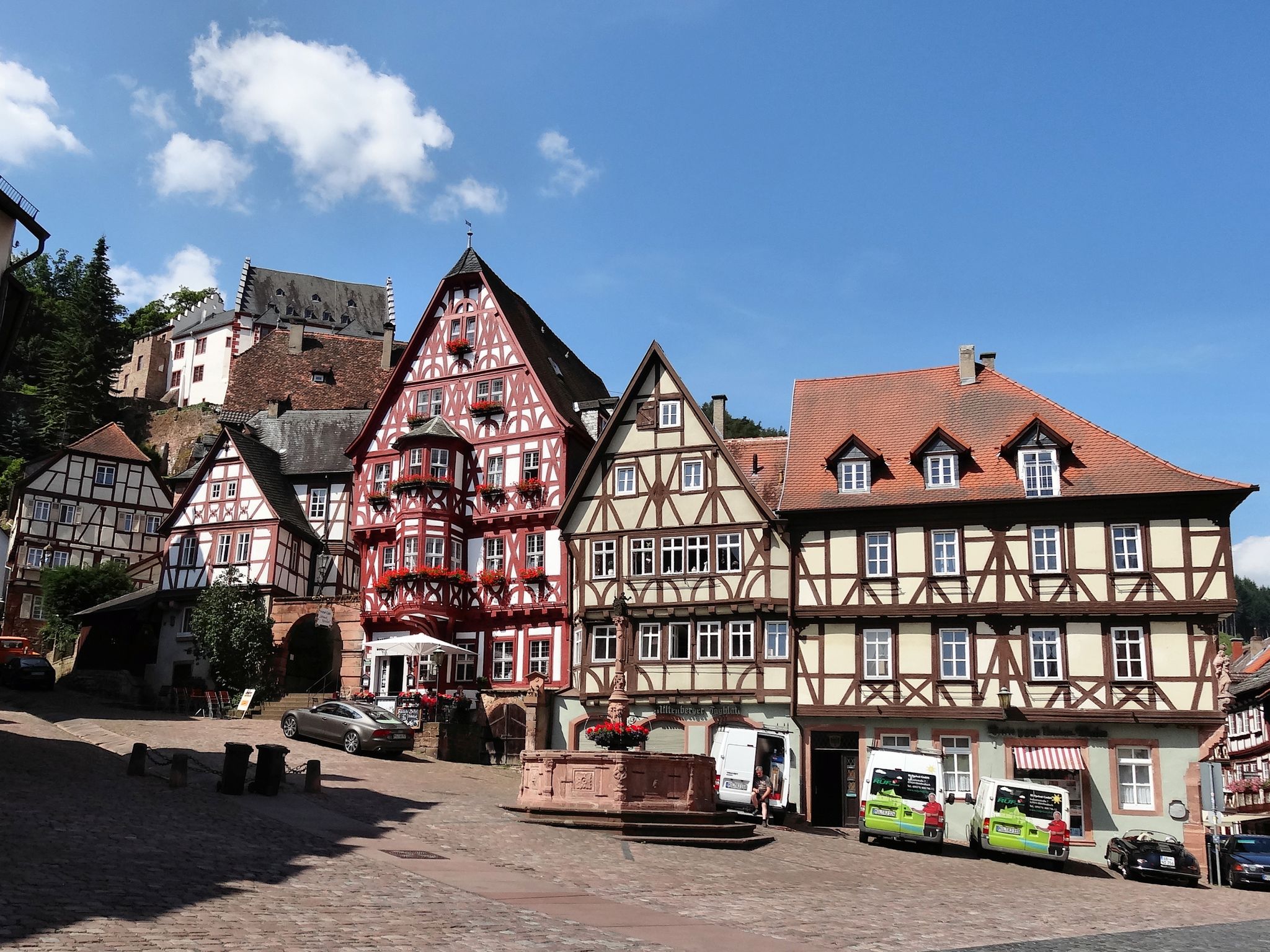
Give me four! - The Four-Country-Way
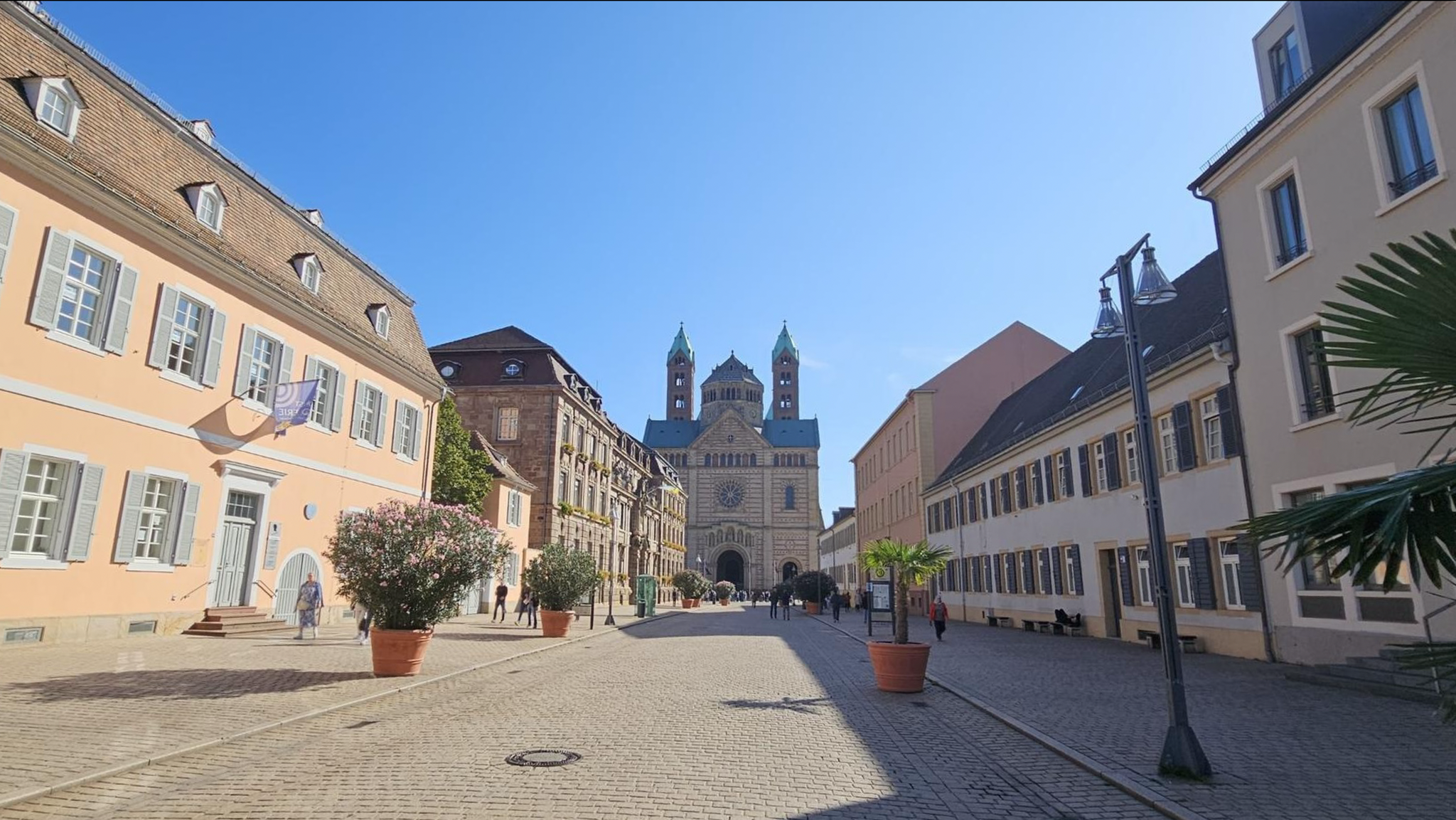
Culture and Nature in the Vorderpfalz - The Salier Cycle Path
From the River Rhine to the Main – R9 Cycle Route in Hesse
On the tracks of Homo Sapiens and ancient cultures

Rheinhessen mit Aussicht - Die schönsten Panoramatouren in Rheinhessen
Die schönsten Radrouten in der sagenhaften Region Bergstraße-Odenwald

Weinerlebnis in der sanften Hügellandschaft in Rheinhessen
Άλλες περιπέτειες Worms


Συμβουλές από την κοινότητα

Originally a cemetery, it was converted into a picturesque green space and named after Albert Schulte, a former mayor of the city. The park is known for its historical grave monuments and memorials to the fallen, which form a monument zone.
7
0
The fountain was created in 1913 by the Munich sculptor Adolf von Hildebrand and erected in 1921. It is made of shell limestone and is designed as a heptagonal dome. On top of the fountain stands Siegfried with his sword, which represents the scene of the dragon slayer from the legend.
12
0

At this point, after about 43 km, the Pfrimm, which rises near the Sippersfelder Weiher (nature reserve) in the Donnersberg district, flows into the Rhine.
2
0

Around 300 years ago, the most impressive monument of Worms' prehistory was lost - a monumental burial site. This is a tumulus (hill grave) about thirteen meters long, which was marked with "two stones (menhirs) protruding from the earth". The menhirs of the tomb probably date from the Megalithic period, a pre-Indo-European cultural stage whose origins can be found in the darkness of the early Neolithic period. The tumulus was probably built at the same time or was added later during the Bronze Age. Later generations linked legends to this grave, stories of giants and dragon slayers, and ultimately the "Song of the Horned Seyfrid". This is a widespread Rhenish local tradition that has been almost completely forgotten alongside the great Nibelungenlied, although its archetypal fragments probably represent a precursor to the epic. Marquard Freher described the tumulus in 1613 as "the grave of the giant who was sung about throughout Germany and who made the place famous through his monument" This is therefore a work of art by the Worms artist Eichfelder, which was modelled on the grave of Siegfried described in the literature (probably 1km from here). Source and further information: https://www.nibelungenlied-gesellschaft.de/03_beitrag/eichfelder/kunst/SiegfriedsGrab/tumulus.html
0
0

The Rhine is one of the most important rivers in Europe. This is not primarily because of its length of 1,230 kilometers, but because of its importance for energy and water supply, for cooling industrial plants, for shipping, for fishing - and last but not least as an attraction for recreation and leisure activities. 50 million people live in the Rhine catchment area. Some of their lives are influenced and shaped by the Rhine every day as a source of income or as a source of life.
1
0
At first you only see the figure of Cupid. If you walk around it, the hidden grotto opens up.
1
0
A grassy hill. A small sign provides information.
1
0

A nice big buzzing stone that works too
2
0
Οι πιο δημοφιλείς διαδρομές Worms
Τα πιο δημοφιλή αξιοθέατα Worms

Εμπνεύσου με την εφαρμογή komoot για κινητά


Ανακάλυψε περισσότερα
Επέκτεινε την αναζήτησή σου για τις καλύτερες σπηλιές βλέποντας αυτούς τους οδηγούς με τα κορυφαία Worms:
