멘시냑 최고의 라이딩 경로
4.5
(149)
5,929
자전거 타는 사람
321
라이딩
멘시냑의 로드 사이클링 경로를 찾으시나요? 그렇다면 멘시냑 로드 라이딩 컬렉션 중에서 가장 멋진 라이딩 장소를 아래에서 살펴보세요.
마지막 업데이트: 8월 31, 2026
4.0
(2)
12
자전거 타는 사람
65.1km
02:52
550m
550m
보통 도로 자전거 타기. 좋은 체력 필요. 지면 대부분이 잘 포장되어 있고 라이딩하기 쉬움.
17
자전거 타는 사람
48.4km
02:17
510m
520m
보통 도로 자전거 타기. 좋은 체력 필요. 지면 대부분이 잘 포장되어 있고 라이딩하기 쉬움.

11
자전거 타는 사람
56.1km
02:23
420m
420m
보통 도로 자전거 타기. 좋은 체력 필요. 지면 대부분이 잘 포장되어 있고 라이딩하기 쉬움.
6
자전거 타는 사람
62.0km
02:50
680m
670m
보통 도로 자전거 타기. 좋은 체력 필요. 지면 대부분이 잘 포장되어 있고 라이딩하기 쉬움.
3
자전거 타는 사람
32.7km
01:32
310m
310m
보통 도로 자전거 타기. 좋은 체력 필요. 지면 대부분이 잘 포장되어 있고 라이딩하기 쉬움.
더 다양한 경로와 다른 탐험가들의 추천을 살펴보세요.
이미 komoot 계정이 있나요?
투어 추천은 다른 사람들이 komoot에서 완료한 수천 개의 활동을 바탕으로 구성되어 있습니다.
오늘 무료 계정으로 시작하세요
다음 모험이 기다리고 있어요.



커뮤니티 팁


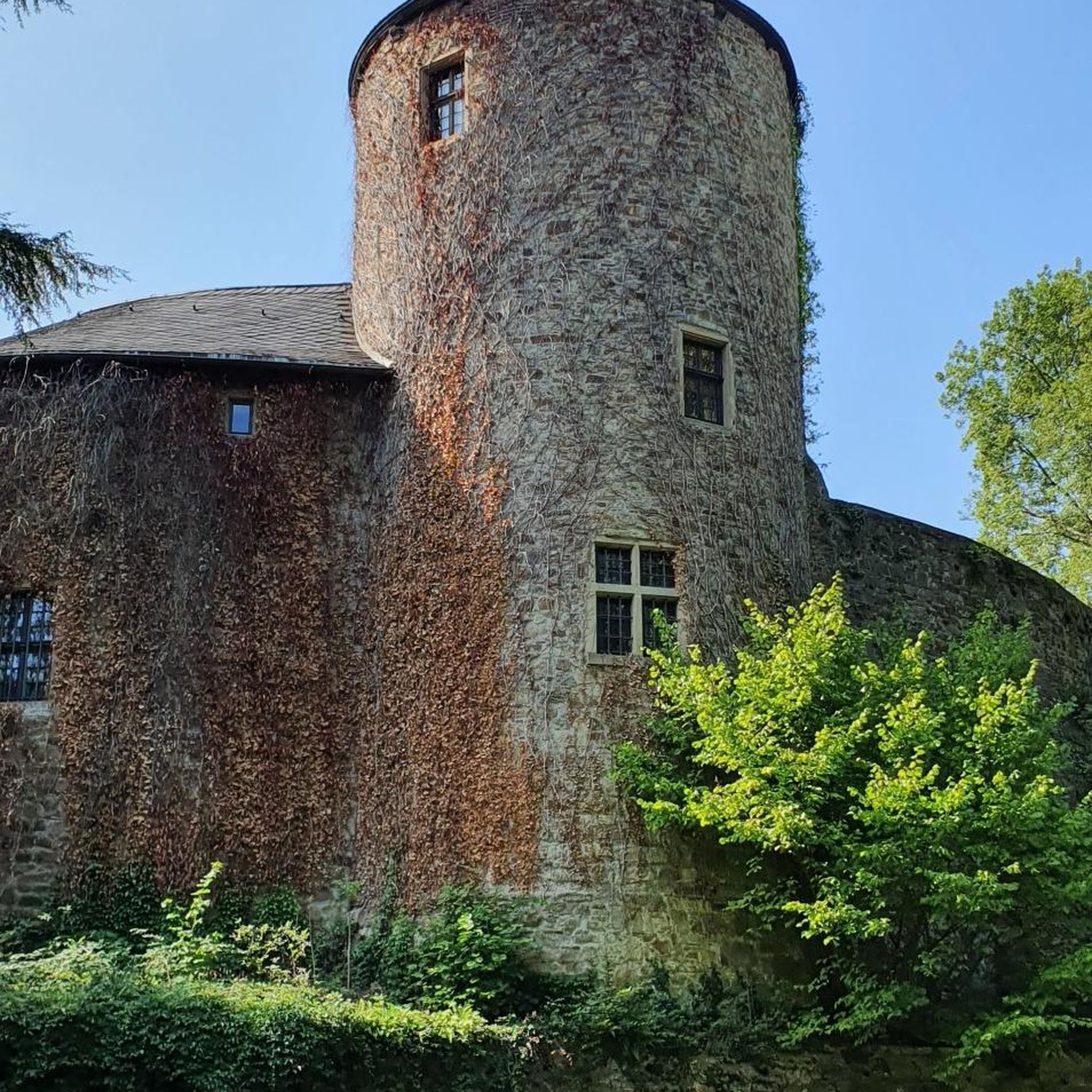
very beautiful castle perched on a rock carved out by the waves
0
0

Why Visit the Château de Bourdeilles? Visit Bourdeilles for its medieval castle, partly renovated during the Renaissance. For its rich history: The castle, with its two distinct parts – medieval and Renaissance – offers a unique perspective on several centuries of French history. For its panoramas: The castle tower offers magnificent views of the surrounding countryside, a highlight for landscape lovers. For its architectural heritage: This castle combines the charms of a medieval fortress and the elegance of a Renaissance palace, a rarity that makes it a must-see destination in the Dordogne. The Château de Bourdeilles is a captivating visit, offering both an immersion in history and an appreciation of the region's landscapes. It is a place where one can travel through the centuries while enjoying the natural charm of the Dordogne.
1
0
Gardens and Panoramic Views: Terraced Gardens: Visitors can stroll through the terraced gardens surrounding the castle, where they can enjoy breathtaking views of the valley and the Dronne River. Viewpoint: The top of the medieval tower offers a spectacular view of the picturesque village of Bourdeilles and its surroundings, a panorama that is worth the climb. Visits and Activities: Guided Tours: Guided tours are offered to learn more about the history of the castle and the daily life of its inhabitants over the centuries. Family Activities: In addition to traditional tours, activities and entertainment are often organized, especially for children, such as workshops or outdoor games. Why Visit the Château de Bourdeilles? For its rich history: The castle, with its two distinct parts – medieval and Renaissance – offers a unique perspective on several centuries of French history. For its panoramas: The castle tower offers magnificent views of the surrounding countryside, a highlight for landscape lovers. For its architectural heritage: This castle combines the charms of a medieval fortress and the elegance of a Renaissance palace, a rarity that makes it a must-see destination in the Dordogne. The Château de Bourdeilles is a captivating visit, offering both an immersion in history and an appreciation of the region's landscapes. It is a place where you can travel through the centuries while enjoying the natural charm of the Dordogne.
2
0
The Château de Bourdeilles is one of the most impressive historical and architectural treasures of the Périgord, in the Dordogne. Located in the charming commune of Bourdeilles, it is actually two separate castles, reflecting different eras and styles. Château de Bourdeilles Highlights: Two Castles in One: The Medieval Castle: Dating back to the 13th century, this imposing fortress is a classic example of medieval defensive architecture. It features a 35-metre high watchtower that offers panoramic views of the Dronne Valley. The Renaissance Palace: Next to the medieval castle is an elegant 16th-century palace, built in the Renaissance style. Its magnificent rooms are decorated with period furniture and works of art, adding a refined contrast to the austerity of the medieval fortress. Magnificent Interiors: Renaissance Furniture: The palace contains one of the finest collections of Renaissance furniture in France. Each room offers a glimpse into the aristocratic lifestyle of the time. The Salle des Etats: This imposing room in the palace is particularly notable for its coffered ceiling and frescoes, which are examples of Renaissance art. History and Heritage: Bourdeille Family: For centuries, the château was the residence of the Bourdeille family, an influential noble family. Pierre de Bourdeille, better known as Brantôme, a writer and warrior, grew up here. Strategically Important Site: Perched above the Dronne River, the château played a crucial defensive role during medieval wars, particularly during the Hundred Years' War.
2
0
Why visit the Église Saint-Étienne de la Cité? Historical and spiritual heritage: The church is an important place of memory for Périgueux, having been the seat of the bishopric for centuries. It reflects the religious and architectural history of the region. A peaceful setting: Located in a quiet area full of history, the church offers an atmosphere conducive to reflection and contemplation. Proximity to ancient sites: A visit to the church can be combined with the discovery of the nearby Roman remains, including the amphitheater and the Vesunna Museum. The Église Saint-Étienne de la Cité is a hidden gem of Périgueux, to be discovered for its historical character and its serene atmosphere, while exploring the Gallo-Roman roots of the city.
1
0
The Church of Saint-Étienne de la Cité is one of the oldest churches in Périgueux, located in the old district of the Cité Vesunna, the historic heart of the city during the Gallo-Roman era. It is an exceptional witness to the religious and architectural history of the region, with a style that combines Romanesque and Gothic influences. Points of interest of the Church of Saint-Étienne de la Cité: History and architecture: The church dates from the 12th century and served as a cathedral until the 16th century, before this honor went to the Cathedral of Saint-Front. Its structure bears witness to the architectural evolution, with a massive Romanesque nave, sculpted capitals and a vaulted apse in a cul-de-four, characteristics of the Romanesque style. After being partially destroyed during the Wars of Religion, the church was restored several times, preserving a unique blend of Romanesque and Gothic styles. A sober and spiritual interior: The interior of the church is relatively bare, which adds to its peaceful and spiritual atmosphere. The sobriety of the place highlights the clean lines of the architecture and the historical elements that remain, such as the Romanesque columns and sculpted capitals. Traces of ancient frescoes, as well as some colored stained glass windows, add touches of subtle beauty to the whole. Impressive bell tower: The church is topped by a massive bell tower, whose Romanesque base is a typical example of the architecture of the Périgord. This bell tower, with its robust buttresses, is a dominant element of the landscape of the Cité. An archaeological site: The church is located in the heart of the Cité Vesunna district, which is home to many Gallo-Roman remains. In the immediate vicinity of the church, visitors can discover the ruins of the Roman amphitheater and other testimonies of antiquity.
2
0
멘시냑 주변에서 가장 인기 있는 명소


더 살펴보기
다른 지역의 최고의 로드 사이클링 경로를 살펴보세요.
