20의 베틀란다가지 명소 & 주요 장소
베틀란다에는 둘러볼 만한 장소가 많답니다. 하이킹 또는 사이클링을 좋아한다면 베틀란다에 숨겨진 20
가지 보석을 만날 수 있을 거예요. 이 지역의 주요 명소를 살펴보면서 다음 모험을 계획해보세요.
마지막 업데이트: 11월 6, 2026

Eksjö 구시가지
하이라이트 • 역사적 장소
익셰는 …
번역문 보기
팁에 의해

이런 장소를 발견하려면 지금 가입하세요
최고의 싱글 트랙, 봉우리 및 다양한 흥미로운 야외 장소에 대한 추천을 받아보세요.
세베스트롭(불레르뷔른)
하이라이트 • 정착지
There's a café and a small souvenir shop next door.
번역자 Google •
팁에 의해

Eksjöhovgård 성 유적지
하이라이트 • 성
번역자 Google •
팁에 의해

무료로 가입하여 베틀란다 주변의 더 많은 명소를 발견하세요.
이미 komoot 계정이 있나요?
오늘 무료 계정으로 시작하세요
다음 모험이 기다리고 있어요.

커뮤니티 팁

익셰(Eksjö)는 1403년에 도시권을 획득했으며 15세기 말부터 군 주둔 도시였습니다. 현재 600명의 직원을 보유한 군 주둔지는 1,700명의 직원을 보유한 병원과 1,200명의 직원을 보유한 시청에 이어 세 번째로 큰 공공 고용주입니다. 익셰는 독특한 목조 가옥 건축으로 유명합니다. 구시가지는 여전히 중세 도시 계획을 따르고 있으며 역사적인 목조 가옥들은 거의 완전하게 기념물로 보호받고 있습니다. 1997년에 익셰는 구시가지 보존으로 유럽 노스트라 상을 수상했습니다. 그러나 2015년 8월 16일 구시가지에서 가장 큰 건물이 화재로 소실되었습니다.[2] 군 주둔 도시로서의 역할과 잘 보존된 목조 가옥 건축 덕분에 이 도시는 오늘날 스웨덴의 국가적 이익으로 분류됩니다. 출처: 위키백과
5
0

Eksjö's idyllic town center is home to more than 50 listed wooden houses. This makes Eksjö one of the best-preserved wooden towns in Europe. Here, you can marvel at architecture and memories spanning over four centuries. Eksjö as a town has existed since the 15th century. However, it burned down completely in the mid-16th century and had to be rebuilt. Most of the buildings that now stand in the picturesque town center were constructed after the fire. Many of the houses you can admire today were built in the 16th, 17th, and 18th centuries. Unlike many similar historic towns, Eksjö was largely spared the major waves of modernization that swept through Sweden after World War II. In 1997, Eksjö was awarded the Europa Nostra Diploma for its excellent management of architectural and cultural heritage due to its excellent state of preservation.
1
0
Essentially, Runkesten is just one of countless large boulders that were transported southward from the mountainous regions by the 2- to 3-kilometer-thick glaciers of the Ice Age and can be found throughout Sweden. Several coincidences make Runkesten a rare rocking stone. Namely, when the ice melted around 10,000 years ago, it came to rest on a straight rock, perfectly balanced on a downward-pointing point. The contact surface is so small that the 260-ton stone can be moved several centimeters using pure muscle power.
0
0

The castle ruins were left to decay for years. The first restoration work didn't take place until 1934, followed by further restorations in the 1960s and 1980s.
0
0
The cave itself is relatively small and rather unspectacular. The stories surrounding it, however, are not. Legend 1: Protection from the Danes During the Kalmar War in 1612, the village of Klövdala was burned down by the Danes. The inhabitants survived by fleeing and hiding in the Stora Lassa Kammare (Stora Lassa Chamber). Legend 2: Lars Molin the Thief The commoner Lars Molin (1785–1845) from Ramsberg undertook a series of robbery sprees throughout the country. He usually disguised himself as a woman (hence the name Lasse-Maja) and repeatedly evaded the authorities. During one of his raids, he is said to have found refuge in this very cave. This story, however, is doubtful, since according to historian Edvard Matz, the thief was never active in this area, but primarily in the Märlardalen region. In 1813, Lars Molin was caught stealing church silver from Järfälla Church. He was subsequently sentenced to life imprisonment in Karlsten Fortress. After 22 years, he was pardoned. During his sentence, he wrote his memoir, "The Strange Adventures of Lasse-Maja."
1
1


The first written mention of Eksjöhovgård was in 1287. From 1420 to 1616, Eksjöhovgård was owned by the Sture family and was the centre of a large estate complex. After the Sture family died out, the estate was taken over by Field Marshal Carl Mauritz Lewenhaupt. Under his leadership, the estate grew even larger and he began building a large stone house, which was never completed. Today, the ruins are a memorial to the many expensive building projects undertaken by the Swedish nobility when Sweden was a major European power.
1
0

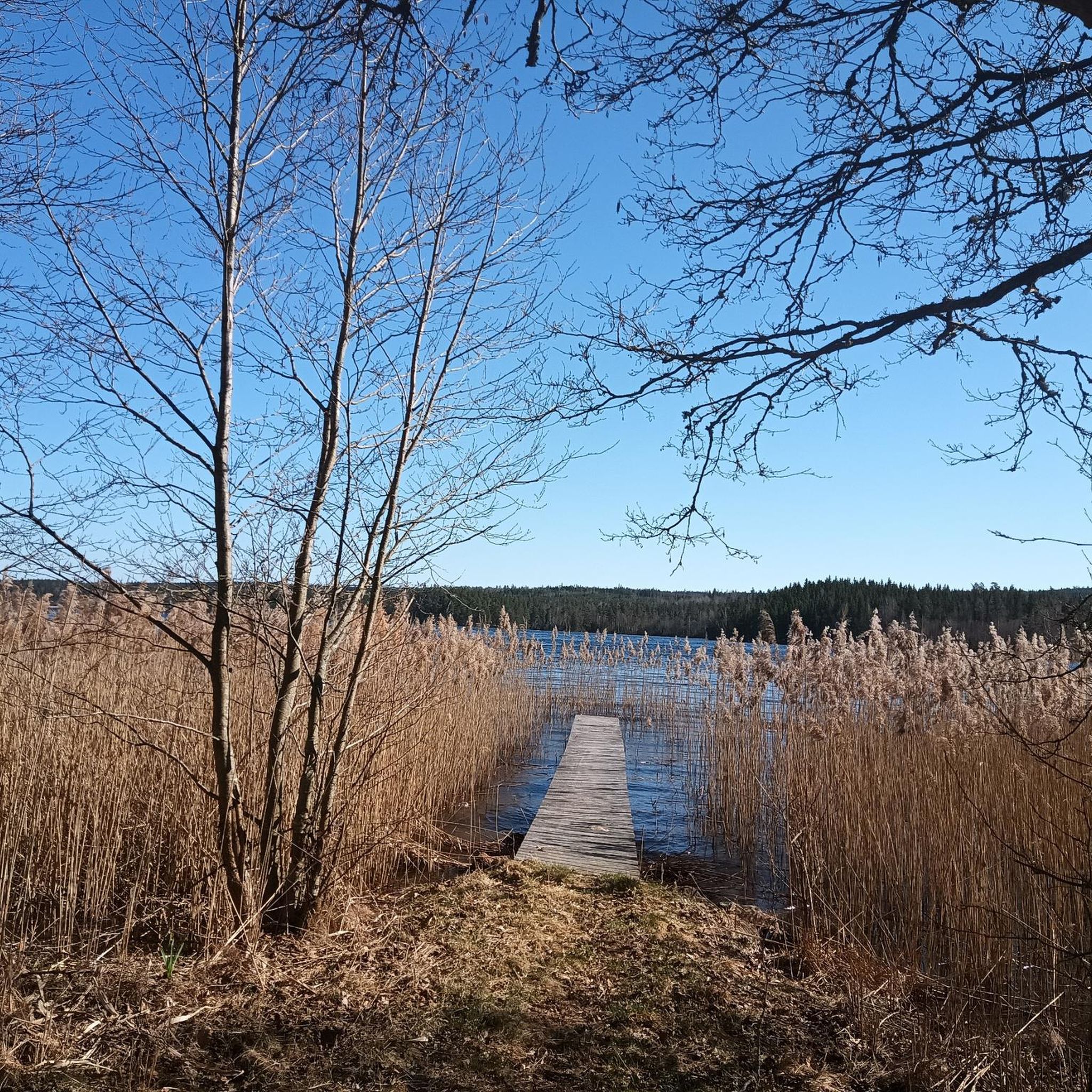
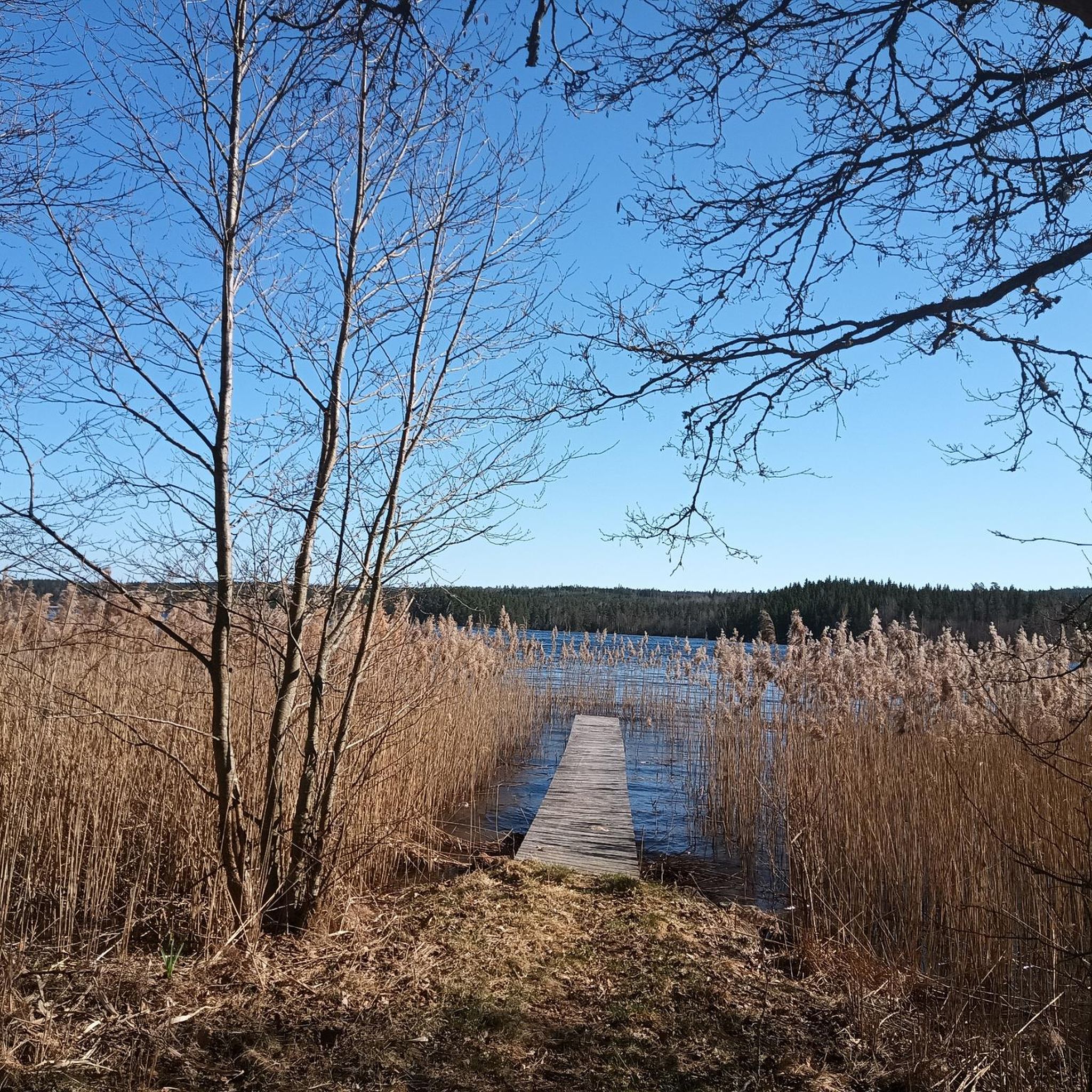
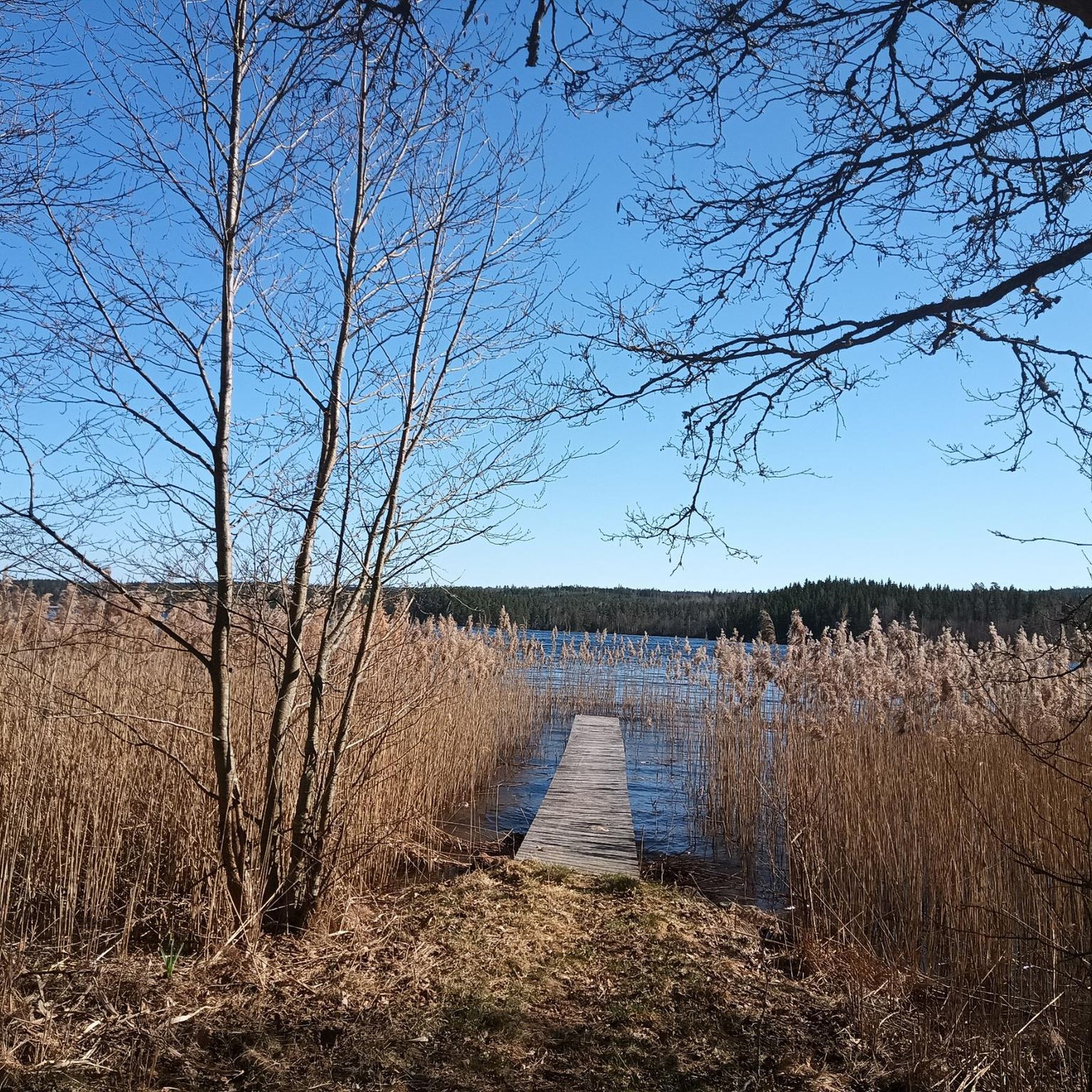
Beautiful Eksjöhovgård castle ruins that can be visited
2
0
베틀란다 주변에서 가장 인기 있는 명소


더 살펴보기
찾고 있는 하이라이트를 아직 못 찾으셨나요? 다른 지역의 주요 명소 가이드를 확인해보세요:
