피게이라 데 카스텔로 로드리고 최고의 사이클링 경로
4.0
(4)
38
자전거 타는 사람
13
라이딩
피게이라 데 카스텔로 로드리고 최고의 사이클링 경로를 따라 지역을 둘러볼까요? 피게이라 데 카스텔로 로드리고에서 가장 멋진 자전거 라이딩 장소 중에서 가장 마음에 드는 라이딩을 선택해보세요.
마지막 업데이트: 11월 20, 2026
4.0
(1)
4
자전거 타는 사람
39.5km
02:55
940m
930m
어려운 자전거 타기. 우수한 체력 필요. 대부분 포장된 노면.
3.0
(1)
4
자전거 타는 사람
27.2km
01:44
330m
330m
보통 자전거 타기. 좋은 체력 필요. 대부분 포장된 노면.

5.0
(1)
1
자전거 타는 사람
22.0km
01:21
180m
180m
보통 자전거 타기. 좋은 체력 필요. 대부분 포장된 노면.
5
자전거 타는 사람
47.1km
02:58
480m
480m
어려운 자전거 타기. 우수한 체력 필요. 대부분 포장된 노면.
4.0
(1)
4
자전거 타는 사람
43.5km
02:56
690m
690m
어려운 자전거 타기. 우수한 체력 필요. 대부분 포장된 노면.
더 다양한 경로와 다른 탐험가들의 추천을 살펴보세요.
이미 komoot 계정이 있나요?
투어 추천은 다른 사람들이 komoot에서 완료한 수천 개의 활동을 바탕으로 구성되어 있습니다.
오늘 무료 계정으로 시작하세요
다음 모험이 기다리고 있어요.
피게이라 데 카스텔로 로드리고 주변의 다른 모험

커뮤니티 팁

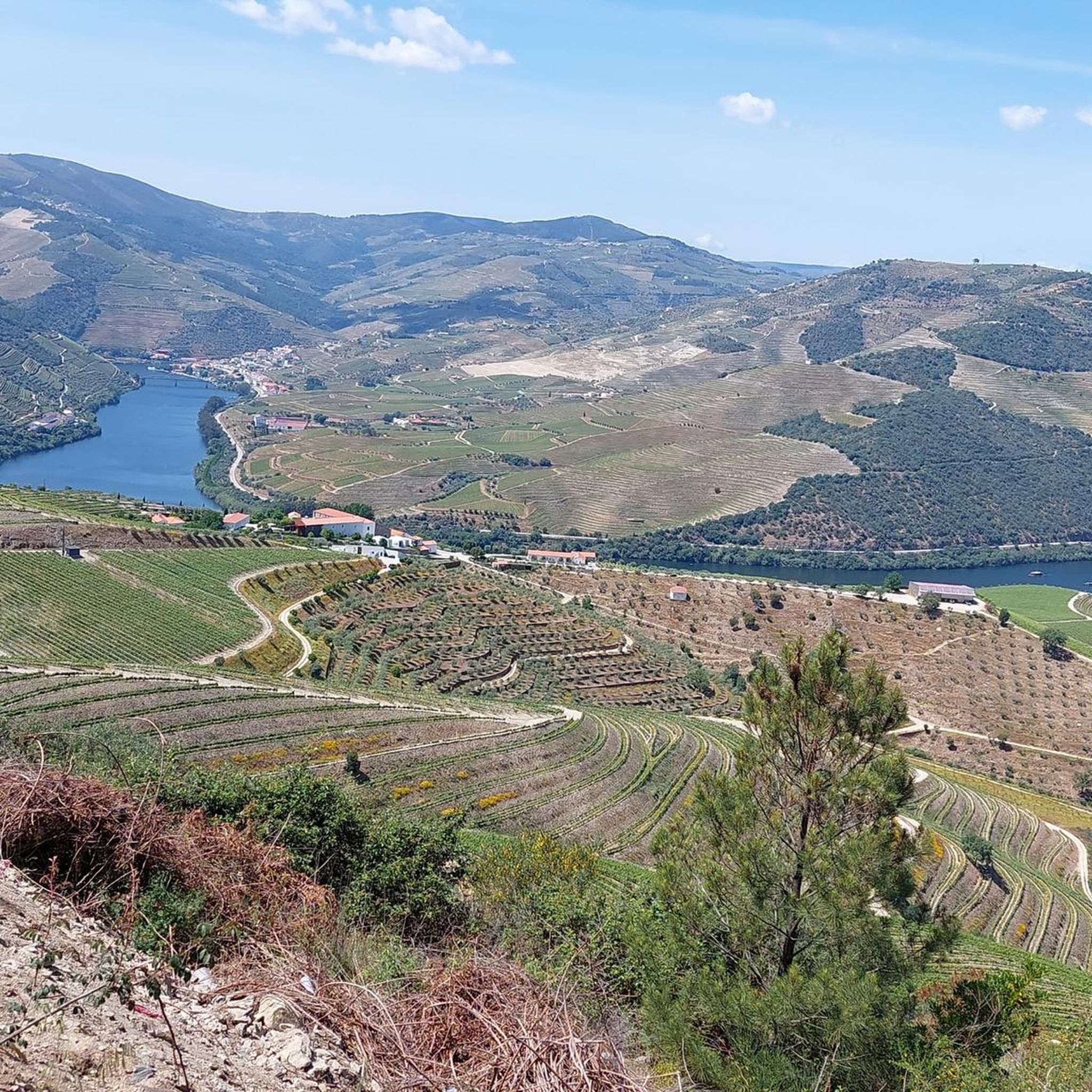
Views of the Douro River from the Port of Saucelle (and its nearby viewpoints) Offers a sweeping view of the valley where the Huebra River flows into the Douro, including landmarks such as the Saucelle Dam, the village of Salto, and the Penedo Durão mountain. Located in an accessible area suitable for people with reduced mobility, it features benches and information panels.
5
0
What to see in Hinojosa de Duero Church of San Pedro 16th century, Gothic style with later renovations. Its Baroque altarpieces are particularly noteworthy. Hermitage of Christ of Mercy Located on San Pedro hill, with a 13th-century Romanesque carving and spectacular views. Monument to the Sacred Heart of Jesus Erected during the Second Republic, in the upper part of the town, surrounded by crosses and a Calvary. El Corralito and Plaza de la Constitución Former town hall meeting place, now a local gathering spot. Ethnographic Museum Collections on traditional life and local culture. Natural viewpoints Peña La Vela, Mirador del Contrabando, Cachón del Camaces, and Cachón de la Diabla offer unique views of the Duero River and the Arribes del Duero Natural Park.
4
0
Hinojosa de Duero is a charming village in the El Abadengo region (Salamanca), located right on the border with Portugal and within the Arribes del Duero Natural Park, making it an ideal destination for rural tourism, nature, and gastronomy. [turismocas.
4
0

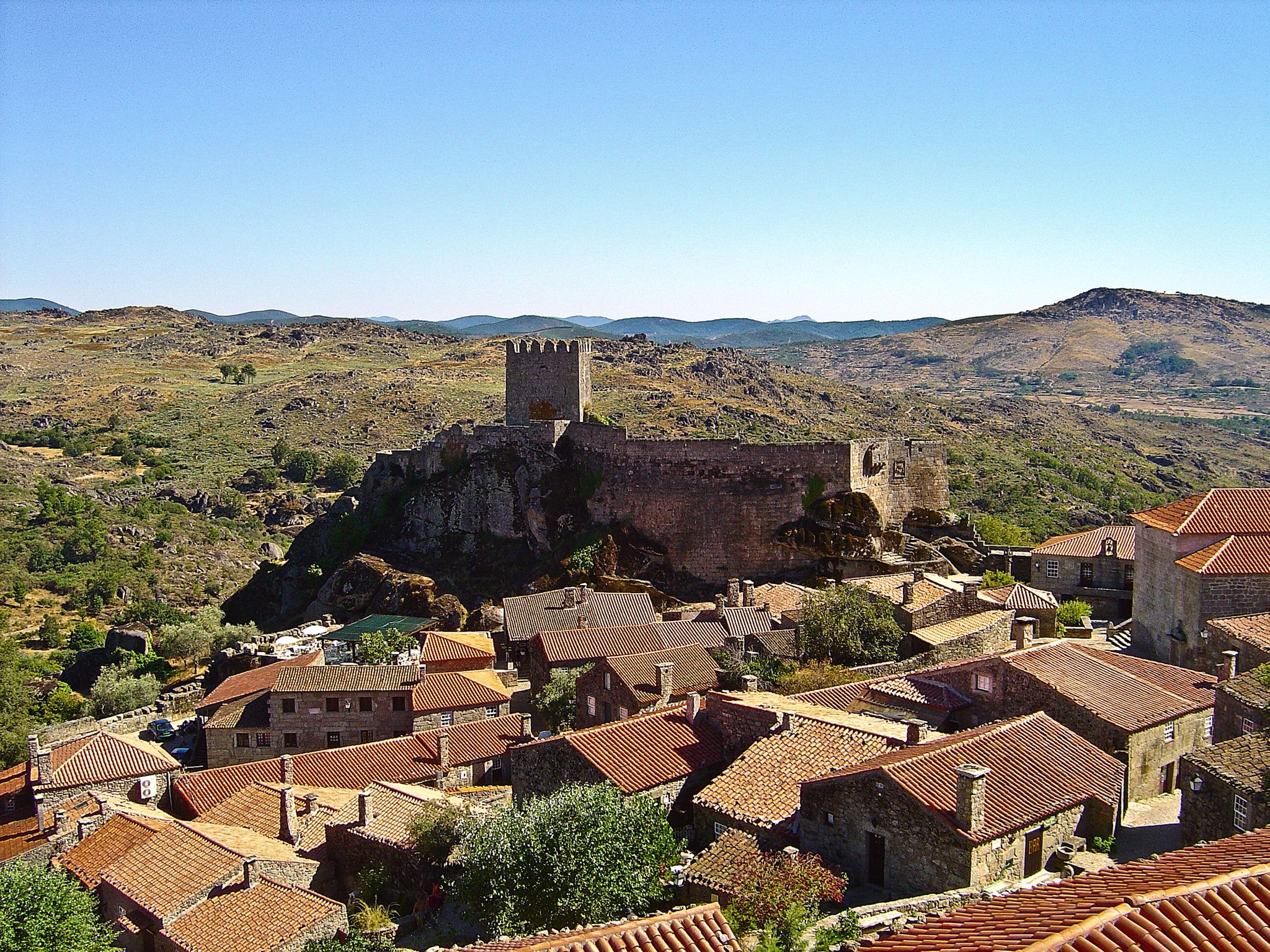
Castelo Rodrigo holds millennia of history, from Paleolithic and Roman remains to the Muslim presence in the castle. Conquered and reconquered between the 12th and 13th centuries, it became a town and municipality under King Alfonso IX of León and passed definitively to Portugal in 1297, when King Dinis rebuilt and repopulated the castle. Marked by wars, charters, and restorations, it welcomed pilgrims on their way to Santiago and remains today one of the twelve Historic Villages of Portugal.
3
0
Almeida stands on the plateau like a table set for history: "Al-Mêda" was the name given to it by the Arabs. Previously, it had been a Lusitanian, Roman, and then Christian fort, conquered in 1190 and definitively Portuguese in 1297. Around the medieval castle grew the town, still marked by the Puerta do Sol. After the Restoration, the town transformed into a veritable war machine: the six-pointed star-shaped fortress, with bastions, ravelins, and underground galleries that served as both shelter and prison. It was the scene of decisive battles, devastated by the explosion of 1810 and contested in the liberal wars, always rising from the ruins.
3
0
Castelo Rodrigo is a village with a medieval soul, where time has left its deep marks: walls, stone streets and remains of an ancient community of New Christians. Surrounded by magnificent landscapes, from the Douro International Natural Park to the Côa Valley, passing through the Serra da Marofa and the Faia Brava Reserve, this village is an invitation to contemplation and to taste. Here, history is served at the table: Marofa lamb, octopus in migas or rice are flavors that count as much as the books.
2
0
Vale da Mula lies in a valley between the Aguiar and Tourões rivers, right next to the Spanish border. The current name comes from the adaptation of the Castilian “Vale de la Mula”, which was used until recently. During the Restoration War, this discreet place played a prominent role and it was also from here that the Portuguese offensive towards Guardão began, the cradle of Spanish attacks on neighbouring lands.
1
0

The Almeida Fort, originally founded as a castle in the 12th century, is one of the best-preserved fortifications in Portugal. It played an important role throughout its history, particularly during the Napoleonic Wars. It was heavily damaged during the Siege of Almeida in 1810 but was later rebuilt. The star fort is known for its bastions and deep moats, which were once intended to provide protection against invaders.
3
1
피게이라 데 카스텔로 로드리고 주변에서 가장 인기 있는 명소


더 살펴보기
다른 지역의 최고의 자전거 경로를 살펴보세요.
