마그라튼에서 가장 멋진 17개의 협곡
마그라튼에 있는 멋진 협곡 17
개를 소개해드릴게요. 아래에서 멋진 협곡을 살펴보고, 다음 마그라튼 모험에 도움이 될 만한 사진, 팁, 추가 정보를 알아보세요.
마지막 업데이트: 9월 7, 2026
게울을 따라 펼쳐진 마르 절벽
하이라이트 • 협곡
번역자 Google •
팁에 의해

플롬비에르 자연보호구역의 광산 입구 및 게울 싱크홀
하이라이트 • 동굴
번역자 Google •
팁에 의해

이런 장소를 발견하려면 지금 가입하세요
최고의 싱글 트랙, 봉우리 및 다양한 흥미로운 야외 장소에 대한 추천을 받아보세요.
사벨스보스 자갈 채석장
하이라이트 • 자연 기념물
번역자 Google •
팁에 의해

티에르 데 비뉴 부싯돌 동굴
하이라이트 • 동굴
Source: mini-ardenne.be/poi.card.php?id=6036&language=fr
번역자 Google •
팁에 의해

무료로 가입하여 마그라튼 주변의 더 많은 협곡을 발견하세요.
이미 komoot 계정이 있나요?


커뮤니티 팁

길을 따라 Blom 채석장으로 가는 입구가 있으며, 도보 여행자는 게이트를 통과하여 지역으로 들어가야 합니다.
0
0

Along the rippling Geul River, an impressive marlstone wall rises, a silent witness to Limburg's underground landscape. These calcareous rocks were used for centuries for construction and crafts and now offer a fascinating sight for hikers and nature lovers. The wall forms a natural boundary along the water and, in some places, harbors small caves and niches where flora and fauna have found a home. The contrast of the white marl against the green foliage and the glistening water of the Geul makes this a particularly photogenic and tranquil spot during your walk.
0
0

There are old flint quarries in this area: the “Carrières de silex du Thier des Vignes”.
1
0

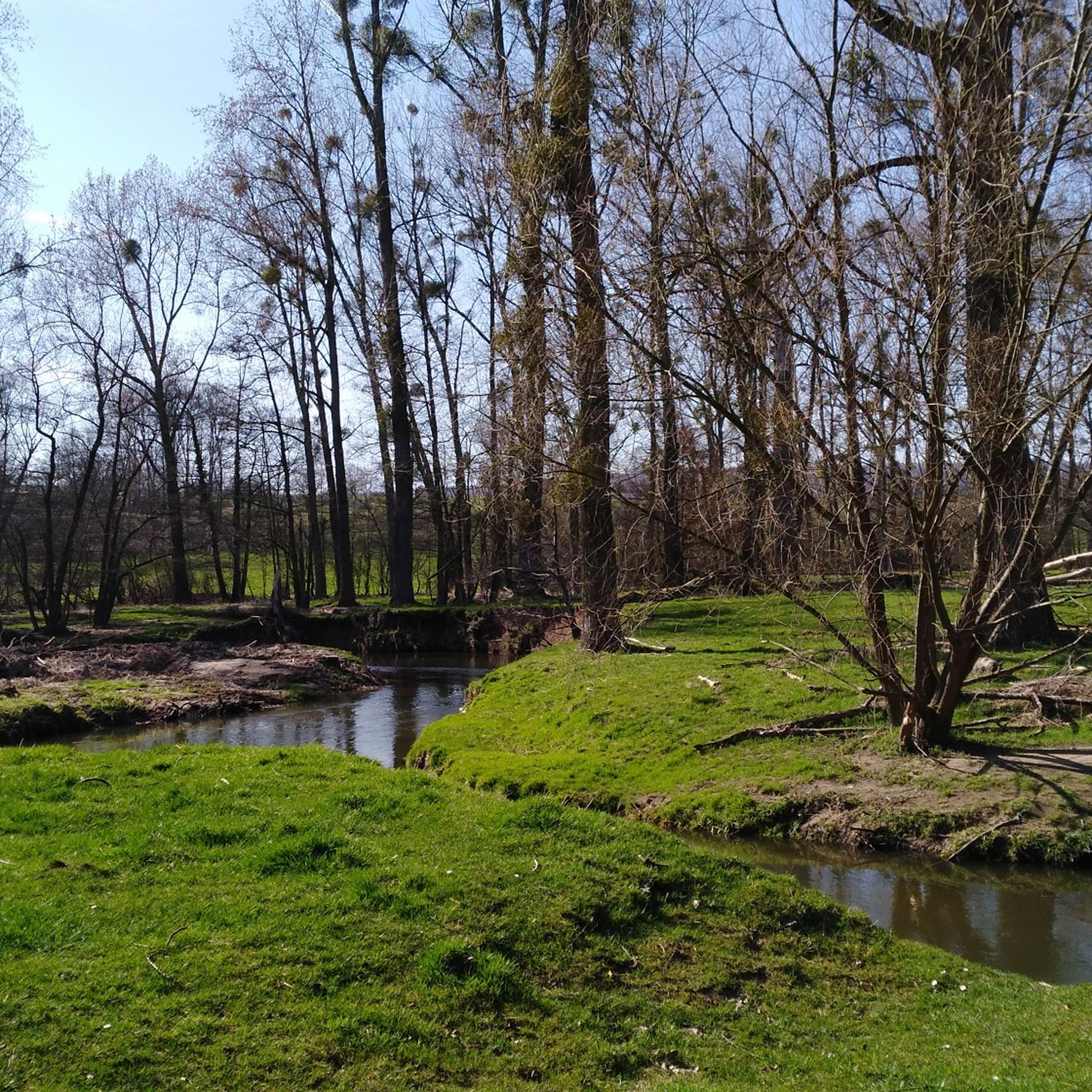
Beautiful part of the walk along the Geul
0
0
A mysterious flint cave on the edge of the Albert Canal, near the locks at Klein Ternaaien. You reach the entrance via a steep path through the woods. The caves are dark, cool, and full of atmosphere—perfect for those who love hidden natural spaces. Bring a flashlight and good walking shoes!
2
0

In the mid-19th century, flooding from the Göhl River posed a major threat to the mine in Bleyberg/Plombières: Water repeatedly penetrated the tunnels and claimed lives. To prevent this, a diversion of part of the river was requested and approved in 1861. By 1862, a tunnel several hundred meters long was built beneath the rock, keeping the Göhl away from the mine. The construction cost approximately 200,000 francs. The tunnel is a technical monument to mining engineering from an era when hazards were deliberately controlled while simultaneously harnessing hydropower. It demonstrates how work-related accidents were prevented while simultaneously harnessing resources.
54
0

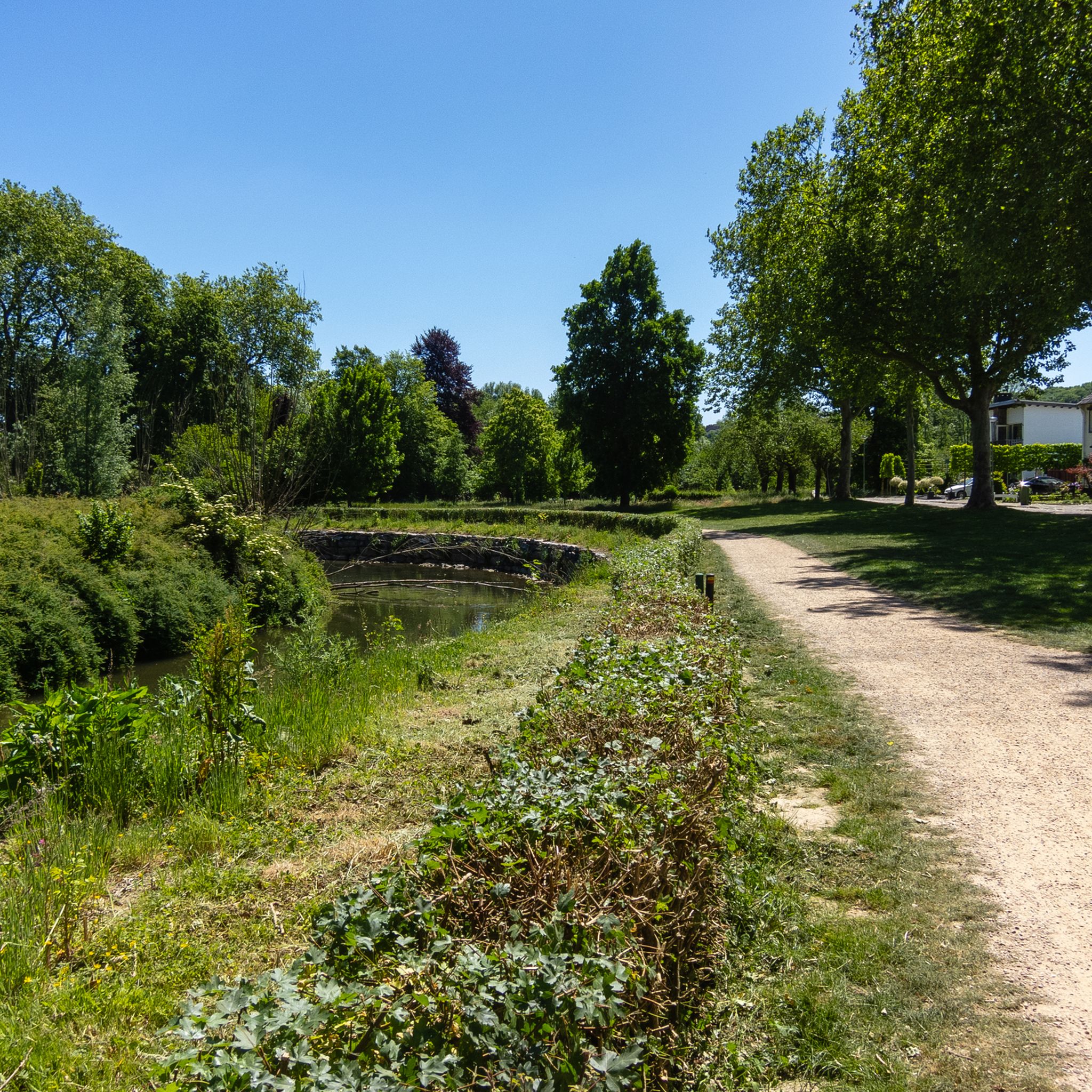
When the path that has been running between slopes and sloping forest on one side and the Geul on the other side suddenly starts to rise a bit, you know what is coming: part of the marl crops out and offers you a glimpse of what you can discover if you take one of the paths away from the Geul: quarries and marl.
6
0

마그라튼 주변에서 가장 인기 있는 명소


더 살펴보기
이 지역에서 모든 것을 발견하셨나요? 다음 모험을 위해 마그라튼 주변의 추가 협곡을 확인해보세요:
