20의 셸리가지 명소 & 주요 장소
셸리에는 둘러볼 만한 장소가 많답니다. 하이킹 또는 사이클링을 좋아한다면 셸리에 숨겨진 20
가지 보석을 만날 수 있을 거예요. 이 지역의 주요 명소를 살펴보면서 다음 모험을 계획해보세요.
마지막 업데이트: 9월 12, 2026

데덤의 세인트 메리 교회
하이라이트 • 종교적 장소
팁에 의해

이런 장소를 발견하려면 지금 가입하세요
최고의 싱글 트랙, 봉우리 및 다양한 흥미로운 야외 장소에 대한 추천을 받아보세요.


이스트 버그홀트의 성모 마리아 교회
하이라이트 • 종교적 장소
It was originally designed with …
팁에 의해
무료로 가입하여 셸리 주변의 더 많은 명소를 발견하세요.
이미 komoot 계정이 있나요?
오늘 무료 계정으로 시작하세요
다음 모험이 기다리고 있어요.

커뮤니티 팁

This isn’t St Mary the Virgin Church, Dedham. This is St Mary the Virgin Church, East Bergholt. Well worth a visit.
0
0

A typical English church with a very old cemetery
1
0

Whilst people have been worshipping on this spot for over 1,000 years, this beautiful church was originally built somewhere around 1350, nearly 700 years ago. It was originally designed with a tower in mind, but it was never completed. Legend says that every time the builders stopped for the night, the devil tore it down. Whatever happened, the five bells, considered the heaviest in England, are now housed in a bell cage and still rung before each service.
0
0

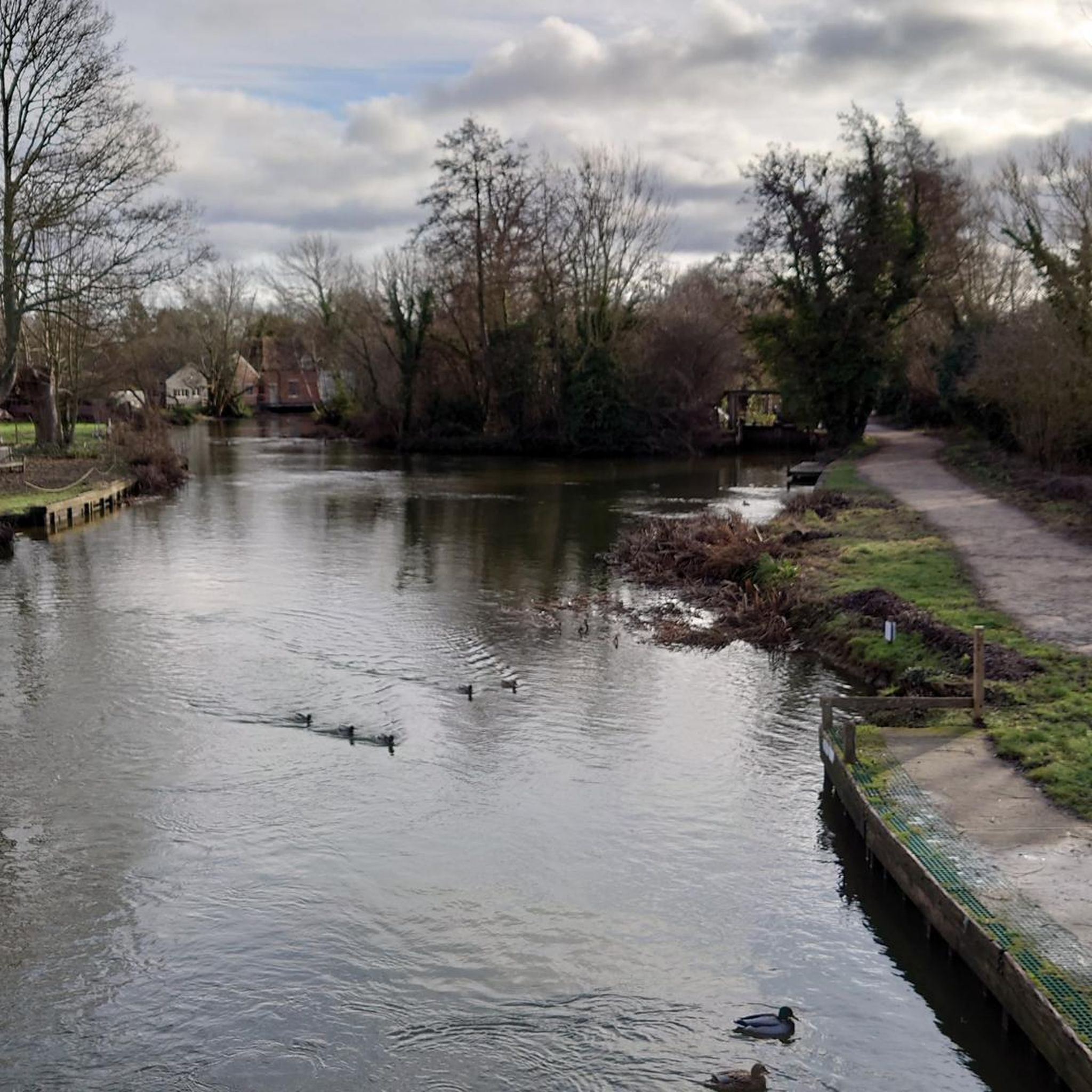
The Flatford Granary stored grain until the 19th century when flour milling became profitable. Owned by Golding Constable, it passed to his son Abram and was eventually sold to William Bentall in 1846.
2
0

A distinctive landmark with its strange mix of assorted materials and partially ruined state.
0
0
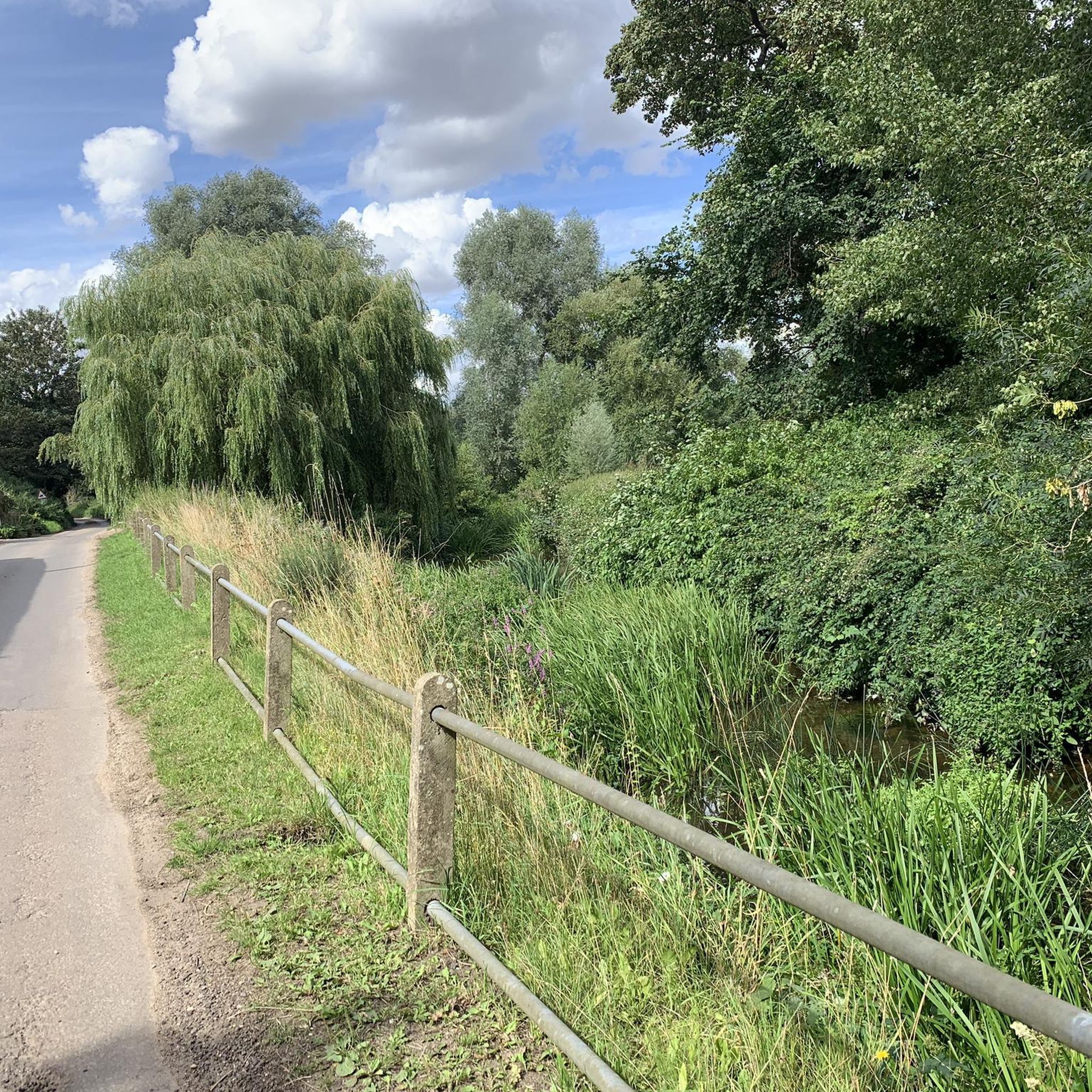
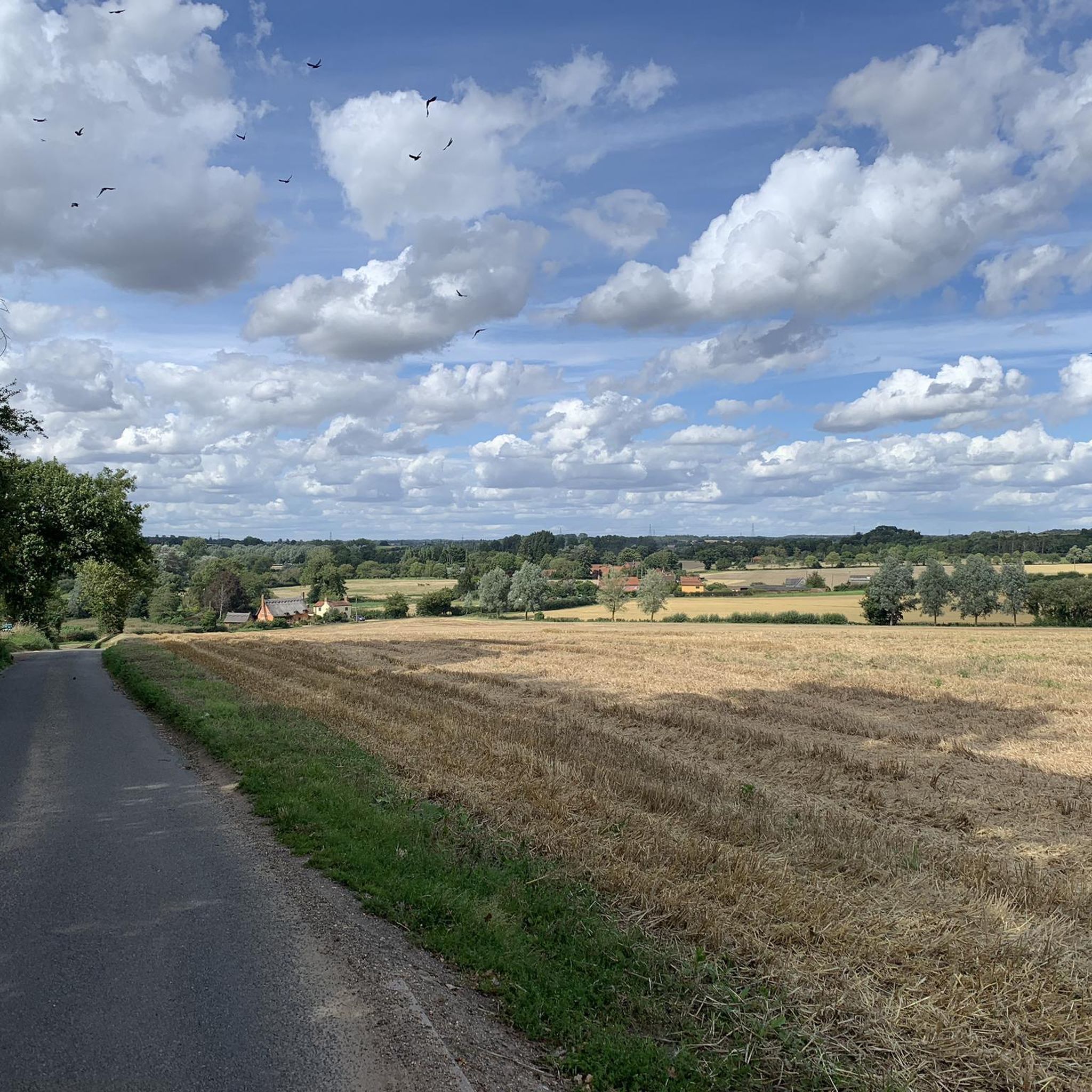
One of the quintessential rural English scenes. A dead end on road, although there is an off-road route that connects to Manningtree if you don't mind some gravel riding.
0
0

St, Mary the Virgin Church is unusual for a number of reasons - firstly there is a foundation, but no tower. In this case not because it collapsed, but because it never got built, falling foul of the reformation, the wealth of the parish was appropriated to the Crown, and East Bergholt's tower never got built. Another unusual site is the bell cage - built as a temporary structure in 1531, it has withstood the test of time and it houses the heaviest peal of 5 in the world.
1
0

From the National Trust; 'The Granary was used to store grain until it could be processed at either the water or steam mills, a function it continued to provide until the early 19th-century. By the middle of the 18th-century it was more lucrative to mill grain into flour than to full cloth. Flatford Mill was converted into a flour mill and the Granary was used to store grain and flour. Until his death in 1816, Flatford Granary formed part of Golding Constable's (John Constable's father) milling estate. The Granary then passed to Golding's younger son Abram who sold it to William Bentall in 1846.'
3
0
셸리 주변에서 가장 인기 있는 경로


더 살펴보기
찾고 있는 하이라이트를 아직 못 찾으셨나요? 다른 지역의 주요 명소 가이드를 확인해보세요:
