18의 크로아그림가지 명소 & 주요 장소
크로아그림에는 둘러볼 만한 장소가 많답니다. 하이킹 또는 사이클링을 좋아한다면 크로아그림에 숨겨진 18
가지 보석을 만날 수 있을 거예요. 이 지역의 주요 명소를 살펴보면서 다음 모험을 계획해보세요.
마지막 업데이트: 8월 31, 2026
Cuilcagh 보드워크 트레일 (Stairway to Heaven)
하이라이트 (구간) • 트레일
번역자 Google •
팁에 의해

퀼카 산 정상 케언
하이라이트 • 정상
번역자 Google •
팁에 의해

이런 장소를 발견하려면 지금 가입하세요
최고의 싱글 트랙, 봉우리 및 다양한 흥미로운 야외 장소에 대한 추천을 받아보세요.
무료 회원 가입
자이언트의 무덤 & 자이언트의 동굴
하이라이트 • 역사적 장소
번역자 Google •
팁에 의해

Cuilcagh 마운틴 파크 주차장
하이라이트 • 주차장
번역자 Google •
팁에 의해

무료로 가입하여 크로아그림 주변의 더 많은 명소를 발견하세요.
무료 회원 가입
이미 komoot 계정이 있나요?
오늘 무료 계정으로 시작하세요
다음 모험이 기다리고 있어요.
로그인 또는 가입하기

커뮤니티 팁

The Cuilcagh Boardwalk Trail, affectionately known as the "Stairway to Heaven," offers a challenging yet rewarding hike through one of Northern Ireland's most stunning landscapes. Spanning approximately 11 km round-trip, the trail meanders through expansive blanket bogs before culminating in a steep ascent of 450 wooden steps to a viewing platform atop Cuilcagh Mountain. Hikers are treated to breathtaking panoramic views of the surrounding lowlands, including glimpses of counties Cavan, Leitrim, and Donegal on clear days. While the boardwalk was constructed to protect the delicate bog ecosystem, it has also made the trail more accessible, attracting over 60,000 visitors annually.
3
0

Great walk, very touristy but it's worth the detour! Be careful of the crowds (on weekends and in summer I dare not imagine!). However, BE CAREFUL, the summit is not accessible, you have to pass the protective barriers which allow the wild nature to be preserved from our steps and from this crowd of people. If we, the Komoot community, start to do this all the tourists will allow themselves and the landscape will never be so beautiful again! (Ps: no need to climb to the top to already see enough in the eyes!)
0
0

Ideal starting point for the hike to the Stairway to Heaven, there are a total of 3 parking spaces available. Some spaces are reserved for larger vehicles/motorhomes; the steward will direct you when reversing. Parking fee of 5 GBP or 6 Euros must be paid in cash to the steward.
2
0

Cuilcagh Mountain sits right on the border between Ireland and Northern Ireland. From the top, you can enjoy magnificent views across the rolling hills of Ireland in all directions.
1
0
The magnificent Enniskillen Castle is situated in the heart of Enniskillen on the banks of the River Erne. The castle was founded in the 15th century by Hugh 'The Hospitable' Maguire and belonged to the Maguire family for centuries. Between 2007 and 2013 a massive refurbishment took place so that the castle could be opened to the public. Today you can explore the castle grounds and learn about this landmarks rich history.
1
0

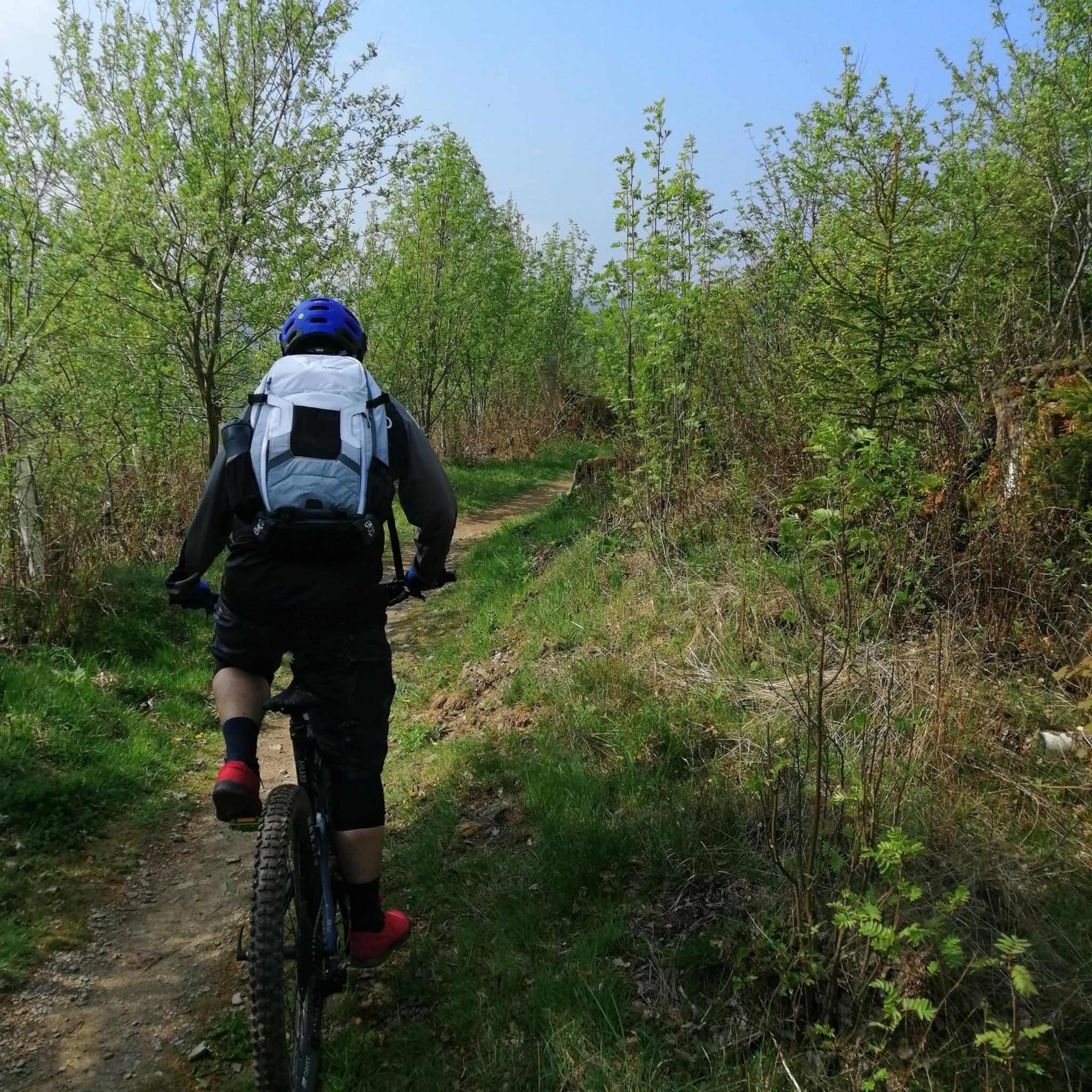
Strenuous but rewarding path on footbridges over the high moor. Pretty well known through insta, so sm best come first thing in the morning
2
0

Many of Ireland’s megalithic monuments—portal tombs, court cairns, or wedge tombs such as this one—are known locally as “the giant’s grave.” But this one, on a hilltop in Co. Cavan’s Burren Forest Park, has a giant story to go along with its name. According to Harold Johnson, from the nearby town of Blacklion, the giant, attempting to impress a lady, failed in his final attempt to jump the nearby chasm, which is, of course, called “The Giant’s Leap.” Harold Johnson relates this story in some detail, while seated on the Giant’s Grave, in the video, below right. Mr. Johnson also was our guide, and provided the narration, for our feature on the Killinagh Cursing Stones, located on the opposite side of the town of Blacklion. (https://voicesfromthedawn.com/burren-giants-grave/)
4
0
The name Cuilcagh comes from the Irish Cuilceach, which has been translated as "chalky". However, the mountain is mainly sandstone and shale, covered with bog and heather. The cliff-edged summit surface of the mountain is formed from the hard-wearing Lackagh Sandstone which itself overlies the Briscloonagh Sandstone. "It is possible that the name refers to the limestone rock on the lower northern flanks, namely the Glencar and Dartry Limestone formations.[6] Here a number of streams disappear below ground at swallow holes named Cats Hole, Pollawaddy, Pollasumera and Polliniska, all forming part of the Marble Arch cave system. If so, the name would mean 'calcareous' rather than 'chalky'".[7] It has also been called Slieve Cuilcagh in English,[8] 'Slieve' being an anglicisation of Sliabh ("mountain"). In the 1609 Plantation of Ulster, Cuilcagh formed part of lands which were granted to John Sandford of Castle Doe by letters patent dated 7 July 1613 (Pat. 11 James I – LXXI – 38, Quilkagh).[9][10] It was later sold by Sandford to his wife's uncle Toby Caulfeild, 1st Baron Caulfeild, Master of the Ordnance and Caulfield had the sale confirmed by letters patent of 12 July 1620 (Pat. 19 James I. XI. 45, Quilkagh). (https://en.wikipedia.org/wiki/Cuilcagh)
4
0
크로아그림 주변에서 가장 인기 있는 경로
크로아그림 주변에서 가장 인기 있는 명소


더 살펴보기
찾고 있는 하이라이트를 아직 못 찾으셨나요? 다른 지역의 주요 명소 가이드를 확인해보세요:
