20의 테드번 세인트 메리가지 명소 & 주요 장소
테드번 세인트 메리에는 둘러볼 만한 장소가 많답니다. 하이킹 또는 사이클링을 좋아한다면 테드번 세인트 메리에 숨겨진 20
가지 보석을 만날 수 있을 거예요. 이 지역의 주요 명소를 살펴보면서 다음 모험을 계획해보세요.
마지막 업데이트: 9월 12, 2026
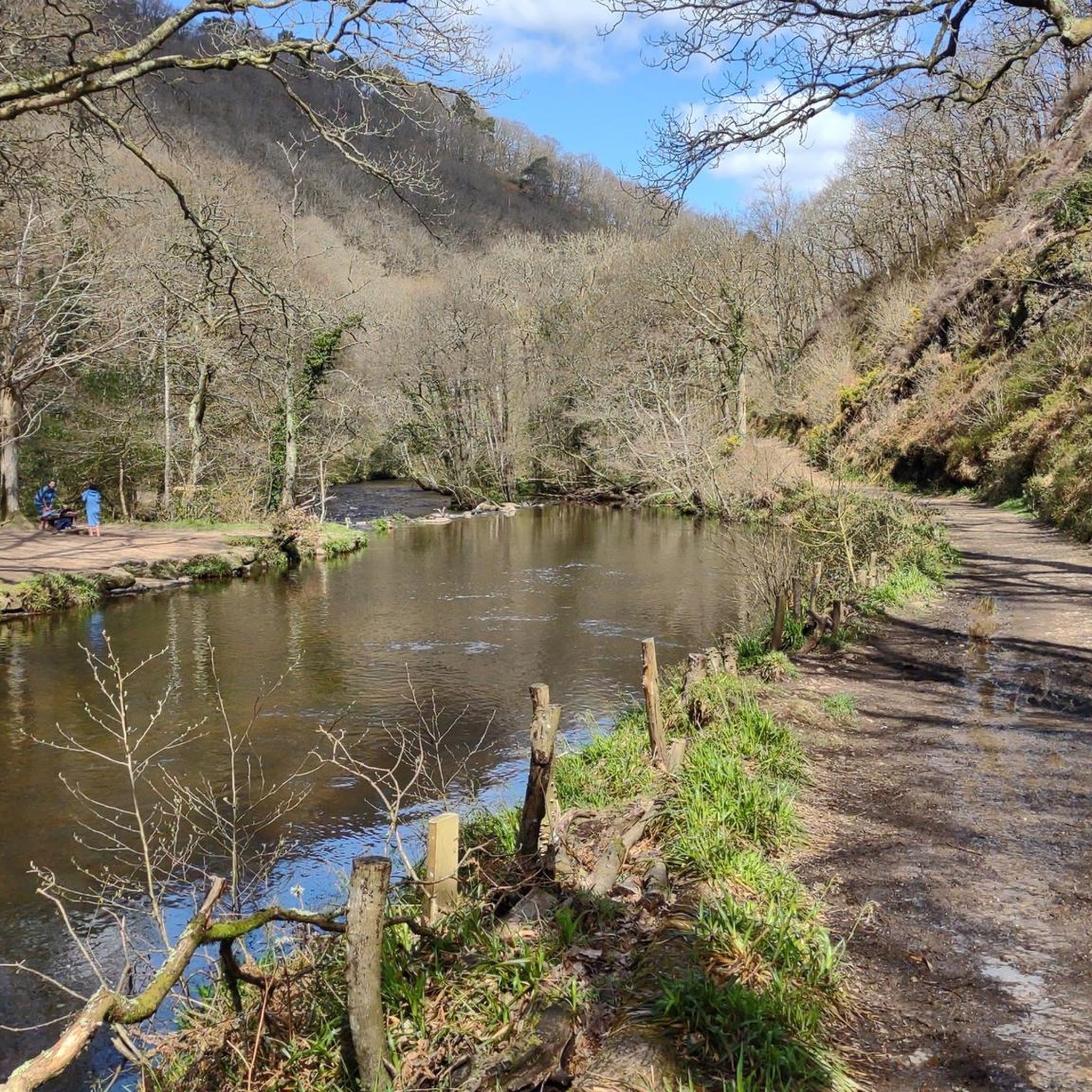
Fingle Bridge
하이라이트 • 전망대
팁에 의해


이런 장소를 발견하려면 지금 가입하세요
최고의 싱글 트랙, 봉우리 및 다양한 흥미로운 야외 장소에 대한 추천을 받아보세요.

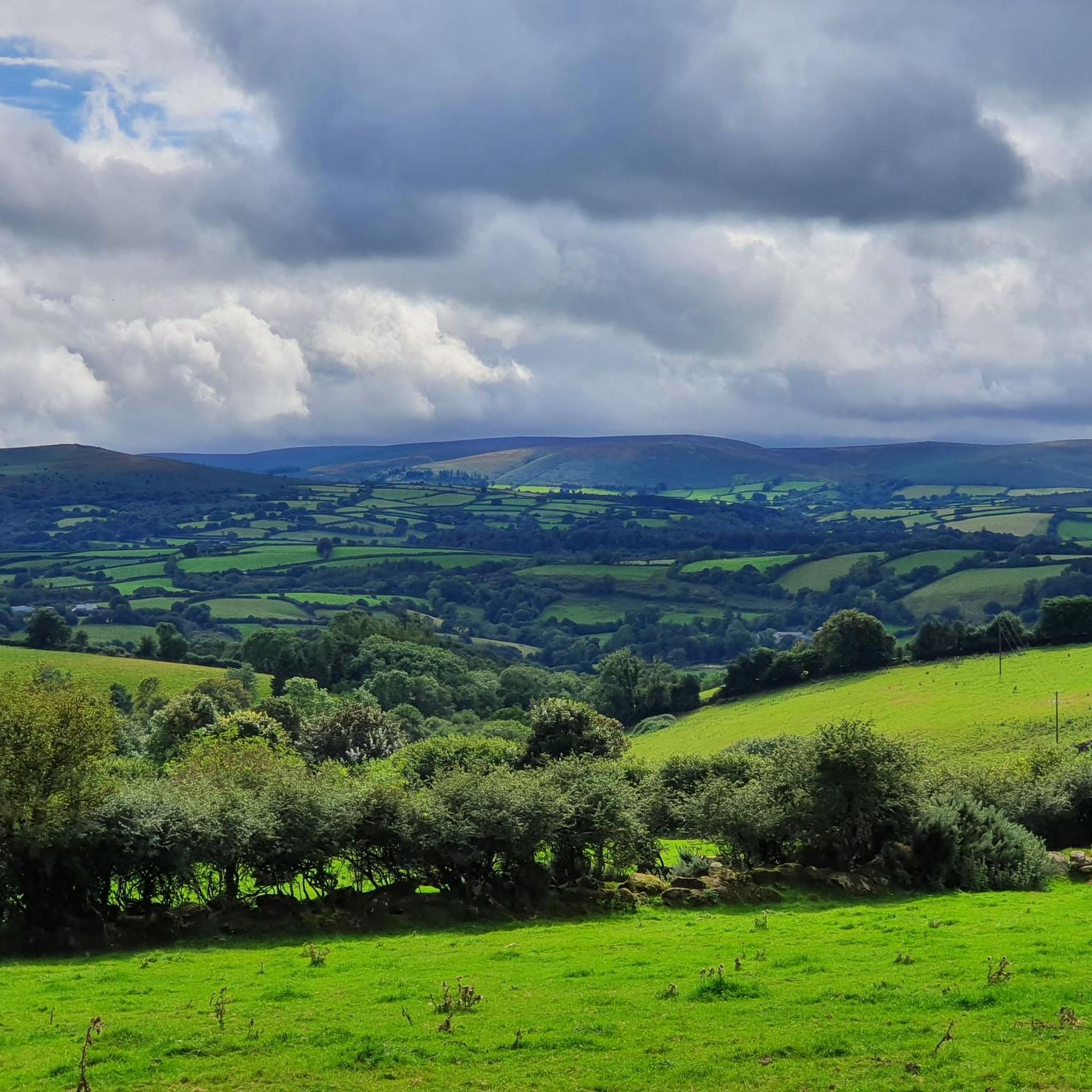
샤프 토르 (테인 협곡)
하이라이트 • 전망대
팁에 의해

오늘 무료 계정으로 시작하세요
다음 모험이 기다리고 있어요.
커뮤니티 팁

Hunters Tor on Dartmoor – overview and practical guide Notes on the feature Name variants: Hunters Tor (also found in some guides as “Hunters’ Tor” or “Hunters Tor” with occasional apostrophe usage). It is one of the granite tors you’ll encounter on the eastern Dartmoor plateau. Location context: Situated on the eastern Dartmoor moor, in the general area between Widecombe-in-the-Moor and the higher moorland to the north and east. It’s often visited as part of longer routes from classic eastern Dartmoor starting points. What to expect Elevation and geology: A granite tor typical of Dartmoor—weathered outcrops with rough boulder features and exposed granite. Provides a vantage point to survey surrounding moorland. Scenery: Wide moorland views with horizon lines; potential for good visibility across East Dartmoor on clear days. Getting there Access points: Likely starting points include car parks and laybys near the eastern moor, with access from roads serving Widecombe-in-the-Moor, Ashburton, or Two Bridges. Public transport: Buses to nearby villages with a short walk onto the moor; check current timetables. Parking: Local parking areas around the eastern moorland; follow local signage and
0
0
Sharp Tor on Dartmoor – overview and tips Notes on the name Sharp Tor is a well-known tor on Dartmoor, sometimes spelled “Sharp Tor” or “Sharp’s Tor” in regional references. It is one of the classic granite tors that dot the eastern moor. Location context: Sharp Tor sits in the eastern part of Dartmoor National Park, behind or near the villages of Widecombe-in-the-Moor and intersecting with other moorland features such as Haytor and Hound Tor in the wider area. What to expect Elevation and geology: Granite tor forming a rocky outcrop that offers elevated views over the surrounding moor. Typical Dartmoor granite features, weathered by wind and rain into distinctive boulders and crags. Scenery: Expansive moorland around, open horizons, and, on clear days, distant views toward the coast. Getting there Access points: - Likely starting points include nearby car parks on the eastern Dartmoor plateau and routes from towns like Ashburton or Widecombe-in-the-Moor. Public transport: Bus routes to nearby villages with a short walk onto the moor. Parking: Depending on the exact access point, there are local parking areas; check current signage and National Trust/ Dartmoor NPA guidance. Popular routes and what to expect Short circulars: There are moorland circuits that incorporate Sharp Tor as a highlight, often around 2–4 miles (3–6 km) depending on the exact start point. Longer explorations: Combine Sharp Tor with adjacent tors such as Hound Tor, Widecombe area, or more northern tors for a full moorland day. Expect rolling moorland
0
0

There's a few disabled parking spaces right on the Quay and the walks are all wheelchair user friendly, there's bus routes and train station all within a mile of the quay. If like me on your walk you like to re-stall your batteries and have a hot or cold drink there's lots of great pubs restaurants and little cafes on the Quay and they all welcome dogs, if you check out what's on in Exeter you might be lucky to see one of the many events they hold like morse dancing, the boat racing, mental health walk, the food festivals and many more, enjoy the ruins and history walks also.
0
0

Car park and numerous food outlets alongside the river perfect to spend a time to relax
1
0

Exeter Quay, also known as Exeter Quayside, is a district of Exeter on the River Exe and the Exeter Ship Canal. It was used as a port since prehistoric times, when a sandstone outcrop was used to unload the ships of overseas traders.[1] However, in 1381, the Countess Weir closed the river to shipping. In 1566, a canal was completed to allow ships access. Over time, the number of ships using the quay increased, and so the quay was extended in the late 17th century. Further extension took place in 1830 when a new canal basin was dug. However, in 1840, the railway reached Exeter, and shipping began to decline. The quay is no longer used for shipping, but mainly for recreational purposes.
2
0
lots to do along the Quay, saw ducks, swans great places to eat and drink, there are many different routes you can stay on a path or walk through mud path. wheelchair friendly the Quay got lots of history and gift shops
6
0


The cathedral (bishop's church) in Exeter was dedicated to Saint PETER. Simon, nicknamed Peter (Rock), was a fisherman on Lake Genesareth when he was called - together with his brother Andrew - by Jesus Christ to be a "fisher of men". According to Catholic understanding, he is the highest apostle, and the two thousand year long line of popes - currently Francis - are his successors. In statues and paintings, Peter is almost always depicted with two keys in his hand; this attribute refers to the Bible verse in Matthew: "I will give you the keys of the kingdom of heaven; whatever you bind on earth will be bound in heaven, and whatever you loose on earth will be loosed in heaven" (Chapter 16, Verse 19). Peter and Paul are also known as the "princes of the apostles"; their common feast day in the calendar of saints is June 29th.
4
0
테드번 세인트 메리 주변에서 가장 인기 있는 명소


더 살펴보기
찾고 있는 하이라이트를 아직 못 찾으셨나요? 다른 지역의 주요 명소 가이드를 확인해보세요:
