케닐워스 최고의 워킹 & 하이킹 경로
4.5
(1683)
12,547
등산객
101
하이킹
Komoot에 등록된 케닐워스 내 트레일 및 경로 컬렉션 중에서 하이킹과 워킹을 가장 멋지게 즐길 수 있는 곳을 알려드릴게요. 아래에서 각 경로의 상세 정보를 모두 확인한 후, 케닐워스 속 자연에서 즐거운 시간을 누려보세요.
마지막 업데이트: 9월 13, 2026
4.6
(112)
410
등산객
11.0km
02:50
50m
50m
Embark on the Kenilworth Castle loop via Millennium Way, a moderate hike spanning 6.9 miles (11.0 km) with a gentle elevation gain of 167 feet (51 metres). This circular route,…
3.4
(5)
13
등산객
16.7km
04:20
100m
100m
Embark on the Nailcote Hall & the Millennium Way loop, a moderate hike that takes you through varied countryside and past historic landmarks. This 10.4-mile (16.7 km) route features mostly…

16
등산객
11.6km
03:00
70m
70m
Hike the moderate 7.2-mile Leek Wotton & Warwickshire Golf Club loop via Millennium Way, featuring canal views and golf course scenery.
4.8
(31)
108
등산객
11.5km
03:00
80m
80m
보통 하이킹. 좋은 체력 필요. 실력과 관계없이 누구나 쉽게 갈 수 있는 길.
4.8
(13)
73
등산객
10.1km
02:37
60m
60m
보통 하이킹. 좋은 체력 필요. 실력과 관계없이 누구나 쉽게 갈 수 있는 길.
더 다양한 경로와 다른 탐험가들의 추천을 살펴보세요.
이미 komoot 계정이 있나요?
투어 추천은 다른 사람들이 komoot에서 완료한 수천 개의 활동을 바탕으로 구성되어 있습니다.
오늘 무료 계정으로 시작하세요
다음 모험이 기다리고 있어요.

커뮤니티 팁

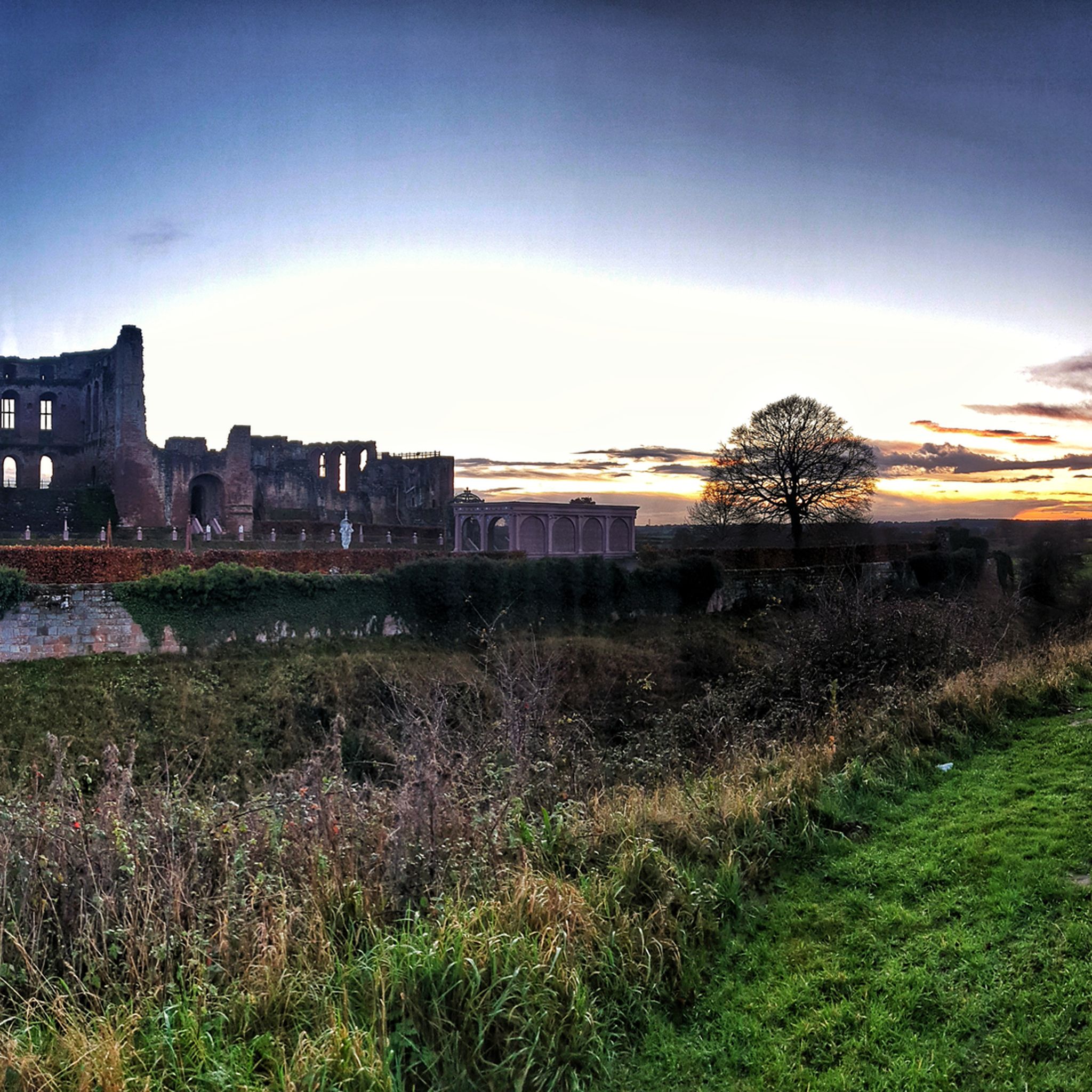
The area surrounding Castle Green offers picturesque views of the castle ruins and a greenery for visitors interested in England's rich history and architecture
0
0

Formerly a fishpond belonging to the Abbey of St Mary up until the dissolution, Robin Leach dates its draining to become the oxpen meadow as c1650. The meadow was first flooded for skating in 1879, and re-flooded as a wartime water supply in 1940. By 1948 it was drained again and used for an agricultural show. The decision to flood the meadow permanently came in 1997.
0
0
The remains of St Mary's Abbey are situated in the grounds of St Nicholas' Church and in an adjacent area of Abbey Fields. Some of its ruins are above ground and some are below ground.
0
0
Abbey Fields is set in the dramatic valley of the Finham Brook and enjoys views of the historic town and Kenilworth castle. Grassy slopes, a lake, historic buildings and veteran trees recall Abbey Fields’ past as the farmland of St Mary’s Abbey, whose ruins adjoin the park. Because of its important heritage, Abbey Fields is a Scheduled Ancient Monument.
0
0
The castle was founded after the Norman Conquest of 1066; with development through to the Tudor period. It has been described by the architectural historian Anthony Emery as "the finest surviving example of a semi-royal palace of the later middle ages, significant for its scale, form and quality of workmanship". Kenilworth played an important historical role: it was the subject of the six-month-long siege of Kenilworth in 1266, thought to be the longest siege in medieval English history, and formed a base for Lancastrian operations in the Wars of the Roses. Kenilworth was the scene of the removal of Edward II from the English throne, the perceived French insult to Henry V in 1414 of a gift of tennis balls (said by John Strecche to have prompted the campaign that led to the Battle of Agincourt), and the Earl of Leicester's lavish reception of Elizabeth I in 1575. It has been described as "one of two major castles in Britain which may be classified as water-castles or lake-fortresses...
0
0
Robert Langham (C16) - "The Castle has the name of Killingwoorth, but if truth grounded upon faithful story, Kenelwoorth [Kenilworth]. It stands in Warwickshire, a 74 mile North-West from London, and as it were in the navel of England, four mile somewhat South from Coventry a proper city, and a like distance from Warwick, a fair Shire town on the North. In air sweet and wholesome, raised on an easy-mounted hill, is set evenly coasted with the front straight into the East, has the tenants and town about it, that pleasantly shifts from dale to hill, sundry wherewith sweet springs burst forth; and is so plentiful and well sorted on every side into arable, meadow, pasture, wood, water, and good air, as it appears to have need of nothing that may pertain to living or pleasure."
1
0
The dam was probably constructed in three phases; initially circa 1125, then subsequently raised by King John and lastly the western lane and bridge possibly 17th century. It is not known when the castle’s great defensive lake, created by the dam, was first called a Mere nor when the breach, shown here being repaired in 1964, was first called Hawkesworth’s Gap. At the end of the Civil War in 1649, Cromwell’s Parliamentarians were determined to ensure that the former Royalist strongholds would never again provide a safe haven for those who opposed the new republican parliament’s powers. So, Colonel Joseph Hawkesworth, MP was appointed to ‘slight’ or damage the castle beyond repair and it is said he breached the Tiltyard to drain the mere as part of the slighting.
0
0

케닐워스 주변에서 가장 인기 있는 명소


더 살펴보기
다른 지역의 최고의 하이킹를 살펴보세요.
