일본 알프스 최고의 러닝 경로
4.1
(67)
5,782
달리기 하는 사람
245
러닝
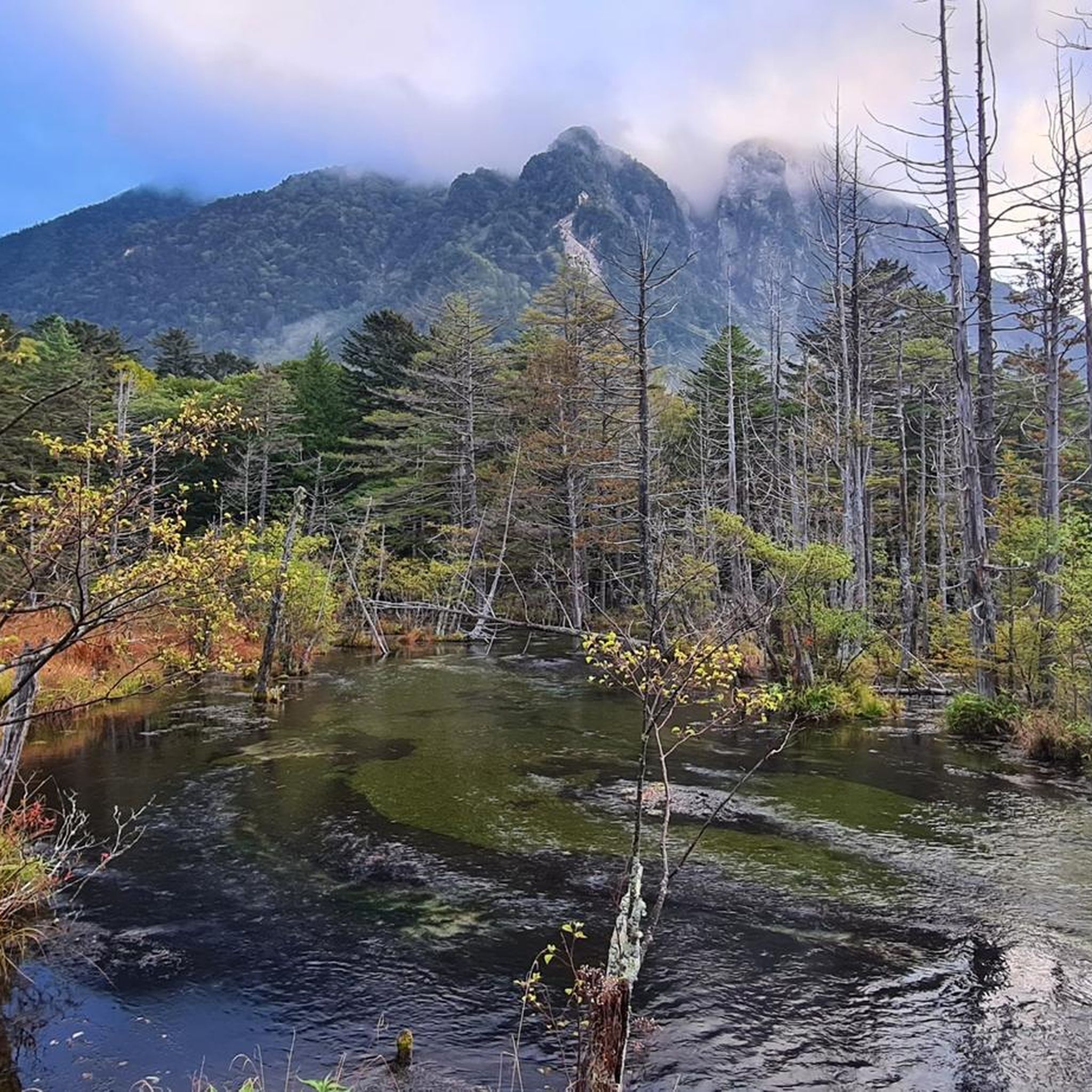
일본 알프스에서 하이킹하며 일본 구석 부분까지 살펴볼까요? 일본 알프스에 있는 모든 하이킹 및 워킹 경로 컬렉션 중 가장 멋진 하이킹 경로를 엄선하여 소개해드릴게요. 다른 하이커가 공유한 실제 팁과 사진을 살펴보고 후기를 읽으며 마음에 드는 일본 알프스 워킹 경로를 찾아보세요.
마지막 업데이트: 9월 30, 2026
4.8
(5)
348
달리기 하는 사람
21.1km
02:15
230m
230m
어려운 조깅. 우수한 체력 필요. 대부분 포장된 지면. 실력과 관계없이 누구나 갈 수 있음.
4.7
(3)
332
달리기 하는 사람
20.5km
02:17
350m
350m
어려운 조깅. 우수한 체력 필요. 대부분 포장된 지면. 실력과 관계없이 누구나 갈 수 있음.

5.0
(1)
209
달리기 하는 사람
18.6km
01:58
80m
80m
어려운 조깅. 우수한 체력 필요. 대부분 포장된 지면. 실력과 관계없이 누구나 갈 수 있음.
5.0
(1)
204
달리기 하는 사람
18.7km
01:59
70m
70m
어려운 조깅. 우수한 체력 필요. 대부분 포장된 지면. 실력과 관계없이 누구나 갈 수 있음.
159
달리기 하는 사람
40.2km
04:17
480m
480m
어려운 조깅. 우수한 체력 필요. 대부분 포장된 지면. 실력과 관계없이 누구나 갈 수 있음.
4.5
(2)
181
달리기 하는 사람
7.68km
00:49
90m
90m
보통 조깅. 좋은 체력 필요. 대부분 포장된 지면. 실력과 관계없이 누구나 갈 수 있음.
4.5
(2)
137
달리기 하는 사람
28.7km
04:14
1,250m
1,250m
어려운 조깅. 우수한 체력 필요. 튼튼한 신발을 신고 미끄러지지 않게 조심해야 하며, 높은 산을 오른 경험이 있어야 함.
4.0
(1)
85
달리기 하는 사람
6.64km
00:43
60m
60m
보통 조깅. 좋은 체력 필요. 대부분 포장된 지면. 실력과 관계없이 누구나 갈 수 있음.
3.0
(2)
125
달리기 하는 사람
16.9km
02:28
680m
690m
어려운 조깅. 우수한 체력 필요. 튼튼한 신발을 신고 미끄러지지 않게 조심해야 하며, 높은 산을 오른 경험이 있어야 함.
113
달리기 하는 사람
27.4km
02:56
320m
320m
어려운 조깅. 우수한 체력 필요. 대부분 포장된 지면. 실력과 관계없이 누구나 갈 수 있음.
더 다양한 경로와 다른 탐험가들의 추천을 살펴보세요.
이미 komoot 계정이 있나요?
투어 추천은 다른 사람들이 komoot에서 완료한 수천 개의 활동을 바탕으로 구성되어 있습니다.
오늘 무료 계정으로 시작하세요
다음 모험이 기다리고 있어요.


커뮤니티 팁


Here you are at the summit of Mt. Takao. The view is a few steps further
0
0
When the weather is nice you have a great view of Mt. Fuji from here
0
0
We were here in spring and it was also incredibly beautiful
0
0
This view is simply indescribable and a reward for the climb
1
0

畳岩 (Tatami-iwa) refers to a rock formation that is often flat or layered in appearance, resembling the traditional Japanese tatami mats, which are made of woven straw. The name "Tatami-iwa" can be found at various locations in Japan, where the rock formations have characteristics similar to the geometric, layered patterns of tatami. These natural formations are created over time through geological processes, including sedimentation or volcanic activity, which cause the rocks to split and stack in flat, rectangular shapes.
0
0
The shrine is located near a place called Tsutsuguchi, close to the northern shore of Lake Kawaguchi. Historically, this spot was known for its strong whirlpools and underwater currents, which frequently caused accidents and dangers to the local villagers. In 1193 (during the Kamakura period), the local community, seeking protection from these water hazards, built the shrine and enshrined a water deity, naming the shrine Tsutsuguchi Myojin. Bunmei 8 (1476): A worship hall was constructed. Eiroku 8 (1565): The shrine buildings were rebuilt, and it became the protective shrine of the local region of Kofunatsu. Horeki 4 (1754): The local villages Kofunatsu and Ofunatsu came together to purchase a portable shrine (mikoshi) for the deity’s processions, alternating each year with Hachioji Shrine. Horeki 6 (1756): The shrine received a formal offering and a name plaque from Urabe Kaneo, the head of the priestly family overseeing Shinto rites. Meiji 5 (1872): The shrine was officially designated as a village shrine. Meiji 40 (1907): It was registered as a shrine authorized to offer Shinto food offerings and rituals. (https://www.yamanashi-jinjacho.or.jp/intro/search/detail/7141)
0
0


