어퍼 알리 최고의 러닝 경로
4.5
(28)
3,957
달리기 하는 사람
15
러닝
어퍼 알리에서 하이킹하며 와이어 포레스트 구석 부분까지 살펴볼까요? 어퍼 알리에 있는 모든 하이킹 및 워킹 경로 컬렉션 중 가장 멋진 하이킹 경로를 엄선하여 소개해드릴게요. 다른 하이커가 공유한 실제 팁과 사진을 살펴보고 후기를 읽으며 마음에 드는 어퍼 알리 워킹 경로를 찾아보세요.
마지막 업데이트: 9월 12, 2026
33
달리기 하는 사람
13.6km
01:28
80m
80m
보통 조깅. 좋은 체력 필요. 대부분 포장된 지면. 실력과 관계없이 누구나 갈 수 있음.
5.0
(1)
7
달리기 하는 사람
7.93km
00:54
130m
130m
보통 조깅. 좋은 체력 필요. 대부분 포장된 지면. 실력과 관계없이 누구나 갈 수 있음.

21
달리기 하는 사람
10.8km
01:10
70m
70m
보통 조깅. 좋은 체력 필요. 대부분 포장된 지면. 실력과 관계없이 누구나 갈 수 있음.
5
달리기 하는 사람
18.6km
02:00
160m
160m
어려운 조깅. 우수한 체력 필요. 대부분 포장된 지면. 실력과 관계없이 누구나 갈 수 있음.
3
달리기 하는 사람
2.78km
00:19
30m
30m
초급용 러닝. 모든 체력 수준에 적합. 대부분 포장된 지면. 실력과 관계없이 누구나 갈 수 있음.
더 다양한 경로와 다른 탐험가들의 추천을 살펴보세요.
이미 komoot 계정이 있나요?
투어 추천은 다른 사람들이 komoot에서 완료한 수천 개의 활동을 바탕으로 구성되어 있습니다.
오늘 무료 계정으로 시작하세요
다음 모험이 기다리고 있어요.
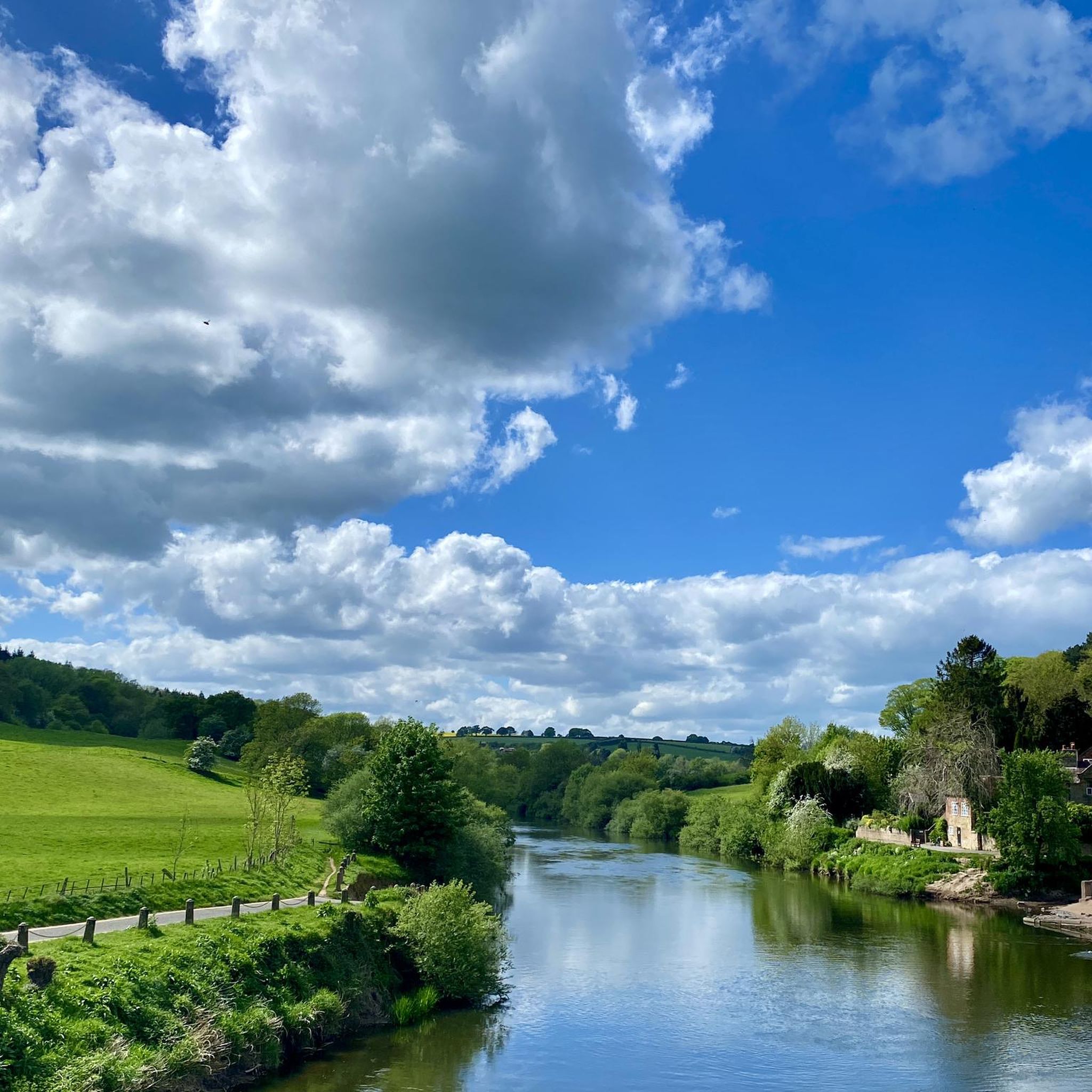
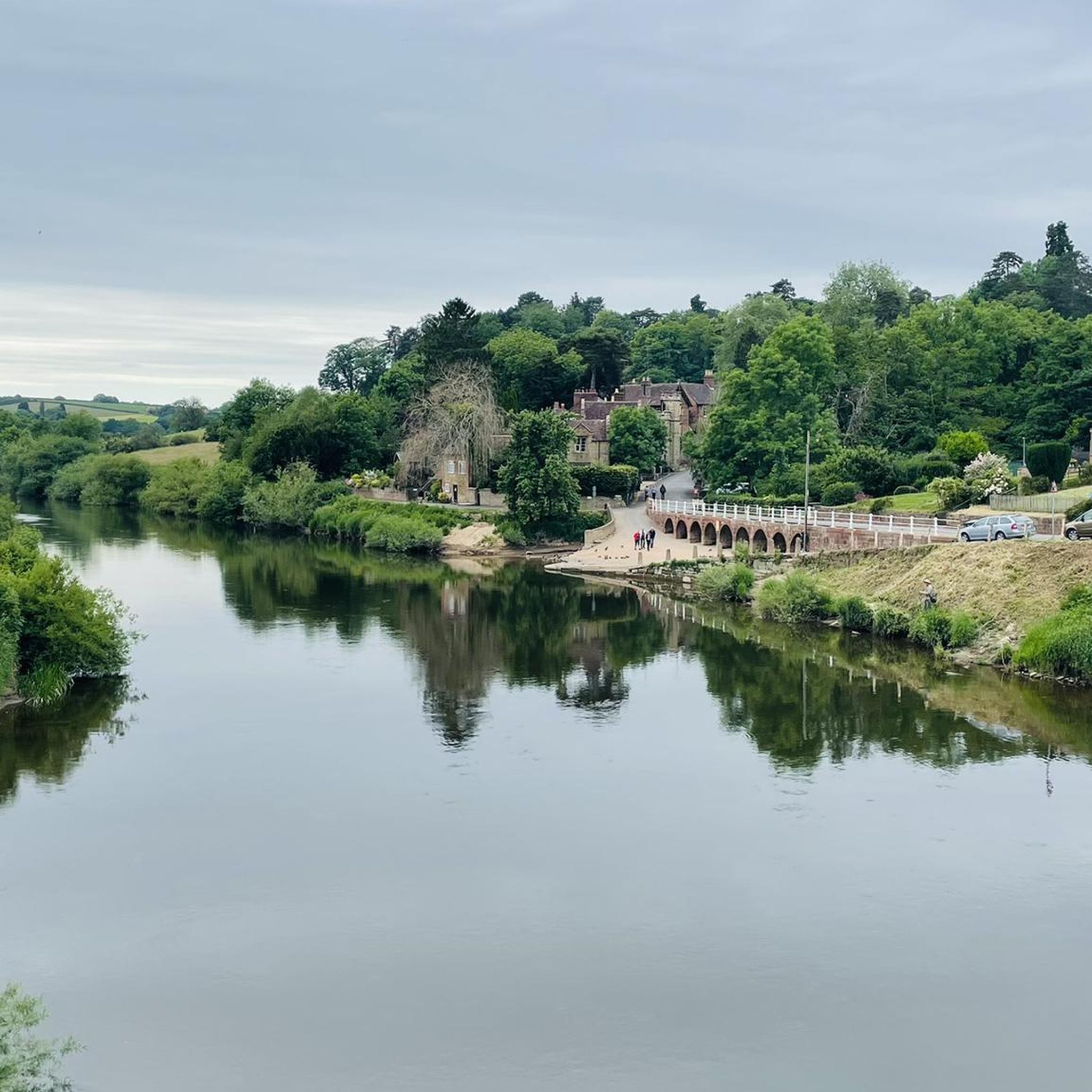
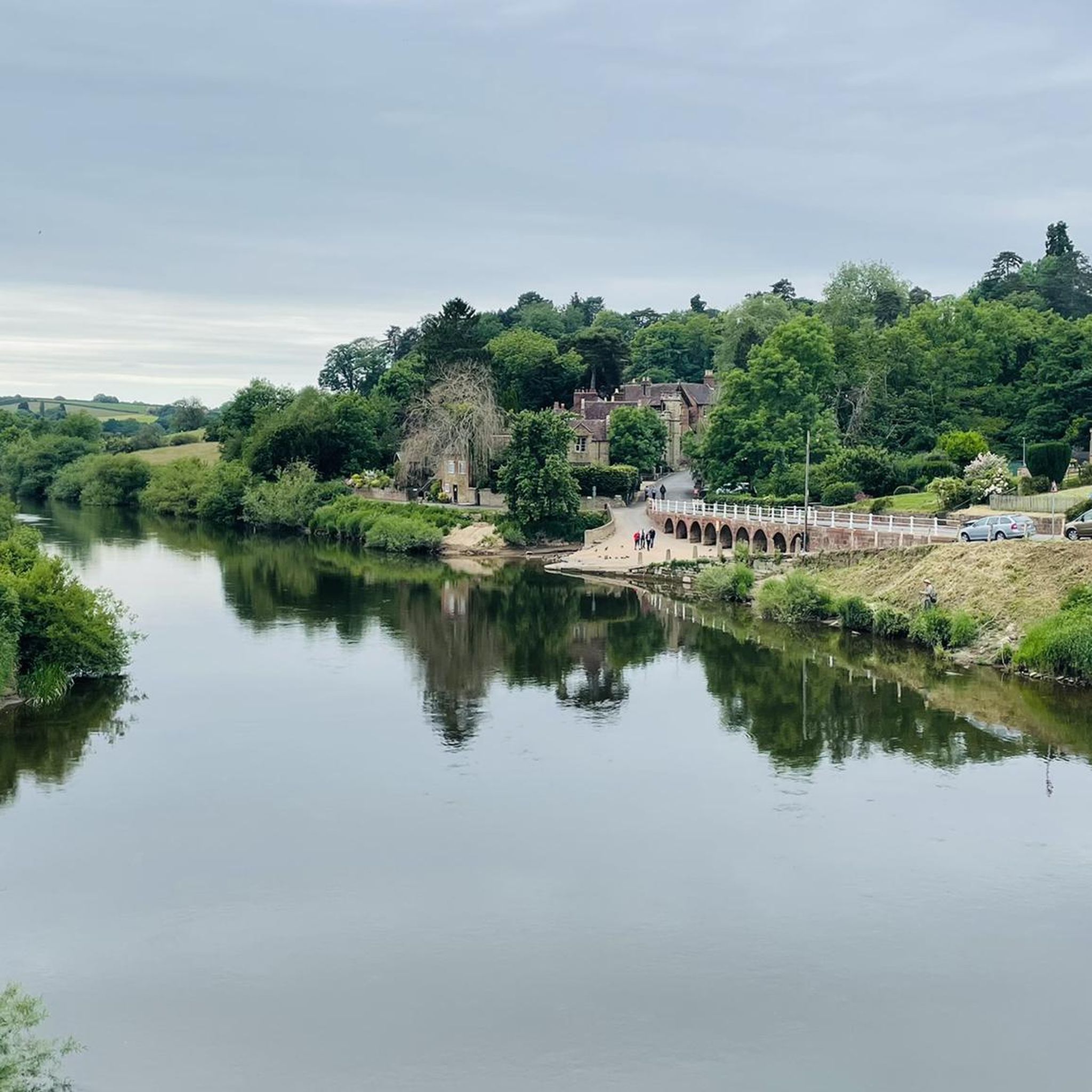

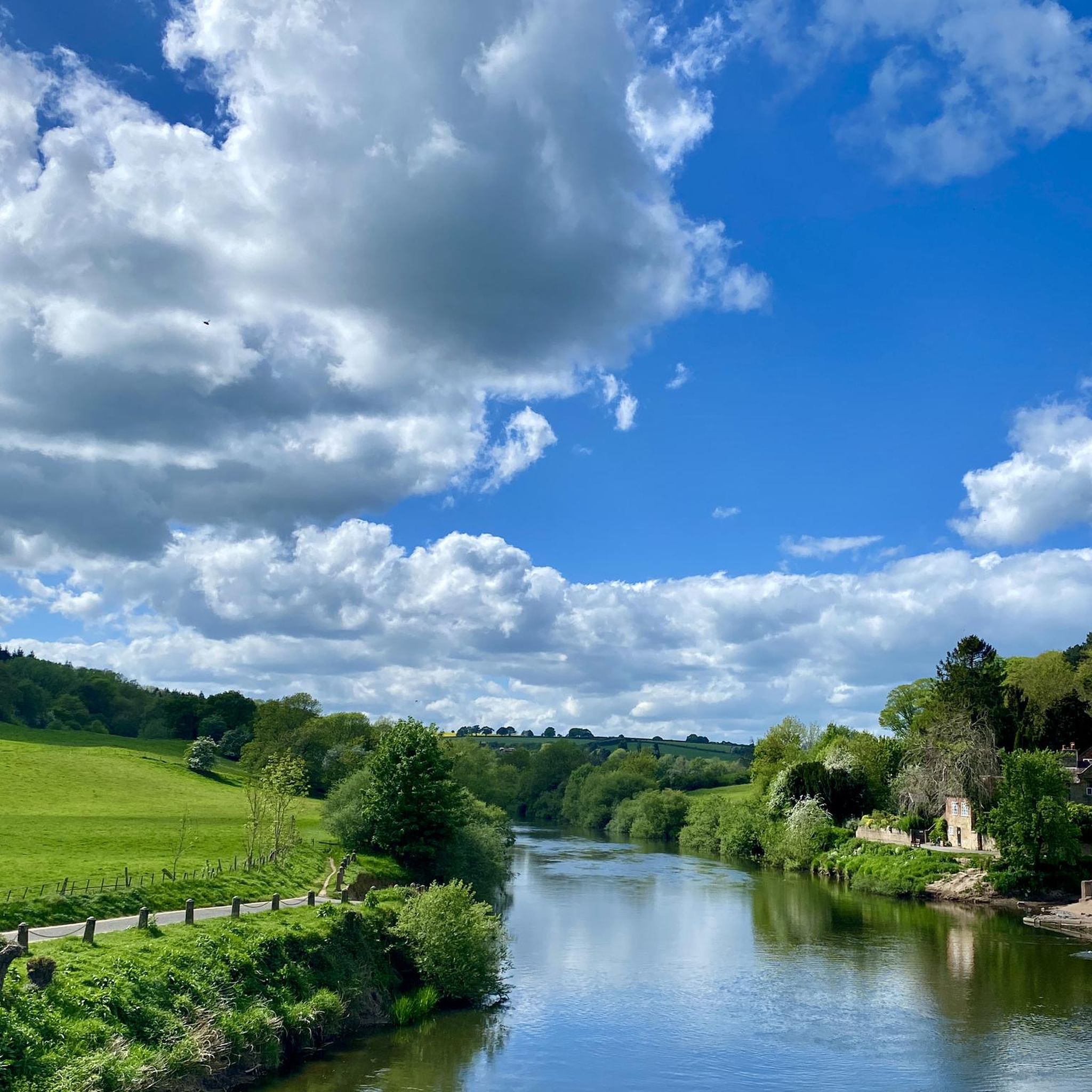
커뮤니티 팁


The Wyre Forest Beaver enclosure is worth stopping at. Can't guarantee to see any but you never know 😁
0
0


Bewdley was once an important inland port, connecting Shrewsbury with the Midlands and the seaports of Gloucester and Bristol. Originally the quays were shorter and had slipways between them. In time, as more landing space was needed, the quayside walls were joined into one continuous length. The larger boats, known as Severn Trows, carried local goods such as rope and charcoal, metal goods from Birmingham and Staffordshire pottery to the south. They returned laden with woollen cloth, wine, spirits, tobacco, sugar, spices, citrus fruit and dried fish to be sold in market towns across the West Midlands and Welsh borders. This civic space was developed when the Environment Agency built the Town's new flood defences, and incorporates work by artist Elizabeth-Jane Grose. On the lower quayside you can find flowing words relating to the river and the vessels that worked on it. On the upper quayside have a look for the 'cargo-plates' recording forty of the common and less common exports and imports to the Port of Bewdley. Source: Environment Agency
0
0
Bewdley Bridge over the Severn was built in 1798 by Thomas Telford. It was erected to replace the 1483 medieval bridge that was swept away in the floods of 1795.
0
0
Worcestershire Natural Flood Management (NFM) Project in the Wyre Forest. The aim of this project is to reduce flooding in the Dowles Brook catchment, by implementing at large number of small scale, natural interventions in upstream areas to help slow the flow of water and hold it back during times of high flows. These measures involve working on the tributaries of the Dowles Brook and could include things such as planting hedges, creating wetland areas. attenuation ponds, leaky dams, soll aeration and other land management techniques The intention is to slow the flood peak on the Dowdes so it does not coincide with the flood peak on the River Severn at Bewdley. Water moving at speed through the landscape is incredibly destructive and leads to erosion, soil loss and widespread damage, therefore slowing down the water has a wealth of positive impacts. It is the intention that many more features will be installed over the riext few years with the aim of slowing the flow throughout the catchment. If you would like more information, or are a landowner who is keen to get involved. please contact the NFM Project Officer al Worcestershire County Council. www.worcestershire.gov.uk/NFM Natural Flood Management - Leaky Dams Trees are sourced from the immediate stream side and used to build a lattice. Over time, especially in high flow, smaller woody debris accumulates naturally, and this increases the effectiveness of the leaky dam. The dars are wedged behind living tree stumps to prevent them moving or floating away, over time they bed in and naturalise as part of the landscape. Leaky dams work with nature, providing a food source and habitat for wildlife. This timber lattice allows wildlife, such as fish, to move freely upstream and downstream. Leaky dams are constructed to allow free passage of water in normal flows, and only hold water back when required during high rainfall. The backed up water is pushed out of the channel into appropriate sites upstream where silts are deposited. A single structure has little impact, but a series of leaky dams at various locations can help reduce the risk of flooding downstream. Felling by the river bank allows more sunlight to reach the watercourse and its banks. This leads to the growth of marginal vegetation, creating further food sources and habitats for wildlife.
0
0
Welcome to the Wyre Forest Butterfly Trail. This 3.5 mile trail takes 2-3 hours to complete and has been designed to introduce the amazing diversity of butterflies found in the Wyre. The Butterfly Trail now continues along the Dowles Path to Coopers Mill. The track that you have walked along from the bridge over Dowles Brook is a good area to spot the bright yellow Brimstone butterfly. The Brimstone hibernates as an adult through the winter and is often the first butterfly seen each spring. Some people believe that the insect's original name of 'butter-coloured fly' was the origin of the word 'butterfly'. It is only the male that is bright yellow in colóuration; the female is a more greenish- white and in flight might be mistaken for a Large White. The reason why the Brimstone is generally numerous here is because of the presence of several bushes of alder buckthorn between the track and the brook on which the female lays her eggs. If you look carefully during May and June you can often spot the yellow skittle-shaped eggs on the undersides of leaves and sometimes also the caterpillars which are extremely well camouflaged against the green of the leaves. The caterpillar goes through a number of skin changes. as it grows before eventually pupating away from its food-plant to emerge as an adult butterfly in late July. Brimstones can then be seen visiting flowers like teasels and thistles for several more weeks before going into hibernation to emerge the following spring. It is often regarded as Britain's longest lived butterfly with some adults surviving as long as 11 months. Only a handful of our butterflies hibernate as adults in this way, most species pass the winter as an egg, caterpillar or pupa. Consequently, their adult stage may only last for a few days but, nevertheless, long enough for courtship, pairing and egg-laying to take place to ensure the survival of the species for another year. Other species to look out for include the Comma, with a distinctive ragged edge to its wings; the Common Blue, on the wing in May and June with a second generation from July to early September (if you see a 'blue' butterfly before May then it is almost certainly a Holly Blue which is similar in size and colour but lacks the orange markings on the underside of the hindwing); and the Gatekeeper, which is generally brown in colour with orange splashes across its forewings. The Butterfly Trail now continues to Coopers Mill. Two butterflies to look out for on your return journey are the graceful and very beautiful White Admiral, which has only colonised Wyre in recent years and is still something of a rarity here; and the Speckled Wood which is on the wing for most of the summer in a series of overlapping broods and is generally found in shadier spots along the Trail.
0
0
어퍼 알리 주변에서 가장 인기 있는 명소


더 살펴보기
다른 지역의 최고의 러닝 트레일 & 경로를 살펴보세요.
