20의 로케렌가지 명소 & 주요 장소
로케렌에는 둘러볼 만한 장소가 많답니다. 하이킹 또는 사이클링을 좋아한다면 로케렌에 숨겨진 20
가지 보석을 만날 수 있을 거예요. 이 지역의 주요 명소를 살펴보면서 다음 모험을 계획해보세요.
마지막 업데이트: 8월 29, 2026


이런 장소를 발견하려면 지금 가입하세요
최고의 싱글 트랙, 봉우리 및 다양한 흥미로운 야외 장소에 대한 추천을 받아보세요.
무료 회원 가입

자전거 및 보행자 다리 "De Passerelle"
하이라이트 • 다리
The Scheldt pedestrian and cyclist bridge provides an elegant, modern crossing between the towpath and the center of Wetteren. The …
번역자 Google •
팁에 의해

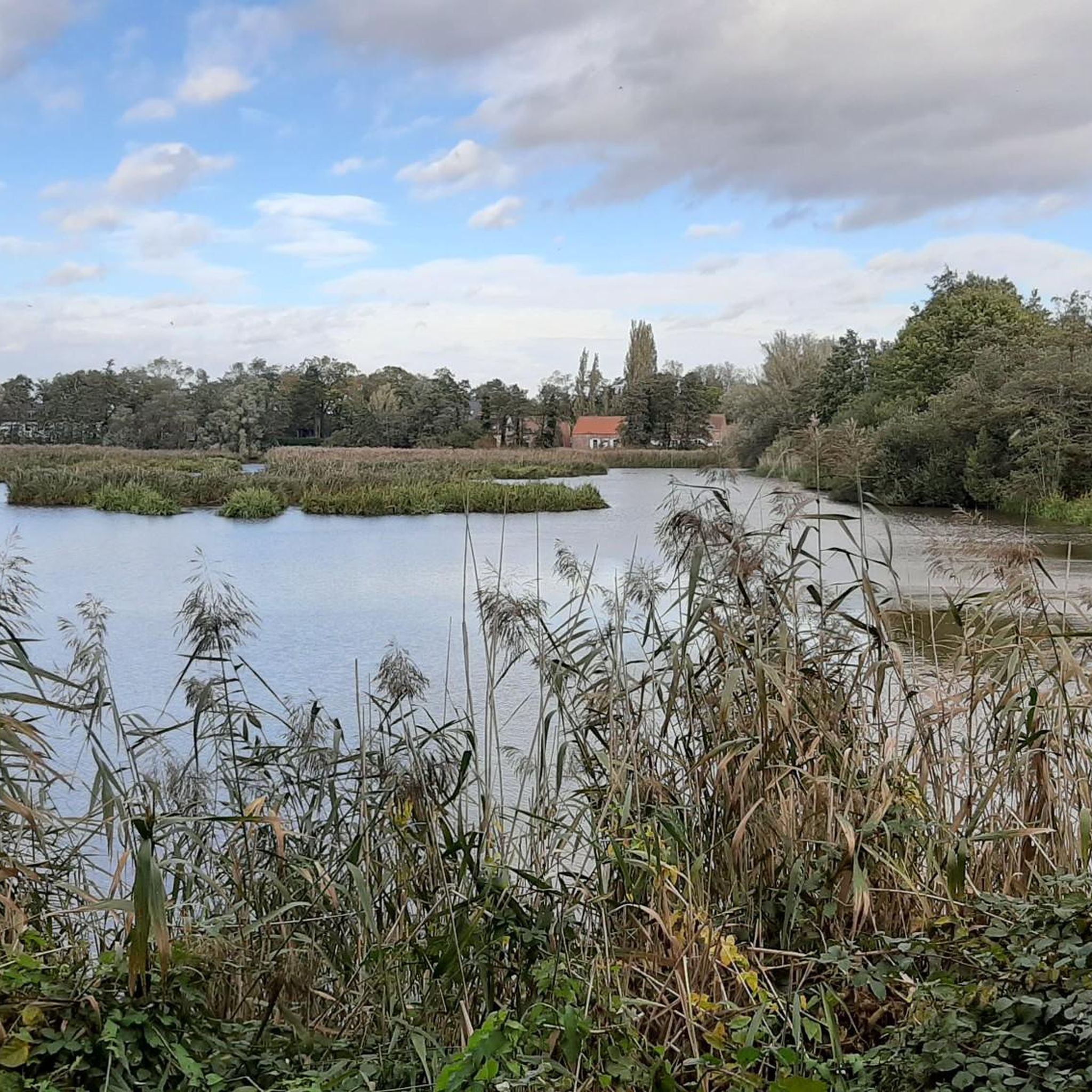
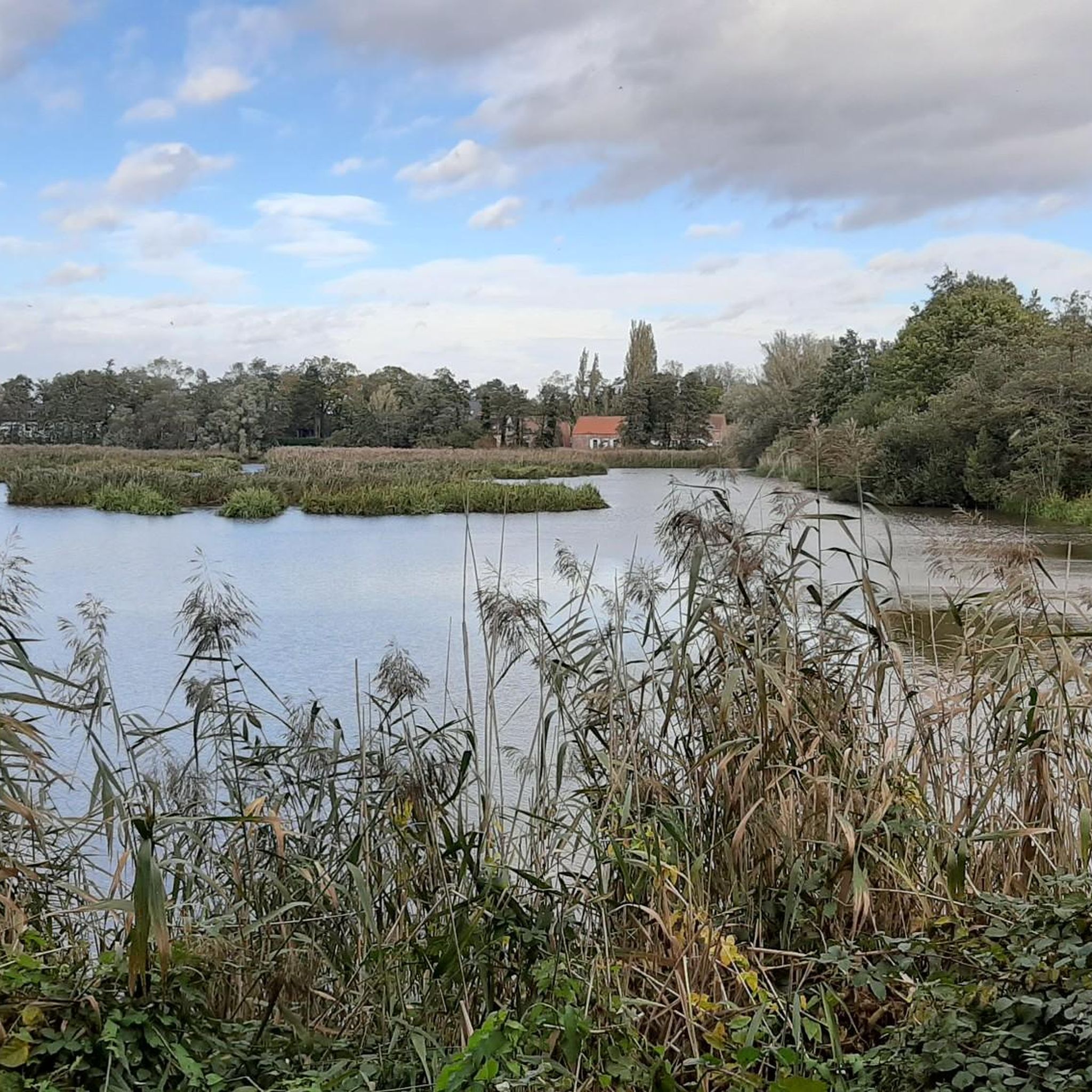
Berlare Broek의 이탄 웅덩이
하이라이트 (구간) • 호수
번역자 Google •
팁에 의해

무료로 가입하여 로케렌 주변의 더 많은 명소를 발견하세요.
무료 회원 가입
이미 komoot 계정이 있나요?
오늘 무료 계정으로 시작하세요
다음 모험이 기다리고 있어요.
로그인 또는 가입하기


커뮤니티 팁

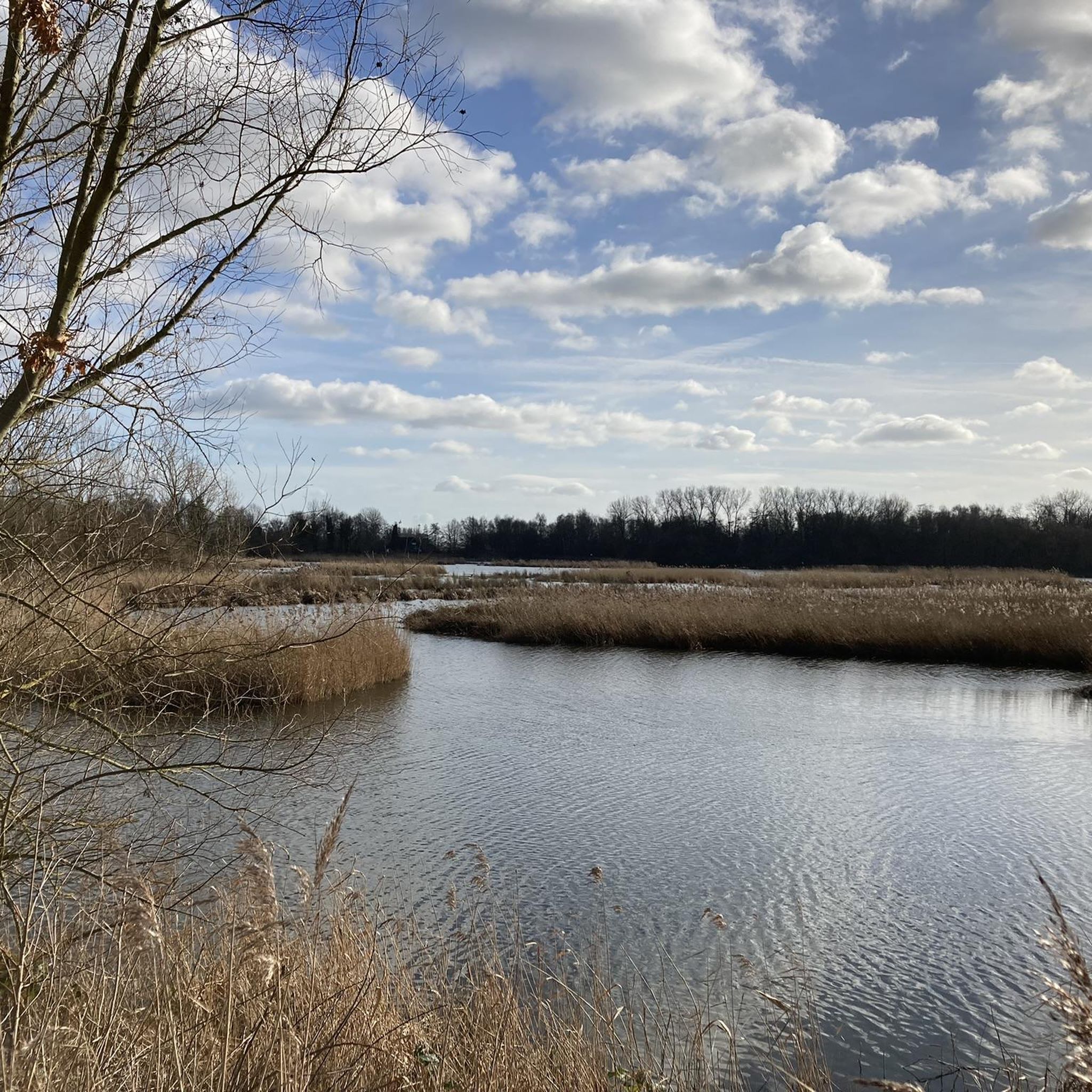
가라앉은 역사를 통과하는 하이킹베를라레 브룩의 목가적인 연못들이 사람의 손으로 만들어졌다는 것을 알고 계셨나요? 지금 당신이 지저귀는 새들과 반사되는 나무들을 즐기는 곳에서, 1686년부터 토탄 채굴자들이 귀중한 연료를 땅에서 캐내기 위해 고군분투했습니다. 이 고대의 잘린 쉘데 강 굴곡에서 그들의 힘든 작업으로 50개 이상의 연못이 생겨났습니다. 보도와 숲길을 통해 멋지게 하이킹할 수 있는 역사로 가득한 아름다운 자연의 일부입니다!
2
0

As a cyclist, you ride straight into the town hall. The Scheldt pedestrian and cyclist bridge provides an elegant, modern crossing between the towpath and the center of Wetteren. The wide ramps eliminate the need for the old footbridge and stairs, giving the bridge a flowing, accessible line. From the highest point, you have an unobstructed view of the Scheldt, the dikes, and the green river plain.
6
0
Where cyclists and pedestrians can reach the other side without getting wet.
4
2

Cycle bridge with a gentle slope to go to the city center. The ramp leads directly to the city center at a slightly higher elevation.
1
0

Beautiful piece of bridge that connects the towpath with the rest of the village centre
2
0


Nice to walk through with water on both sides.
14
1

로케렌 주변에서 가장 인기 있는 명소


더 살펴보기
찾고 있는 하이라이트를 아직 못 찾으셨나요? 다른 지역의 주요 명소 가이드를 확인해보세요:
