20의 모다베가지 명소 & 주요 장소
모다베에는 둘러볼 만한 장소가 많답니다. 하이킹 또는 사이클링을 좋아한다면 모다베에 숨겨진 20
가지 보석을 만날 수 있을 거예요. 이 지역의 주요 명소를 살펴보면서 다음 모험을 계획해보세요.
마지막 업데이트: 10월 9, 2026
모다브 성
하이라이트 • 성
번역자 Google •
팁에 의해


이런 장소를 발견하려면 지금 가입하세요
최고의 싱글 트랙, 봉우리 및 다양한 흥미로운 야외 장소에 대한 추천을 받아보세요.

솔리에르 계곡의 로마 다리
하이라이트 • 다리
lavenir.net/regions/huy-waremme/huy/2024/06/24/le-pont-romain-de-la-vallee-de-la-solieres-a-huy-sera-renove-au-mois-daout-prochain-EXXPVTKHOFH7FHICRIIAIXB3YU
번역자 Google •
팁에 의해





커뮤니티 팁

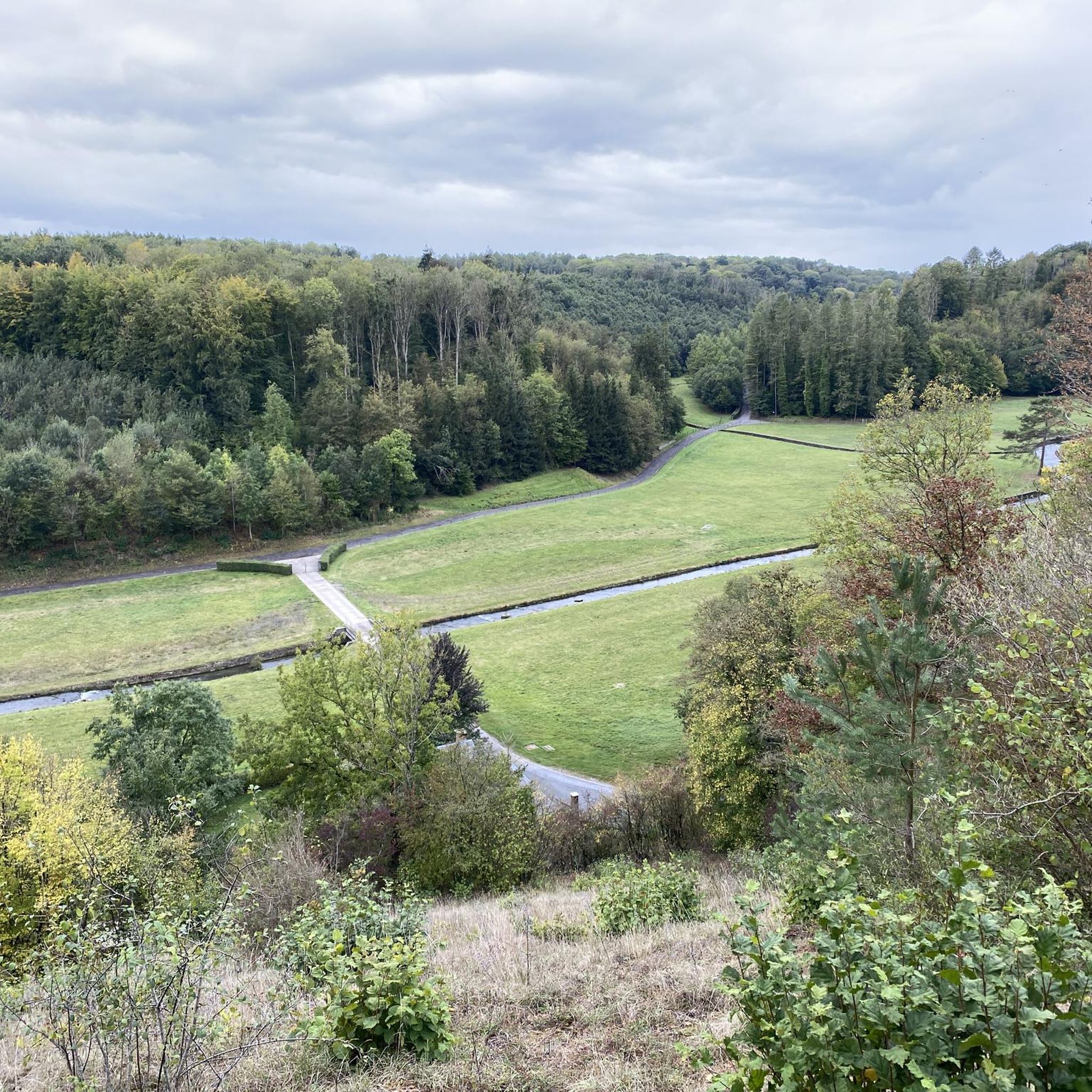
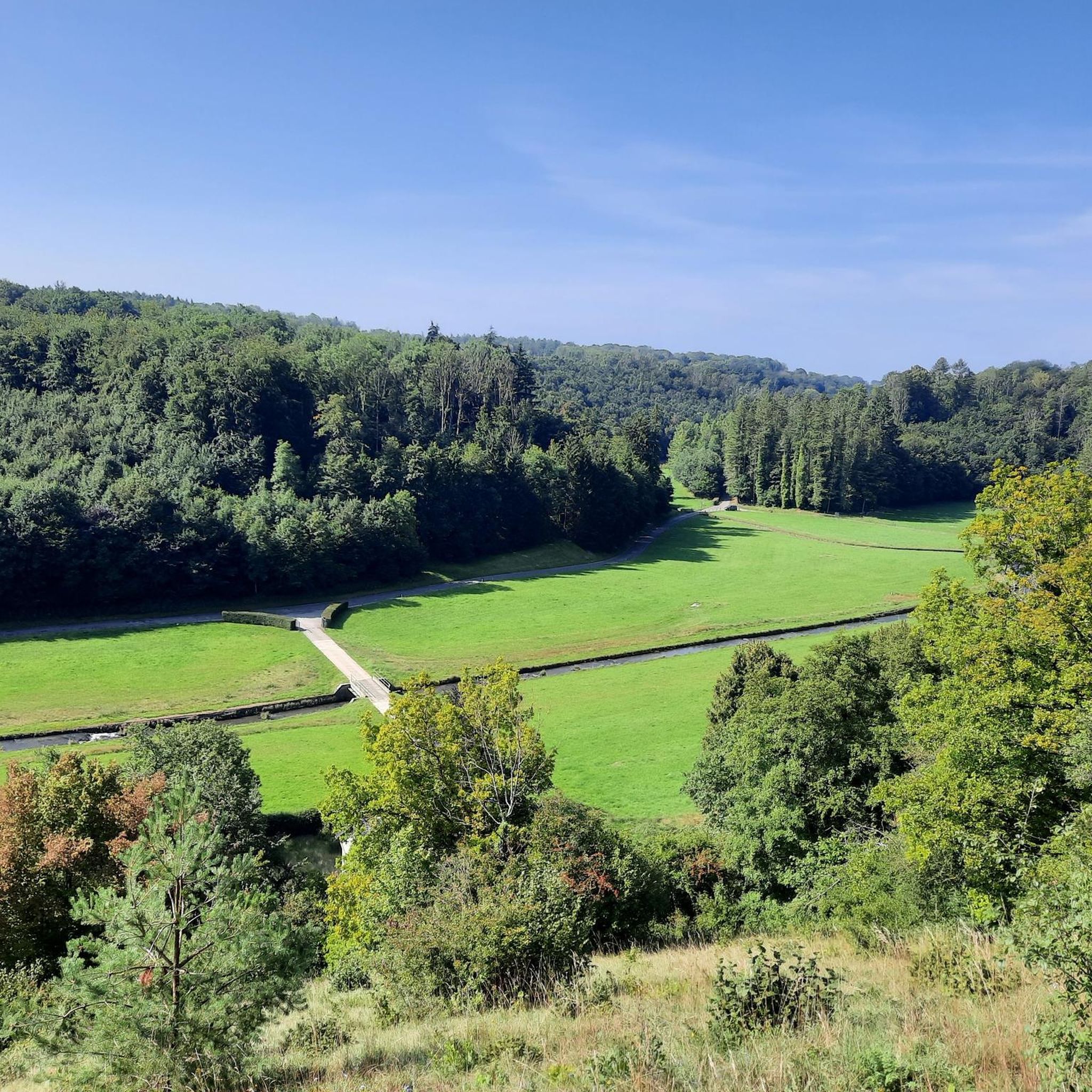
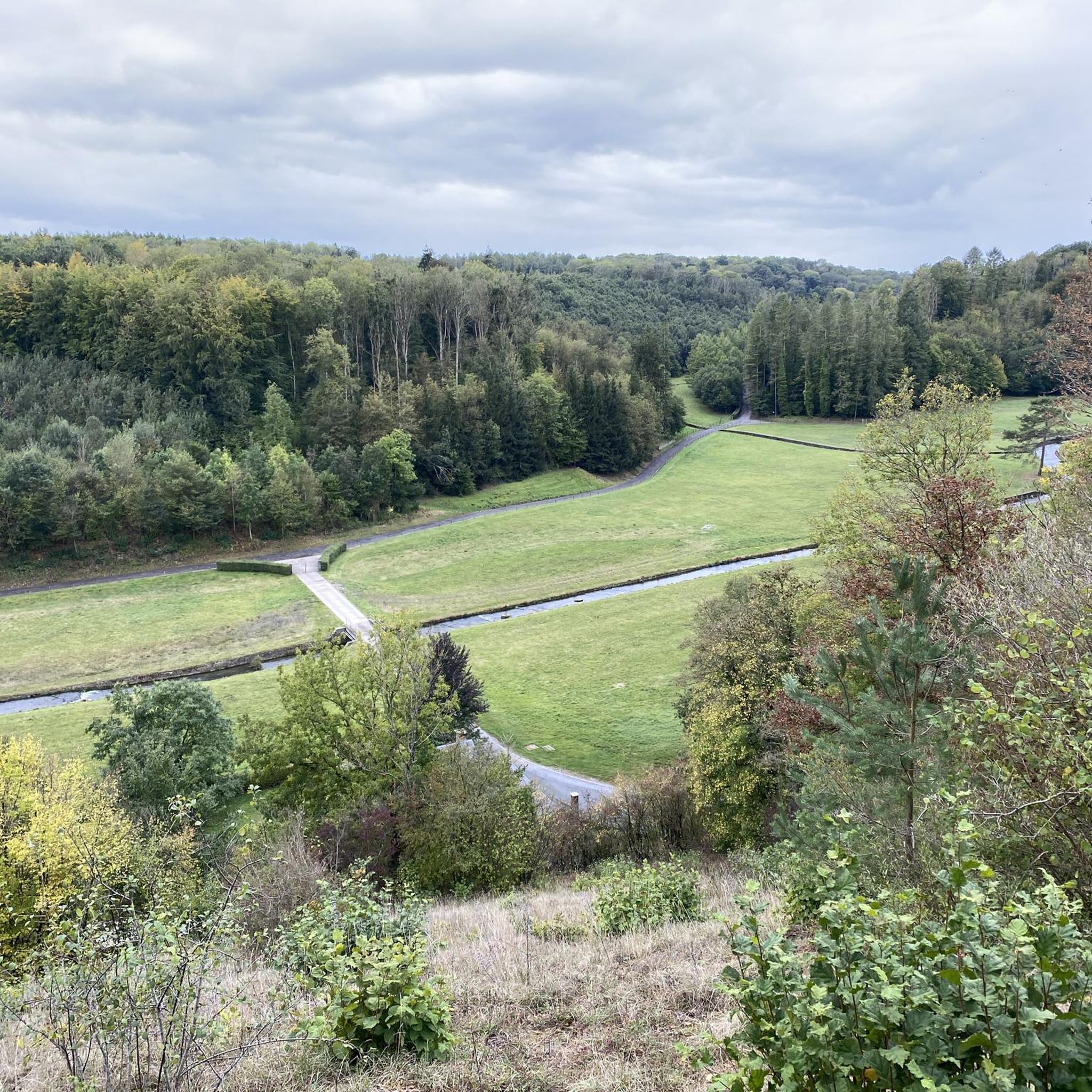
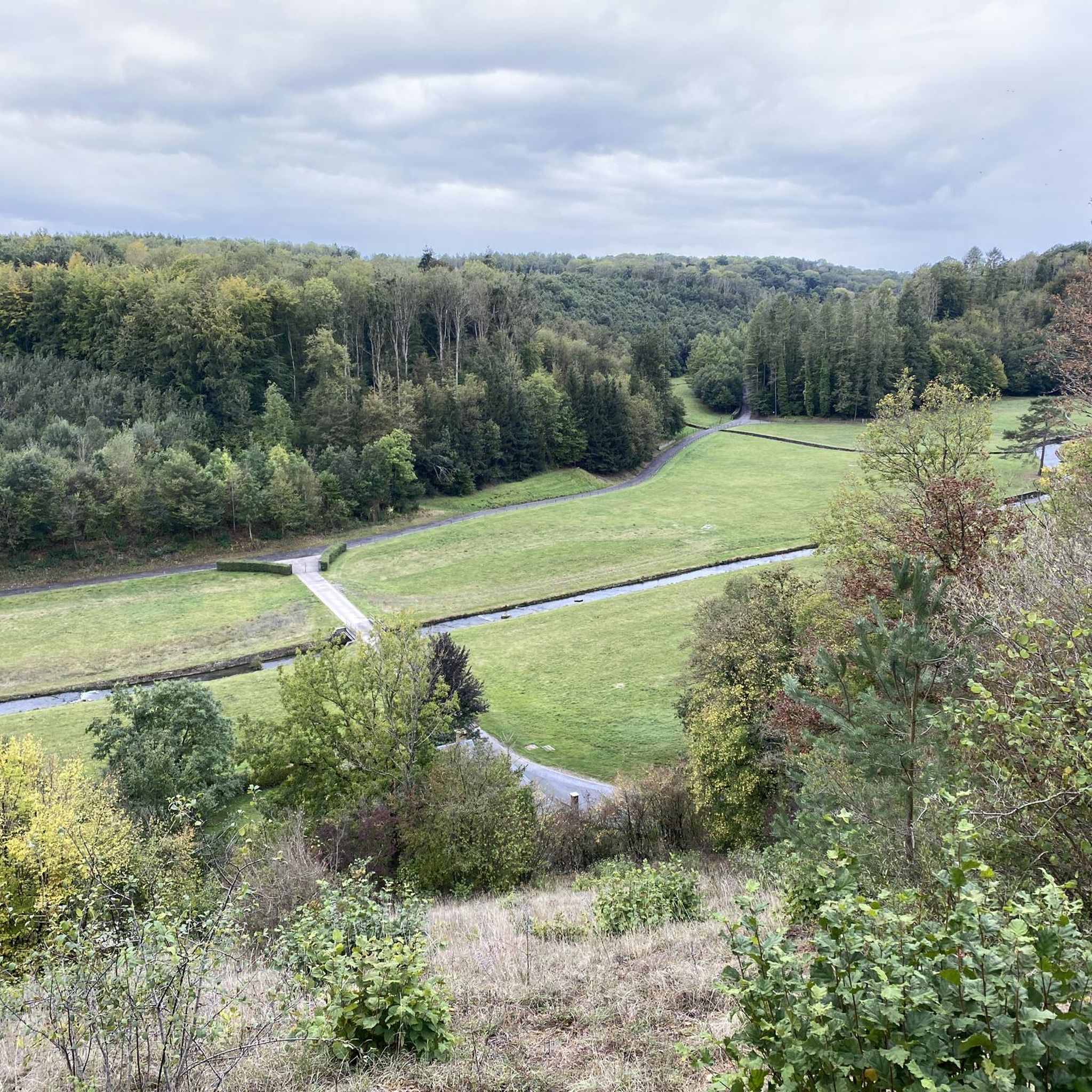
다리는 의심할 여지 없이 로마 시대부터 존재했지만 정확히 얼마나 오래되었는지는 불분명합니다. 어쨌든, 시간의 흐름에 따라 상당히 쇠퇴할 만큼 오래되었습니다. 1998년에 Huy Verte 비영리 단체에 의해 복원되었습니다. 2015년에 이 하이킹 트레일 애호가들은 다리가 계속 악화되고 보강을 위해 아무 조치도 취하지 않으면 개울로 무너질 위험이 있다고 다시 경고했습니다. 오랜 설득 끝에 시 당국은 마침내 설득되었습니다. 그들은 먼저 Greisch 회사(Ben-Ahin의 Maas 강 위의 큰 Pater-Pire 다리도 설계한 회사)에 안정성 연구를 의뢰했습니다. 2024년 8월에 공사가 마침내 시작되었으므로, 등산객은 다시 안전하고 안심하고 건널 수 있습니다. 출처: lavenir.be
2
0
Excavations are conducted year-round at Moha Castle, making it unique in Belgium. When I visited, two archaeologists were uncovering a wall that runs beneath the visible castle and likely dates back to the 12th century.
2
0
The castle is free to visit. At the foot of the rock, there's a visitor center where you can pick up a badge to open the gate. For €4, you can also get a brochure with information about the most important points. The castle is only open to visitors starting in April, but the friendly man at the visitor center let me in on February 27th... as far as you can even call it "inside" at this ruin ;-)
2
0

The exact origins of the medieval County of Moha remain unknown. It is likely that the county was formed during the fragmentation of the Carolingian Empire and the Hesbaye region at the end of the 9th century. The first known count, Albert of Moha, is mentioned in a document dated 1026 or 1028. The first defensive stone walls also date from the first half of the 11th century. Having no male heir, Albert of Moha married his daughter to Henry I of Dasbourg around 1050, thus linking the county's destiny to that of this powerful family of Alsatian origin. Initially, it is highly unlikely that the Counts of Dasbourg regularly resided in Moha, entrusting the county's administration to trusted men and a small garrison. However, the situation changed with Hugh II (1130-1180) and his son Albert II (d. 1212), who decided to become more involved in the region's politics. Albert II, in particular, chose to align his interests with those of his nephew, Duke Henry I of Brabant, whose policies he would follow until the end of the 12th century. In 1204, Count Albert III, having lost hope of having a son, chose the Prince-Bishop of Liège as his heir. But the late birth of his daughter Gertrude would jeopardize these agreements. Quickly betrothed to Thibaut of Lorraine, who died in 1219, she then married Thibaut of Champagne, who repudiated her, and subsequently Simon of Linange. At 19, she died childless. On March 19, 1225, the Prince-Bishop of Liège, Hugues de Pierrepont, took possession of Moha. Under the Prince-Bishops, Moha became a prison for political prisoners and a fortification tasked with controlling the city of Huy and blockading merchants. This policy was deeply unpopular and led to reprisals: the people of Huy besieged Moha in 1255. The fortress of Moha was considered impregnable. It was therefore through trickery that the people of Huy, taking advantage of a request for a truce, seized the castle on May 6, 1376. After the attack on the castle, the site's history is largely unknown. Mass is still celebrated twice a year in the castle chapel. During the 18th century, the ruins served as a refuge for a hermit. The castle's stones were gradually plundered, notably to build the surrounding houses. In 1889, the ruins of the castle were purchased by the Belgian state. Source: https://chateaumoha.be/histoire
6
0

The "Rocher du Château de Moha" is a limestone outcrop rising from the Mehaigne valley. It was a strategically important site in the Middle Ages, when more castles were built on rocks. This made the site difficult to besiege, and it was well-placed as a control point over the valley. The rock is very recognizable in the landscape. The ruins on the rock are still clearly visible, and the medieval structures are still easily recognizable.
7
0
An important tributary of the Meuse, with a fast current, historically important for the water pumping stations near Modave, and forms a beautiful natural area with hiking opportunities.
1
0
The Château de Moha is a medieval feudal castle in Wanze, built on a rock at the confluence of the Mehaigne and Fosseroule rivers. Dating back to the 7th century, the castle served as a defense for the region. It became the property of the Prince-Bishops of Liège, who used it as a fortress and prison. In 1376, the castle was captured by the inhabitants of Huy through deception, marking the end of its military function. The castle subsequently fell into disrepair, but the ruins have been preserved and are open to the public.
7
0
This very old bridge has recently been renovated. https://www.lavenir.net/regions/huy-waremme/huy/2024/06/24/le-pont-romain-de-la-vallee-de-la-solieres-a-huy-sera-renove-au-mois-daout-prochain-EXXPVTKHOFH7FHICRIIAIXB3YU/
7
0
모다베 주변에서 가장 인기 있는 명소


더 살펴보기
찾고 있는 하이라이트를 아직 못 찾으셨나요? 다른 지역의 주요 명소 가이드를 확인해보세요:
