헤르베 최고의 워킹 & 하이킹 경로
4.4
(2431)
9,767
등산객
352
하이킹
정확한 경로를 찾는 것이 때로는 어렵지만 헤르베에서 하이킹을 하면 다양한 경치를 마음껏 감상할 수 있답니다. 헤르베에서 가장 멋진 하이킹과 워킹 중에서 마음에 드는 활동을 시작해보세요.
마지막 업데이트: 10월 20, 2026
4.7
(176)
673
등산객
9.90km
02:46
190m
190m
보통 하이킹. 좋은 체력 필요. 실력과 관계없이 누구나 쉽게 갈 수 있는 길.
4.7
(267)
978
등산객
13.1km
03:38
230m
240m
보통 하이킹. 좋은 체력 필요. 실력과 관계없이 누구나 쉽게 갈 수 있는 길.

4.7
(86)
254
등산객
15.2km
04:12
270m
270m
보통 하이킹. 좋은 체력 필요. 실력과 관계없이 누구나 쉽게 갈 수 있는 길.
4.6
(43)
205
등산객
12.4km
03:29
260m
260m
보통 하이킹. 좋은 체력 필요. 실력과 관계없이 누구나 쉽게 갈 수 있는 길.
4.6
(46)
215
등산객
14.2km
04:02
330m
330m
보통 하이킹. 좋은 체력 필요. 실력과 관계없이 누구나 쉽게 갈 수 있는 길.
더 다양한 경로와 다른 탐험가들의 추천을 살펴보세요.
이미 komoot 계정이 있나요?
투어 추천은 다른 사람들이 komoot에서 완료한 수천 개의 활동을 바탕으로 구성되어 있습니다.
오늘 무료 계정으로 시작하세요
다음 모험이 기다리고 있어요.

커뮤니티 팁


In the small Walloon village of Saint-Jean-Sart, part of the municipality of Aubel and located near the famous Abbaye de Val-Dieu, you'll find an old traditional spring of great historical importance to the local population. Often referred to in French as Fontaine de Saint-Jean-Sart, this spring is more than just a water source. For centuries, it was where villagers drew their drinking water directly from the ground, forming a tangible link to village life in the past. The spring is located at 9 Rue de Lammerschot in Saint-Jean-Sart, a quiet street in this rural village in the province of Liège, Belgium. It is a natural outflow from the ground, where clean spring water emerges, a fact that was of great practical importance to residents before modern water supply systems existed. Today, many locals still use the spring to fill bottles with spring water. On the stones of the spring or near it, there is often an inscription or reference to the history of the village, first mentioned in sources around 1216. This demonstrates how long Saint-Jean-Sart has had a community around this spring and its church. Saint-Jean-Sart is a small village whose history is closely linked to that of Val-Dieu Abbey. The village was already mentioned in documents around the beginning of the 13th century, and the presence of a spring like this played a role in its development as a settlement. The inscription you can see at the spring, "j'ai vu naître Saint Jean-Sart 1216," symbolically emphasizes that the village was born in that year and that the spring played a central role there from the beginning. The second reason this spring is remarkable is that such public springs were once essential for daily needs, such as drinking, cooking, livestock, and other agricultural tasks. In a time without piped water or municipal water supplies, this spring served as a local meeting and living place.
0
0
A church is much more than just a building because it's a place where history, faith, architecture, and community converge. For centuries, churches have been the heart of villages and towns. Often the oldest buildings in the area, they serve as landmarks in the landscape, visible from afar thanks to their steeple or robust walls. Architecturally, churches tell the story of their time. From austere Romanesque styles with thick walls and small windows to Gothic churches with high, pointed arches and colorful stained-glass windows that let light in almost magically. Every stone arch and niche has a function and symbolism, often aimed at lifting the gaze upward, both literally and figuratively. But a church is more than just a religious symbol. It is also a place of gathering where people have gathered throughout the centuries for joyful moments such as weddings and baptisms, but also for silence and mourning. Even for those who are not religious, a church often exudes peace, contemplation, and timelessness. The silence within contrasts with the world outside and invites slowing down and reflection.
2
0

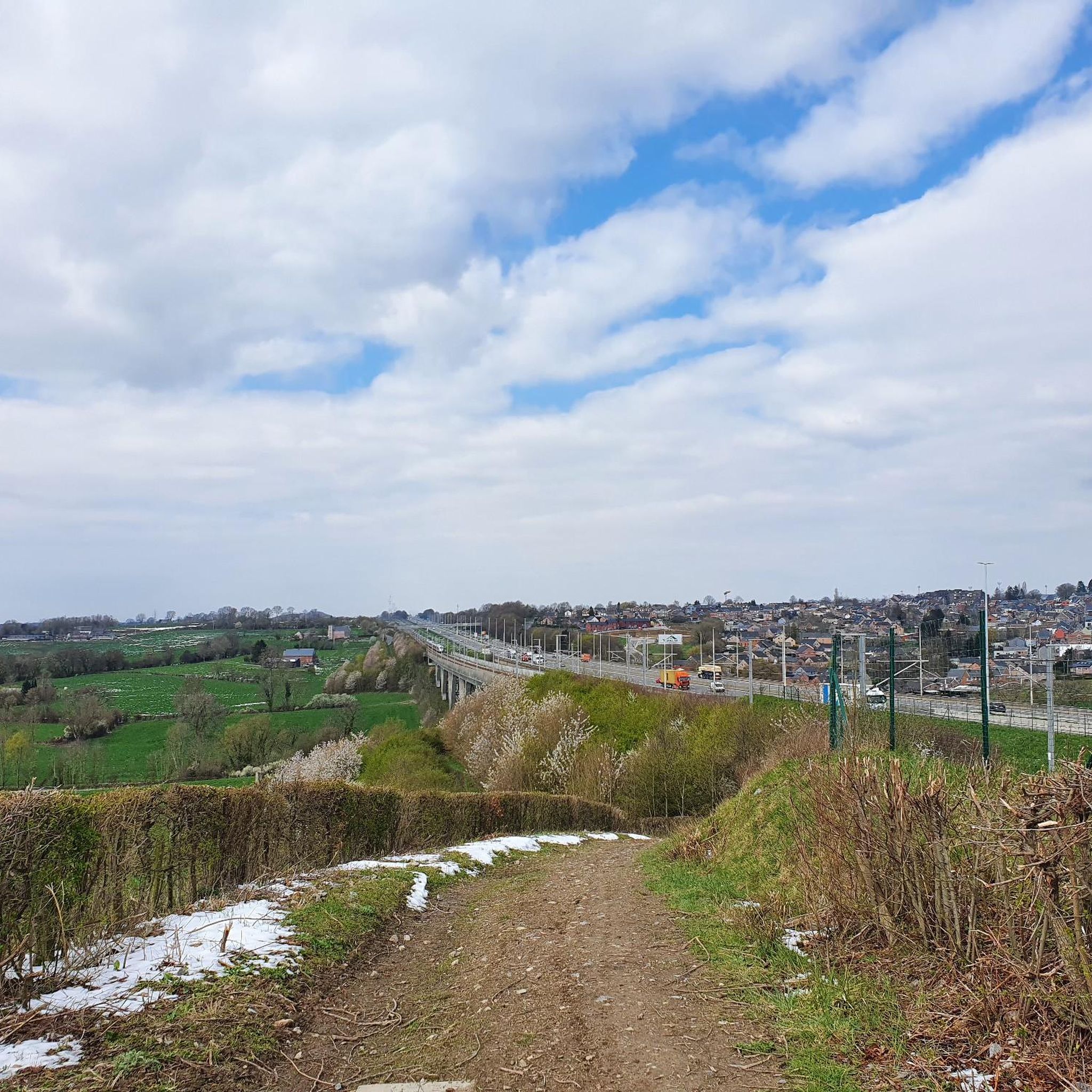
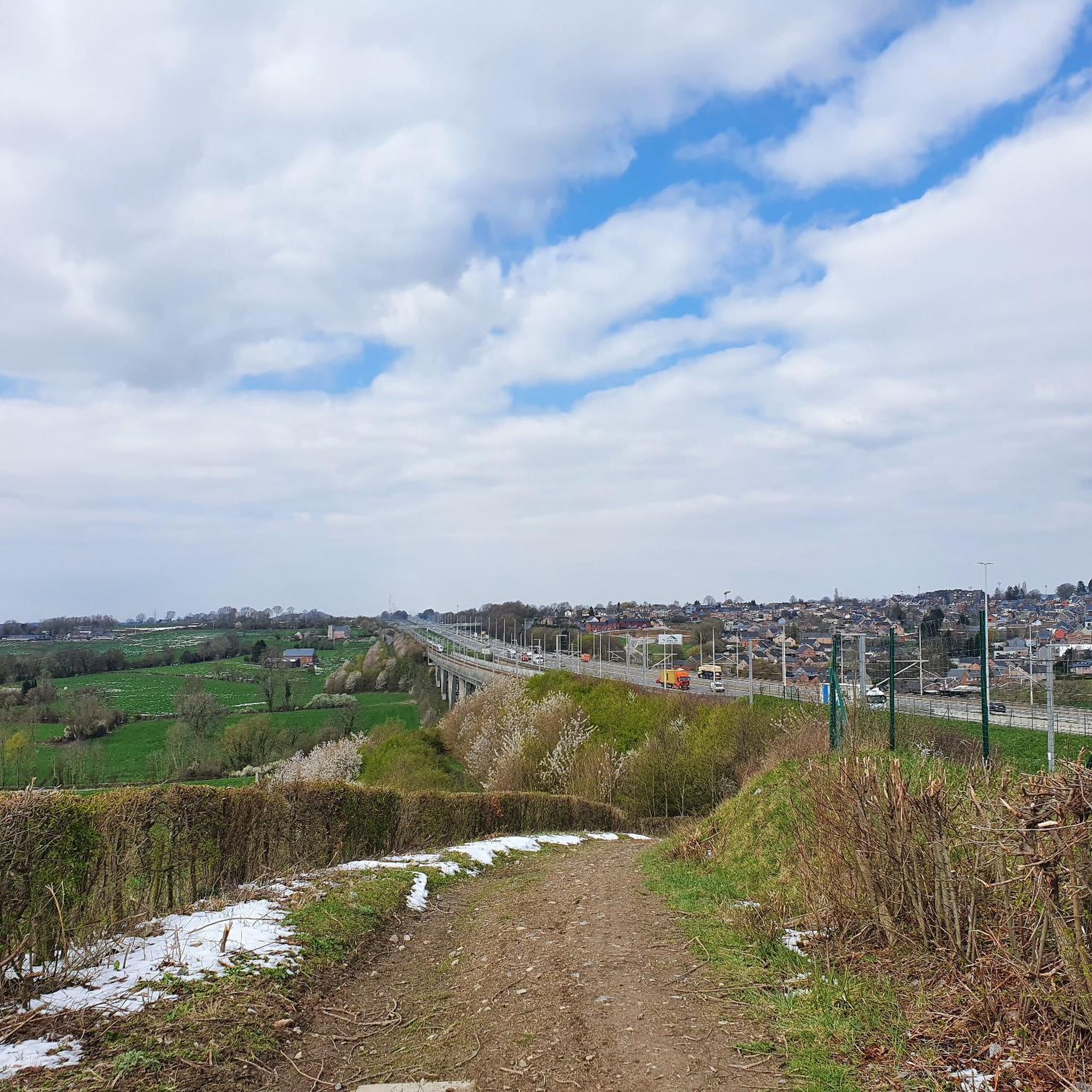
...or if you come from Aubel, beautiful view into the valley.
12
0
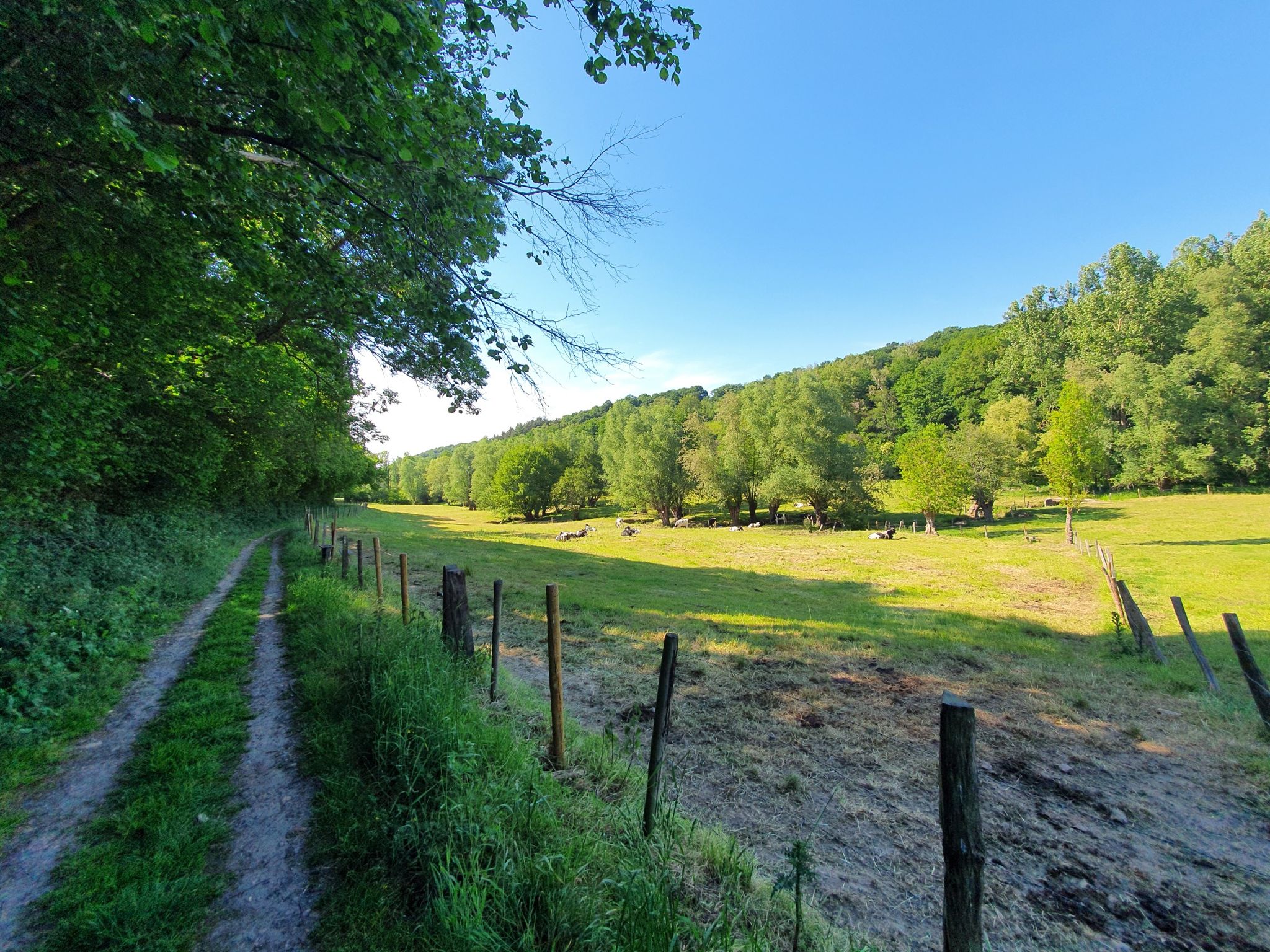
In landscape architecture or spatial planning, a coulisse landscape refers to a landscape with alternating open and closed spaces, often created by hedges, rows of trees, or buildings. It resembles a stage with varying sightlines.
12
0
헤르베 주변에서 가장 인기 있는 명소


더 살펴보기
다른 지역의 최고의 하이킹를 살펴보세요.
