자가리세 최고의 라이딩 경로
4.7
(68)
337
자전거 타는 사람
38
라이딩
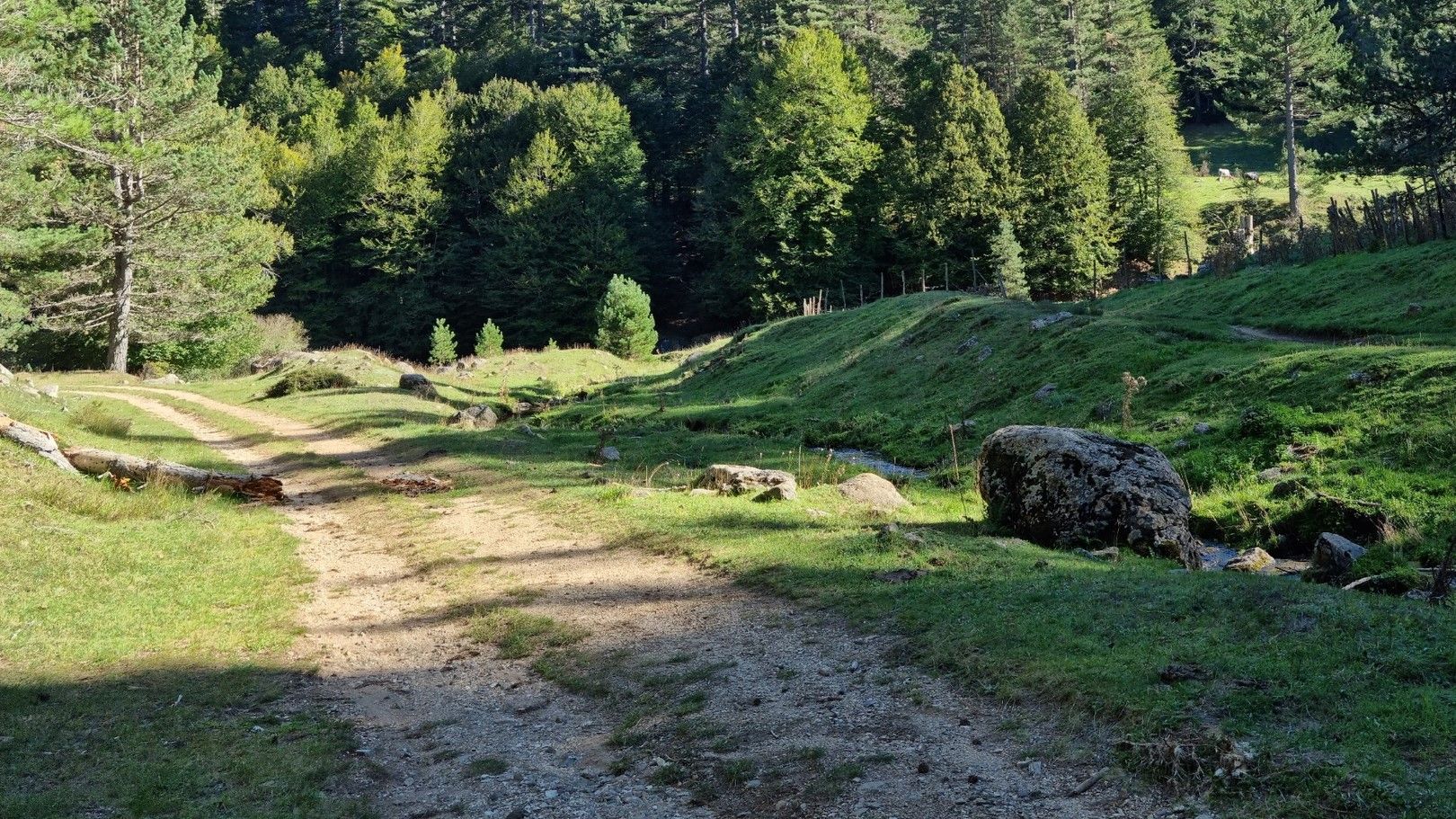
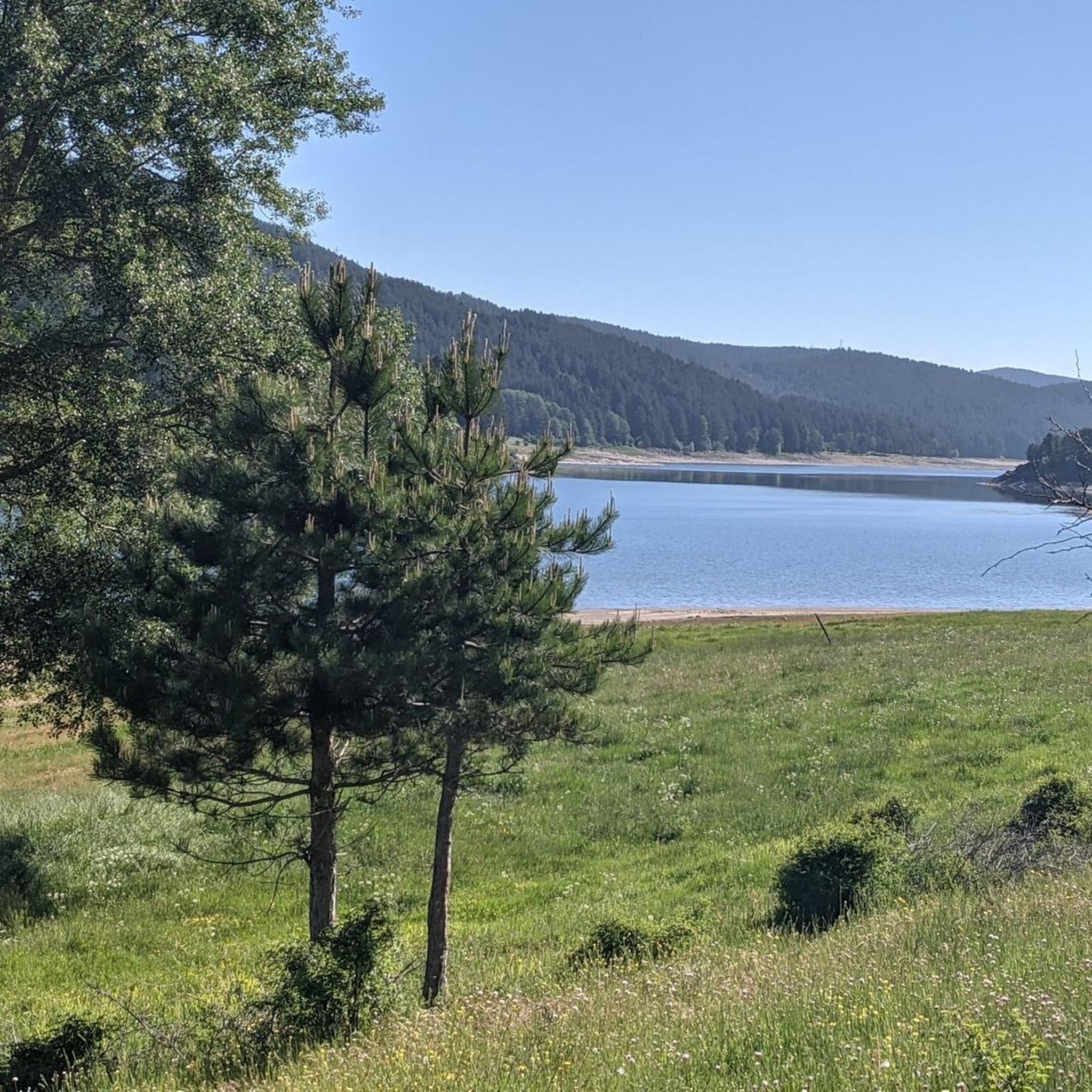
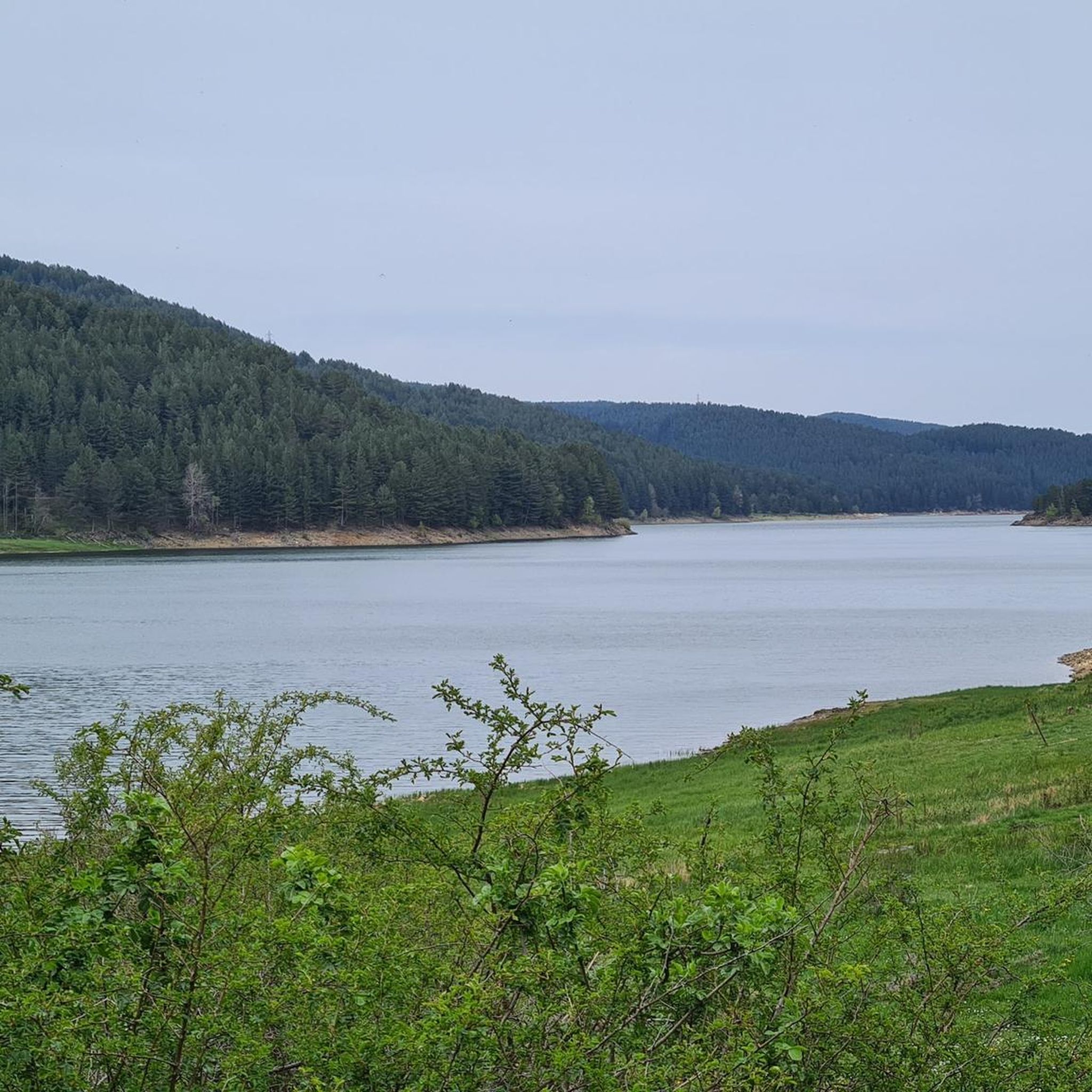
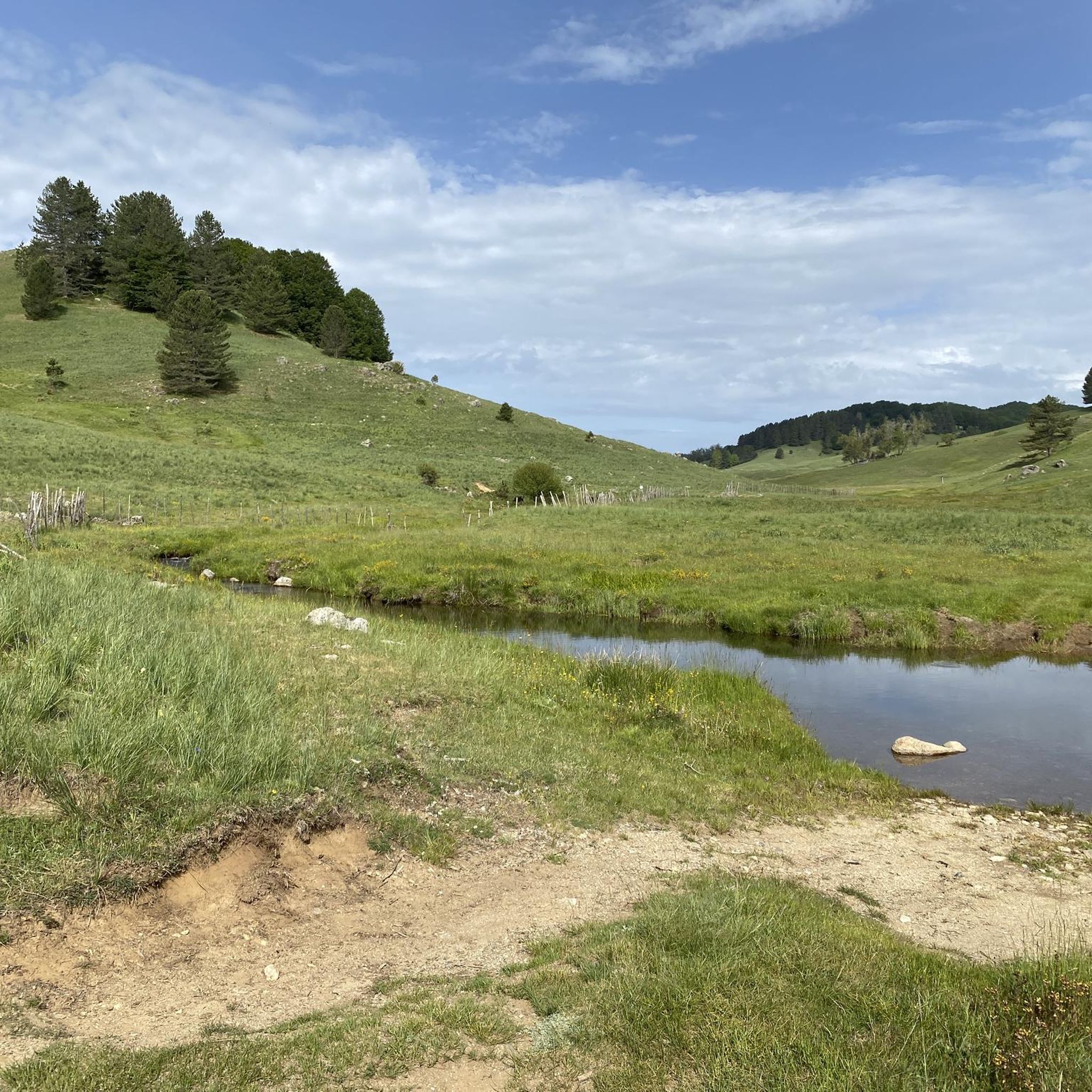
Zagarise 주변의 로드 사이클링은 Sila Piccola 산맥 내의 산악 지형이 특징이며, Sila 국립공원으로 가는 관문 역할을 합니다. 이 지역은 울창한 숲과 올리브 과수원을 구불구불 지나가는 상당한 고도 변화가 있는 코스를 제공합니다. 사이클리스트들은 높은 고도에서 이오니아해와 티레니아해를 모두 가로지르는 파노라마 전망을 경험할 수 있습니다. 이 다양한 지형은 다채롭고 매력적인 로드 사이클링 경험을 제공합니다.
Zagarise 주변 최고의 로드 사이클링 코스
- 가장 인기 있는 로드 사이클링 코스는 해안 전망 – Simeri Crichi에서 출발하는 Zagarise에서 Sersale까지의 로드 루프로, 53.9km(33.5마일) 길이이며 완료하는 데 2시간…
마지막 업데이트: 10월 21, 2026
15
자전거 타는 사람
54.2km
02:59
1,090m
1,090m
어려운 도로 자전거 타기. 우수한 체력 필요. 투어 중 라이딩하기 어려운 비포장 구간이 있을 수 있음.
5.0
(1)
16
자전거 타는 사람
59.7km
03:03
950m
950m
어려운 도로 자전거 타기. 우수한 체력 필요. 지면 대부분이 잘 포장되어 있고 라이딩하기 쉬움.

9
자전거 타는 사람
81.5km
04:15
1,460m
1,460m
어려운 도로 자전거 타기. 우수한 체력 필요. 투어 중 라이딩하기 어려운 비포장 구간이 있을 수 있음.
4.0
(1)
13
자전거 타는 사람
85.1km
04:30
1,320m
1,320m
어려운 도로 자전거 타기. 우수한 체력 필요. 지면 대부분이 잘 포장되어 있고 라이딩하기 쉬움.
12
자전거 타는 사람
66.8km
03:28
1,150m
1,150m
어려운 도로 자전거 타기. 우수한 체력 필요. 지면 대부분이 잘 포장되어 있고 라이딩하기 쉬움.
더 다양한 경로와 다른 탐험가들의 추천을 살펴보세요.
이미 komoot 계정이 있나요?
투어 추천은 다른 사람들이 komoot에서 완료한 수천 개의 활동을 바탕으로 구성되어 있습니다.
오늘 무료 계정으로 시작하세요
다음 모험이 기다리고 있어요.


커뮤니티 팁


Montepaone Lido: Picture-Perfect Sea and Beaches What's the sea like in Montepaone? The Montepaone Lido coastline boasts clear waters and sandy bottoms, ideal for swimmers and snorkelers. The expansive, well-maintained beach offers both the freedom of a public beach and the amenities of well-equipped beach clubs. Montepaone Beach Clubs Among the best options for enjoying the sea in complete relaxation are the numerous beach clubs offering services such as sun umbrellas, loungers, and restaurants serving traditional cuisine. The presence of bars and restaurants along the beach also makes Montepaone Lido a perfect destination for an aperitif with a sea view. If you're planning a trip to Calabria, Montepaone is the perfect place to discover the region's most authentic and relaxing side. Text / Source: Rada Siri, Via Nazionale, 249 88060 Montepaone Lido (Catanzaro) Calabria https://radasiri.it/en/montepaone-3/
14
0
The Norman Castle of Squillace The Castle of Squillace dominates the village from the highest point of the hill. It was built by the Normans in the second half of the 11th century, at the end of their campaign to conquer Calabria against the Byzantines, who had occupied the region and southern Italy in general for over five centuries. During the Norman period, Squillace was the most important administrative, political, and religious stronghold on the Ionian coast. It was here that Ruggero d'Altavilla donated the lands where the Charterhouse of Serra San Bruno was built to San Bruno di Colonia. The Norman period was certainly the most important for Squillace, which experienced a period of great political-administrative, economic, and religious fervor. The early 13th century is fundamental to the history of Squillace: during this period, the settlement was first enfeoffed under a count and under the rule of a castellan. Under Frederick II, to whom we probably owe the construction of the polygonal tower on the eastern side of the enclosure, the Castrum Squillacii was held by a castellanus non habens terram and ten servients. The situation appears to have been the same in the Angevin era. From 1256 onwards, the castle was occupied by various families: the Lancia, the Monfort, the Del Balzo, and the Marzano, until 1485, when the castle returned to the direct control of Frederick of Aragon, the future King of Naples. In 1494, the castle passed through marriage to the Borgia family, whose marble coat of arms dominates the entrance portal. The Borgias, a very important noble family of Castilian origin, moved to Italy in the 12th century, where they settled in Florence, Perugia, Siena, Rome, and Naples. The marriage established the alliance between Pope Alexander VI and Pope John Paul II. Borgia and Alfonso II of Aragon: Goffredo Borgia, brother of the much more famous Lucrezia, just 13 years old, and Sancha of Aragon, the king's natural daughter, are married. The Borgia family ruled the castle until 1729, when, due to a lack of heirs, it again became part of the royal domain. Squillace was downgraded to Marchesato in 1755 and passed into the hands of the De Gregorio family, who held the castle until 1783, when a violent earthquake shook and destroyed the entire village. Text / Source: il Uoghi di Cassiodoro http://www.iluoghidicassiodoro.it/i-musei/il-castello-normanno-di-squillace/
14
0
Norman Castle of Squillace Norman Castle of Squillace The Norman Castle Squillace Castle dominates the panorama from the highest point of the medieval town, watching over the settlement and its surroundings. It was built by the Normans in the second half of the 11th century, at the end of their successful campaign of conquest in Calabria against the Byzantines, who had occupied southern Italy for over five centuries. The Norman period is certainly the most important for Squillace, which experienced a period of great political-administrative, economic, and religious fervor. The walls define the outline of the town, clearly visible from the serpentine roads leading from the beach to the upper part. From inside, there is a spectacular view of the town and the entire gulf. Despite the earthquake that struck Calabria and Squillace in 1783, the castle's structure, its stonework, and the embossed portal bearing the Borgia coat of arms are still clearly visible. The rooms of the small castle museum are very interesting: In the so-called "Warrior's Hall," among various other historical finds, the skeletons of two warriors from the 13th/14th century, discovered during an excavation campaign by the Ecole Française, are on display. Text / Source: turiscalabria.it http://www.turiscalabria.it/website/?lang=de&categoria=/wo/kusten/grune-flagge/&view_type=s&id=189&title=squillace.html
14
0


Road closed to traffic due to landslides, used as a cycle/pedestrian path. Very panoramic and relaxing.
1
0

Nice climb after passing through the town of Soveria Simeri with a breathtaking view of the coast choose from
0
0
자주 묻는 질문
자가리제 주변에는 얼마나 많은 로드 사이클링 코스가 있나요?
자가리제 주변에는 29개의 로드 사이클링 코스가 있습니다. 이 코스들은 주로 보통 또는 어려움으로 분류되어 사이클리스트들에게 다양한 도전을 제공합니다.
자가리제의 로드 사이클링 코스에서는 어떤 지형을 예상할 수 있나요?
자가리제의 로드 사이클링은 시라 피콜라 산맥 내의 산악 지형을 특징으로 하며, 상당한 고도 변화가 있습니다. 울창한 숲과 올리브 과수원을 통과하며, 높은 고도에서는 이오니아해와 티레니아해 양쪽으로 펼쳐지는 파노라마 전망을 경험할 수 있습니다. 이 지역의 독특한 지형은 완만한 경사부터 도전적인 산악 오르막까지 다양한 경험을 가능하게 합니다.
자가리제 지역에 순환형 로드 사이클링 코스가 있나요?
네, 자가리제 주변의 많은 로드 사이클링 코스가 루프 형태로 설계되었습니다. 예를 들어, 시메리 크리치 출발 해안 전망 –캄파나로 폭포 루프는 경치 좋은 전망과 함께 도전적인 라이딩을 제공하며, 시메리 크리치 출발 가파른 오르막 – 해안 전망 루프는 가파른 오르막 후 보람 있는 해안 경치로 유명합니다.
사이클링 중 볼 수 있는 자연 지형이나 경치 좋은 휴게소는 무엇인가요?
이 지역은 자연의 아름다움이 풍부합니다. 특히 시라 국립공원 주변에서는 평화로운 너도밤나무 숲을 통과하는 매혹적이고 구불구불한 도로를 기대할 수 있습니다. 시메리 크리치 출발 해안 전망 – 캄파나로 폭포 루프는 그림 같은 캄파나로 폭포를 지나갑니다. 가릴리오네 산과 같은 높은 고도에서는 이오니아해와 티레니아해 양쪽으로 펼쳐지는 파노라마 전망을 제공합니다.
사이클링 중에 볼 수 있는 역사적 또는 문화적 랜드마크가 있나요?
네, 일부 코스는 흥미로운 랜드마크를 지나갑니다. 시메리 크리치 출발 비잔틴 성 – 언덕 너머 일몰 전망 루프는 비잔틴 성을 볼 기회를 제공합니다. 또한, 더 넓은 지역에는 암폴리노 호수 댐과 매력적인 마을인 타베르나와 같은 하이라이트가 있습니다.
자가리제에서 로드 사이클링을 즐기기에 가장 좋은 시기는 언제인가요?
자가리제는 이오니아 해안과 시라 고산 지대 모두에 가까운 독특한 위치 덕분에 다양한 날씨 조건을 경험할 수 있습니다. 일반적으로 봄과 가을은 사이클링하기에 쾌적한 온도를 제공합니다. 여름은 특히 저지대에서 더울 수 있지만, 고산 지대 코스는 더 시원한 공기를 제공합니다. 항상 출발 전에 현지 일기 예보를 확인하세요.
자가리제에 특히 도전적인 로드 사이클링 코스가 있나요?
네, 자가리제는 도전적인 코스로 유명합니다. 29개 코스 중 19개가 어려움으로 등급이 매겨져 있습니다. 시메리 크리치 출발 보트리첼로 시청 – 메소라카 루프는 상당한 고도 상승을 포함하여 100km 이상을 주행하는 길고 힘든 옵션 중 하나입니다.
자가리제의 코스에 대해 다른 로드 사이클리스트들은 어떻게 말하나요?
자가리제의 로드 사이클링 코스는 komoot 커뮤니티에서 높은 평가를 받고 있으며, 10개 이상의 리뷰에서 평균 4.8점의 점수를 받았습니다. 사이클리스트들은 종종 다양한 지형, 멋진 해안 및 산악 전망, 그리고 코스가 제공하는 흥미로운 도전을 칭찬합니다.
경험이 적은 로드 사이클리스트를 위한 옵션이 있나요?
대부분의 코스가 보통에서 어려움 수준이지만, 보통으로 분류된 코스가 10개 있습니다. 이 코스들도 산악 지역의 일반적인 고도 변화를 포함하지만, 가장 어려운 오르막보다는 더 관리하기 쉬울 수 있습니다. 출발 전에 항상 코스 프로필과 거리를 확인하는 것이 좋습니다.
자가리제의 로드 사이클링 코스를 위한 주차 공간을 찾을 수 있나요?
주차는 일반적으로 자가리제 및 다양한 코스의 출발 지점 안팎에서 가능합니다. 시메리 크리치에서 시작하는 많은 루프 코스는 편리한 접근성을 제공합니다. 특정 주차 정보는 종종 komoot의 개별 코스 페이지에서 찾을 수 있습니다.
로드 바이크로 접근할 수 있는 호수나 수역이 있나요?
네, 이 지역에는 여러 아름다운 호수가 있습니다. 시메리 크리치 출발 해안 전망 – 캄파나로 폭포 루프에는 캄파나로 폭포가 포함됩니다. 더 멀리 떨어진 곳에는 암폴리노 호수 댐과 파싼테 호수가 있으며, 더 넓은 지역에는 암폴리노 호수 호숫가 자전거 도로와 같은 전용 자전거 도로가 있습니다.
코스 вдоль에 카페나 휴식을 취할 수 있는 장소를 찾을 수 있나요?
모든 코스에 대해 특정 카페가 나열되어 있지는 않지만, 많은 코스가 작은 마을이나 마을을 통과하거나 근처를 지나가므로 현지 상점에서 음료를 즐길 수 있습니다. 더 넓은 사이클링 네트워크의 일부인 타베르나와 같은 더 큰 마을에도 편의 시설이 있습니다. 특히 긴 코스의 경우 미리 휴식 장소를 계획하는 것이 좋습니다.
자가리세 주변에서 가장 인기 있는 경로
자가리세 주변에서 가장 인기 있는 명소


더 살펴보기
다른 지역의 최고의 로드 사이클링 경로를 살펴보세요.
