20의 스피네톨리가지 명소 & 주요 장소
스피네톨리에는 둘러볼 만한 장소가 많답니다. 하이킹 또는 사이클링을 좋아한다면 스피네톨리에 숨겨진 20
가지 보석을 만날 수 있을 거예요. 이 지역의 주요 명소를 살펴보면서 다음 모험을 계획해보세요.
마지막 업데이트: 7월 19, 2026
센티나 지역 자연보호구역
하이라이트 • 자연 기념물
번역자 Google •
팁에 의해

콘트로구에라 마을과 포도밭
하이라이트 • 정착지
번역자 Google •
팁에 의해

이런 장소를 발견하려면 지금 가입하세요
최고의 싱글 트랙, 봉우리 및 다양한 흥미로운 야외 장소에 대한 추천을 받아보세요.
무료 회원 가입
아쿠아비바 피체나 요새
하이라이트 • 성
This is a Medieval village that is worth a visit: the churches, the Fortress and the village itself, with all the old buildings and the narrow roads are really, really nice.
팁에 의해

콜론넬라 역사 지구
하이라이트 • 역사적 장소
번역자 Google •
팁에 의해


오늘 무료 계정으로 시작하세요
다음 모험이 기다리고 있어요.
로그인 또는 가입하기
커뮤니티 팁

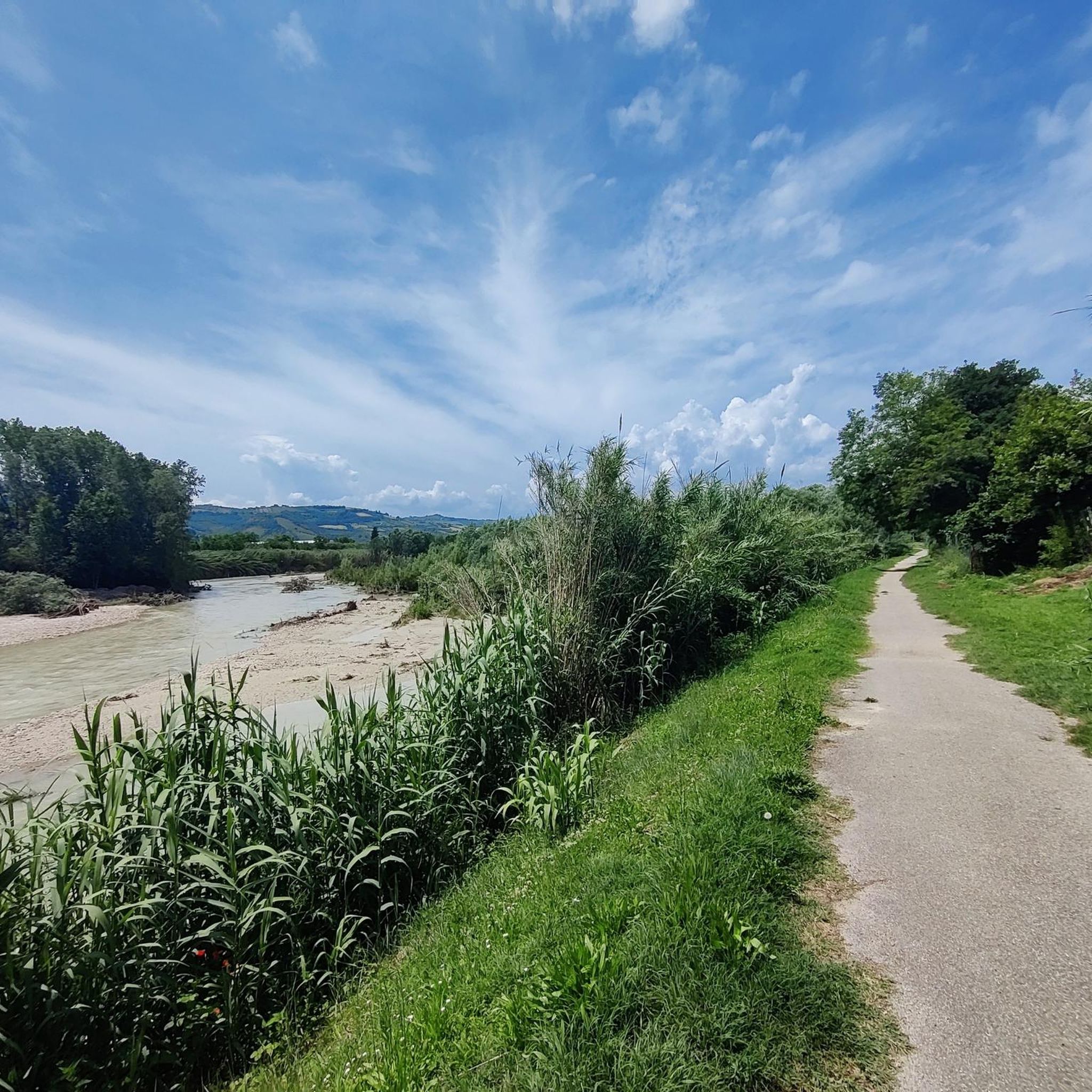
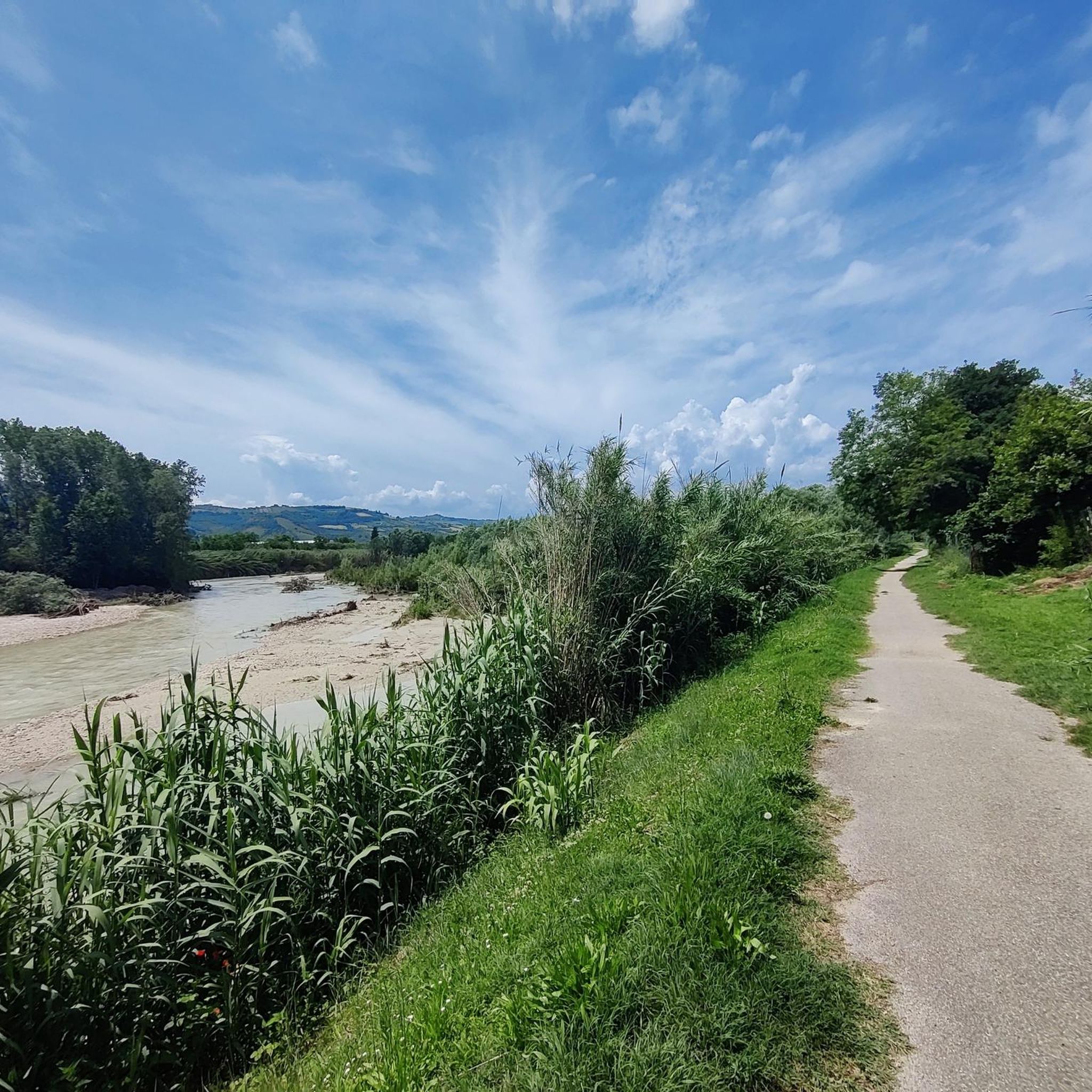
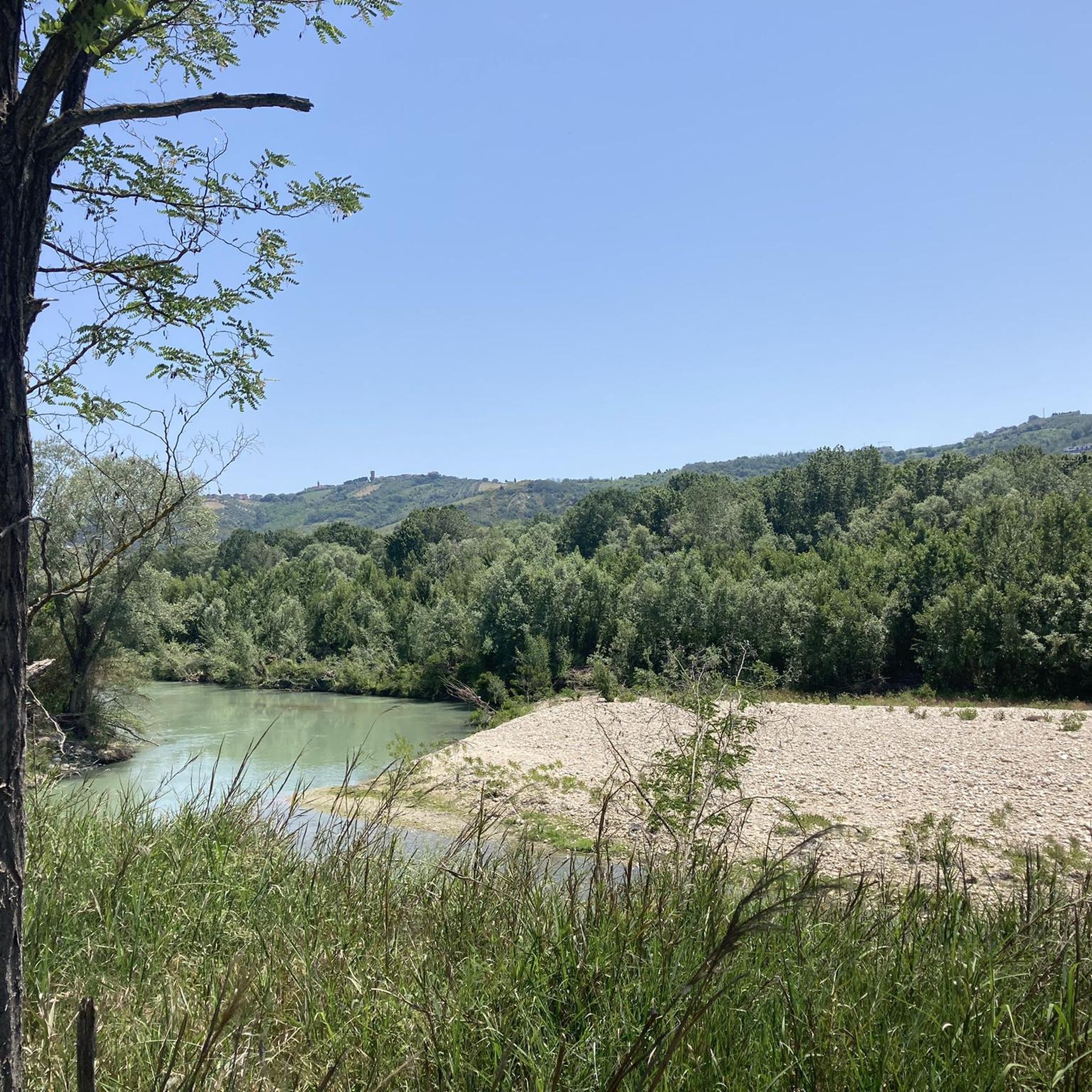
The Sentina Nature Reserve, from the mouth of the Tronto River to the north, is a green oasis in which marine ecosystems coexist, such as sand dunes, brackish areas and a remarkable variety of birds. The cycle/pedestrian path runs along a dirt path, with access points to the pristine beach.
1
0
From this point the view extends from the Adriatic Sea to the Gran Sasso chain and the Laga Mountains. Amazing view!
0
0

This nature reserve, of approximately 180 hectares, was founded in 2004 and is the smallest protected area in the Marche region. It extends along the coast for 1.7 kilometers and, being a combination of land, river and lake areas, it creates a perfect wetland of great importance for migratory birds. It is in fact the only stopping point between the Po delta and the Gargano.
4
0
The village of Acquaviva Picena is characterized by the Rocca, a true masterpiece of Renaissance military architecture, whose first construction dates back to the 14th century by the nobles of the Acquaviva family. https://www.turismo.marche.it/Cosa-vedere/Localita/Acquaviva-Picena/5710
1
0
Acquaviva Picena, a small town in the immediate hinterland of San Benedetto del Tronto, stands on a hill from which it is possible to admire a wonderful panorama overlooking the highest peaks of the Apennine mountains, such as the Vettore, the Gran Sasso and the Maiella. https://www.turismo.marche.it/Cosa-vedere/Localita/Acquaviva-Picena/5710
0
0

Acquaviva Picena is a small village located on a hill above a few kilometers from San Benedetto del Tronto. It offers splendid views towards the coast and towards the mountains, and on clear days the highest peaks of the Apennine mountains can be seen. Its symbol is the Rocca, a Renaissance fortress that dominates the village with its imposing structure.
2
0
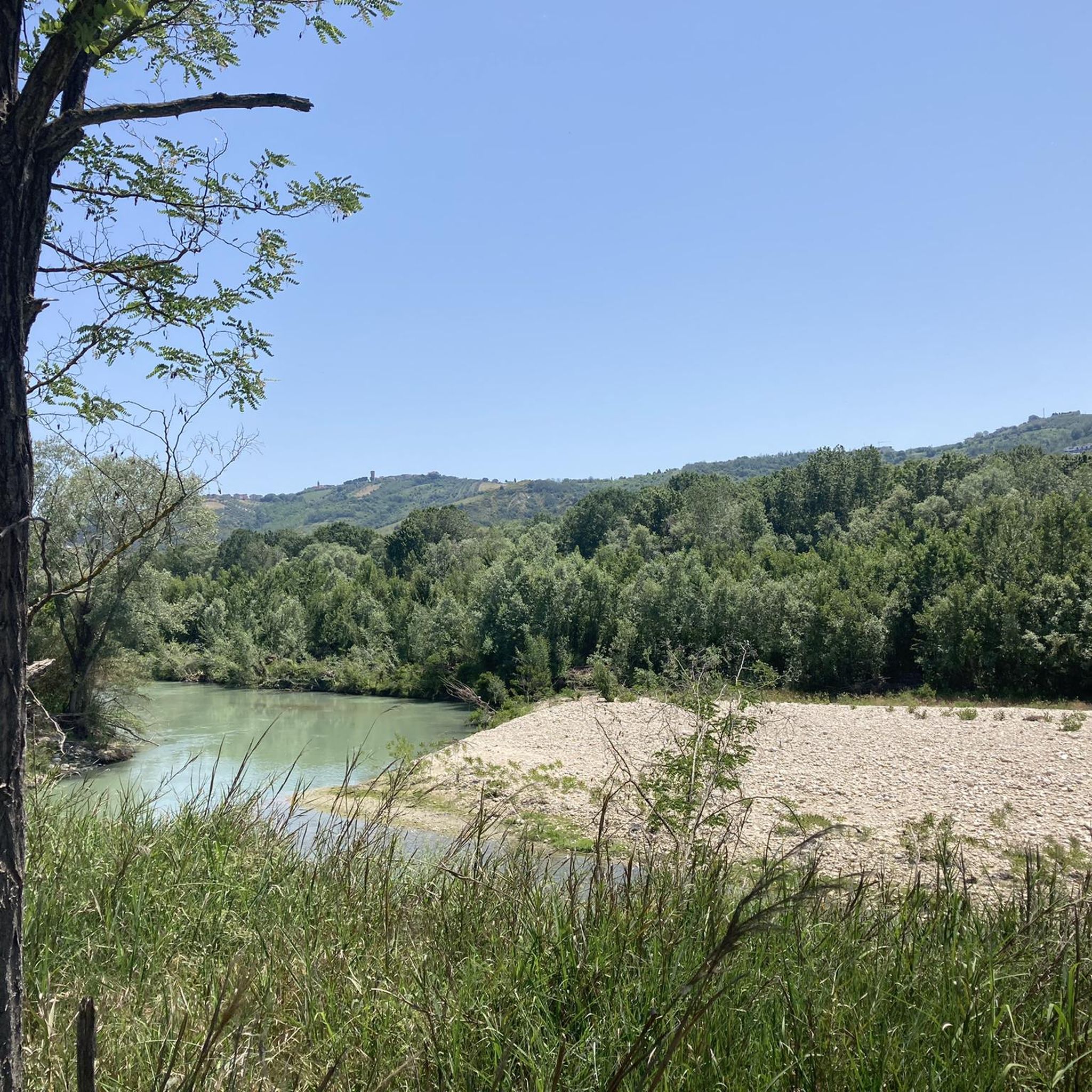
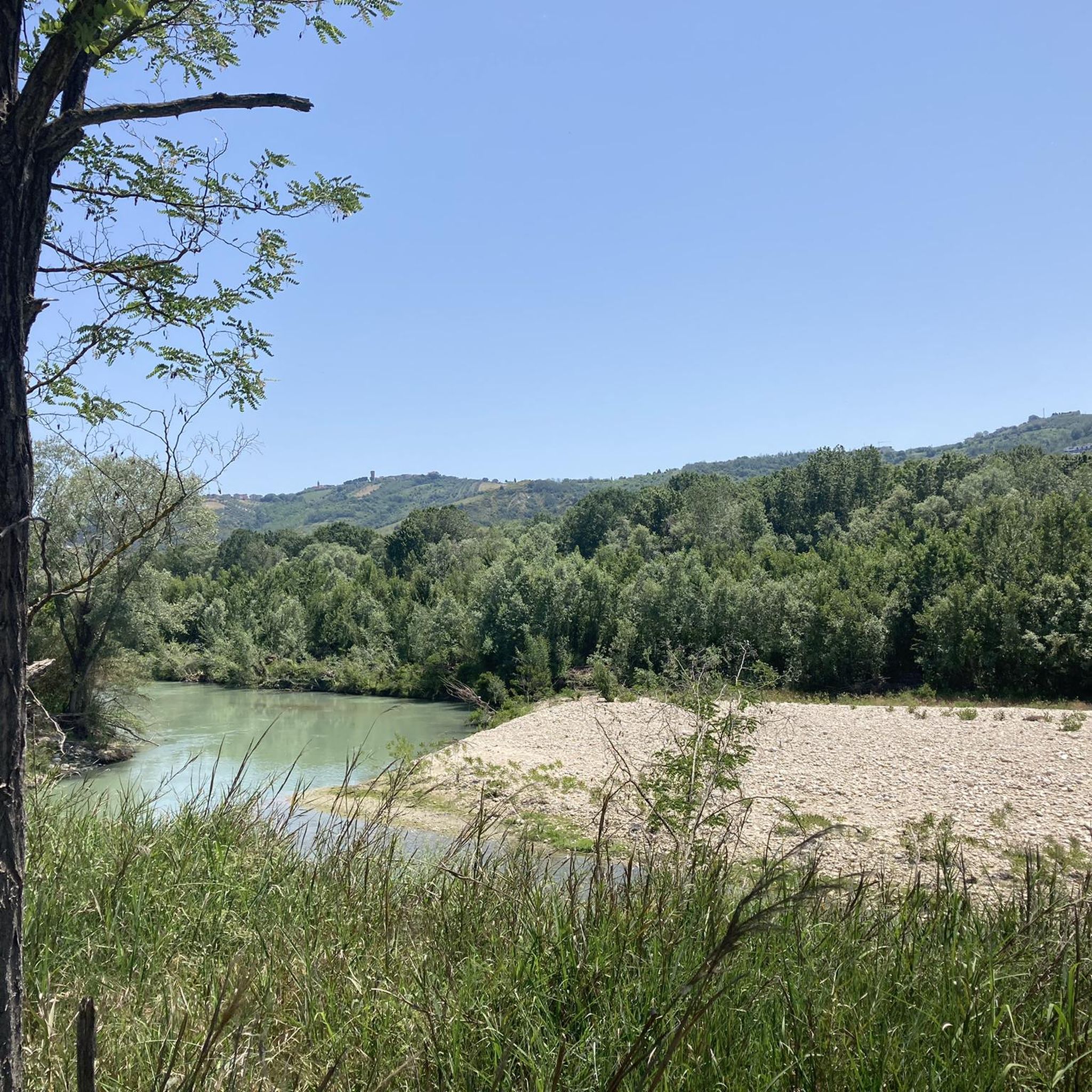
Hillside village of Controguerra, an area rich in vineyards and with a view of the Monti della Laga and the Adriatic Sea.
1
0

During the 15th and 16th centuries, along the Adriatic coast, we witness the construction of a series of anti-landing turrets: the "Torre sul Porto" is a typical example of these constructions (still present in Abruzzo, but almost completely disappeared in Marche). In fact, with the intensification of trade by sea, a different organization of the "port of Ascoli" became necessary, which needed to be defended from the incursions of pirates and brigands and from the spread of epidemics. The "Tower on the Port" was built in the first half of the 16th century: on 18 November 1543 the Lombard Mastro Battista Raffaele of Como communicated to the city of Ascoli the construction of the tower near the river port; the works on the octagonal tower ended in 1547. Towards the middle of the seventeenth century the plague was spreading like wildfire and so, in 1673, to protect the Ascoli area from the arrival of foreign goods, a new rectangular structure that partially incorporated the tower itself. This new structure was intended to house a permanent armed guard for the defense of the port and for health surveillance. The current structure of the building is characterized by a composite plan composed of a large central body with a rectangular plan called "casone", and a smaller structure with an octagonal plan inserted in part inside the first. Both structures have exposed brick masonry made up of regular courses interrupted only by a simple string course frame (cord), also made with bull-shaped bricks and with the use of short stone elements inserted only in the corners of the largest building. Over time, the ancient openings, loopholes and doors have been partly replaced by larger windows which are repeated with an irregular and asymmetrical rhythm both on the main facade and on the side elevations, allowing the infill panels of perhaps older openings to be glimpsed in the masonry. Inside the building there are the narrow rooms of the sixteenth-century tower where the criminals were relegated, then used as a home by the families of local sharecroppers (the building is also known locally as the "Olivo house", from the name of the last inhabitant ). The roofing system of both the sixteenth-century tower and the "casone" were replaced, in the nineteenth century, by a wooden structure on which the terracotta tiles and the roof tiles rest. The interior of the building is currently uninhabitable and requires major renovation works. On the sides of the main portal there were the rooms intended for the shelter of the livestock (south side), for the storage of cereals and for the agricultural and maritime shed (north side); these rooms, together with other annexes built in the second half of the 20th century, were removed in the conservative restoration works of the external parts in the years 2011-2012, except for the structure on the south side (former stable). Here the construction of a classroom with about 30 seats for environmental education activities and an info-point is planned, while the terrace above will become a privileged point of observation of the landscape and birdlife; unfortunately these works have been blocked for years, and therefore the Torre sul Porto is currently closed and unusable. To increase the importance of this property is its location within the "Sentina Regional Nature Reserve". Located north of the mouth of the Tronto river, it is a brackish marsh in which there are only very few rural buildings and which has a wetland of great biological and birdlife importance. Unfortunately, it is currently threatened by severe coastal erosion, with the sea now reaching the edge of the "Torre sul Porto".
0
0


더 살펴보기
찾고 있는 하이라이트를 아직 못 찾으셨나요? 다른 지역의 주요 명소 가이드를 확인해보세요:
