20의 과르데아가지 명소 & 주요 장소
과르데아에는 둘러볼 만한 장소가 많답니다. 하이킹 또는 사이클링을 좋아한다면 과르데아에 숨겨진 20
가지 보석을 만날 수 있을 거예요. 이 지역의 주요 명소를 살펴보면서 다음 모험을 계획해보세요.
마지막 업데이트: 8월 30, 2026
몬테키오의 역사적인 마을
하이라이트 • 정착지
번역자 Google •
팁에 의해


이런 장소를 발견하려면 지금 가입하세요
최고의 싱글 트랙, 봉우리 및 다양한 흥미로운 야외 장소에 대한 추천을 받아보세요.
무료 회원 가입
Melezzole 마을
하이라이트 • 정착지
번역자 Google •
팁에 의해

오르시니 성과 시계탑, 첼레노 안티코
하이라이트 • 성
번역자 Google •
팁에 의해

무료로 가입하여 과르데아 주변의 더 많은 명소를 발견하세요.
무료 회원 가입
이미 komoot 계정이 있나요?
오늘 무료 계정으로 시작하세요
다음 모험이 기다리고 있어요.
로그인 또는 가입하기
커뮤니티 팁

리우 그란데 강 유역은 아멜리아에서 약 2km 떨어진 몬티 아메리니 산맥 지역에 자리 잡고 있습니다. 리우 그란데는 테베레 강으로 흘러드는 지류이며, 이 지역은 도시 하천 공원 및 자연 및 풍경적 관심 장소로 묘사됩니다. 그 역사적 중요성은 주로 두 개의 댐, 즉 라고 베키오(Lago Vecchio)를 형성한 파라(Para)라는 이름의 상류 댐과 데이 피네스트로니(dei Finestroni) 또는 폰테 그란데(Ponte Grande)라는 이름의 하류 댐에 달려 있습니다. 수세기 동안 이 수력 시스템은 이 지역에 물을 공급하고 기름과 곡물을 빻는 데 사용된 방앗간에 동력을 공급했으며, 이는 유역을 따라 여전히 기억되고 있습니다.
0
0

Gorgeous place! Too bad it takes so many rainy days to see any water!
0
0

Past the old monastery you will arrive at the old borgo. The elevated old village has been depopulated since the 19th century and has become a real ruin due to erosion and earthquakes. In 1951 it was completely abandoned. Only the old market square and the castle are accessible, the old houses are completely dilapidated and overgrown with plants over the years. The Orsini castle at the entrance of Celleno antico is the most beautiful building in the borgo. It has a large watchtower and the castle is surrounded by a deep moat. It was recently restored and inhabited by the artist Enrico Castellani. This artist was internationally known (he also studied in Brussels) and died on 1 December 2017. On the old market square you can see a beautiful rectangular bell tower, in 3 layers and made of tuff. Only the walls of the old church San Carlo (17th century), left of the castle, remain. Close to the market square is the church of San Donato from the year 1000 in Romanesque style, with a very beautiful portal in basalt stone.
0
0
Recent archaeological discoveries have confirmed the Etruscan origins (4th-3rd centuries BC) of Celleno Vecchio, a settlement that enjoyed a great position, i.e. the ancient communication route between Orvieto, Bagnoregio and Ferento. Ancient sources provide evidence that this medieval settlement is one of the fortified villages built by the Counts of Bagnoregio between the 10th and 11th centuries. At that time, the village must have consisted of a number of dwellings at the end of the tuff, protected by cliffs on three sides, surrounded by walls and a small fortress, which is now the Orsini Castle, to protect the only access route. At the end of the 12th century, after the destruction of Ferento, the municipality of Viterbo began a rapid expansion in the Tiber Valley, also acquiring Celleno, which in 1237 was one of the castles of the Viterbo area governed by a Podest (high official) appointed by the local government. At the end of the 14th century, the city center fell into the hands of the Gatti family, one of the most powerful families in Viterbo. During this period, the medieval fortress was completely renovated and converted into a fortified stately home that can still be seen today. The Gatti family ruled Celleno until the last heir, Giovanni Gatti, who was killed on the orders of Pope Alexander VI (Borgia) for refusing to return the castle. At the beginning of the 16th century, the municipality fell into the hands of the Orsini family. Interestingly, the castle still bears the name of this family. Only towards the end of the 16th century was the church able to incorporate Celleno into its possessions until the unification of Italy. In modern times, Celleno Vecchio was often affected by earthquakes and landslides, until it was finally abandoned in the 1930s. Today it is a small, charming and evocative ghost village, characterized by ruins and vegetation, with beautiful views of the surrounding landscape.
0
0


The village of Morruzze has its origins in the medieval period as a fortified villa affiliated with Todi. Although it experienced crucial moments during the 14th century due to the plague and frequent looting, the village has maintained its timeless charm. The palace, acquired by the Paperini family in the 17th century, underwent significant transformations, becoming the structure you admire today. This village, surrounded by a particular tranquility, offers a spectacular view of the Tiber valley and the surrounding hills of Todi. Along its narrow streets, you will find a small fountain and shaded benches that invite you to rest and contemplate the breathtaking landscape.
2
0

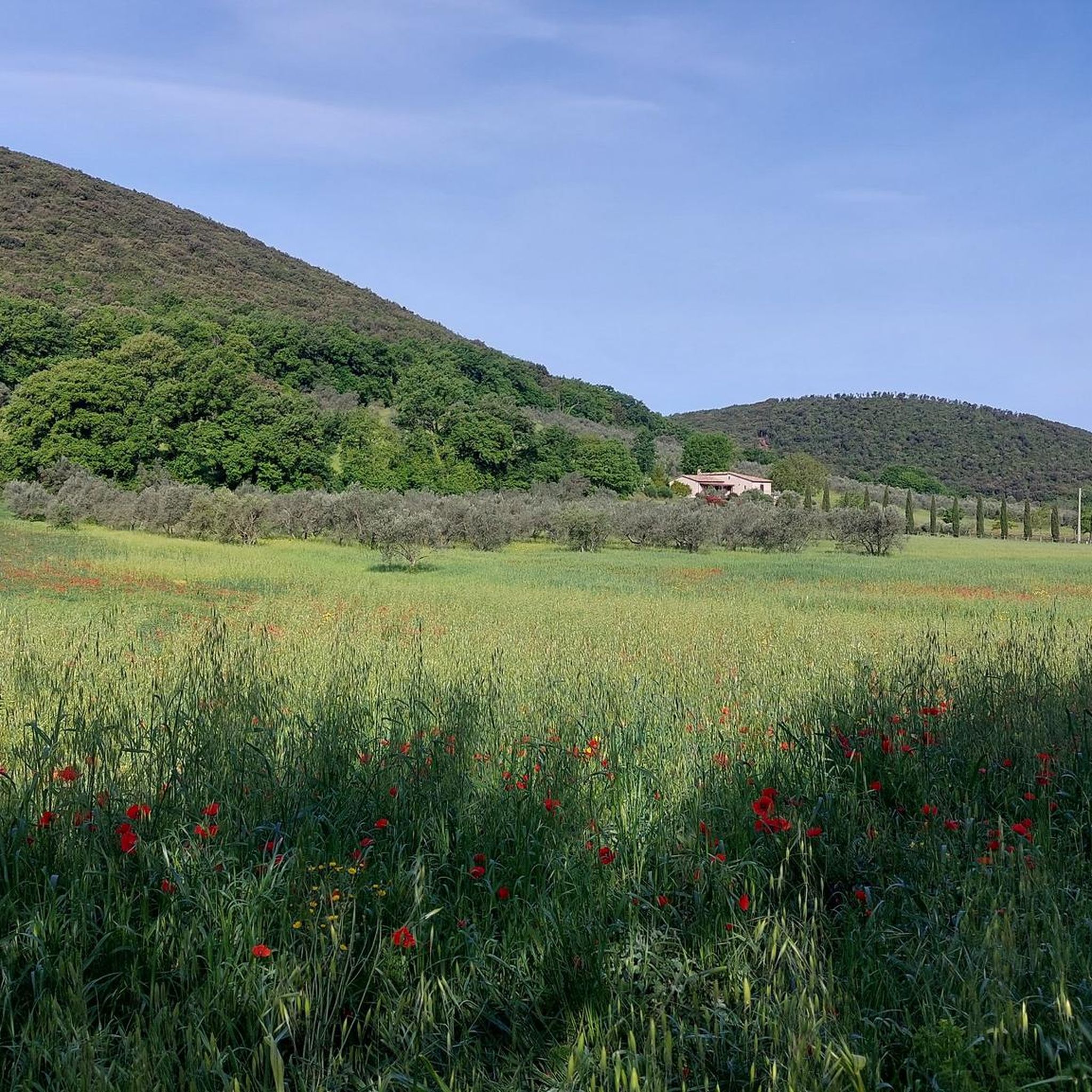
ocated on a hill overlooking the Tiber valley, Montecchio preserves the charm of the Middle Ages intact with its alleys, squares, the light tones of the stone and the mighty walls with defense towers. With a vaguely elliptical shape, the village is one of the best preserved in the valley. Soft hills of olive trees draw its territory. Dense woods make the landscape vivid and lush in the summer, while autumn paints the Mediterranean scrub in orange and red.
0
0
과르데아 주변에서 가장 인기 있는 명소


더 살펴보기
찾고 있는 하이라이트를 아직 못 찾으셨나요? 다른 지역의 주요 명소 가이드를 확인해보세요:
