시어닝 최고의 사이클링 경로
4.7
(50)
465
자전거 타는 사람
46
라이딩
시어닝 최고의 사이클링 경로를 찾으시나요? 시어닝에서 가장 멋진 자전거 라이딩 장소를 살펴본 후에 바로 떠나보세요. 여기서 마음에 드는 경로만 고르시면 돼요!
마지막 업데이트: 9월 9, 2026
4.9
(9)
45
자전거 타는 사람
18.9km
01:09
130m
130m
초급용 자전거 라이딩. 모든 체력 수준에 적합. 대부분 포장된 지면. 실력과 관계없이 누구나 갈 수 있음.
4.8
(4)
44
자전거 타는 사람
19.0km
01:19
330m
330m
보통 자전거 타기. 좋은 체력 필요. 대부분 포장된 지면. 실력과 관계없이 누구나 갈 수 있음.

4.5
(2)
26
자전거 타는 사람
30.5km
01:57
300m
300m
보통 자전거 타기. 좋은 체력 필요. 대부분 포장된 지면. 실력과 관계없이 누구나 갈 수 있음.
4.0
(1)
25
자전거 타는 사람
30.4km
01:50
230m
230m
보통 자전거 타기. 좋은 체력 필요. 대부분 포장된 지면. 실력과 관계없이 누구나 갈 수 있음.
5.0
(2)
21
자전거 타는 사람
28.7km
01:51
360m
360m
보통 자전거 타기. 좋은 체력 필요. 대부분 포장된 지면. 실력과 관계없이 누구나 갈 수 있음.
더 다양한 경로와 다른 탐험가들의 추천을 살펴보세요.
이미 komoot 계정이 있나요?
투어 추천은 다른 사람들이 komoot에서 완료한 수천 개의 활동을 바탕으로 구성되어 있습니다.
오늘 무료 계정으로 시작하세요
다음 모험이 기다리고 있어요.
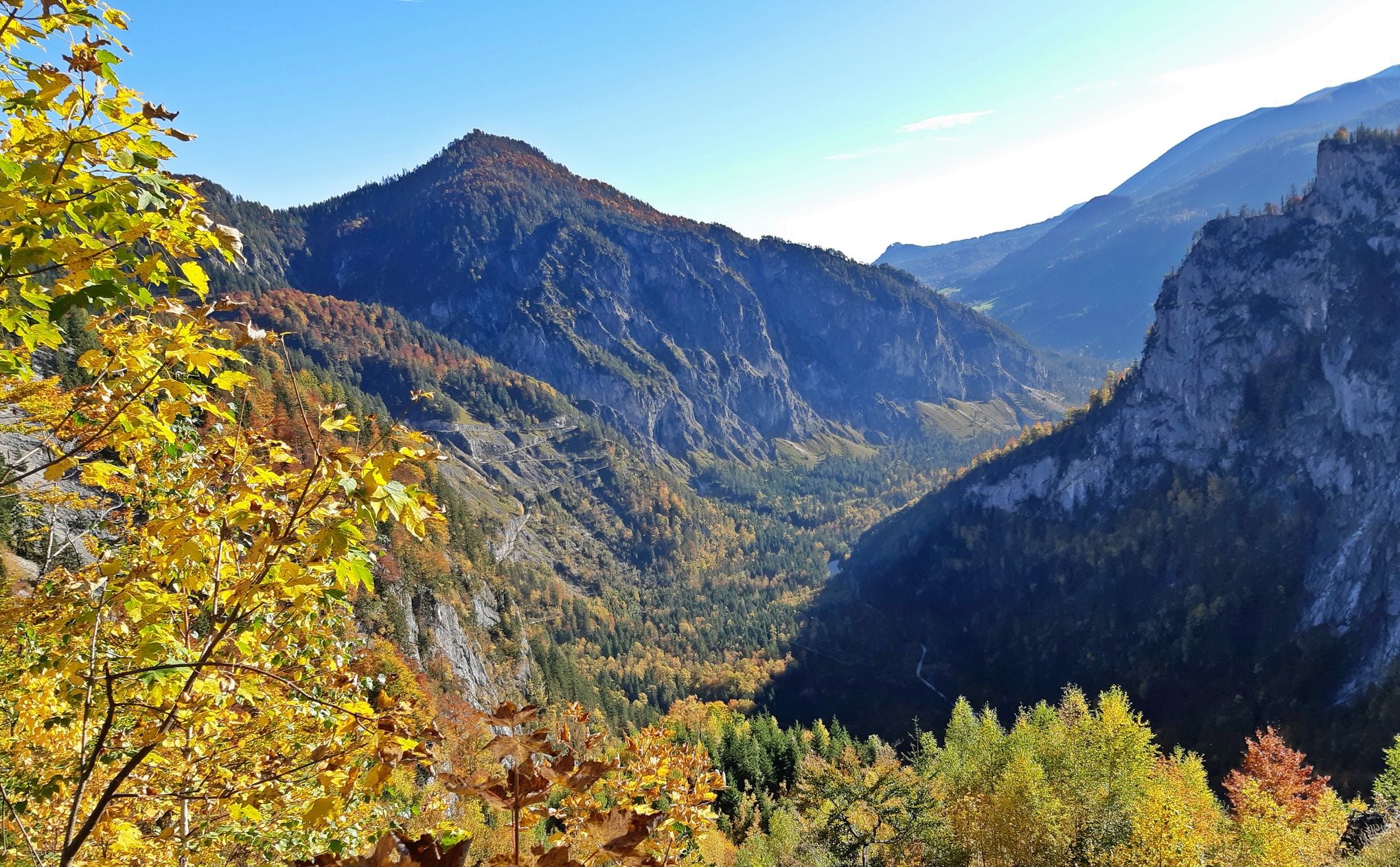
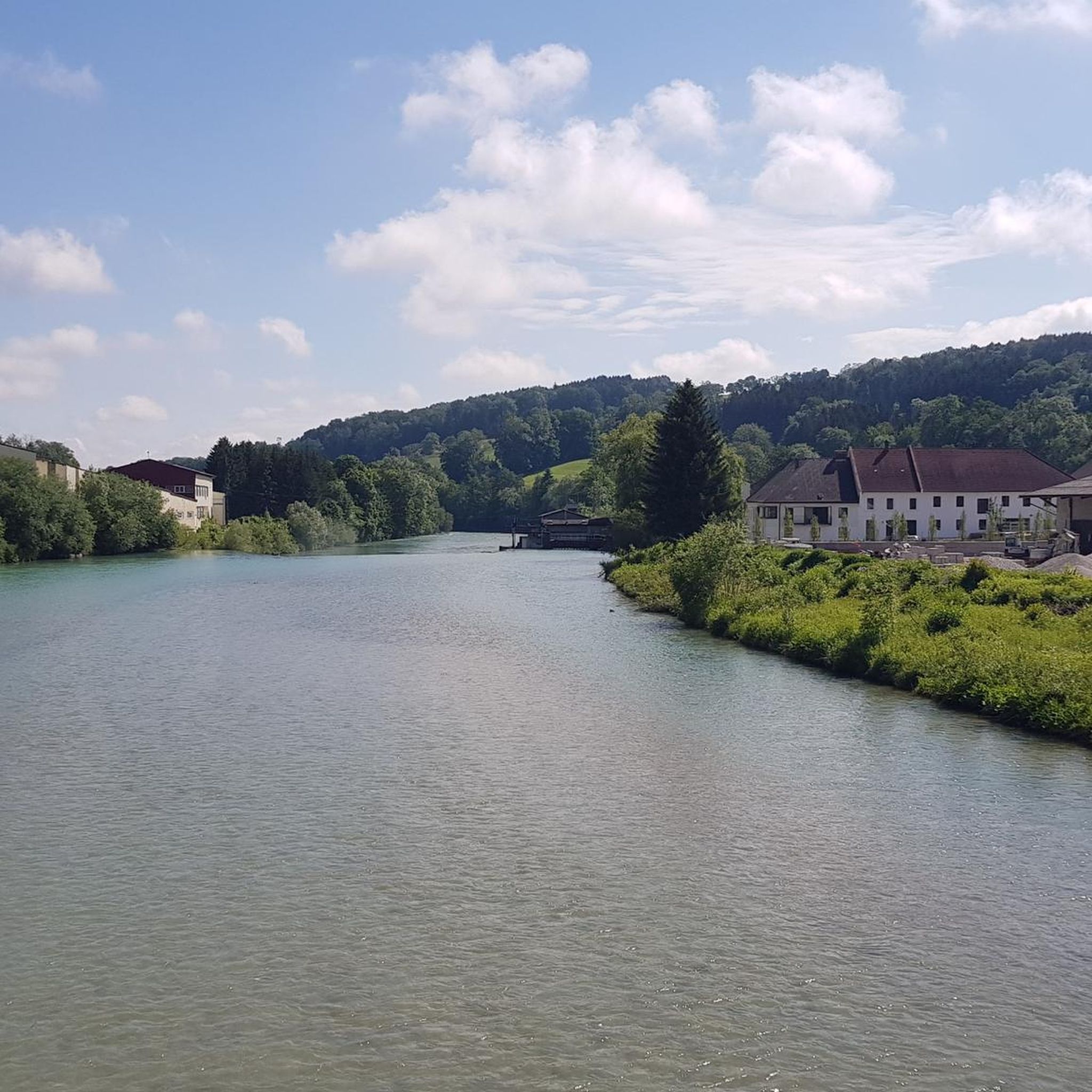
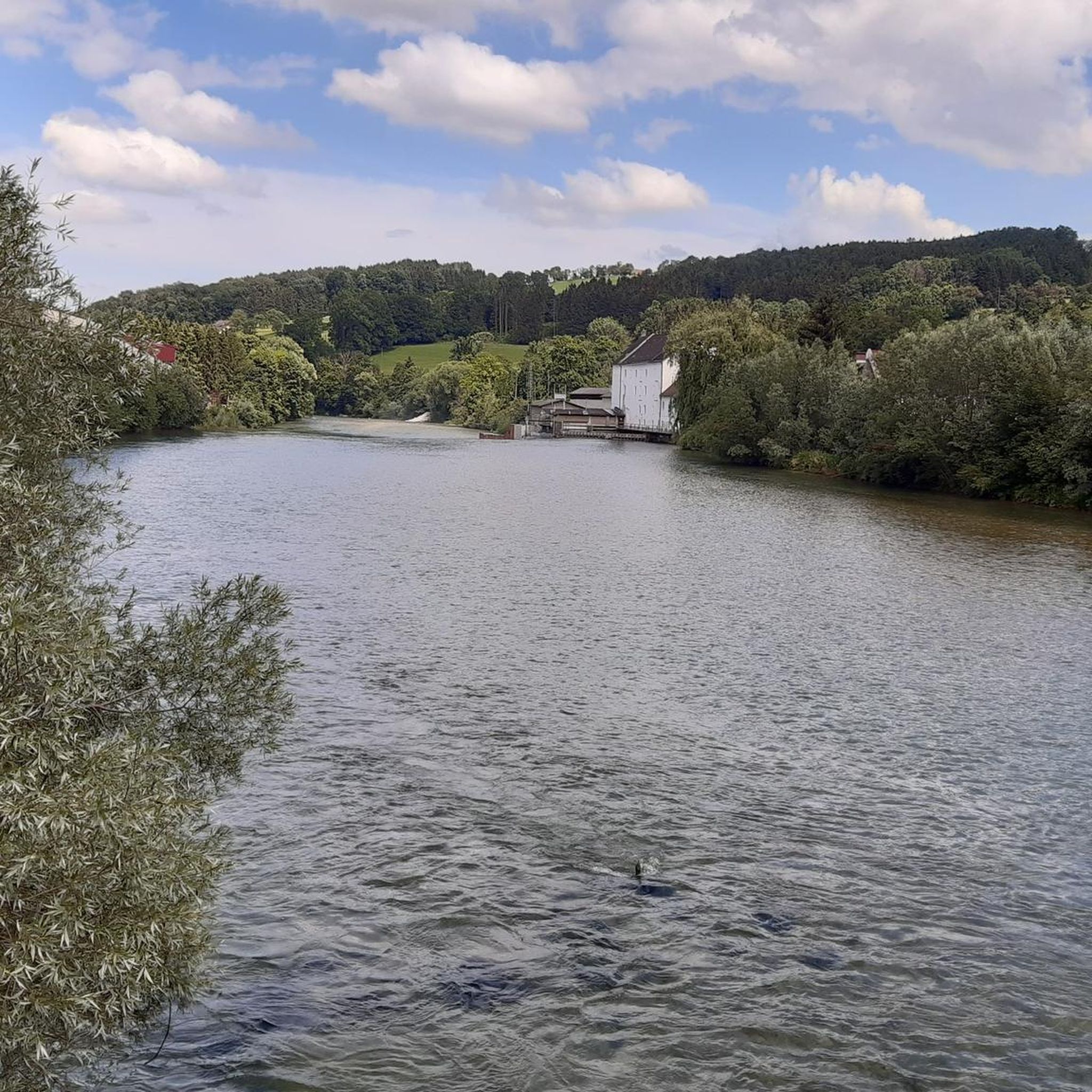
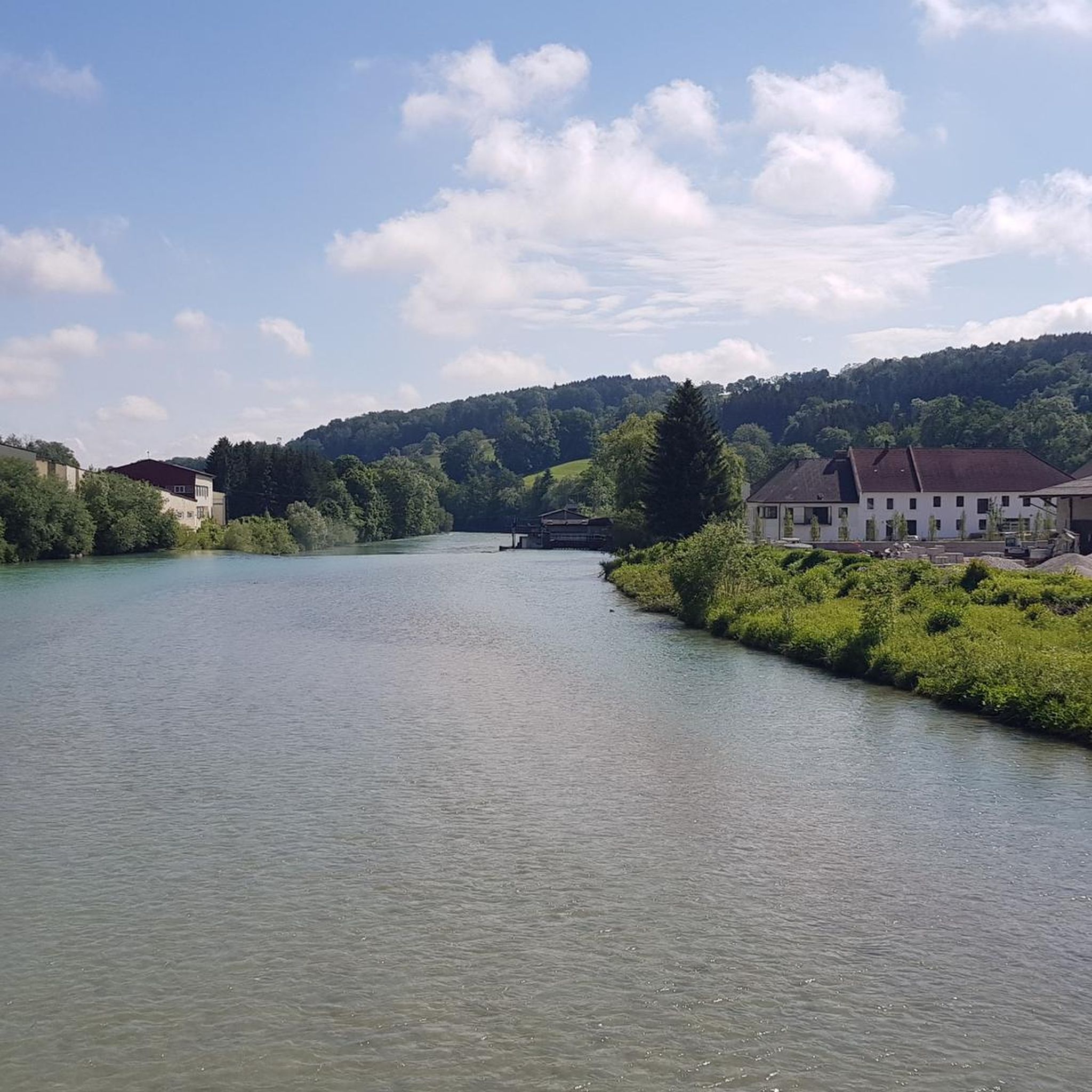
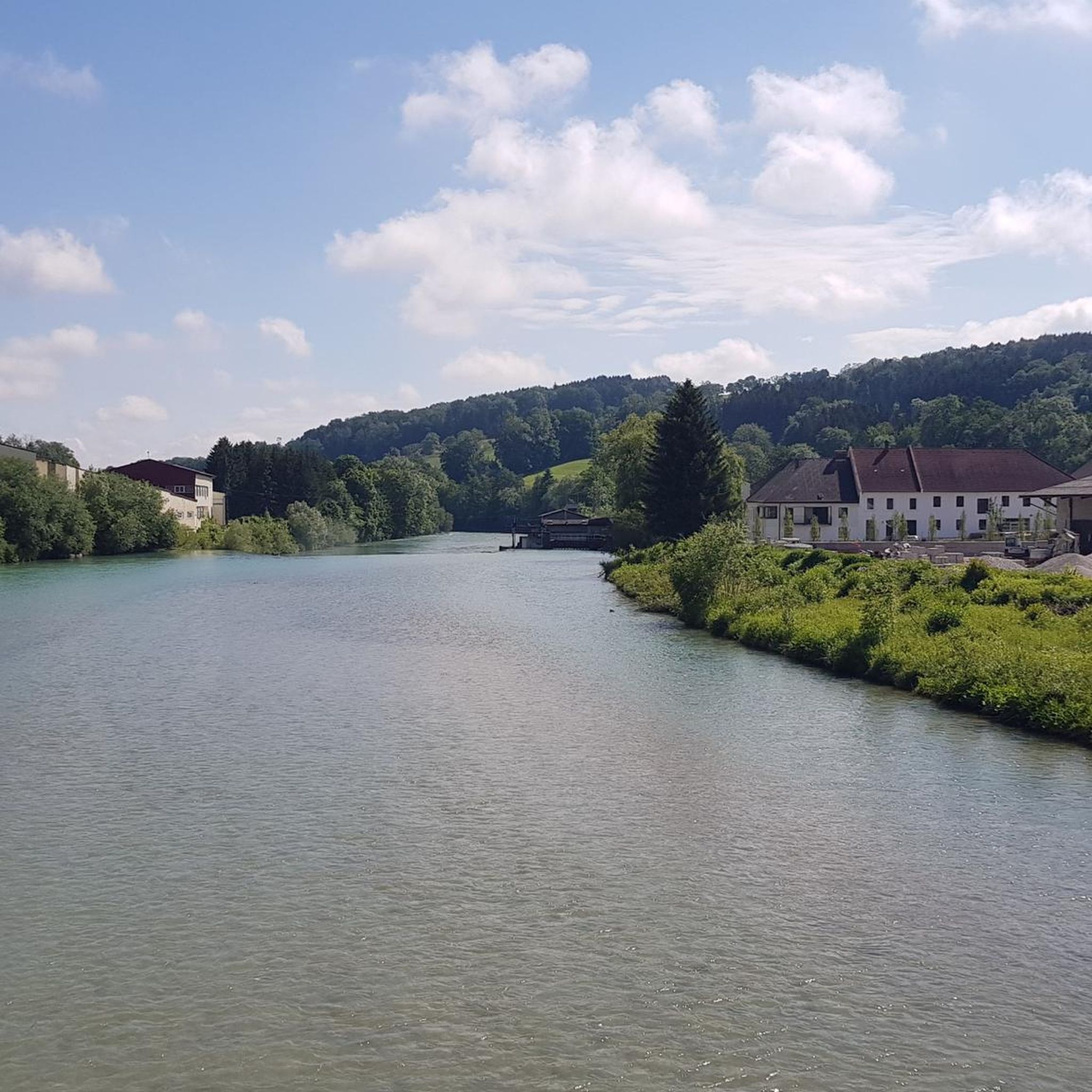
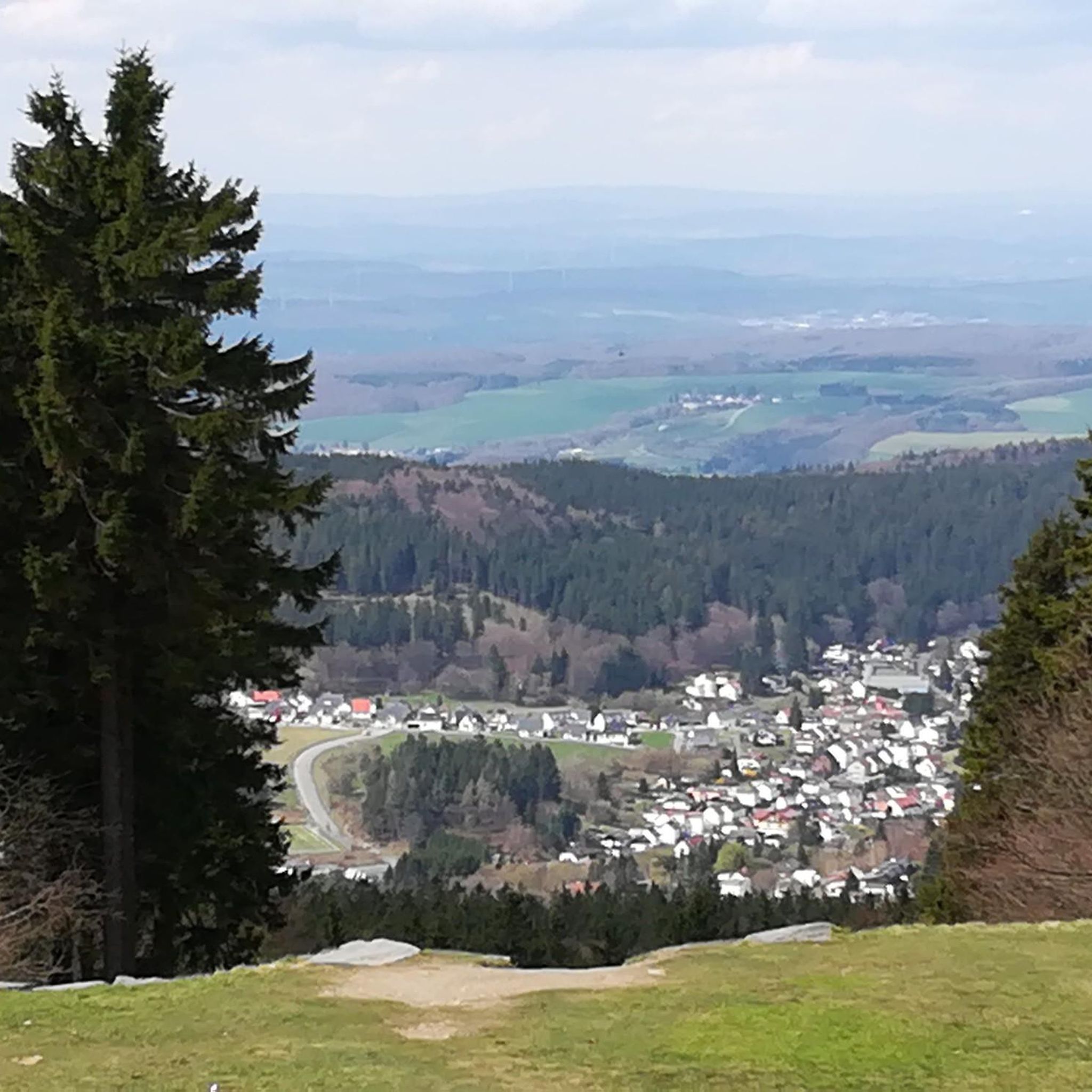
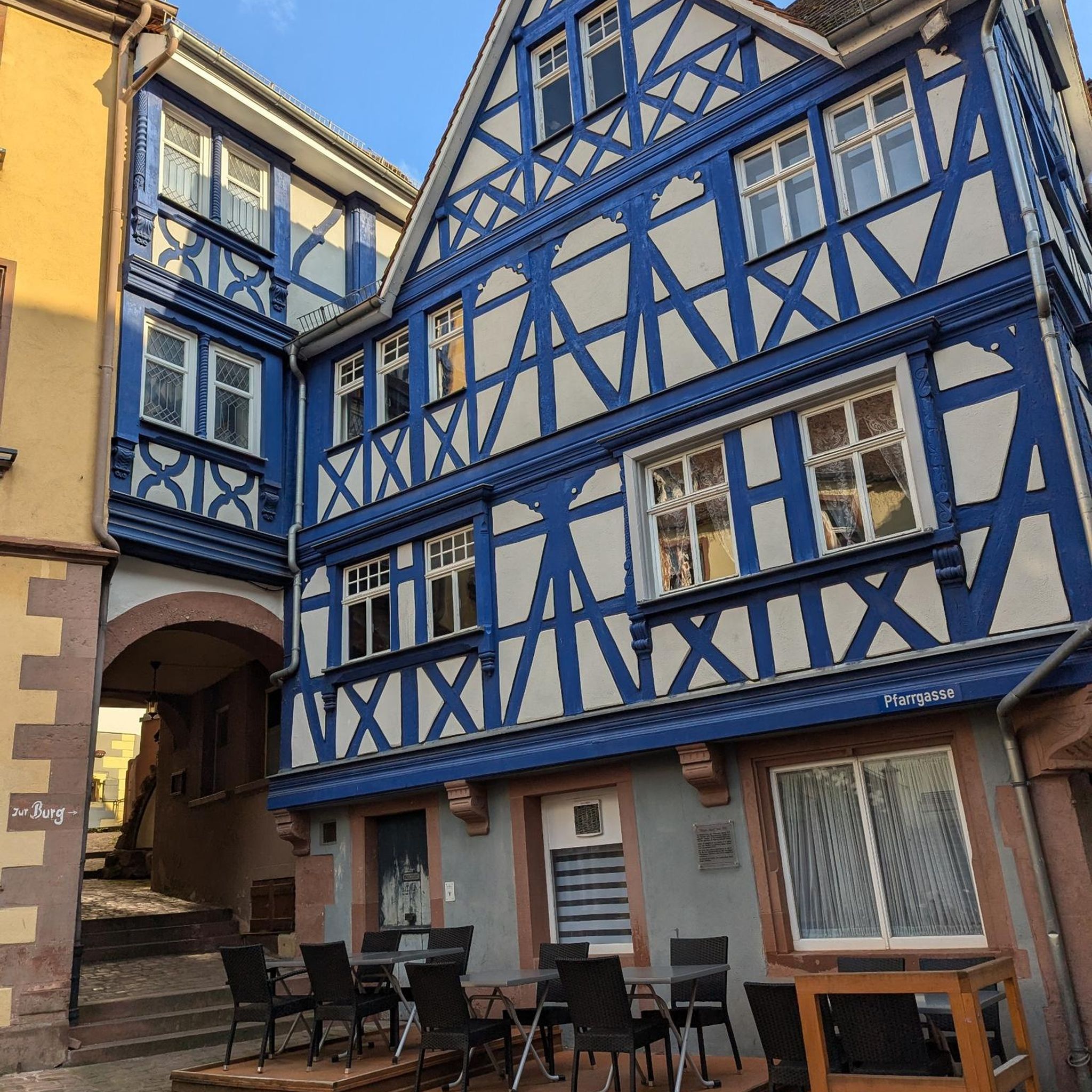
시어닝 주변의 다른 모험

커뮤니티 팁


Very beautiful natural bathing spot on the cold Steyr
0
0
Beautifully situated near the river Steyr.
0
0
Good entry to the Steyrtal Museum Railway
1
0

Shortly after the founding of Garsten Abbey, in the first quarter of the 12th century, the Benedictine Abbey of Gleink emerged from the Bamberg fiefdom of Glunich. The founders, Arnhalm I and his son Bruno, from the ministerial Gleink-Volkersdorf family, whose employers, the Styrian Otakars, co-founded the abbey, had the fortress converted into a monastery. The monastery complex, dedicated to the Apostle Andrew, already existed around 1120. The Romanesque monastery building was damaged by fire in the 13th century. In the first half of the 17th century, primarily due to looting during the Peasants' War of 1626, the monastery fell into dire straits. Under the following abbots, the great Baroque building period also began for Gleink. As part of the church reforms, Gleink was secularized on May 21, 1784. Parish pastoral care in Gleink was taken over by secular priests, and the monastery buildings were temporarily used as barracks. The bishops of the Diocese of Linz then happily used Gleink as a summer residence. In 1832, the Salesian Sisters came to Gleink from Vienna. At its peak, their monastery numbered up to 70 sisters. From around 1950 onwards, there were no new enrollments, and in 1977, it was finally dissolved. In 1950, the Order of the Missionaries of the Sacred Heart took over parish pastoral care and, until 1990, also operated a Caritas home, a feared reformatory for boys. Since 2022, the monastery building has served as the "cultural GUT storage" of the Diocese of Linz. The external depot of the Diocesan Archives houses archival materials from the parishes as well as the art and furniture depot with over 2,000 works of art and furniture.
0
0

Townscape fair in Wolfern 8.9.24
0
0

The exact start of construction of St. Martin's Church is not known, but the first documented mentions of the "Wolfarer Pharr" date back to 1318(?) and 1339. This period was marked by battles between the Catholics and the Waldensians. In the course of these unrests, the rectory was set on fire twice (1396 and 1397). After the tensions had calmed down, the parish church was extensively built. The beautiful Gothic main portal bears the year 1523. By this time, construction was completed - apart from minor additions. The church originally had a wooden tower, which was demolished in 1833 and a sacristy was built in its place in 1834. The current tower was built from Kremsmünster conglomerate stone in just six months. A new sacristy was finally added in 1880. In 1891 two new side altars in neo-Gothic style were added.
0
0
Because of its great distance, the Gleinkersee was temporarily given to the Spital am Pyhrn monastery in 1589 for a payment of 200 guilders. In 1608, the lake was finally ceded by Gleink for another 200 guilders.
0
0
시어닝 주변에서 가장 인기 있는 명소


더 살펴보기
다른 지역의 최고의 자전거 경로를 살펴보세요.
