상트마리엔 최고의 사이클링 경로
4.1
(95)
627
자전거 타는 사람
56
라이딩
상트마리엔 최고의 사이클링 경로를 찾으시나요? 상트마리엔에서 가장 멋진 자전거 라이딩 장소를 살펴본 후에 바로 떠나보세요. 여기서 마음에 드는 경로만 고르시면 돼요!
마지막 업데이트: 9월 9, 2026
4.8
(30)
144
자전거 타는 사람
43.9km
02:37
180m
180m
보통 자전거 타기. 좋은 체력 필요. 대부분 포장된 지면. 실력과 관계없이 누구나 갈 수 있음.
4.3
(10)
72
자전거 타는 사람
40.3km
02:27
270m
270m
보통 자전거 타기. 좋은 체력 필요. 대부분 포장된 지면. 실력과 관계없이 누구나 갈 수 있음.

5.0
(3)
41
자전거 타는 사람
76.6km
04:54
700m
700m
어려운 자전거 타기. 우수한 체력 필요. 대부분 포장된 지면. 실력과 관계없이 누구나 갈 수 있음.
4.0
(2)
21
자전거 타는 사람
19.3km
01:09
150m
150m
초급용 자전거 라이딩. 모든 체력 수준에 적합. 대부분 포장된 지면. 실력과 관계없이 누구나 갈 수 있음.
4.8
(4)
13
자전거 타는 사람
31.6km
01:58
270m
270m
보통 자전거 타기. 좋은 체력 필요. 대부분 포장된 지면. 실력과 관계없이 누구나 갈 수 있음.
더 다양한 경로와 다른 탐험가들의 추천을 살펴보세요.
이미 komoot 계정이 있나요?
투어 추천은 다른 사람들이 komoot에서 완료한 수천 개의 활동을 바탕으로 구성되어 있습니다.
오늘 무료 계정으로 시작하세요
다음 모험이 기다리고 있어요.
커뮤니티 팁


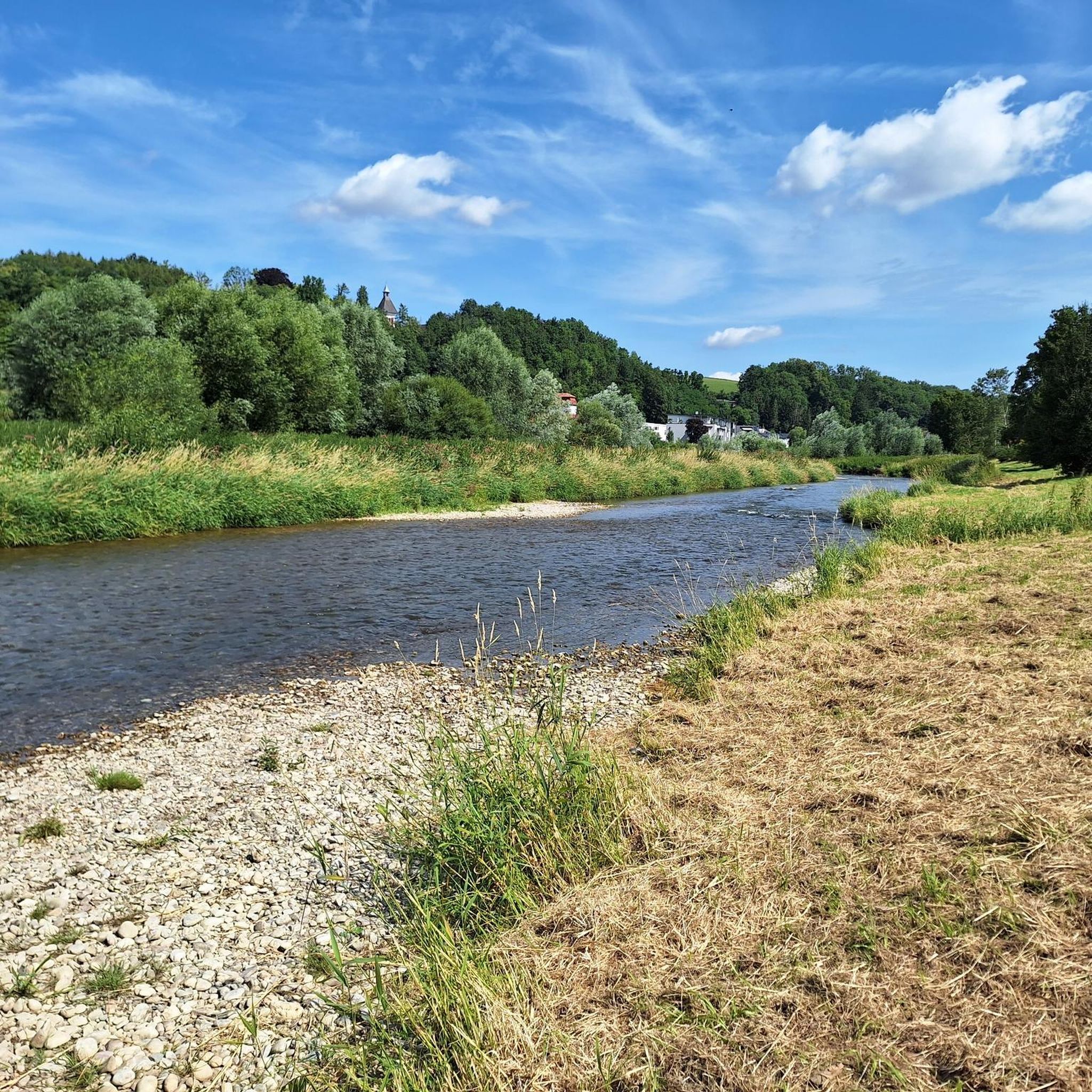
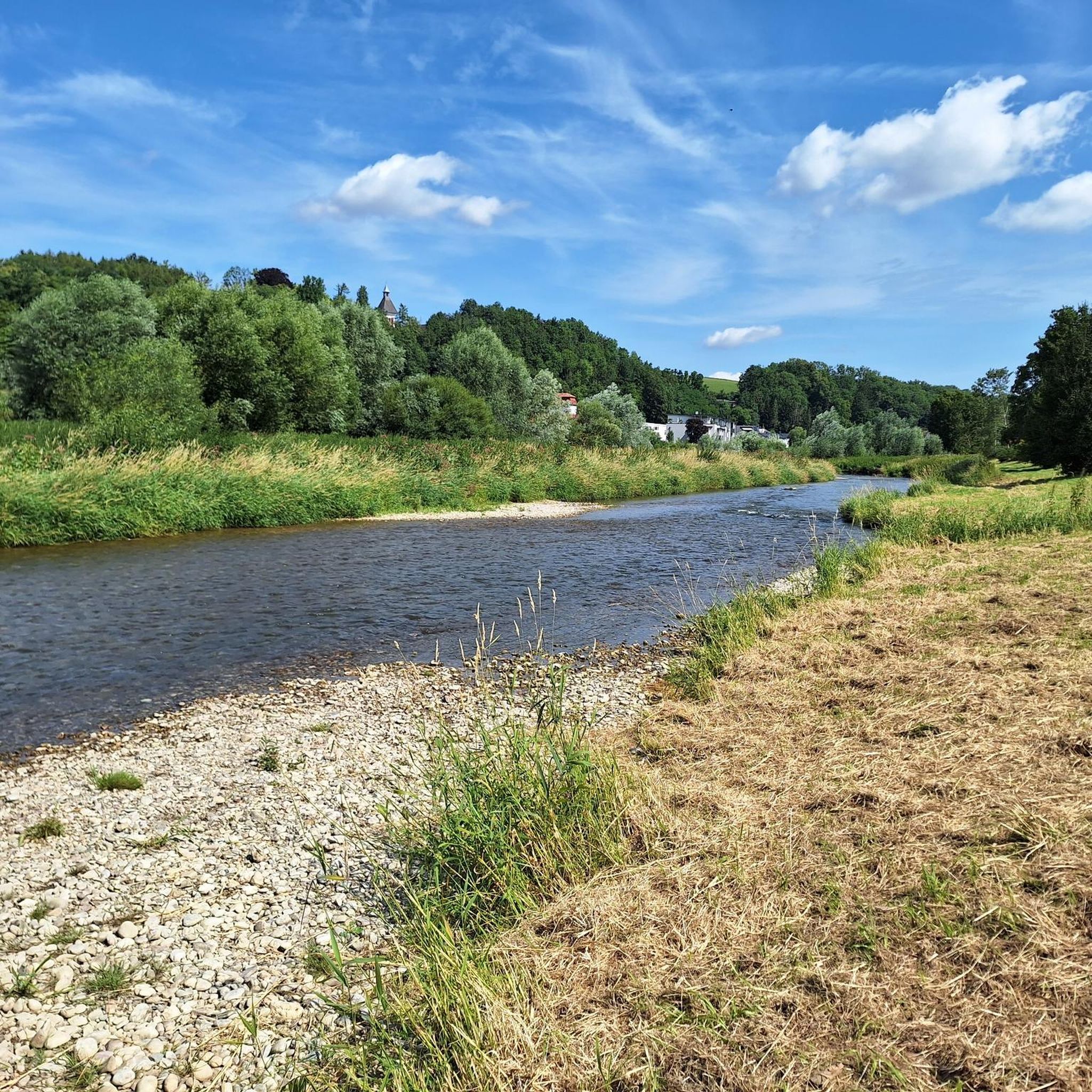
The Sulzbach flows into the Krems River near Halbarting. This point is located directly on the Krems Valley Cycle Path (R10), which runs from Neuhofen an der Krems to the Traun River and offers numerous scenic stretches. The cycle path offers particularly beautiful views of the estuary. The Sulzbach itself is an approximately 20-kilometer-long right tributary of the Krems River, with its source south of Nussbach at approximately 605 meters above sea level. It flows through the communities of Adlwang, Pfarrkirchen near Bad Hall, and Rohr im Kremstal before flowing into the Krems River near Halbarting. Overall, the confluence of the Sulzbach and the Krems River represents both a scenically attractive spot for cyclists and an ecologically important body of water.
0
0

Here you can see how the Traun connects to the Danube.
1
0


The two-winged Renaissance castle dates back to 1588. Further renovations were commissioned around 1670 by the canons Siegbert von Geilenkirchen and Thomas von Kandlberg. It is characterized by an arcaded walkway facing the courtyard. These arcades were enclosed by outbuildings until the renovation. The rooms on the upper floor also served as the official residence of the caretaker – and thus of the courts – for a long time. The Knights of Kast occupied the castle as a summer residence. The dilapidated castle was finally purchased by the municipality of Sierning in 1969 and renovated by the Traunviertel Cultural Association and the town of Sierning. An annex was added to the building, which houses the Sierning municipal office. Following the revitalization of the castle courtyard and the installation of state-of-the-art infrastructure, including a new castle café, it is now possible to host any event. The flagship events are the summer arts and crafts market with up to 10,000 visitors, the Sierning Advent with its Advent village in the castle courtyard, and the Guard Festival. Numerous cultural events and concerts take place throughout the year, both in the castle and in the covered courtyard.
0
0
상트마리엔 주변에서 가장 인기 있는 명소


더 살펴보기
다른 지역의 최고의 자전거 경로를 살펴보세요.
