모타 몬테코르비노 최고의 라이딩 경로
5.0
(1)
25
자전거 타는 사람
6
라이딩
모타 몬테코르비노의 로드 사이클링 경로를 찾으시나요? 그렇다면 모타 몬테코르비노 로드 라이딩 컬렉션 중에서 가장 멋진 라이딩 장소를 아래에서 살펴보세요.
마지막 업데이트: 8월 25, 2026
3
자전거 타는 사람
52.7km
02:54
1,110m
1,110m
어려운 도로 자전거 타기. 우수한 체력 필요. 지면 대부분이 잘 포장되어 있고 라이딩하기 쉬움.
5
자전거 타는 사람
66.1km
03:32
1,280m
1,280m
어려운 도로 자전거 타기. 우수한 체력 필요. 지면 대부분이 잘 포장되어 있고 라이딩하기 쉬움.

무료 회원 가입
4
자전거 타는 사람
46.3km
02:55
1,060m
1,060m
어려운 도로 자전거 타기. 우수한 체력 필요. 투어 중 라이딩하기 어려운 비포장 구간이 있을 수 있음.
5.0
(1)
7
자전거 타는 사람
어려운 도로 자전거 타기. 우수한 체력 필요. 지면 대부분이 잘 포장되어 있고 라이딩하기 쉬움.
4
자전거 타는 사람
45.7km
02:36
990m
990m
어려운 도로 자전거 타기. 우수한 체력 필요. 지면 대부분이 잘 포장되어 있고 라이딩하기 쉬움.
투어 추천은 다른 사람들이 komoot에서 완료한 수천 개의 활동을 바탕으로 구성되어 있습니다.
오늘 무료 계정으로 시작하세요
다음 모험이 기다리고 있어요.
로그인 또는 가입하기
모타 몬테코르비노 주변 인기 장소
커뮤니티 팁

The Sanctuary of the Madonna Incoronata, built in 1761, stands in a rural area linked to the historic wheat festival, one of the most characteristic rituals of the Fortore area. Every April, farmers and young people of the village dig furrows in the fields and carry the "verghe" (long poles decorated with wheat and flowers) in procession. In ancient times, this was followed by the release of a dove as a propitiatory gesture for the harvest. This tradition combines ancient agricultural symbols with Marian devotion, making the sanctuary a deeply rooted place for San Bartolomeo in Galdo.
1
0

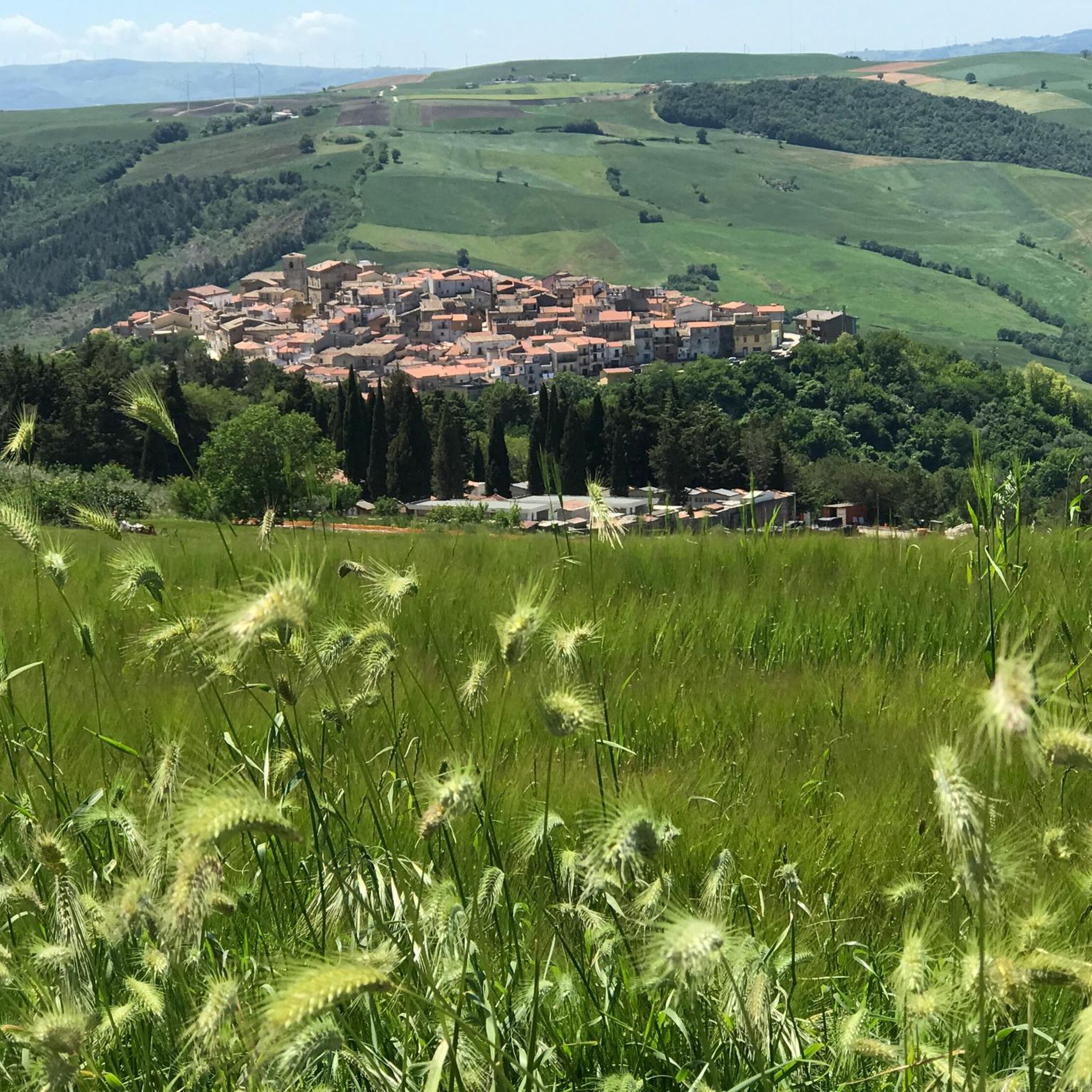
San Bartolomeo in Galdo is an Italian town in the province of Benevento, located in Campania, near the border with Puglia and Molise. It has ancient origins, dating back to the Roman and medieval periods, and has numerous historic buildings and churches, including the Church of San Bartolomeo Apostolo. The town is located in the hilly area of Val Fortore, surrounded by an agricultural landscape. Among the local traditions, there are religious celebrations and cultural events that involve the community.
0
0
Article from Sanbartolomeo.info Chapel built in 1761 by the priest Don Nicola Reino. The celebrations in honor of the Crowned Madonna are particularly interesting for their union between the sacred and the profane. This festival is celebrated on the last Sunday of April in the rural village of the same name. Here, the statue of the Virgin is carried in procession, watched over with songs and prayers. In the days leading up to the festival, the farmers dig furrows in the land that reach from the horizon to the small church, putting all their effort into making them as straight as possible, both for competition between the various groups and out of devotion and thanksgiving for the harvest. During the ritual, the farmers raised tall poles made of wheat, grass, and flowers. At the top was placed a representation of the sanctuary—a box containing a dove that will be released at the end of the ceremony. This ritual is kept alive today thanks to the many groups of young people who, throughout the year, prepare the poles covered in colorful crepe paper flowers, which they carry on their shoulders following the procession and then raise in front of the church in honor of the Madonna. The festival is characterized by vigils, prayers, and quick breakfasts consumed on the grass surrounding the church or at the various kiosks set up for the occasion. The historical sources of the wheat festival are helpful in trying to trace all the stages of a phenomenon that over the years has acquired new meanings and adapted to new religious dictates. The origins of the ritual of offering grain to the deities are lost in the mists of time and date back to cults associated with agricultural life in pagan times and the sense of fear and insecurity associated with the precarious return of the lost seed. Indeed, the success of the harvest depends on superior forces beyond human control, such as adverse weather, so it is these forces that must be thanked for the abundant harvest and encouraged to be generous the following year with donations and devotion. The first historical records of the grain festival in Campania date back to the times of the Roman Empire. During the month of August, agricultural work was halted and Ceres, goddess of the harvest, was thanked with offerings and dances in the threshing floors, and propitiatory rites were performed for the coming harvest. Later, with the advent of Christianity, cartloads of grain were carried as offerings to a saint as a sign of devotion and gratitude for the harvest. This ritual perhaps conceals the questionable custom of the clergy, who during the feudal era forced farmers to donate part of their harvest. It was during this period that the first attempts to weave straw into decorations emerged. Even today, thanksgiving for the harvest is dedicated to the saints and Madonnas to whom the inhabitants of various Campanian towns still attached to agricultural traditions are devoted: the Madonna del Carmine in San Marco dei Cavoti, the Madonna Incoronata in San Bartolomeo in Galdo, the Assunta in Fontanarosa, and the Addolorata in Mirabella Eclano, towns where the female deities of the fields have been revived in the Christian figure of the Madonna.
0
0

Bosco San Cristoforo is a forest area, located in the territory of San Marco la Catola, near Monte Ingotto. It is an oasis of greenery and tranquillity, where you can go for walks and admire nature with a hiking trail that can be traveled on foot or by MTB that allows you to reach the summit of Monte Ingotto and a beautiful view of Lake Occhito.
0
0
San Marco la Catola is a small medieval village in the province of Foggia, in the heart of the Monti Dauni. In the area there are many climbs for racing bike climbers. The inhabited center develops around an ancient 14th century ducal palace, which is called the "castle".
0
0
Castelnuovo della Daunia is a municipality located on the slopes of the Subappennino Dauno, at an altitude of 600 m. It has ancient origins, linked to the presence of Slavic and Greek populations and retains a characteristic historic center, with the mother church dedicated to San Michele Arcangelo.
1
0
The Faeto forest is a natural forest of great ecological value, where Turkey oaks, beeches and maples grow. The road that crosses it through the trees is very suggestive and you can also take a walk among the greenery and silence, following the equipped paths.
0
0
Castelluccio Valmaggiore is a town located between the Northern Dauni Mountains. It has an ancient history and according to some hypotheses it was the scene of a battle between Hannibal and the Romans. Its name comes from a Byzantine castle that dominated the Valmaggiore, the valley of the Celone river, and from the road you can admire a beautiful panorama.
1
0
모타 몬테코르비노 주변에서 가장 인기 있는 경로
모타 몬테코르비노 주변에서 가장 인기 있는 명소


더 살펴보기
다른 지역의 최고의 로드 사이클링 경로를 살펴보세요.
